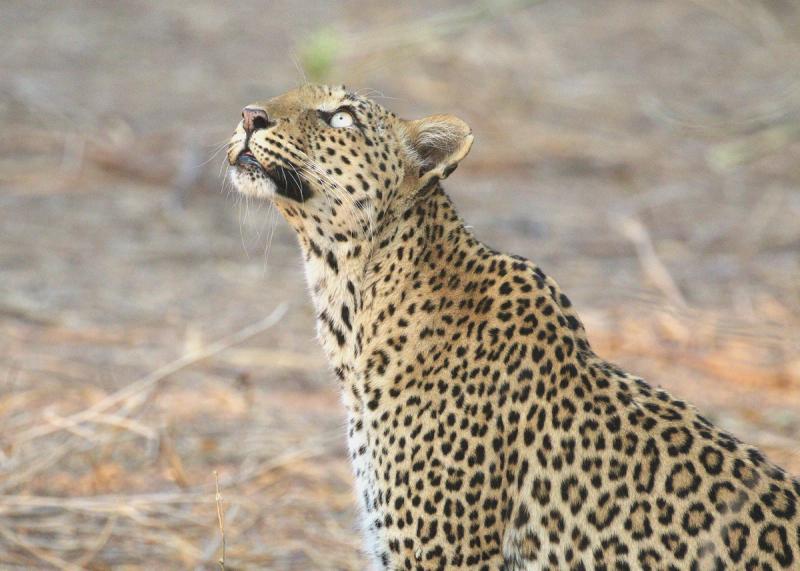
Travelling to Zambia? Fantastic choice. From walking safaris in the Luangwa Valley to canoeing on the Lower Zambezi and the thundering spray of Victoria Falls, there’s plenty to draw you in. Better still, much of Zambia’s wilderness is so remote that you’re more likely to have a leopard sighting to yourself than on most safari circuits. Before you grab your passport, here are five things to know about getting there, when to go, what it costs, visa requirements, and the practical details worth sorting before you fly.
1. How Do You Get to Zambia, and Where Should You Go?
Most international guests fly into Kenneth Kaunda International Airport in Lusaka or Harry Mwanga Nkumbula International Airport in Livingstone, connecting through hubs such as Johannesburg, Nairobi, Addis Ababa, Dubai, or Doha.
From there, scheduled domestic flights and light-aircraft charters whisk you into the wilderness. Road transfers are possible, but distances are long, so flying means more time in the bush.
For a first trip, these are four excellent places to start:
- South Luangwa National Park: If walking safaris are on your wish list, start here. Zambia is renowned for this style of safari, and the Luangwa River is a prime spot for leopard sightings. The valley is also home to Thornicroft’s giraffe and Cookson’s wildebeest, with hippos aplenty. Fly from Lusaka to Mfuwe in around an hour and 15 minutes.
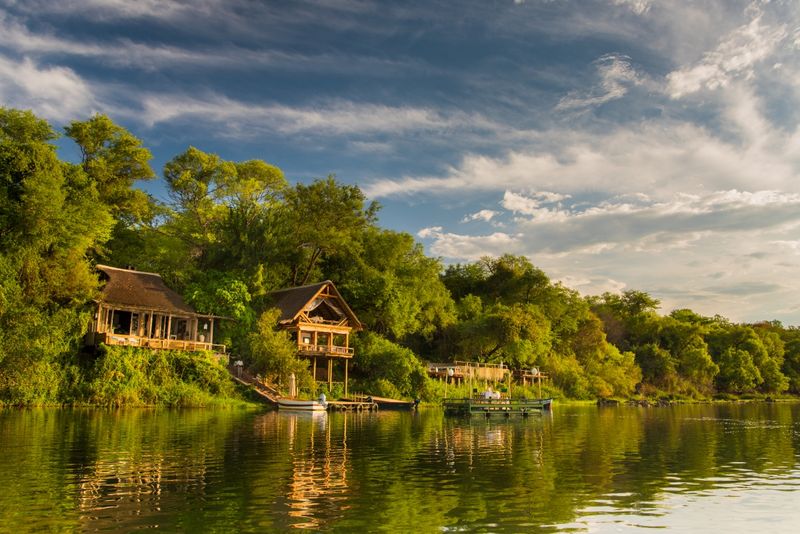
- Lower Zambezi National Park: Swap the game-drive seat for a canoe, try your hand at tigerfish angling, or settle in for a riverside sundowner. Zimbabwe’s Mana Pools National Park lies just across the water. Reach the area by a short charter from Lusaka or a road-and-boat transfer that can take most of the day.
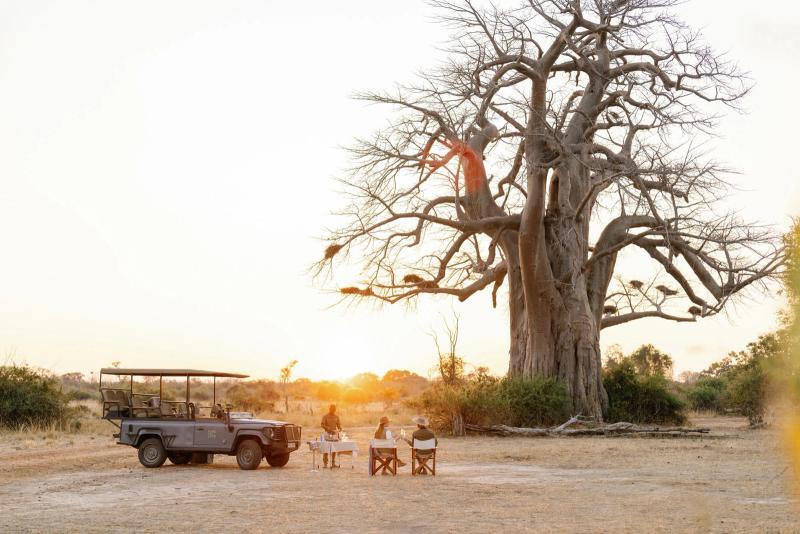
- Kafue National Park: At around 22,400 km², Kafue is one of Africa’s largest national parks, yet sees relatively few visitors. In the north, the Busanga Plains are a seasonal highlight, known for their wildlife and accessible by air when camps are open.
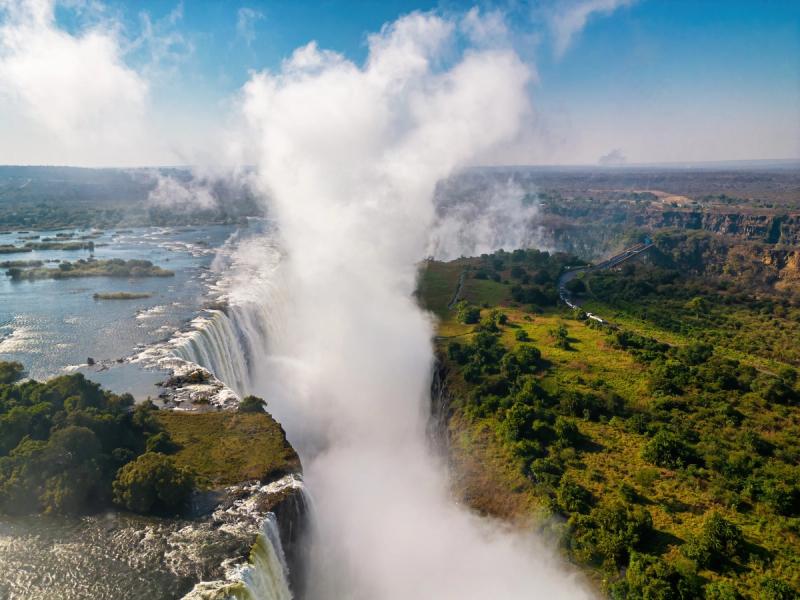
- Victoria Falls: Known locally as Mosi-oa-Tunya, “the smoke that thunders”, the falls are the largest falling curtain of water in the world when in full flood. Base yourself in Livingstone for easy access to Livingstone Island and, at low water, Devil’s Pool, a natural infinity pool right on the edge.
Travel Expert tip: A classic first trip pairs two safari areas with two or three nights at Victoria Falls. Starting in Lusaka and finishing in Livingstone (or the reverse) avoids backtracking and lines up neatly with onward flights.
2. When Should You Travel to Zambia?
Zambia doesn’t do the usual summer-and-winter routine. Instead, it has a dry season and a green season, each with its own appeal. For classic game viewing, June to October is generally your best bet, when thinning vegetation makes wildlife easier to spot around rivers and waterholes.
From roughly November to April, the landscape turns lush, migratory birds arrive, and many animals give birth. Rates can also be lower, although many remote safari camps close during these months.
Let’s unpack it in full:
Camp closures: Many camps in the Lower Zambezi and Kafue, along with some remote South Luangwa bush camps, close from around November to April. Some lodges near Mfuwe remain open year-round, so a green-season safari is still possible – with fewer camps to choose from.
Victoria Falls has its own calendar: The flow peaks around March to May, when dense spray can obscure the full curtain of water. For clearer views and a chance to swim in Devil’s Pool, aim for the second half of the year, usually mid-August to mid-January, depending on water levels.
Travel Expert tip: For a first visit, we’d lean towards June to August. You get excellent wildlife viewing without the heat that builds in October. If you can handle a 38 °C afternoon, though, October rewards you with spectacular sightings as animals crowd every remaining waterhole.
3. Do You Need a Visa to Travel to Zambia?
Since 1 January 2025, many travellers, including those from the UK, US, Canada, Australia and most EU countries, can visit Zambia visa-free. Other nationalities may need a visa, which can often be arranged online as an eVisa.
Your passport must be valid for at least six months from your date of entry and have at least three full blank pages. Entry requirements can vary depending on your nationality and travel route, so we recommend confirming the latest requirements with the relevant authorities before departure.
What Is the KAZA Univisa?
Fancy seeing Victoria Falls from both sides or spending a day among Botswana’s famous elephant herds in Chobe National Park? The KAZA Univisa costs USD 50 and allows eligible travellers multiple entries into Zambia and Zimbabwe over 30 days, plus day trips to Botswana through the Kazungula border.
It’s available at selected entry points, including Lusaka and Livingstone airports and the Victoria Falls and Kazungula border posts. Check the latest eligibility requirements before travelling.
Travel Expert tip: If you’re visiting the falls from both sides, compare the Univisa’s cost with the individual visas you’d need. Our Travel Experts can help you choose the best option.
For a country-by-country visa overview, read our guide: Do I need a visa for Africa to go on a safari?

4. How Much Does a Zambia Safari Cost?
We know you’re dying for the digits, so here’s the scoop: a luxury Zambia safari stay typically costs between USD 800 and USD 2,500 per person per night sharing, with sole-use villas and private houses going higher. Most camp rates are fully inclusive, so the nightly figure covers far more than a bed. Trust us – it’s worth it.
Usually included: Accommodation, all meals, local drinks, scheduled activities such as game drives, walks, and water-based activities (where applicable), park fees, laundry, and transfers from the nearest airstrip.
Usually not included: International flights, internal flights and charters, visas, premium wines and spirits, gratuities, travel insurance, and Victoria Falls activities such as Devil’s Pool or a helicopter flight.
What Affects the Price?
- Season: July to October commands peak rates. Shoulder and green-season stays can cost less at camps that remain open.
- National Park: South Luangwa National Park offers the widest spread of options. Remote areas such as the Busanga Plains cost more to reach.
- Accommodation: Where you rest your weary bones makes the biggest difference. Camp size, the guide-to-guest ratio, and a private vehicle all push the price up.
- Fly-in versus road transfers: Charters cost more but can replace a full day on the road with an hour in the air – often worth it on a short trip.
For the lodges we’d recommend, browse our top safari options in Zambia.
5. What Practical Things Should You Know Before Travelling?
None of this is complicated, but it’s exactly the stuff that trips people up on arrival. Here’s the short version.
Money Matters
- Zambia’s currency is the kwacha (ZMW), used for everyday purchases in towns.
- US dollars are widely accepted at lodges and for visas and park fees. Bring crisp, undamaged notes printed after 2013 in small denominations – older or torn ones are often refused.
- ATMs are available in Lusaka and Livingstone but can be unreliable, and you won’t find any in the parks. Most lodges take cards, with Visa more widely accepted than Mastercard.
Health Precautions
- Malaria: There’s a risk all year, peaking in the rainy season. Speak to a travel-health professional about antimalarials well before you travel, and use insect repellent, long sleeves at dusk, and mosquito nets.
- Ebola screening and pre-arrival forms: Travellers entering Zambia are currently required to complete an online health screening form before arrival. Once submitted, it generates a QR code to present at the port of entry. Requirements and screening measures may change, so check the latest official guidance and complete any necessary forms before departure.
- Yellow fever: You’ll need a vaccination certificate if you're arriving from a country with a risk of yellow fever transmission, or have spent more than 12 hours transiting through an airport in one. Requirements can vary along your route, so check the latest guidance for Zambia and any onward destinations before travelling.
- Water: Don’t drink tap water. Lodges provide filtered or bottled water.
- Tsetse flies: Found in parts of South Luangwa and Kafue national parks, they’re drawn to dark blue and black, so leave the navy shirts and jeans at home and pack khaki, olive, and beige.
Getting Around
- Both road and flight transfers are widely available.
- Light aircraft have strict luggage limits, sometimes as low as 12 kg, so pack like a minimalist and bring a soft-sided bag. Most camps include a daily laundry service, so you’ll have fresh clothing every day – no need to be super fashionable!
Departure Taxes
Zambia’s international departure tax is generally included in your airline ticket, so there’s one less thing to dig your wallet out for at the airport.
Electricity, Plastic, and Etiquette
- Power: 230 V, with Type G, C, and D plugs most common. Remote camps often run on solar with limited charging points, and towns experience scheduled power cuts, so it’s wise to pack a power bank.
- Plastic bags: Zambia restricts single-use plastic carrier bags, so swap them for reusable bags and fabric toiletry pouches.
- Language: English is the official language and widely spoken, alongside more than 70 local languages.
- Etiquette: Greet people before asking a question (launching straight into directions without a hello comes across as rude), ask before photographing anyone, and never photograph police, military, or government buildings. Dress modestly in towns and villages.
Travelling to Zambia... Are You Ready?
Zambia takes a little more planning than some safari destinations, but for explorers, it’s a dream. Get the timing, routing, and paperwork right, and you can focus on what you came for.
Ready to start packing? Speak to a Rhino Africa Travel Expert, and we’ll match the season, camps, and flights to the safari you have in mind.