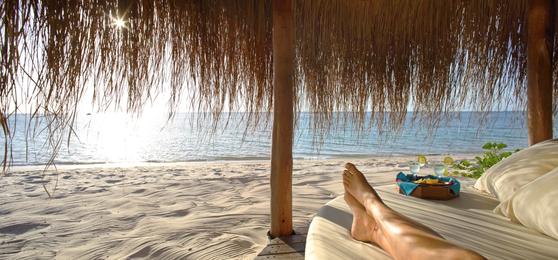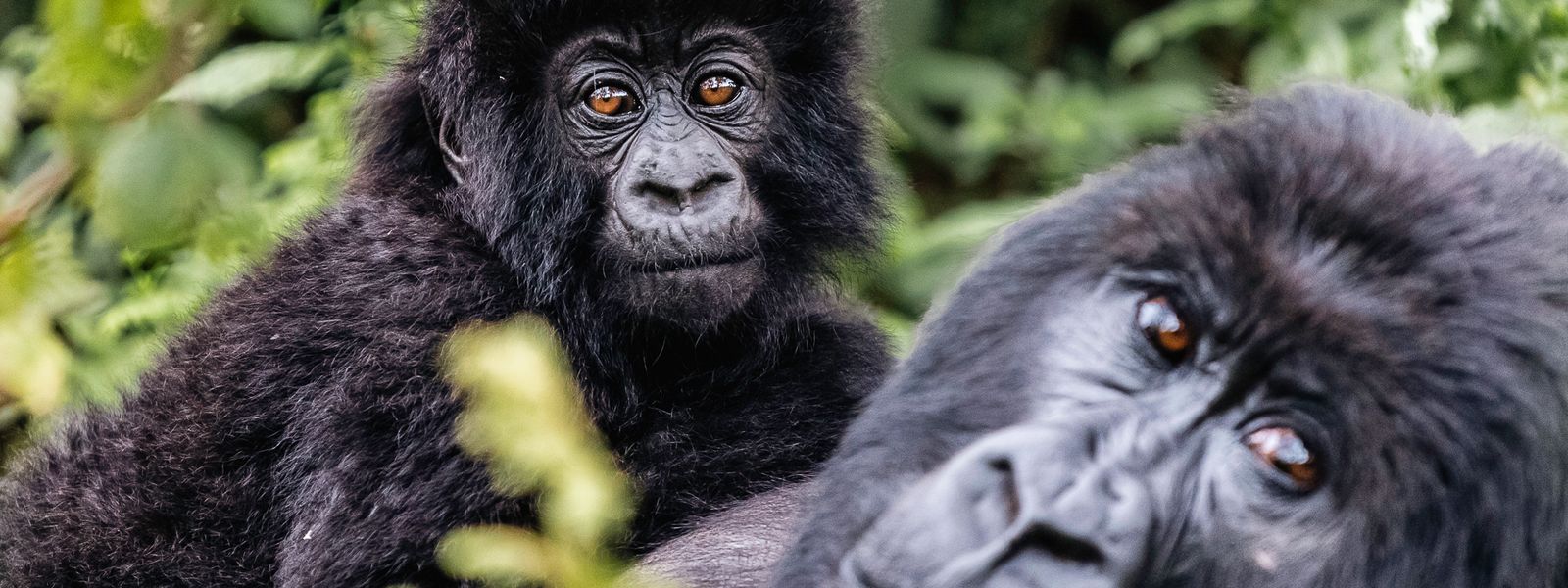

As a seasoned African traveller, I've been fortunate to tick many items off my African travel bucket list and have had my fair share of magical moments, from soaring above the Maasai Mara in a hot air balloon to meeting a leopard's eyes in the Sabi Sand. But when speaking with industry colleagues, one destination keeps being mentioned as a standout: Rwanda. There's clearly something undeniably different about this country, and its commitment to tourism plays a huge role in this experience. Inspired by this, I took a deeper look at the driving force behind Rwanda's success.
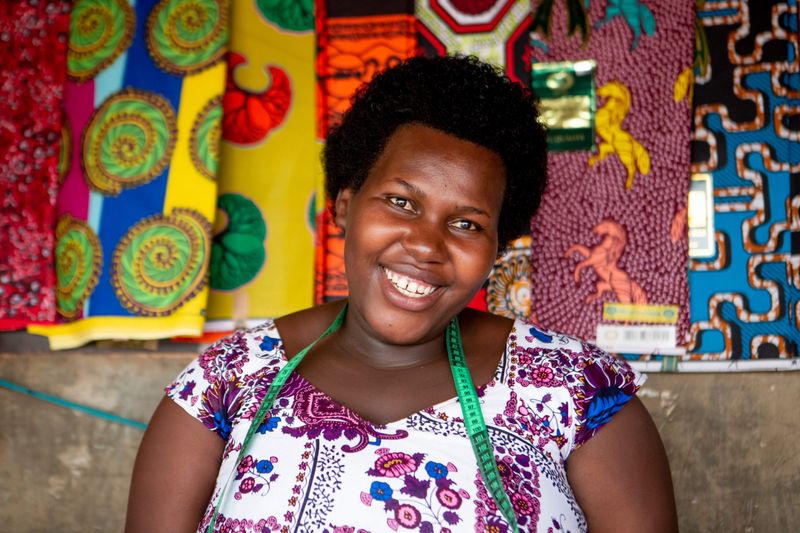
Rwanda's people are at the heart of this country's charms, Image Credit: Singita Kwitonda Lodge
Progressing from the Shadows of a Troubled Past
Rwanda has fast become a leader in sustainable tourism on the African continent. Revolutionary legislation and renewed focus have set a clear path for its future. Also known as "The Land of a Thousand Hills", Rwanda is among the greenest (both literally and figuratively) countries on our planet.
With initiatives such as banning plastic bags, prioritising wildlife conservation, and securing sustainable lodges, Rwanda is changing the very face of eco-tourism. The vibrant streets of the beloved capital, Kigali, are pristine, a rarity among African cities. On the last Saturday of every month, the public holiday Umuganda sees the entire country come together to undertake a mass clean-up. There are no discarded food wrappers or plastic bottles, making it one of the cleanest cities in Africa, and the world.
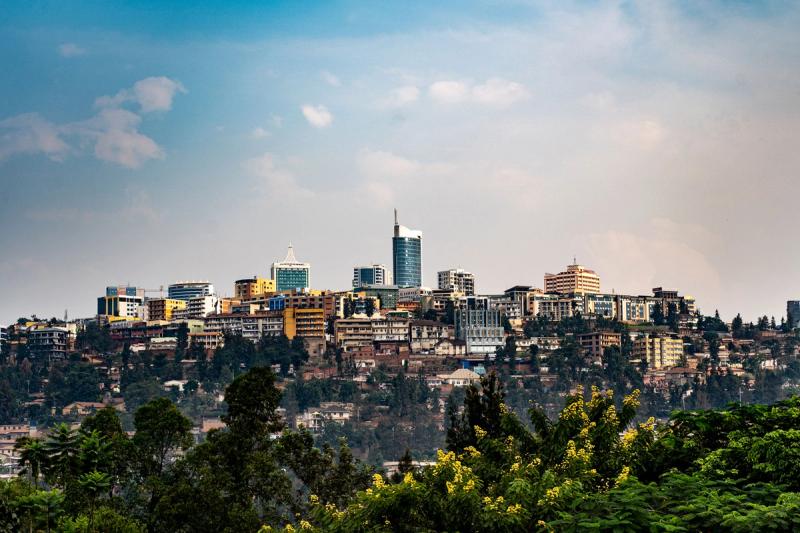
Kigali is rich in culture and history, and known for being clean and safe
More Than Meets the Eye
Rwanda’s eco-tourism model is built on conservation first. The government has treated environmental protection as central to the country’s tourism future, not as a side benefit. That focus has helped drive the resurgence of the mountain gorilla population and the complete restoration of Akagera National Park.
It has also shaped how tourism is sold. Rwanda has leaned into a high-end, low-volume model, where fewer guests pay more, putting less pressure on fragile spaces while generating stronger conservation and community revenue. Gorilla trekking is the clearest example, with permits priced at USD 1,500 per person.
Across the country, lodges extend that model through their own initiatives, from reforestation efforts at Bisate Lodge to community initiatives that empower women at One&Only Gorilla's Nest.
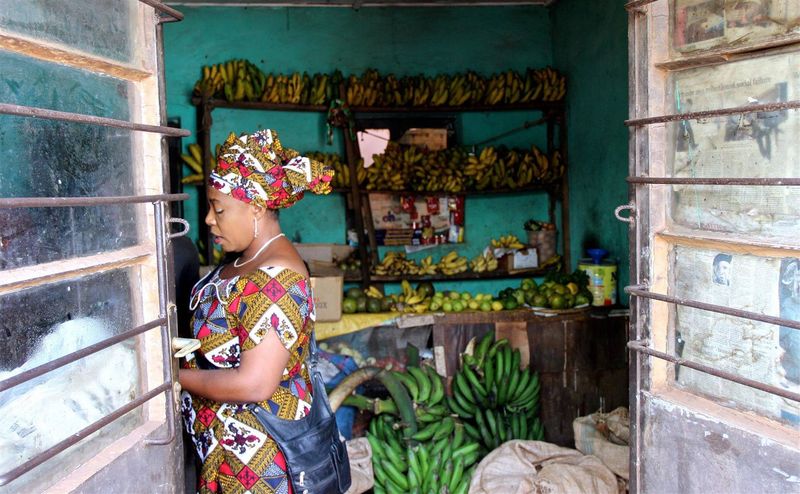
Women's empowerment forms part of Rwanda's tourism model
The Impact of Eco-Tourism in Rwanda on Locals
The tourism industry is actively empowering community members by making them key contributors to eco-tourism. As a nation, Rwanda takes collective responsibility for ensuring every visitor leaves with an incredible experience. Beyond its famous mountain gorillas, Rwanda truly shines in combining astonishing luxury with warm hospitality.
Undoubtedly, the renewed focus on tourism has brought a sense of meaning to the Rwandan people. And with their involvement, it's well on its way to being a truly symbiotic relationship.
Increased funding raised by a reinvigorated industry assists in housing and community upliftment. In return, the people of Rwanda work together to ensure this is a destination that truly touches your heart. All in all, it makes for the perfect representation of the Rwandan culture, its community, and its people.
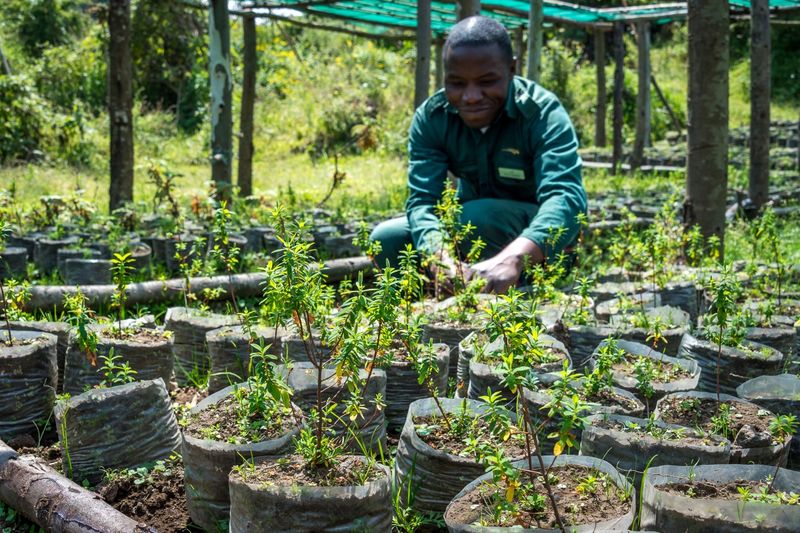
Eco-tourism in Rwanda starts and ends with its own people, Image Credit: Wilderness Bisate
Five Ways Eco-Tourism in Rwanda is Succeeding
Rwanda has implemented multiple eco-tourism initiatives, but here are just a few ways they're making a difference.
1. Prioritising the Protection of National Parks
There are so many success stories in Rwanda when it comes to national parks, particularly Akagera, Nyungwe, and Volcanoes National Parks. However, they keep fighting to protect Mother Nature by creating another legally protected area and the country's fourth national park, Gishwati-Mukura National Park.
Through these national parks, they've also managed to reintroduce species to the area, like lions to the Akagera National Park, after being extinct for two decades. They also reintroduced rhinos and kept strengthening the population in the country.
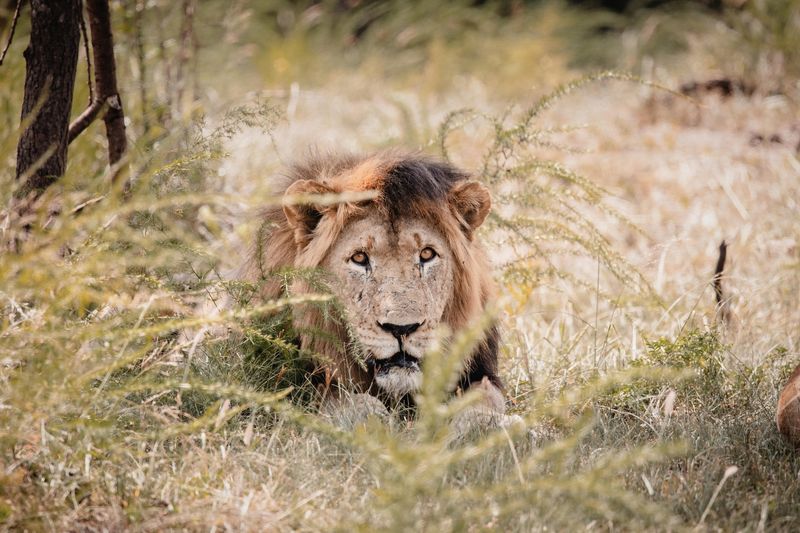
Lions were reintroduced to Akagera, making it Rwanda's only Big 5 national park, Image Credit: Magashi
2. Bringing Mountain Gorillas Back from the Brink of Extinction
Through eco-sensitive gorilla trekking and various other tourism initiatives, Rwanda has managed to protect and increase the endangered mountain gorilla population, making them the only ape species to move from being critically endangered to endangered.
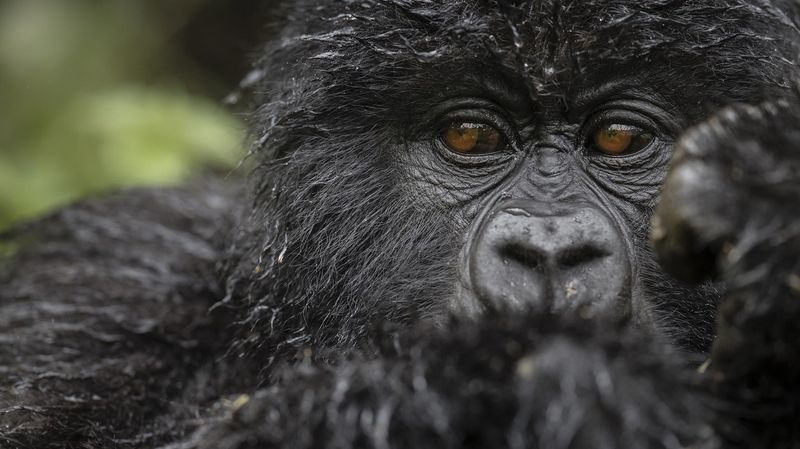
Rwanda is home to some of the world's last-remaining populations of mountain gorillas, Image Credit: Singita Kwitonda
3. Low-Impact Travel Experiences
Rwanda's low-volume, high-value tourism model is achieved by partnering with luxury lodges that share the same philosophy. Instead of opening its most sensitive ecosystems to mass tourism, the country has chosen to limit visitor numbers, reduce environmental pressure, and generate stronger conservation and community benefits per guest.
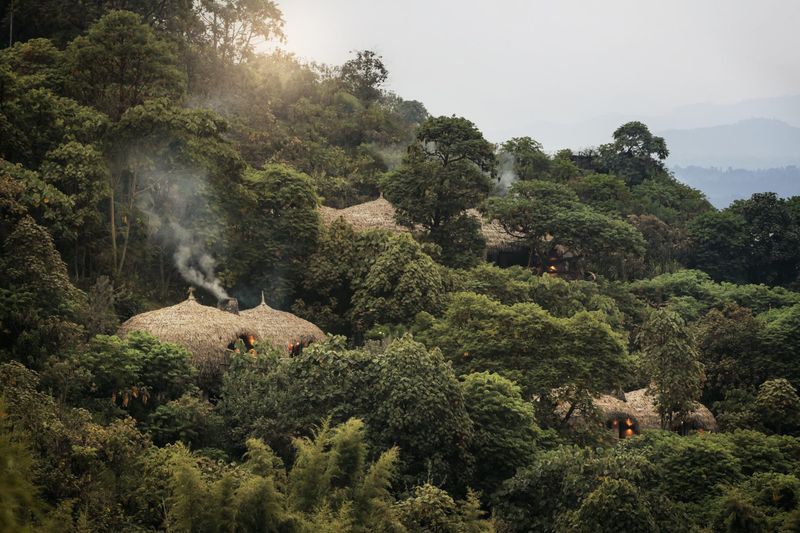
Rwanda's luxury lodges are designed to emulate the environment, Image Credit: Wilderness Bisate
4. Keeping Locals in the Spotlight
Eco-tourism is designed to benefit the people living closest to its protected spaces. A share of park tourism revenue is reinvested in surrounding communities, helping fund schools, health centres, roads, water access, and local projects. In some cases, it also supports cooperatives, small businesses, and measures to ease human-wildlife conflict.
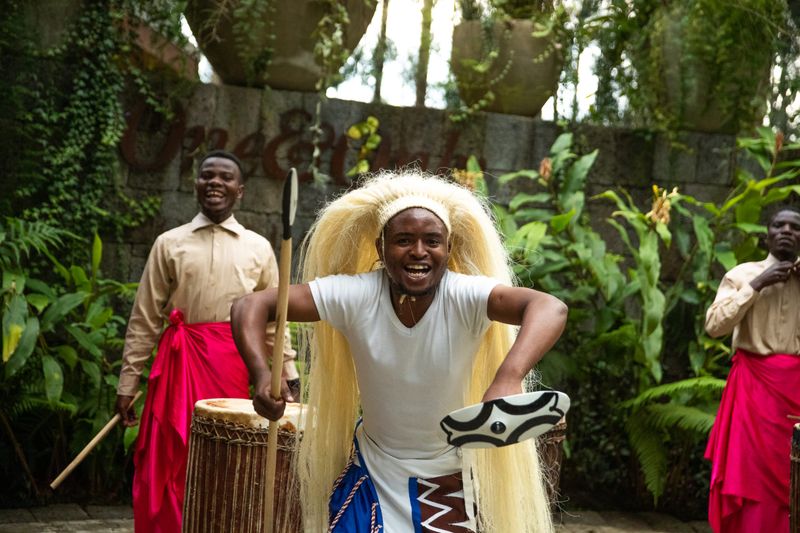
Eco-tourism in Rwanda is setting a benchmark for other African countries to follow
5. Incentivising Ecosystem Services
Rwanda has also introduced Payment for Ecosystem Services (PES) to encourage wider environmental protection. The idea is simple: people and communities who help safeguard forests, water catchments, and other natural systems can be rewarded for that work. By giving ecosystem protection clear, practical value, Rwanda is helping make conservation more participatory and sustainable.
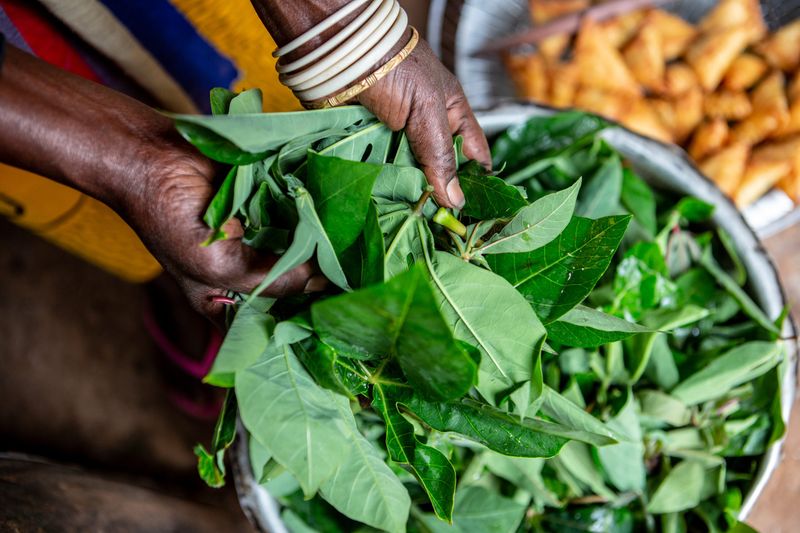
Rwanda is investing in a greener future
What Your Travel Sustains
The funds from your trip don't stop at the lodge gate. They circulate, supporting the systems that keep Rwanda’s wild places alive, neighbouring communities invested, and the wider recovery model in motion. Here's what that support helps sustain:
- Park protection → permits and park fees support conservation in national parks.
- Community revenue sharing → 10% of national park tourism revenue is invested in neighbouring communities.
- Local infrastructure → shared revenue helps fund schools, health centres, roads, and water access.
- Human-wildlife coexistence → supports measures such as crop-damage compensation for nearby farmers.
- Jobs on the ground → tourism sustains work for guides, trackers, porters, drivers, rangers, and lodge staff.
- Training and skills → supports professional training, service standards, and employability.
- Wider travel infrastructure → roads, services, and destination readiness.
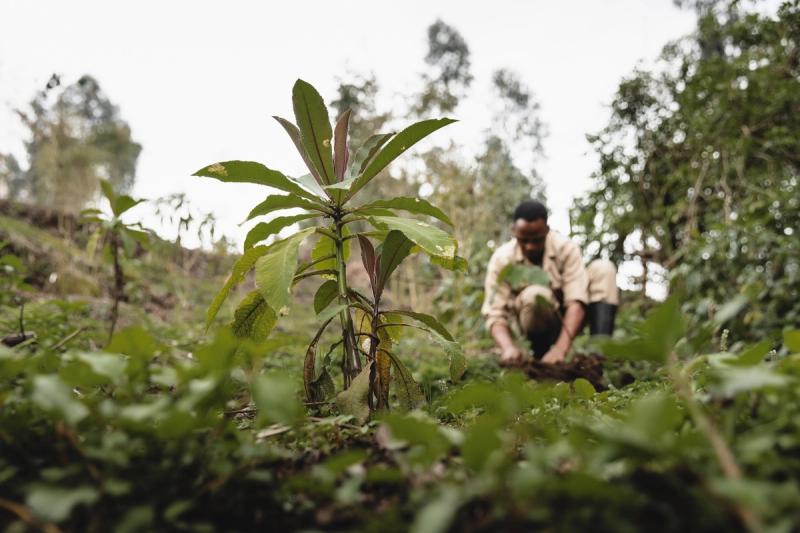
Rwanda’s conservation and sustainability success is rooted in a high-end, low-volume tourism model, Image Credit: Wilderness
Let's Get You to Rwanda
If you're planning your next African adventure, Rwanda should be at the very top of your list. And, as African Travel Experts, Rhino Africa is here to help bring your next dream holiday to life. Let's start planning the ultimate African adventure – tailored to you!