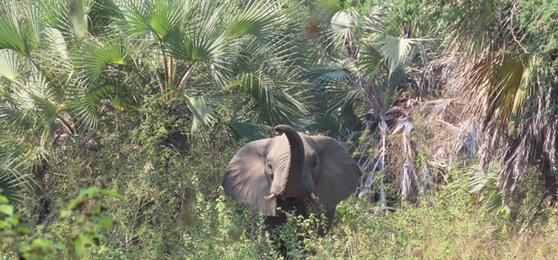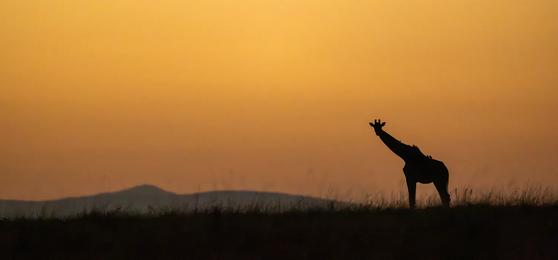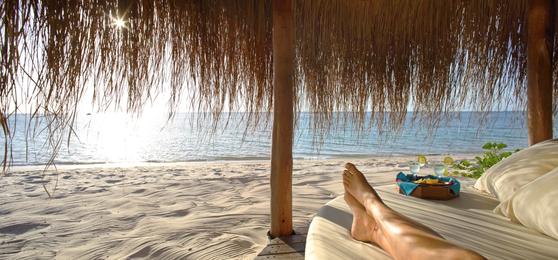

South Africa is the kind of country that makes "what do you want to do?" feel like a much bigger question than expected. Safari? Absolutely. Cape Town? Obviously. Wine tasting, whale watching, penguins, mountain roads, private reserves, and a few days doing very little at all? Also yes. That’s the beauty of it – and occasionally the challenge. This guide is here to help you navigate the options, answer the big questions, and start planning a journey that's uniquely yours.
Why Visit South Africa?
Because nowhere else gives you this much in one place.
South Africa combines the iconic wildlife experiences that draw guests to Africa with sophisticated cities, incredible food and wine, dramatic coastlines, and a cultural richness that stays with you long after you've left. It's a destination that refuses to make you choose between untamed wilderness and modern luxury. And that's a rare privilege in travel.
For international travellers, it's also far more accessible than many people expect. Well-connected airports, good road infrastructure, and English spoken throughout the country make travelling easy, while the favourable exchange rate means luxury experiences offer exceptional value.
It's no surprise that so many first-time visitors leave already dreaming about their next South African adventure.
Where Should You Go in South Africa?
South Africa rewards curiosity, and one trip is rarely enough to see it all. From cosmopolitan cities and rugged coastlines to sensational safari destinations and rolling wine valleys, every region offers something completely different. The key is knowing how they fit together.
Most itineraries are built around a handful of iconic destinations. Here's where to start.
Cape Town
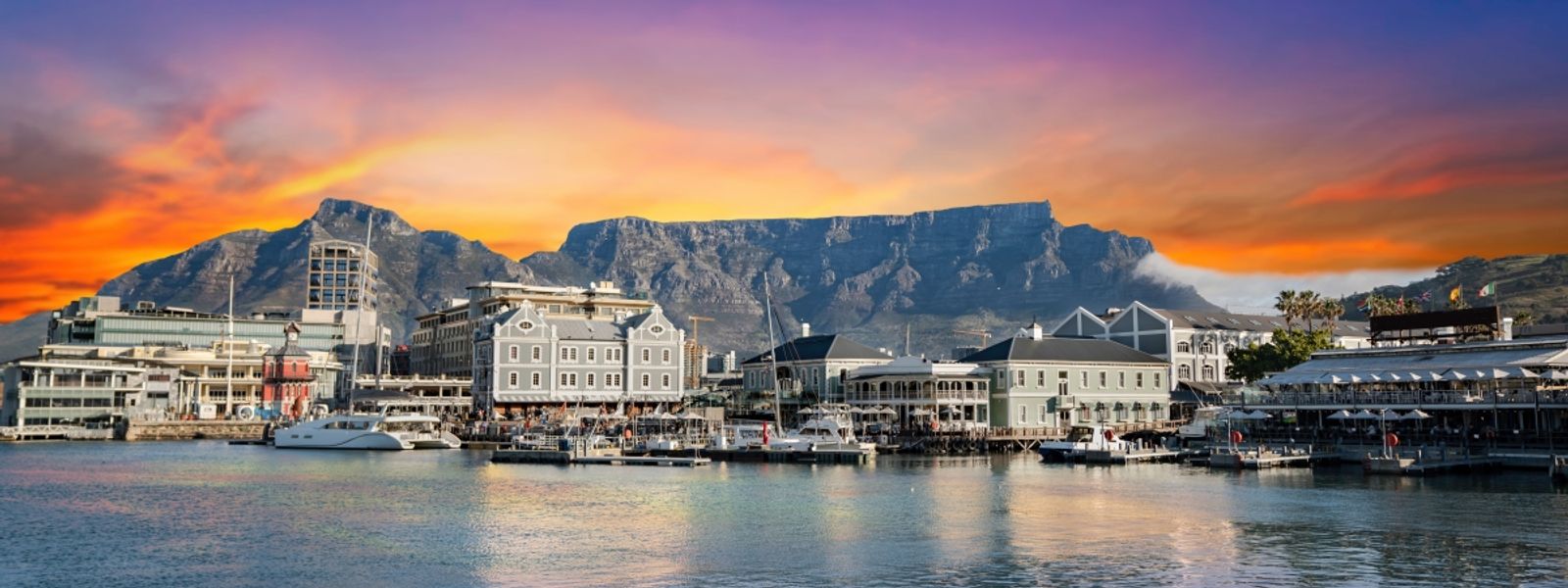
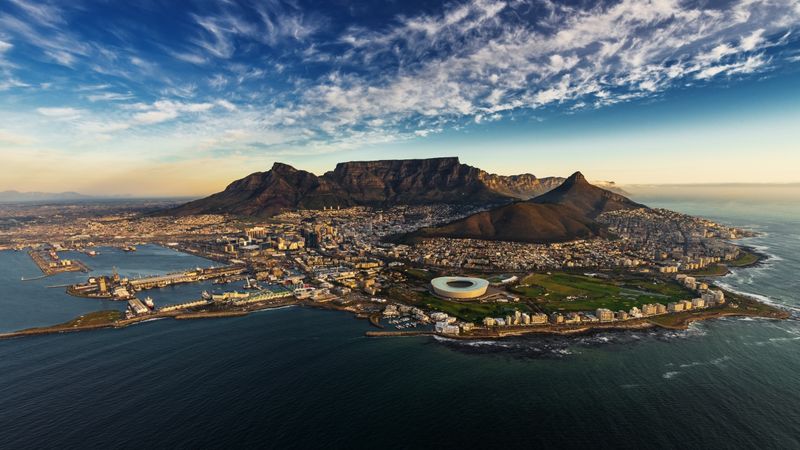
Cape Town (affectionately known as the Mother City) makes an unforgettable first impression. Table Mountain rises above the city on one side, while the Atlantic Ocean stretches endlessly on the other. Between them lies a destination where award-winning restaurants, vibrant neighbourhoods, rich history, and spectacular coastal scenery come together with remarkable ease.
Ride the cableway to the summit of Table Mountain, see the African penguins waddling about at Boulders Beach, and follow the winding roads of the Cape Peninsula. Most guests spend three or four nights here, and almost everyone leaves wishing they'd planned for one more.
Kruger National Park and Private Reserves
This is where safari dreams become reality. Kruger National Park is one of Africa's largest and most celebrated protected areas, spanning nearly 20,000 square kilometres and offering wondrous wildlife viewing year-round.
Along its western boundary lies a collection of world-renowned private reserves, including the Sabi Sand, Timbavati, Thornybush, and Klaserie. Together, they form part of the Greater Kruger ecosystem, but the safari experience here feels distinctly different.
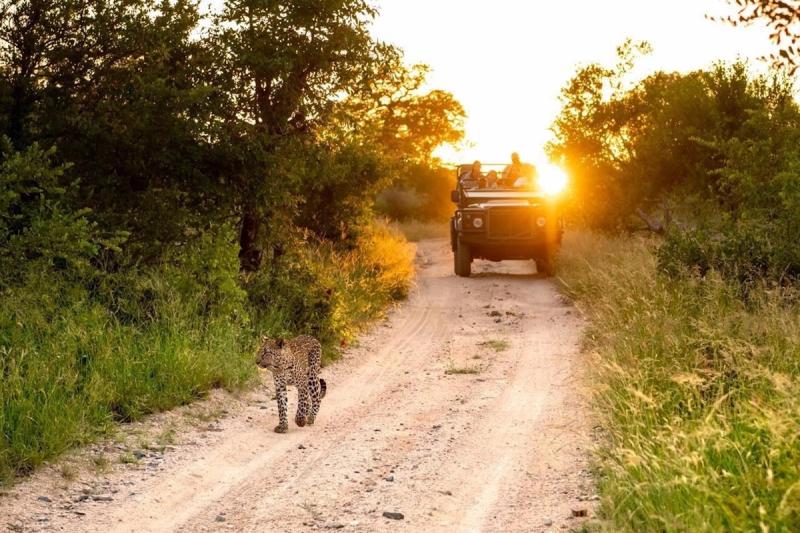
Luxury lodges pair warm hospitality with expert guides and trackers, all-inclusive stays, and twice-daily game drives in open safari vehicles. Because vehicle numbers are carefully managed, and guides are permitted to leave the road when appropriate, sightings feel quieter and far more personal.
The Cape Winelands
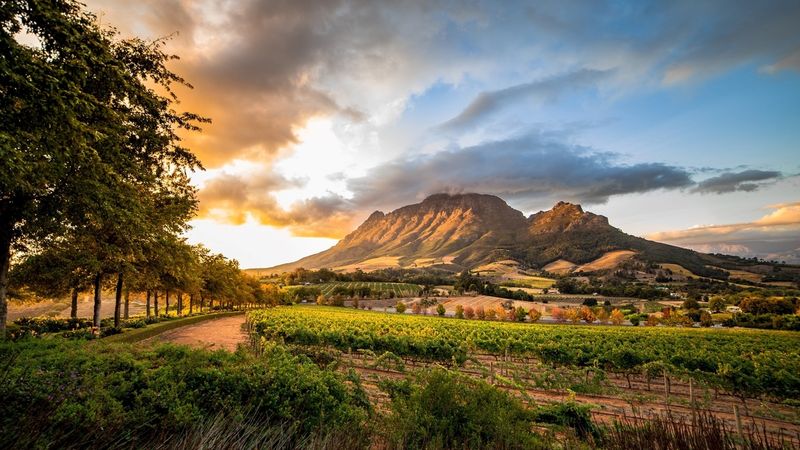
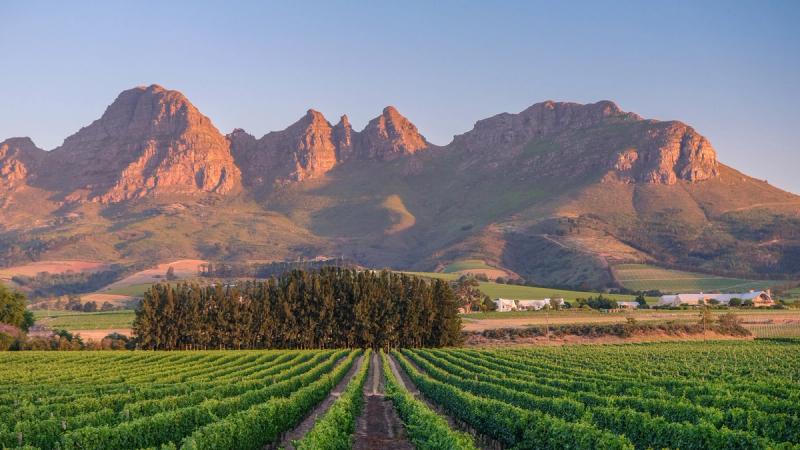
Just an hour from Cape Town, the valleys of Stellenbosch, Franschhoek, and Paarl unfold beneath vineyard-covered slopes and dramatic mountain peaks. Historic Cape Dutch estates sit among rows of vines, while oak-lined avenues lead to some of the country's most celebrated wineries and restaurants.
Franschhoek, in particular, has earned its reputation as South Africa's culinary capital, home to award-winning chefs, fairytale wine estates, and some of the country's finest dining experiences.
This is a place to slow down and savour the moment. Think long lunches overlooking the vineyards, wine tastings in centuries-old cellars, leisurely picnics beneath ancient oak trees, and golden afternoons that seem to stretch on forever. Spend two or three nights here, and you'll discover why the Cape Winelands are so often the highlight between the city and the safari.
The Whale Coast and The Garden Route
Within easy reach of Cape Town, the Whale Coast and Garden Route showcase two very different sides of South Africa's coastline. The Whale Coast, just a couple of hours from the city, is home to Hermanus, widely regarded as one of the world's finest places for land-based whale watching.
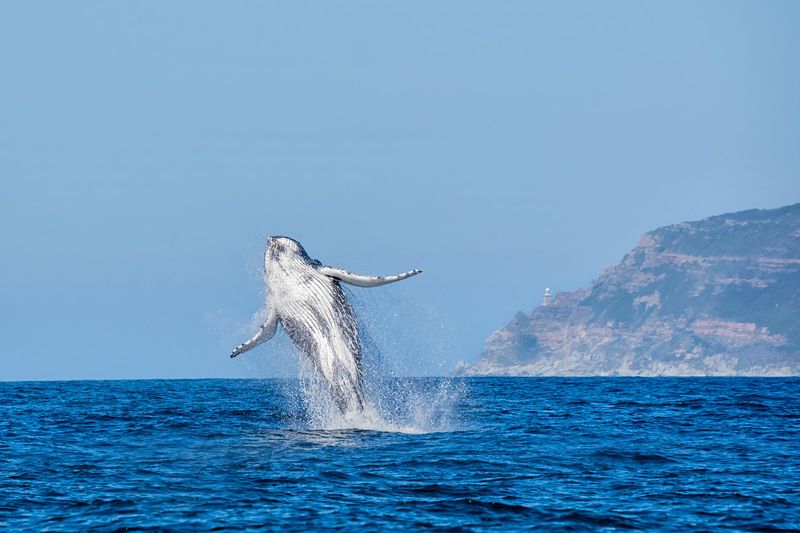
Between July and November, southern right whales arrive to calve in the sheltered bays, often surfacing just metres from the shoreline. No boat tours. No binoculars. Just one of nature's greatest spectacles unfolding before your eyes.
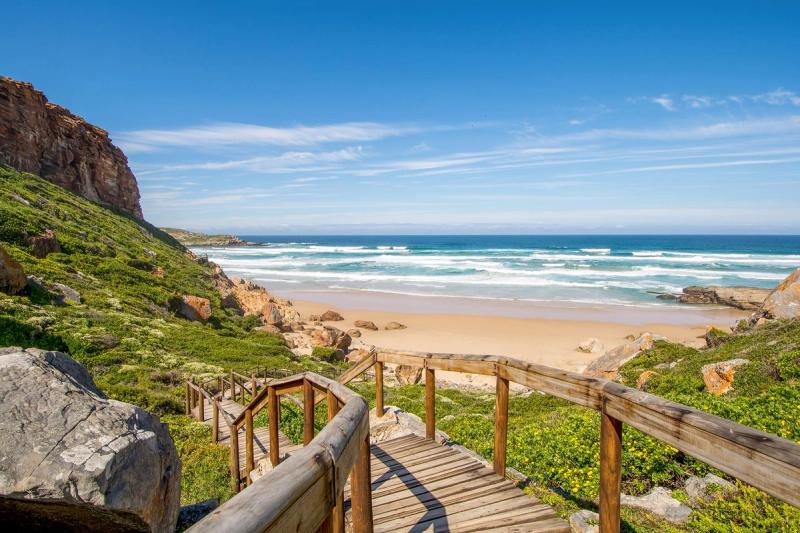
Continue east, and the landscape shifts into the Garden Route, where ancient indigenous forests, dramatic cliffs, peaceful lagoons, and long, empty beaches are connected by charming towns such as Knysna, Wilderness, and Plettenberg Bay. The journey ends in Tsitsikamma, where dense forests meet a rugged stretch of Indian Ocean coastline.
Malaria-Free Reserves
One of South Africa's greatest strengths is choice. While the iconic safari destinations around Kruger National Park are located in a malaria-consideration area, the country is also home to some of Africa's finest malaria-free reserves. That means families with young children, multi-generational groups, and travellers who prefer to avoid antimalarial medication can still enjoy a Big 5 safari.
Madikwe Game Reserve is among the country's best-known malaria-free safari destinations, renowned for its Big 5 sightings, thriving African wild dog population, and luxurious lodges.
In the Eastern Cape, reserves such as Kwandwe and Shamwari pair outstanding wildlife with family-friendly experiences, while nearby Addo Elephant National Park is one of the only places where your wildlife checklist can grow from the Big 5 to the Big 7, with great white sharks and southern right whales completing the lineup.

Still Looking for More?
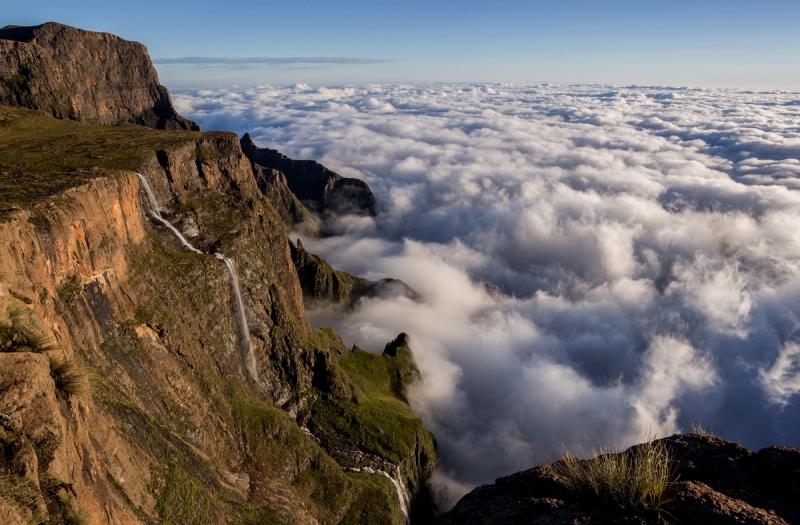
For those with a taste for the unusual, there are also some wonderful unique places to visit in South Africa beyond the well-trodden circuit – from the crimson dunes of the Kalahari to the mist-covered peaks of the Drakensberg.
How Many Days Do You Need in South Africa?
Most of our guests spend between 10 and 14 nights, which gives you enough time to do justice to at least three distinct regions without feeling like you're constantly living out of a suitcase. If you're planning a milestone trip or honeymoon, you'll want enough room to balance the exhilaration of early-morning game drives with long, unhurried afternoons in the wine valleys.
That said, here's a rough guide to what's possible at different trip durations.
Of course, these are just starting points, not hard rules. Your Rhino Africa Travel Expert will shape it around your travel style, pace, and what matters most to you.

When Is the Best Time to Visit South Africa?
Every season reveals a different side of South Africa, from safari viewing to whale watching and sun-drenched days in the Cape.
May to September (The Dry Winter)
This is prime safari season. The bush thins out, waterholes dry up, and animals congregate in predictable spots, making for incredible, easy game viewing. Days are generally warm and sunny, but early-morning game drives can be bracingly cold, so pack a proper warm layer. If a Kruger safari is the heart of your trip, this is your ideal viewing window.
October to April (The Vibrant Summer)
Cape Town and the Winelands come fully alive during these months. Long, warm days, a buzzing alfresco dining scene, and the vineyards are lush and green ahead of harvest. December and January are the most popular (and priciest) times of year. You’ll need to book a year in advance if you're considering it.
July to November (Whale Season)
Southern right whales arrive along the Whale Coast to calve, and watching them breach from the clifftops above Hermanus is one of those travel moments that genuinely stops you in your tracks.
The Shoulder Season (Our Secret)
Our team's personal favourite? April, May, and September. These shoulder months offer excellent safari conditions, lovely weather in the Cape, and far fewer crowds than in peak season. For a full monthly breakdown, our guide to the best time to visit South Africa has everything you need!
Is South Africa Good for First-Time Africa Travellers?
It's not just good, it's probably the best possible starting point. South Africa gently holds your hand through the unfamiliar without ever taking the edge off the excitement. Most first-timers arrive expecting it to be more complicated than it is, and leave wondering what they were worried about.
And yet it still feels authentically African: wild, vivid, and full of discovery. The moment you see elephants crossing the road at dawn, or a leopard draped over a branch as the light drops, nothing about that feels ordinary.
South Africa Tends to Be a Particularly Good Fit for:
- Couples and Honeymooners who want romance across very different settings. Private plunge pools overlooking the savannah one night, candlelit dinners on a historic wine estate the next.
- Multi-Generational Families looking for an active, experience-led holiday with luxury family villas, private game vehicles, and enriching experiences for every age.
- First-Time Safari Guests who want a seamless introduction to Africa's wild spaces, with expert guidance, diverse wildlife, and warm, attentive hospitality.
Is South Africa Good for Safari?
Absolutely. Few safari destinations combine exceptional wildlife viewing, luxurious lodges, and effortless travel as seamlessly as this.
The private reserves bordering Kruger National Park are famed for their wildlife encounters. The Sabi Sand is celebrated for its leopard viewing, while neighbouring reserves are home to healthy populations of lions, elephants, rhinos, buffalo, and the elusive African wild dog.
Together, the Greater Kruger ecosystem offers some of Africa's most rewarding game viewing. In the private reserves, expert guides can leave the road to follow fresh tracks, leading to sightings that feel intimate, immersive, and unhurried.
The lodges are just as memorable, ranging from beautifully appointed canvas camps to ultra-luxury retreats with private plunge pools, outdoor showers, and butlers who somehow know you'd like a G&T at exactly the right moment. For inspiration, explore our guide to South Africa's top luxury safari lodges.

Can South Africa Be Combined with Other Countries?
Southern Africa's greatest destinations naturally complement one another. Adding even a few nights across the border can transform a great trip into something that stays with you long after you have landed home.
Popular Combinations Include:
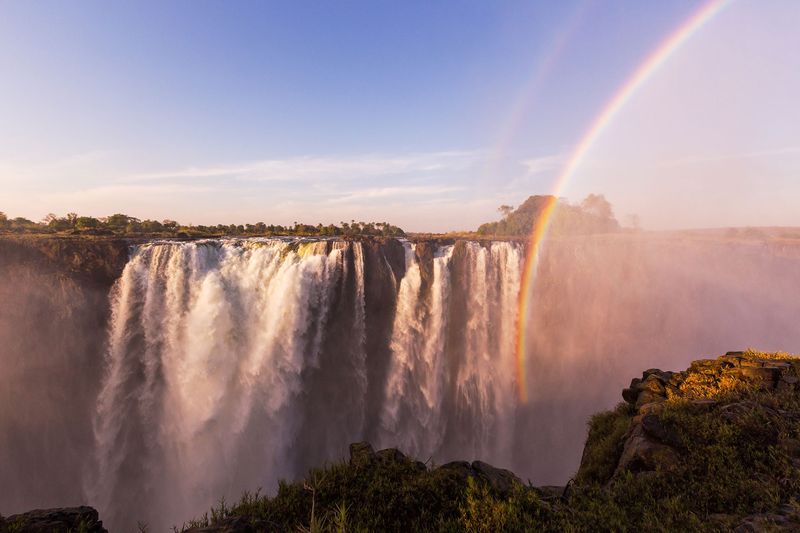
- Victoria Falls (Zimbabwe/Zambia): The world's largest waterfall is an easy flight from Johannesburg or Cape Town and adds a dramatic natural wonder to any itinerary. Most guests spend two to three nights here.
- Botswana: Home to the Okavango Delta, Chobe National Park, and some of Africa's most exclusive safari camps, Botswana offers a more immersive wilderness experience, where water-based safari experiences and remarkable wildlife encounters contrast beautifully with South Africa's variety.
- Mozambique: For the ultimate "bush and beach" combination, you can fly directly from a Kruger airstrip to the turquoise waters and white-sand private islands of the Bazaruto or Benguerra Archipelagos for exceptional diving and fresh seafood.
- Namibia: Perfect for those with a taste for surreal, vast desert landscapes, soaring red dunes at Sossusvlei, and stark, haunting coastlines.
Ready to Start Planning?
South Africa has a way of exceeding expectations. One day you're watching penguins waddle along a white-sand beach; the next, you're tracking leopards through the bush at first light. Add world-class wine, dramatic coastlines, vibrant cities, and some of Africa's finest luxury lodges, and it's easy to see why so many guests return time and again.
All that's left to do is decide where your journey begins. Speak to one of our Travel Experts, and we'll craft a tailor-made itinerary that brings your South African adventure to life.