Zimbabwe is not the kind of safari destination that gives you the same feeling from start to finish. For Rhino Africa Travel Expert Gillian Meyer, that is part of what keeps drawing her back. On her most recent trip through the country, she moved from the force of Victoria Falls to the floodplains of Mana Pools, the lake light of Kariba, and the elephant-rich scale of Hwange. Each stop felt different, but together they formed a route that showed just how varied and rewarding safari in Zimbabwe can be. This is how her journey unfolded, and why she continues to recommend it to guests today.

Victoria Falls: The Energetic Beginning
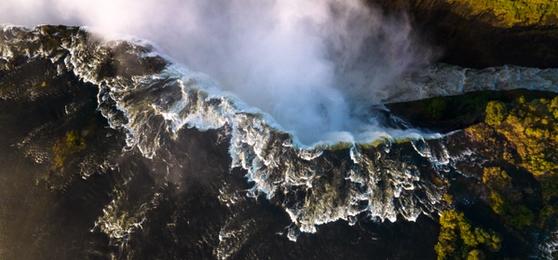
Gillian heard Victoria Falls before she saw it – that deep, continuous rush of cascading water. What followed was a spray in the air, felt as she meandered the rainforest paths. Then she reached the edge and gained the first glimpse of the Zambezi River hurling itself into the gorge below. Absolutely breathtaking. That immediate sense of force and exhilaration is one of the reasons Gillian often likes to open a Zimbabwe itinerary here.
Victoria Falls gives guests an immediate sense of scale and energy before the route moves into quieter, wilder safari country. The experience extends well beyond the Falls themselves, too, with river cruises, helicopter flights, restaurants, and rainforest walks all adding to the feeling that the trip has begun at full pace.
It’s scenic, yes, but it’s also social, active, and completely alive.

Staying at Victoria Falls River Lodge gave Gillian a more grounded counterpoint. Set right on the river, it offered a quieter way of experiencing the Zambezi River beyond the spectacle of the Falls. That contrast worked beautifully for her. She could lean into the scale and excitement of Victoria Falls, then return to the slower pleasure of sitting by the river and watching it move at its own pace.
Starting a Zimbabwe safari at the edge of a natural world wonder gives the itinerary energy and momentum at the outset, then allows the rest of the route to flow into places that feel calmer and more deeply immersed in the African wilderness.
“Victoria Falls is exhilarating, scenic, and full of energy from the very start.” – Gillian.

Mana Pools: The Serene and Surreal
From Victoria Falls, the route follows the Zambezi River inland into a very different kind of Zimbabwe. The energy drops away, the crowds thin out, and the landscape opens into something quieter and far more elemental. By the time Gillian reached Mana Pools National Park, she had moved beyond the exhilaration of the Falls and into a part of the country that felt more remote and much closer to the bush itself.
Mana Pools feels raw and wild. Vehicle density is low, the floodplains stretch wide, and there is a sense that the reserve has not been overly mediated for guests. For Gillian, that was part of what made it so compelling. It felt serene and surreal at once, with space, silence, and openness shaping the experience as much as the wildlife did.
That feeling deepened at Nyamatusi. Set near the southern confluence of the Zambezi River, the lodge gave Gillian a front-row view over a floodplain that seemed to hold everything at once: elephants, hippos, water, and shifting light. What made it special was not simply the comfort, though that was certainly there, but the way the lodge sat so naturally within the environment.
She could enjoy a sundowner drink by the plunge pool and still feel held by the landscape rather than removed from it.

Wildlife moved constantly through the scene around Nyamatusi. From the balcony, Gillian watched elephant families crossing the water, their trunks just above the surface, the younger ones nudged and guided by mothers and matriarchs as they made their way to higher ground.
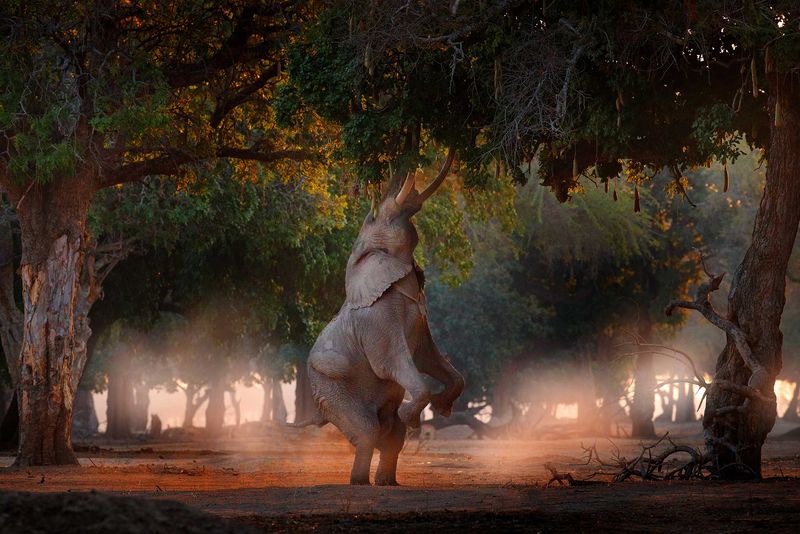
But the lodge was only the beginning. Out in the reserve, the sense of wonder deepened even further. It was there that Gillian saw the famous “dancing elephants” of Mana Pools, bulls rising onto their hind legs to reach the upper branches of ana trees, one of the behaviours for which this part of Zimbabwe is best known.
From the gentle giants to the quick, nimble, and often elusive, Gillian witnessed a pack of African wild dogs. She loved the sighting for the energy it brought: full of life against the calm of the floodplains. And beyond that, she was fortunate enough to see not one, not two, but three leopards – an awe-inspiring experience.
Witnessing wildlife from your lodge and the window of a safari vehicle is certainly exciting, but Gillian says the best way to experience it all is actually on foot. The park is renowned for its walking safaris, which have been part of the reserve’s identity since the park opened in 1963. Over time, many animals have become accustomed to people moving through the area on foot, which adds a very particular quality to the experience.
Each sighting Gillian experienced just added another layer to a reserve already rich in character. And it was only the second stop of her trip.
“The magic of Mana Pools is how close it brings you to the bush.” – Gillian

Lake Kariba: The Strange And Beautiful Pause
Adding Lake Kariba to her itinerary meant that the texture of Gillian’s journey changed entirely.
Until then, Zimbabwe had moved through spectacle, wildlife, and the immediacy of the bush. Kariba worked on her differently. It was less about sightings and more about atmosphere, mythology, and the sense that the landscape held stories of its own. She experienced the lake as mystical and otherworldly, with a mood that felt older and harder to define than the places that had come before it.
That feeling came through most strongly on the water. Sunset cruises here carried a different feeling from those elsewhere on the route. At night, the little fishing boats scattered across the lake made the place feel local rather than merely scenic. There was life happening out there in the form of business, routine, and the realities of people who call the lakeside home, which gave the whole experience more depth.

Back on land, Bumi Hills Safari Lodge gave Gillian a very different vantage point on Kariba. Perched high above the lake in northern Zimbabwe, with sweeping views across the water and towards the Zambezi escarpment, it brought in a more elevated, restorative side of the journey.
The lake-facing rooms, strong service, and welcome relief of air conditioning after the October heat all mattered, but so did the setting itself. From up there, Kariba felt vast, still, and quietly storied. It gave the itinerary a chance to exhale, offering contrast after the more rugged safari stretches and allowing Gillian to experience the water not only from a boat, but also from above, in all its scale and calm.
Kariba’s role in the route was not incidental. It added rest, perspective, and another kind of beauty to the overall experience.
That broader sense of place was what opened the door to the cultural and spiritual side of Kariba, too. The story of Nyami Nyami, the river god revered in the region, is part of how local people understand the lake and its power. For Gillian, that mythology, together with the area’s layered history and the working life she saw out on the water, gave Kariba far more weight than a simple scenic stop. It felt like a place shaped not only by landscape, but by memory, belief, and the lives built around it.
“Lake Kariba felt otherworldly, but also deeply lived-in once you saw the fishing boats and the life on the water.” – Gillian.

Hwange: Elephant Country And Classic Wilderness
After the quieter strangeness of Lake Kariba, Gillian arrived in Hwange National Park and found the journey opening back out again. This was Zimbabwe in a more classic safari register, but no less distinctive for that. Where Mana Pools had felt intimate and floodplain-led, Hwange felt broader in scale and heavier with wildlife.
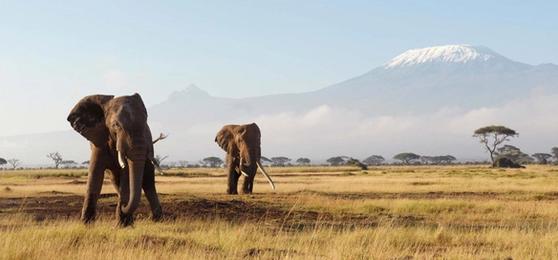
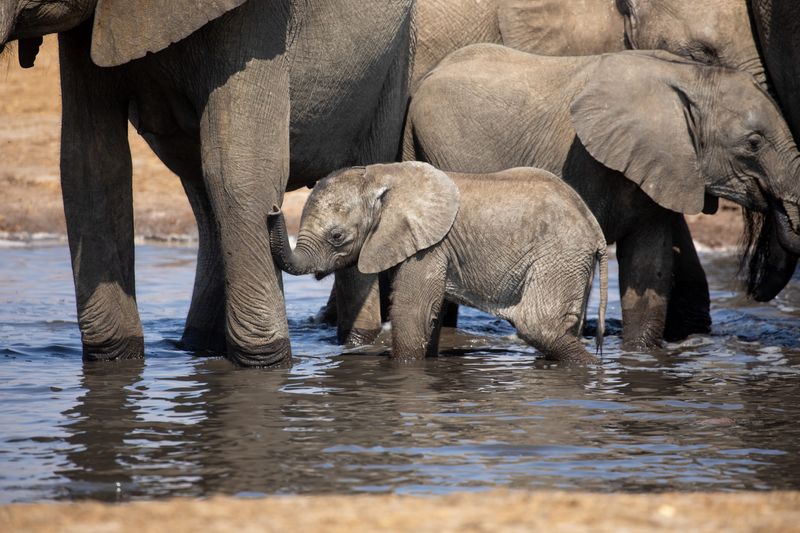
The grandest part of the experience for Gillina? Elephants. And lots of them. We’re not talking one or two elephant sightings, but hundreds of them. Gillian witnessed herds gathering in ways that felt both magnificent and slightly intimidating; the scale of them changed the whole mood of the park for her. These were not background animals glimpsed between other moments. They were the defining force in the landscape.
And the land itself reinforced that feeling. Hwange didn’t hold to one visual mood for long. It shifted between open plains, islands of vegetation, and thicker bush, often within the same drive. There was a sense of movement and unpredictability to the park, as though it was always rearranging itself around the wildlife moving through it.
The wildlife and land it inhabited became all the more legible when Gillain was taught how to see it properly. Zimbabwe has a long-standing reputation for excellent guides, and in Hwange, Gillian understood exactly why. Her guide had that rare ability to make the reserve feel both expansive and legible at once, shaping the experience without ever overworking it. She valued the way he read the landscape so intuitively, allowing each drive to unfold with confidence and ease.
And while the elephants and ever-changing landscape are central to Hwange’s appeal, one unexpected detail stayed with Gillian just as strongly: the railway line cutting through the park. As she moved through the bush, it appeared alongside her – visually striking, slightly interruptive, and utterly intriguing. And this is no ordinary track. Part of the old Bulawayo–Victoria Falls railway, it was laid in the early 1900s during Cecil Rhodes’s grand, unfinished Cape to Cairo scheme, which imagined a continuous British-controlled rail link running the length of the continent.
Today, the line is still operational, carrying both freight and passenger services between Bulawayo and Victoria Falls. As unassuming as it was, it reminded Gillian that this landscape carries more than wildlife alone.
“The railway line made Hwange feel layered in a way I hadn’t expected, with history running right through the wilderness.” – Gillian
How Gillian Would Plan Your Zimbabwe Safari
Having travelled through Zimbabwe many times and experienced this route in full, Gillian likes to build an itinerary around contrast, allowing each stop to reveal a different side of the country.
A route she often enjoys shaping looks like this:
- Begin at Victoria Falls: Start with the energy of the Zambezi, the rainforest paths, and the adventurous opening that this part of the country does so well.
- Then move to Mana Pools: This is where the pace changes. The experience becomes quieter, more immersive, and far more rooted in walking safaris and wilderness.
- Add Lake Kariba in the middle: Kariba works beautifully as a point of contrast in the itinerary, bringing in atmosphere, mythology, and a completely different relationship with the water.
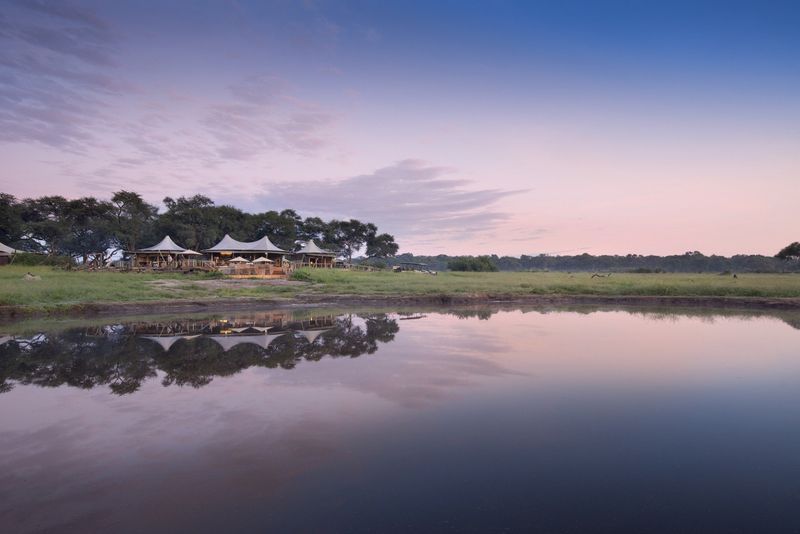
- End in Hwange: Finish with huge elephant herds, varied landscapes, history, and the classic safari weight that gives the route such a memorable close.
For Gillian, this kind of Zimbabwe itinerary often suits guests who have already experienced safari and want something with more range, more adventure, and more variety from one stop to the next. It can also work very well for multi-generational families or families with older children and teenagers, especially because the route offers such a broad mix of activities, settings, and lodge styles.
Timing is something she would always shape around the guest. That said, June and July can be excellent months to travel, particularly for more comfortable temperatures and enjoyable walking conditions. For other guests, priorities such as wildlife concentrations, photography, or overall pace may point to a different time of year.
Planned thoughtfully, Zimbabwe becomes one of Southern Africa’s most rewarding safari experiences.
A Different Perspective On Safari
Few destinations shift your understanding of safari quite as completely as Zimbabwe does. It does not replace the African experience that you know; it deepens it.
If you think you’ve already seen what safari can be, Zimbabwe has a very good way of proving otherwise – and we’d love to help you experience it for yourself. Reach out to one of our Travel Experts today, and let’s get you into the wild.