
Ever wonder why a travel company names itself after a giant, prehistoric tank of an animal? It’s not a slick branding trick, and it definitely wasn't picked just because it looks cool on a T-shirt. For us, the rhino is the ultimate symbol of what’s at stake, because if the wild Africa we love disappears, so do we.
The Story Behind the Name
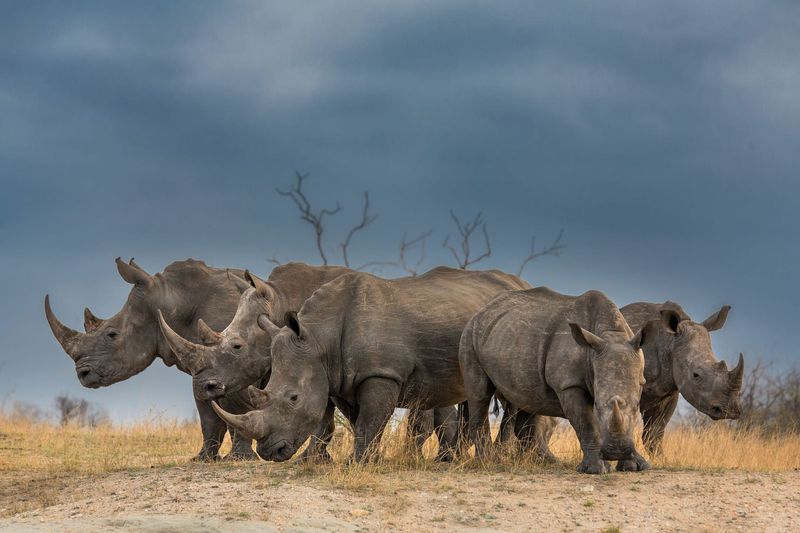
Back in 2004, our founder, David Ryan, sat at a kitchen table in Cape Town trying to name a company he'd built out of a lifelong love for this continent. He landed on the rhino not because it was his favourite animal, but because of an encounter in Kruger National Park he's never quite been able to explain – the sense of standing near something ancient that had outlasted almost everything.
Two decades later, David puts it simply:
"If the rhino disappears, so do we. If conservation fails, so do we."
And that brings us to the question at the heart of this story: beyond seeing rhinos in the wild, what does their conservation have to do with your safari?
Why Rhinos Matter
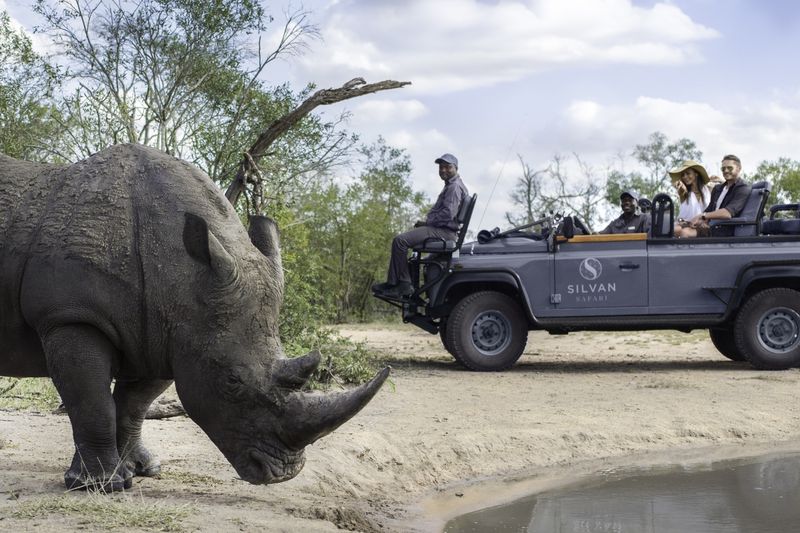
Rhinos, in various forms, have been around for millions of years. They’ve outlasted ice ages, wandered through spaces that no longer exist, and shaped the ecosystems they’ve moved through along the way. They are, in many ways, extraordinary survivors.
Today, the rhino is one of the most recognisable symbols of African conservation. Its recovery shows exactly why.
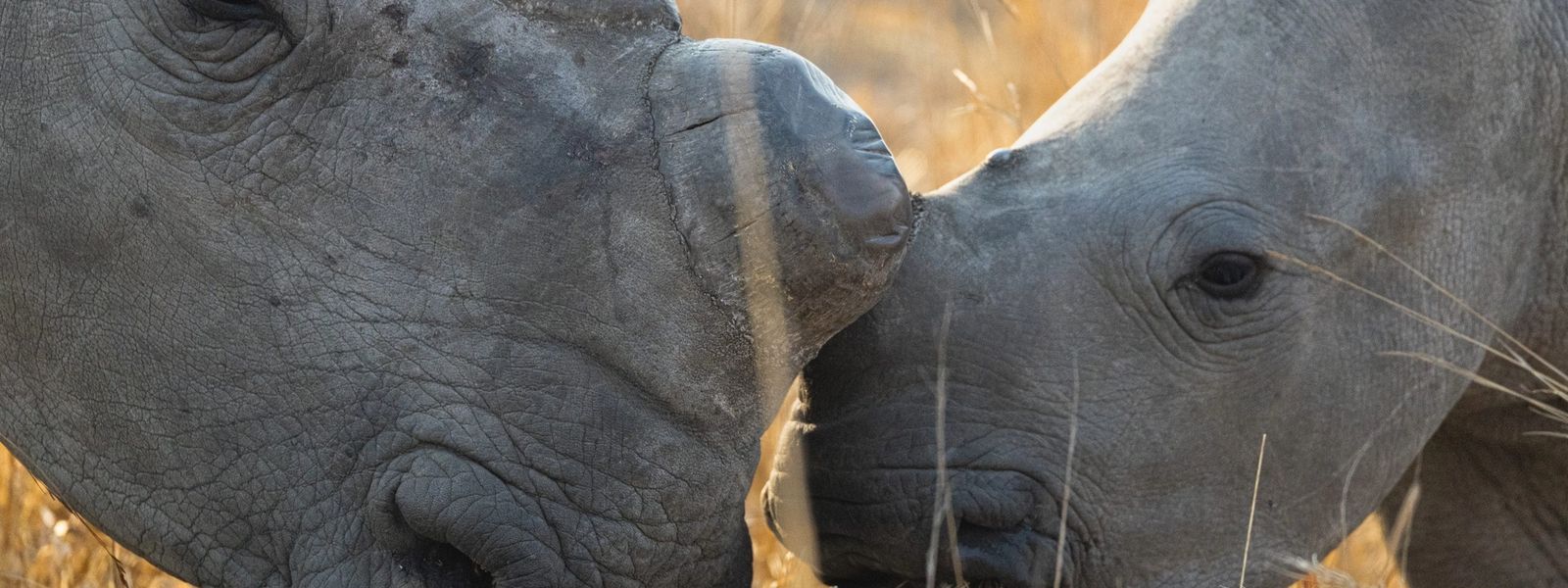
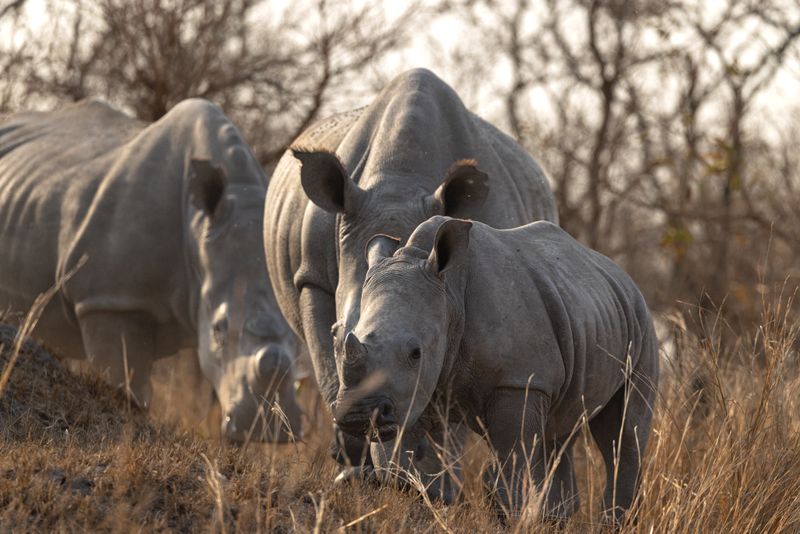
By the early 20th century, fewer than 100 southern white rhinos remained. Their future looked deeply uncertain. But conservation efforts came together to make the seemingly impossible possible. Decades of fierce, relentless grit pulled them back from the brink.
But the fight isn’t over.
Rhinos remain under threat, and keeping them safe takes constant effort. The Kruger National Park in South Africa currently supports around 2,000 white rhinos, with an ambitious goal of growing that number to 12,000.
Reaching that goal will mean finding new ways to protect them, expanding the habitats where they can thrive, and making sure the people living alongside them have a reason to value their survival.
The comeback shows us what conservation can achieve. The next chapter asks a harder question: how do we keep it going?
The People Behind the Rhino
A rhino in the wild needs very little from us. It moves on its own terms, grazing, resting and wandering through the landscape. Keeping one safe, however, is another matter entirely.
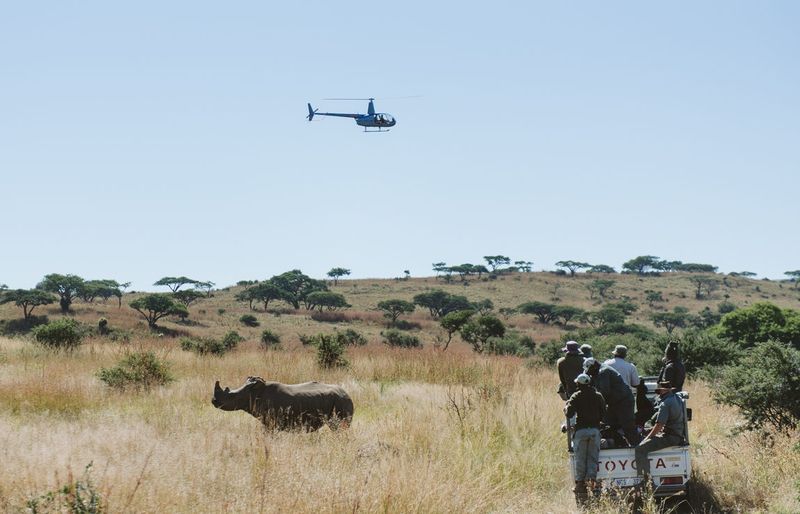
Behind every protected rhino is a network of people doing highly specialised jobs, often in conditions most of us will never see. Conservation pilots fly demanding low-level patrols over huge areas, spotting suspicious activity and tracking wildlife from the air.
Field vets work in the heat and dust, treating injured wildlife, assisting with translocations and carrying out procedures that help keep populations healthy. K9 teams search for evidence, follow trails and support anti-poaching operations on the ground, while monitors collect the day-to-day information needed to know where individual rhinos are and how they’re doing.
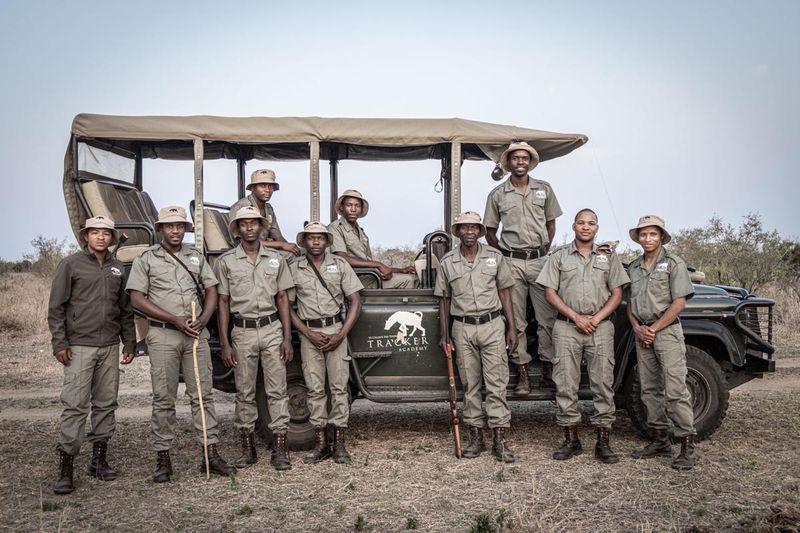
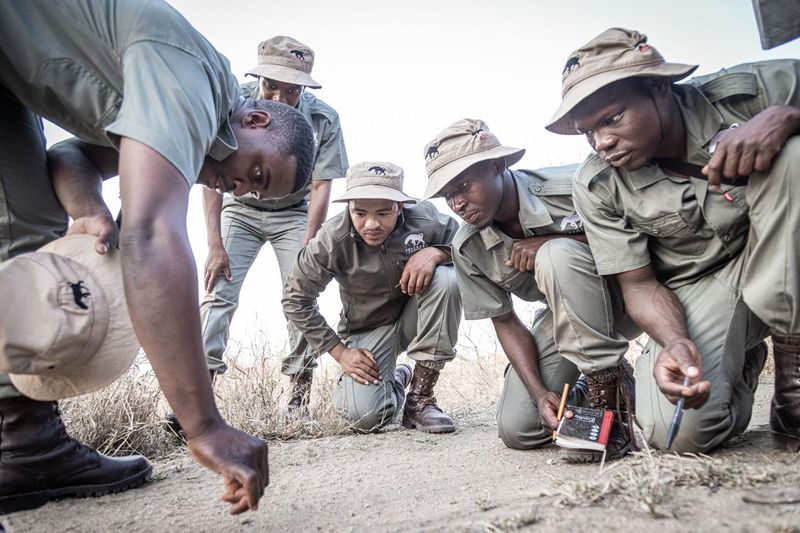
Tracking is one part of that picture. In Kruger National Park, the Tracker Academy trains Rhino Guardians to combine traditional tracking knowledge with modern technology, helping teams monitor rhinos in real time.
Making Room for Recovery
A footprint, broken branch or patch of flattened grass can reveal where a rhino has been and, sometimes, where it’s heading. GPS data and aerial surveillance add another layer, allowing teams to keep track of individual animals across vast areas.
All of this becomes even more important when rhinos are moved between protected areas. South Africa’s private reserves are playing an increasingly important role here, creating additional space for rhinos and helping build populations in more secure habitats.
Rhinos are being returned to areas where they once roamed freely, while carefully managed breeding and translocation programmes are helping establish and strengthen populations elsewhere. The aim is not simply to increase numbers, but to create secure, connected populations that can survive in the wild.
The return of rhinos to reserves such as the Sabi Sand shows what sustained conservation can make possible. In 2024, rhinos from African Parks’ Rhino Rewild initiative were translocated to the reserve as part of a wider effort to strengthen protected populations. Their arrival marked the first translocation of rhinos into the Greater Kruger area under the programme and was made possible by years of security, monitoring and preparation, carried out long before the first rhino arrived.
It's a useful reminder that conservation rarely has a single hero. A rhino may be the face of the story, but its survival depends on a whole operation behind the scenes, and on people willing to do that work year after year.
The Bigger Picture
It’s fair to wonder how booking a safari could possibly help save a rhino. The answer lies in everything that tourism sets in motion: jobs, local businesses, protected areas, conservation programmes and communities whose livelihoods are tied to keeping these wild places thriving.
And it doesn’t stop at the lodge gate. Every crate of produce bought from a nearby farm, piece commissioned from a local craftsperson or service contracted from a neighbouring business keeps more of that tourism income circulating within the communities surrounding these wild places.
And in communities where a single salary can support up to 10 people, one job can have a much wider reach. It can support a household while creating demand for other local businesses and opening up more opportunities to earn a living close to home.
Where Wildlife Meets Livelihoods
That can change how people see the wildlife around them, too. When a community benefits from the fact that rhinos and other wildlife are still there, protecting them starts to mean something very real. It’s not simply about saving an animal. It’s about protecting something that has a place in their own future.
That’s where things like training and long-term employment matter. The goal isn’t to teach someone to care about wildlife and then send them elsewhere to find employment. Instead, it’s to create opportunities that let people build careers close to home, while giving them a stake in protecting the land around them.
So, does going on safari help save rhinos? Yes, but through a much bigger chain of impact. Your journey supports protected areas, creates livelihoods, strengthens local businesses and helps give wildlife a meaningful place in the communities living alongside it.

The Rhino Africa Difference
Bearing the Rhino name and carrying it in our logo is about far more than building a recognisable brand. For us, it comes with a responsibility to stand behind what that animal represents. It’s a badge of honour. It’s a reminder. And, in many ways, it’s a duty.
We’re incredibly proud to have the rhino as our namesake and our emblem. But we don’t want it to simply be a name. We want it to show up in the way we work, the partnerships we forge and the choices we make. It asks us to think beyond the trip itself and to consider what we can help make possible.
It reminds us to step out boldly. To look beyond the journey itself and to think deeply about the impact of every single itinerary we help create. It grounds us in the wildlife we're lucky enough to experience, the wild places that make those experiences possible, and the people whose lives and futures are inextricably intertwined with both.
We know we're only one part of a much bigger story. But that doesn't make our responsibility any smaller. The rhino isn't just in our name; it represents the wild Africa we believe is worth protecting.
So, What Does A Rhino Have To Do With Your Safari?
Quite a lot, as it turns out. Every safari depends on wild places having a future, and tourism has a real role to play in protecting them. That’s why the rhino means so much to us. It’s part of our name, our identity and the places we want to help protect.
So come to Africa. See the rhino for yourself. And help give it every reason to still be here for generations to come.