
If there’s one thing I’ve learned from exploring Botswana, it’s that no two trips are ever the same. June to October is widely considered the best time to visit Botswana for classic wildlife viewing, but don’t be too hasty. Every season has something different up its sleeve, and we’re here to break it all down for you.
Quick Facts: What Makes Botswana Unique?
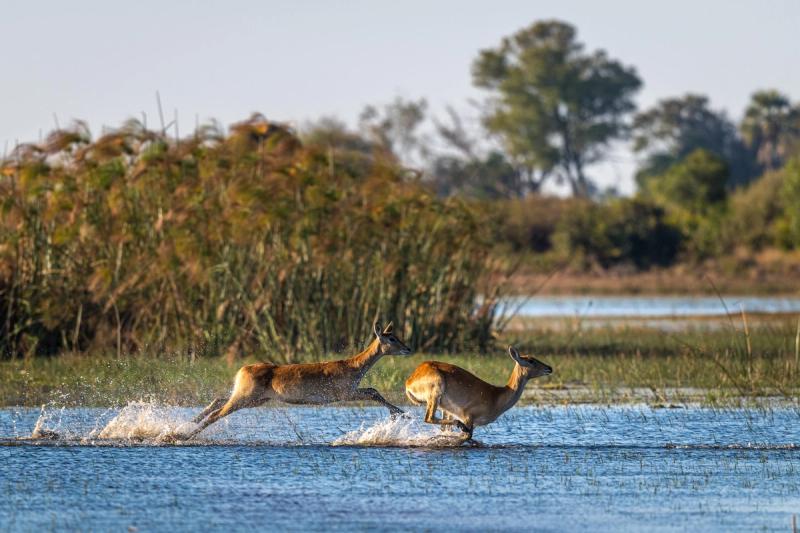
- The Delta floods in the dry season. The Okavango’s waters travel down from Angola, arriving months after those rains fell, so the Delta reaches its highest water levels during Botswana’s winter.
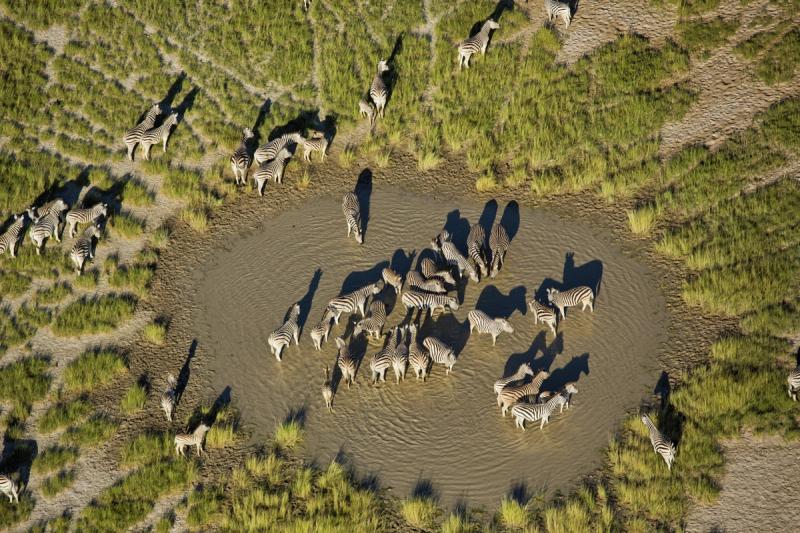
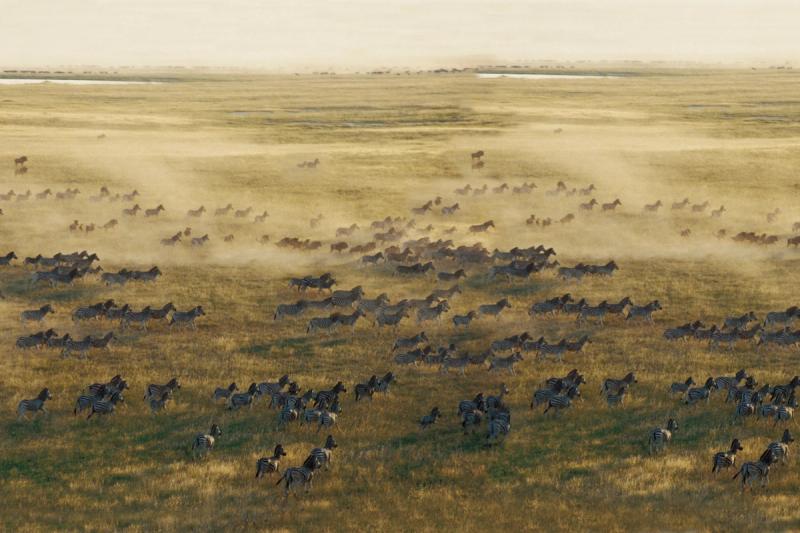
- Zebra hit the road. Every year, thousands of zebra and wildebeest move across the Kalahari and Makgadikgadi in search of fresh grazing, making Botswana home to one of Africa's lesser-known great migrations.
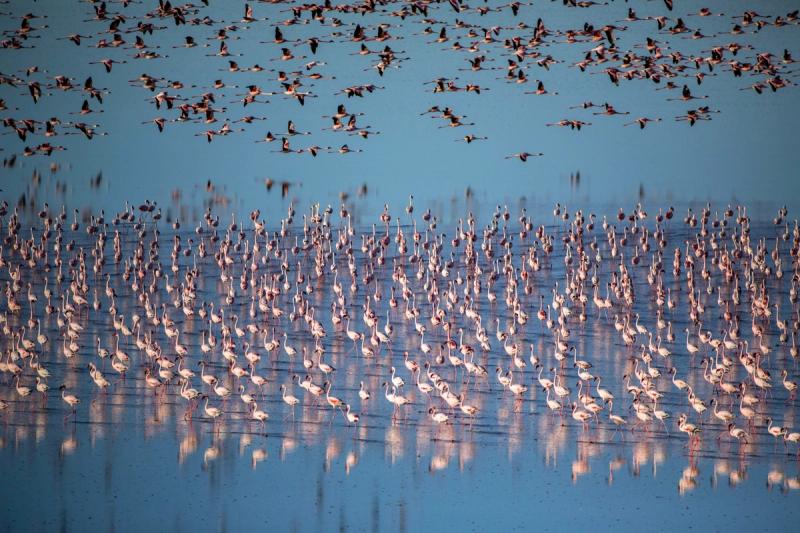
- The pans turn pink. When seasonal rains fill the Makgadikgadi, flocks of flamingos descend on the salt flats, transforming one of Africa's starkest landscapes into something almost absurdly colourful.
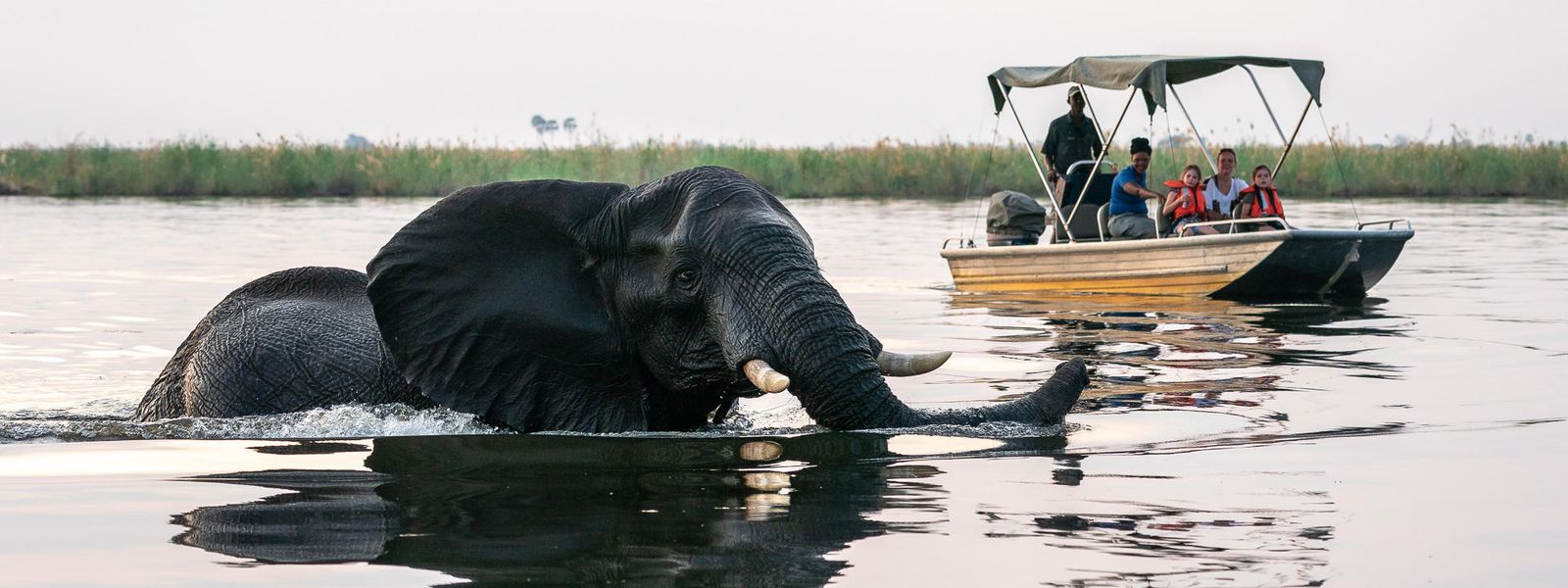
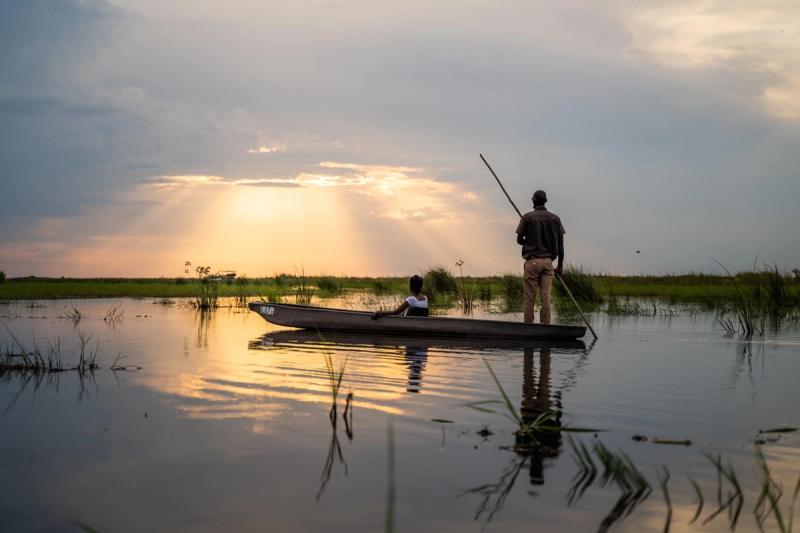
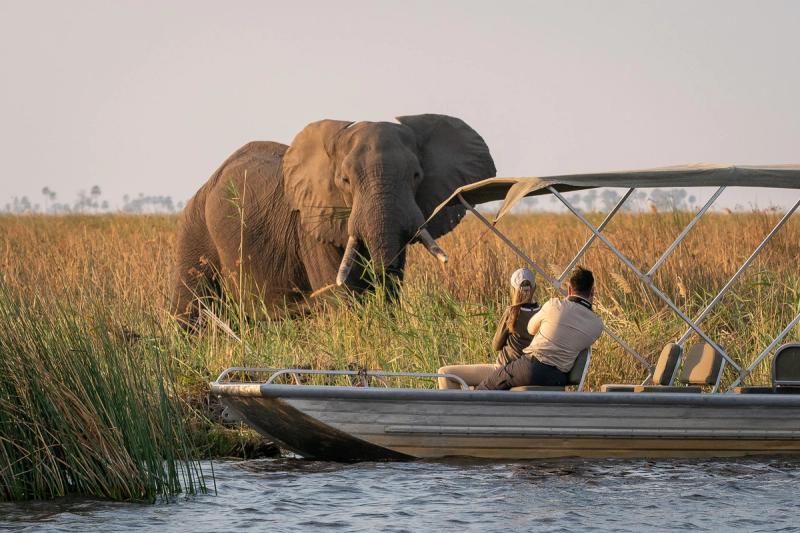
- Not everything runs on four wheels. When the Okavango is in full flood, you explore by mokoro (Botswana's traditional dugout canoe) or by motorised boat, trading the game drive for something altogether quieter.
Botswana Safari Seasons at a Glance

June to October: Dry Winter Safari Season
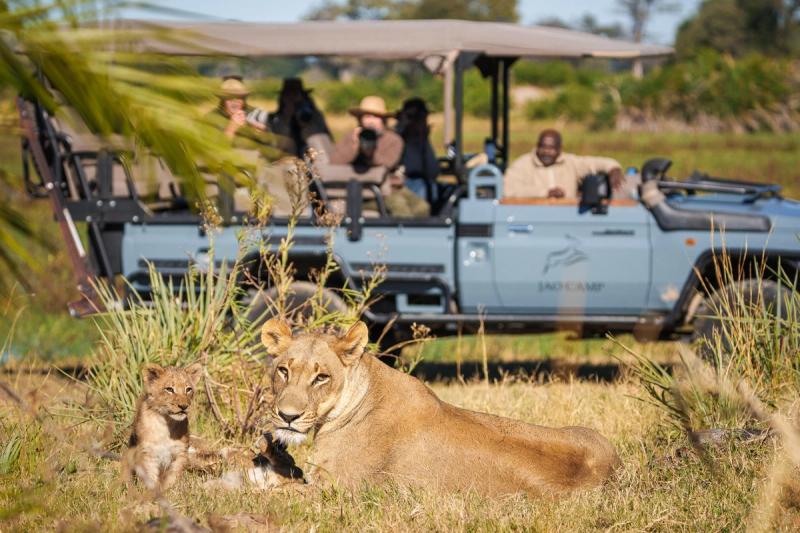
Best for: First-time visitors, Big 5 seekers, photographers, and families.
Highlights
- Outstanding predator sightings along the Chobe riverfront and Savuti Channel
- Water-based safaris in the flooded Okavango Delta
- Sunny days and comfortably cool nights
- Wildlife can be more concentrated during the dry season
What to Expect
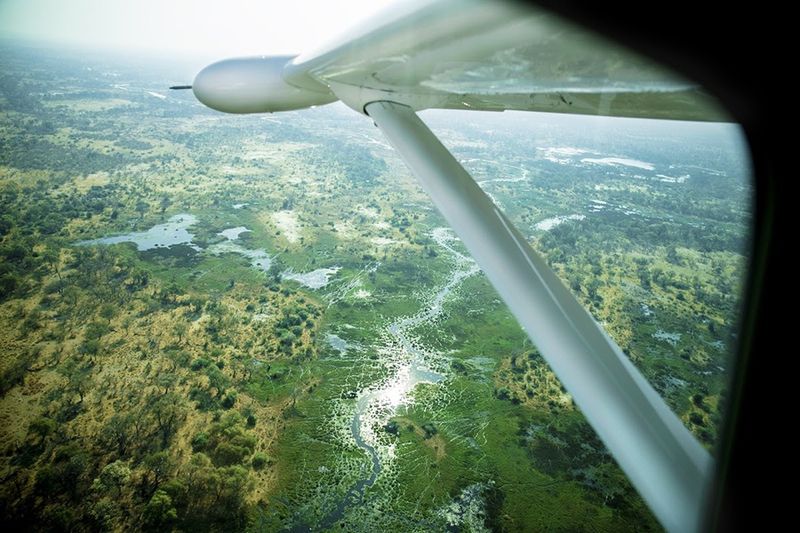
There's a wonderful contradiction at the heart of Botswana's winter: while the rest of the country dries out, the Okavango Delta is filling up. Rainfall from the Angolan highlands takes months to travel south, arriving just as Botswana enters its driest stretch and turning the Delta into a maze of papyrus channels and lily-covered waterways.
For wildlife, water becomes the organising principle. Thirsty plains game cluster around rivers, channels, and waterholes, with big cats never far behind. It's also the season when you ditch the 4x4 for something altogether slower. A mokoro gliding through the channels offers a new perspective on the bush, and once you've tried it, you'll wonder why you ever needed an engine.
As Rhino Africa Travel Expert Claudia Silva puts it:
"It felt like we were just floating, appreciating every little thing. Without the hum of an engine, the Delta became more apparent." – Claudia.
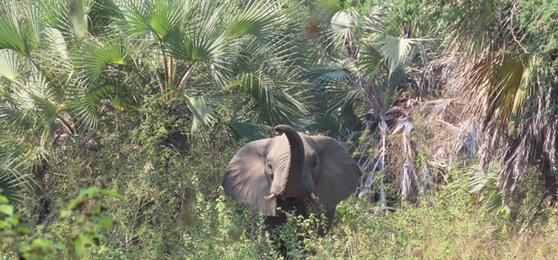
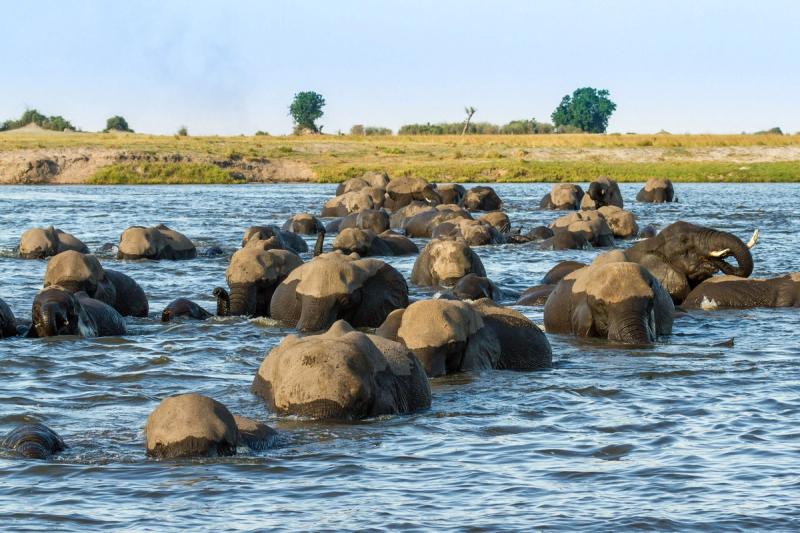
Further north, Chobe National Park becomes an elephant magnet, with thousands gathering along the river as surface water disappears inland. If you'd rather have a little more room to breathe, the Linyanti Marshes and Tuli Block offer exceptional game viewing with far fewer vehicles, while the Makgadikgadi Salt Pans add an entirely different landscape into the mix.
November to March: The Green Safari Season
Best for: Birding enthusiasts, wildlife photographers, and anyone who likes their Africa a little wild and unpredictable.
Highlights
- Migratory birds arriving in peak numbers (around 600 species have been spotted!)
- Calving season, with newborn antelope and active predators
- Zebra and wildebeest migrations across the Kalahari
- Flamingo flocks in the flooded Makgadikgadi Pans
What to Expect
Summer rolls in and brings with it a different kind of safari. Wildlife spreads across newly lush grazing rather than crowding around dwindling water sources, the landscape is greener than you might expect from a country associated with dust and open plains, and the afternoon light is extraordinary for photography.
It's also calving season, which sounds sweet until you remember what calving season means for predators. Lions, leopards, cheetahs, and African wild dogs are all paying close attention to the nursery.
Then there are the migrations. Fresh grazing draws zebra and wildebeest across the Makgadikgadi Pans, Nxai Pan National Park, and the Central Kalahari in huge numbers. It's a side of Botswana that catches even seasoned safari-goers off guard.
"We saw these massive herds of zebras on our first day. It was incredible – that's something you hardly see anywhere else." – Allison Botha, Rhino Africa Travel Expert.
Not only can you see a zebra migration, but in wetter years, shallow water gathers across the salt flats, attracting vast flamboyances of flamingos and turning the stark landscape into a vibrant pink.
April and May: The Shoulder Safari Season
Best for: Honeymooners, savvy planners, and anyone who prefers a little more space on safari.
Highlights
- Fewer visitors can mean a more intimate safari experience
- Strong game viewing as wildlife begins moving towards permanent water
- Rising Okavango Delta water levels for boat and mokoro safaris at select lodges
- Lower rates than peak season at many luxury lodges
What to Expect
April and May are Botswana in motion. The summer rains are fading, temporary water sources are drying up, and wildlife is starting the slow drift towards permanent water. Meanwhile, the Okavango is filling from the north, and the bush is still holding onto its summer green.
April is also impala rutting season, when males spend the month chasing, posturing, and sparring in displays that are considerably more dramatic than the impala's typically understated reputation would suggest. More action-packed than it sounds.
As the season shifts, game viewing becomes increasingly predictable, and the vehicles at popular sightings thin out considerably. You might catch a passing shower. You might find yourself on a crisp, morning game drive with barely another vehicle in sight. Either way, you're getting more of Botswana to yourself.
Best of all, many of Botswana's luxury lodges offer more favourable rates during this period, making April and May a brilliant time to visit if you’d like your safari spend to go a little further.
How Many Days Do You Need for a Botswana Safari?
Generally, you need 7 to 10 days for a Botswana safari. That gives you enough time to cover two or three regions, whether that's pairing the Okavango Delta with Chobe, or adding a stretch in the Kalahari, without spending the whole trip in transit between camps.
But how you spend those days is entirely up to you. Here are a few of our favourite Rhino Africa tours to inspire your journey:
- Adventurous Safari in Moremi and Okavango (8 days) – A Botswana adventure across two of Africa's great wild areas, with land and water activities throughout.
- The Luxurious Top African Destination Tour (13 days) – South Africa. Botswana. Zimbabwe. Why not combine some of the continent's best wilderness experiences with unique cultural wonders.
- A Vibrant Mix of Big 5 Safari & Romantic Beach Trip (13 days) – From Botswana's game-rich wilderness to the beaches of the Seychelles, this trip is perfect for a bush and beach escape.
Shorter on time? Four to five days in one well-chosen region can still make for a brilliant Botswana safari. It just means picking your base camp carefully.
How Much Does a Safari in Botswana Cost?
There’s no one-size-fits-all price for a Botswana safari. What you spend depends on the season, where you stay, which concession you visit, and what’s included in your stay. Here’s a rough guide to give you a sense of the range:
- Mid-range safari: $550 – $700 per person per night (4-star lodges)
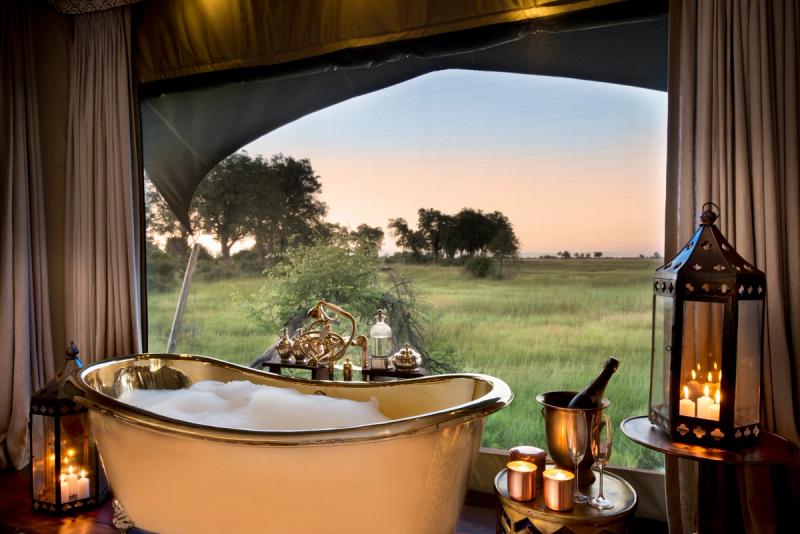
- Luxury safari: $750 – $3,000 per person per night (5-star lodges)
- Ultra-luxury safari: $1,550 – $5,000 per person per night (private concessions and premier lodges)
Rates at many Botswana lodges typically include accommodation, meals, drinks, daily game activities, and park or concession fees, although inclusions vary. Fly-in transfers and other logistics can also add to the overall cost, so it’s worth looking at the full journey when planning.
Which is Better for Safari: Tanzania or Botswana?
Neither is better. It all comes down to what kind of experience you’re after, because each destination offers its own take on safari.
Tanzania is well-known for the Serengeti National Park and The Great Wildebeest Migration. On the other hand, Botswana is known for low-density safaris, incredible water-based activities, and pretty sizable elephant herds.
If you need help deciding, check out our guide on Southern Africa vs East Africa.
So, When Should You Visit Botswana for a Safari?
There’s no single month that unlocks the perfect Botswana safari. The real trick is knowing what matters most to you. Chat with our Travel Experts, and we’ll help you put together a tailor-made trip that follows the seasons and makes the most of how Botswana changes throughout the year.
Featured Image: Wilderness Savuti