
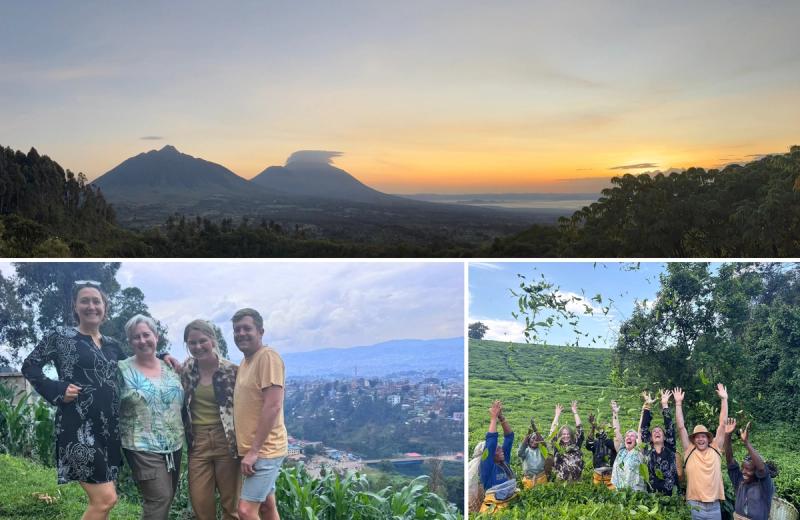
Rhino Africa Travel Expert Daisy Du Plessis isn’t one for a quick in-and-out trip. Heading to Rwanda, she threw herself into a deep exploration of everything on offer. Primates were firmly on the cards, of course, but her adventure swept well beyond the volcanic ridges, unveiling the depth and beauty of this unique country. As an African safari specialist, Daisy brings an honest, boots-on-the-ground perspective to the table, and understands the practical logistics that make or break an East Africa journey. I couldn’t wait to hear her stories, so I sat down with Daisy to uncover the top eight insider insights that turn a great Rwanda holiday into an extraordinary one.
1. What’s it really like to come face to face with a mountain gorilla?
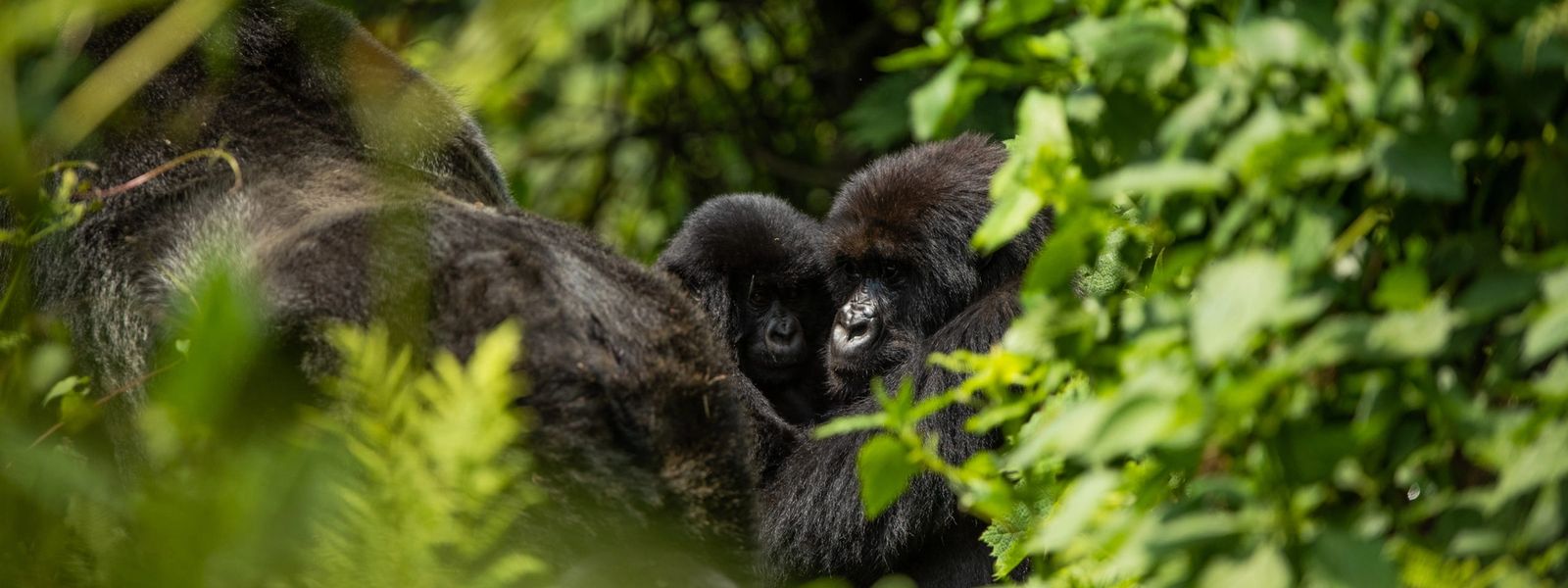
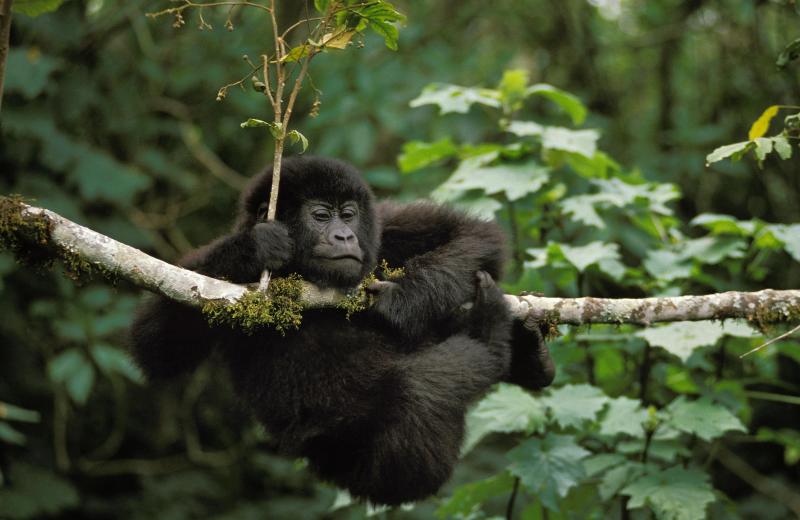
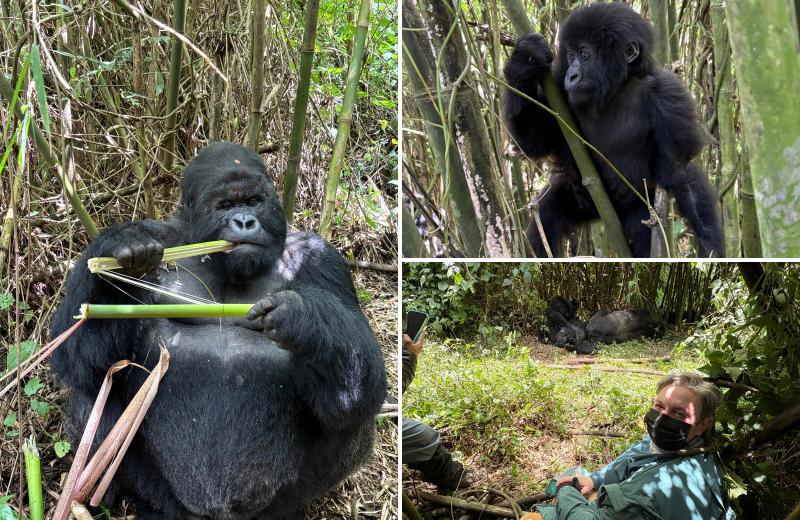
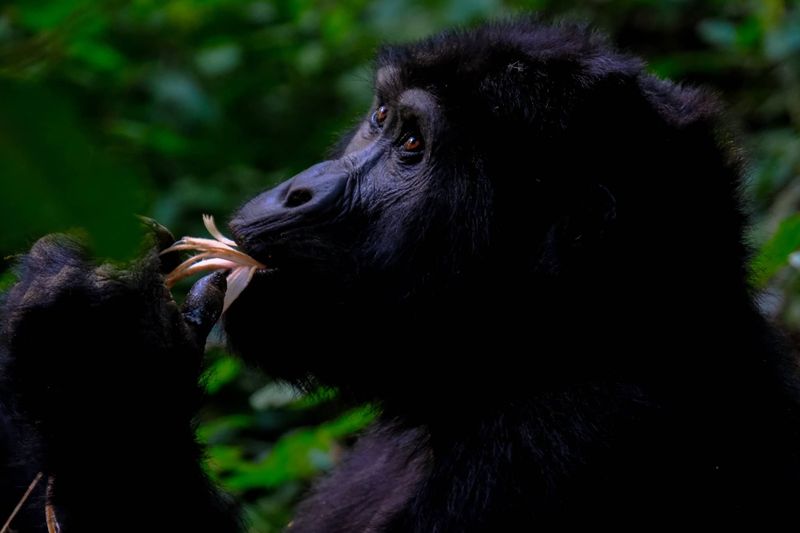
Forget the detached perspective of a wildlife documentary. When you hike into the bamboo forests of Volcanoes National Park, you step straight into a family living room. Daisy was observing a habituated troop of around a dozen gorillas when a curious youngster decided the visiting humans warranted personal inspection.
“The youngster – he was just fascinated with me! He kept sneaking around the bamboo, trying to tug on my jacket and hanging upside down from the branches. Later on, I crouched down to take a photograph, and all of a sudden he came zooming past and gave my arm a cheeky little thump! For a second, I thought the guide was pulling me back, but it was that mischievous youngster again.”
Once the youngster’s antics subsided, the atmosphere shifted into something raw and deeply moving. A few metres away, the dominant silverback settled against the moss, peeling thick bamboo shoots like they were matchsticks, while his battle-scarred brother ambled past and met Daisy’s gaze with calm, piercing intelligence.
Sitting beside them in the damp earth, listening to the steady cadence of their breathing and low chest rumbles, the unmistakable shock of kinship hits you all at once.
Ultimately, a gorilla trek is far more than a thrill; it’s a humbling encounter that recalibrates how you see the living world.
“You quickly realise you’re visitors stepping entirely into their world. That unpredictability is what makes it unforgettable.”
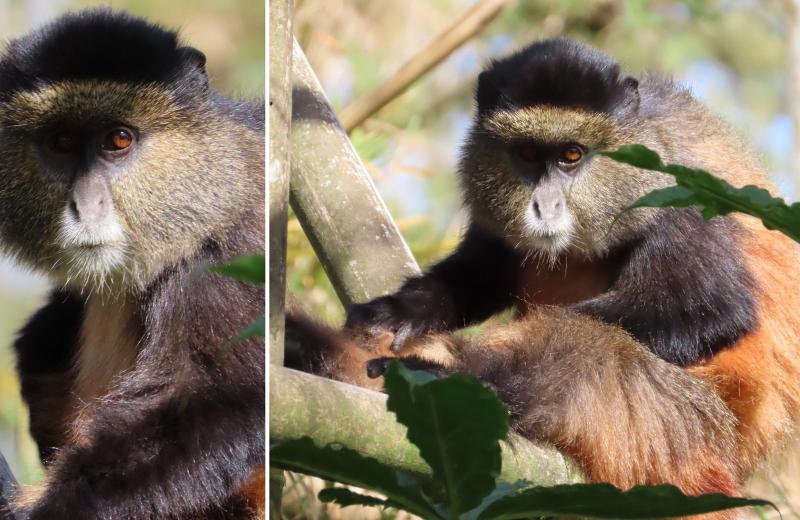
2. Why do you recommend trekking golden monkeys before gorillas?
Most guests naturally want to rush straight to the mountain gorillas, with golden monkeys sometimes tacked onto the end of their stay as a pleasant afterthought.
Daisy adamantly recommends doing the exact opposite.
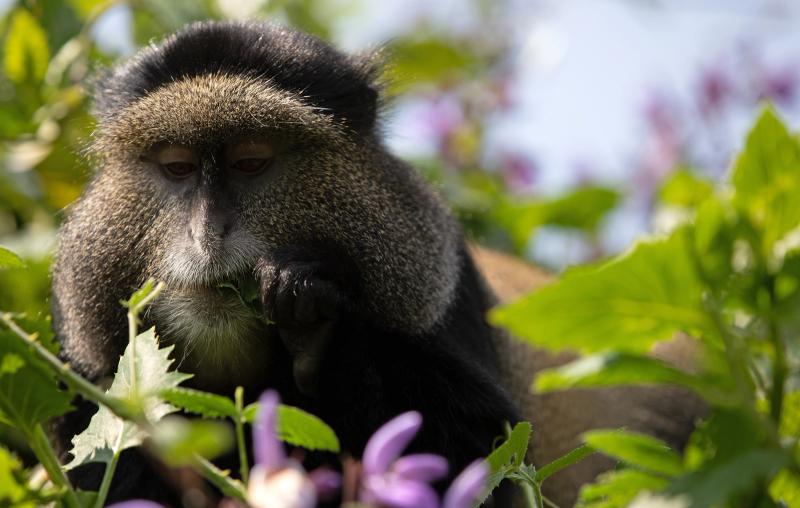
“Everybody always says you first do your gorilla trekking, and then you do your golden monkeys, but I would actually switch it around. Golden monkeys are very placid, sitting up in the canopy munching on leaves, while the babies supply all the mischief, running around and tumbling over branches.”
Her advice and reasoning are simple and straightforward:
“Starting with a golden monkey trek offers a wonderfully gentle introduction to the forest. It eases your legs into the altitude and terrain while you enjoy their light-hearted antics in the canopy. Transitioning from that easy-going encounter to the raw drama of the gorillas creates the perfect build-up.”
3. How does gorilla trekking in Rwanda compare with Uganda?
Having tackled both Bwindi Impenetrable Forest in Uganda and Volcanoes National Park in Rwanda, Daisy offers a candid comparison of East Africa’s premier gorilla trekking grounds.
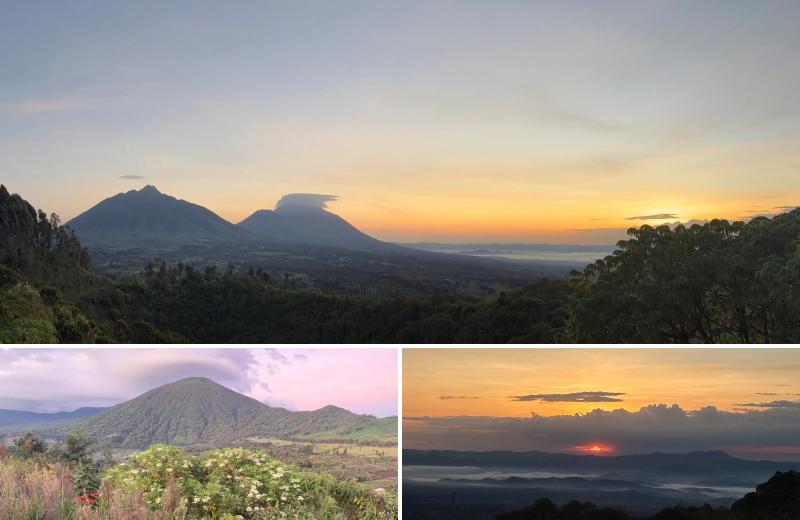
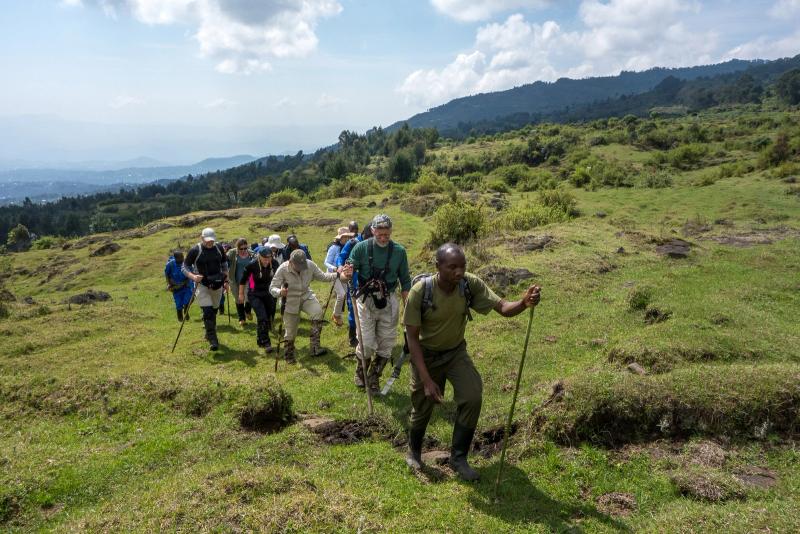
“When we did Uganda, the trails felt a little bit gentler underfoot. Rwanda’s volcanic slopes are noticeably steeper, giving you an invigorating mountain hike and incredible views across the canopy.”
To make the trek comfortable, Volcanoes National Park ensures guests are fully prepared: all the necessary kit – including sturdy gaiters and gloves – is provided at the lodges and park headquarters, so you’re well looked after every step of the way.
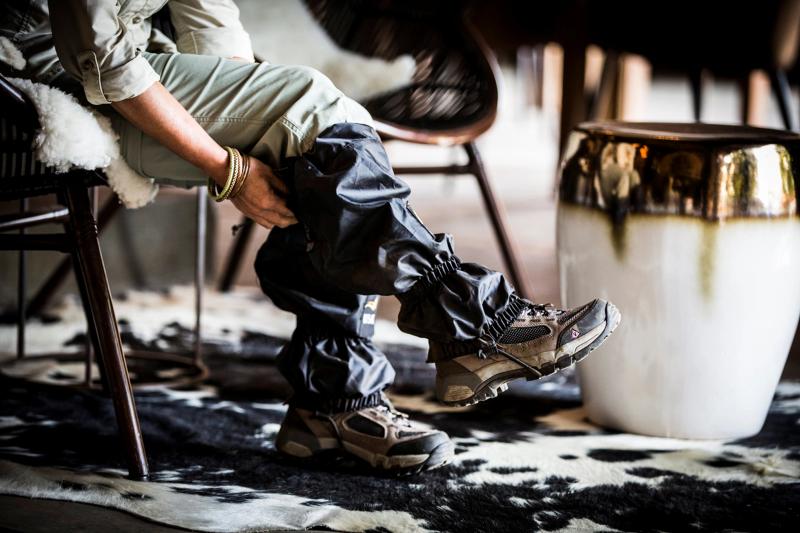
Seasonality also plays a part in the trekking experience. Daisy explored Uganda in May, while her Rwanda trek took place during the wetter conditions of early December. This made Rwanda's volcanic slopes particularly muddy, but the lush greenery was spectacular. Of course, conditions vary throughout the year, and whatever the season, having a local porter by your side can make all the difference. From carrying your bag to lending a steadying hand on trickier sections, their support is invaluable.
What about the common perception that Uganda is drastically cheaper?
“People point out that Uganda’s permits cost less, but they forget you often have to factor in domestic charter flights and lengthy road transfers. When I price out equivalent accommodation packages for clients, the overall trip totals come out remarkably similar.”
Pssst: The Republic of Congo’s Odzala-Kokoua National Park also offers a unique gorilla trekking experience; the right one depends on the experience you want, so it’s worth weighing them up.
4. Is Akagera National Park worth adding to a Rwanda journey?
Adding a classic Big 5 safari to a trip famous for mist-shrouded rainforests might sound unusual, but Akagera National Park caught Daisy completely off guard with one unassuming element.
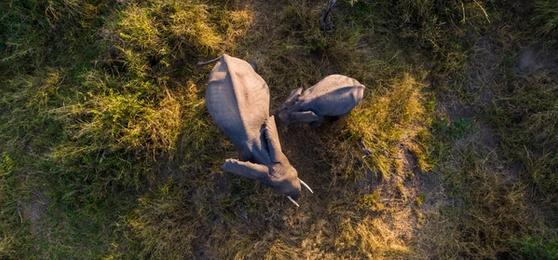
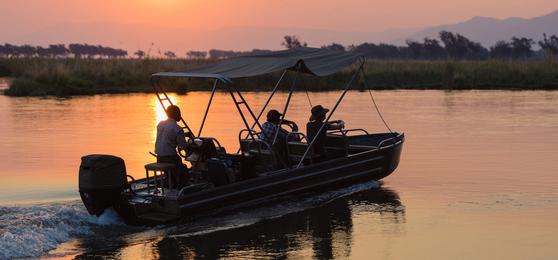
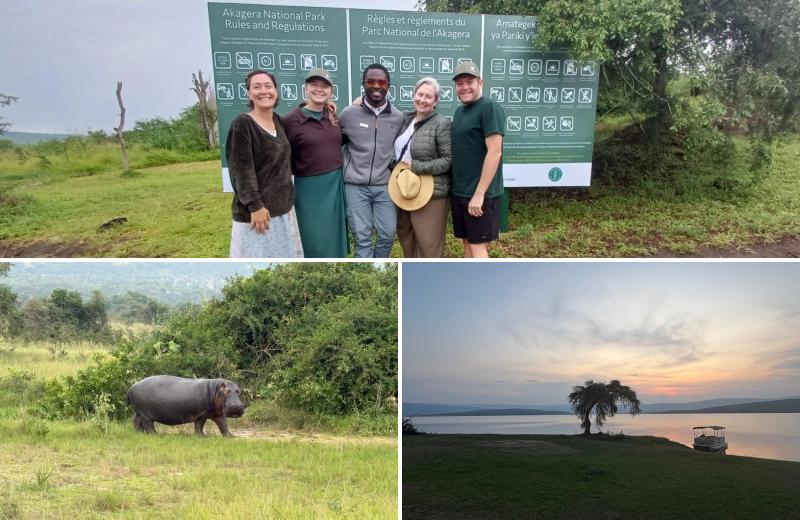
“Definitely the lake. We did the boat cruises on Lake Rwanyakazinga, and it’s such a tranquil way of seeing wildlife. You’re gliding past hippos, crocs, and waterbirds at eye level, which feels totally different from bouncing along sitting high up in a 4x4 game viewer.”
Managed in partnership with African Parks, Akagera is a conservation triumph, successfully reintroducing lions and black rhinos, and introducing white rhinos to land once ravaged by poaching.
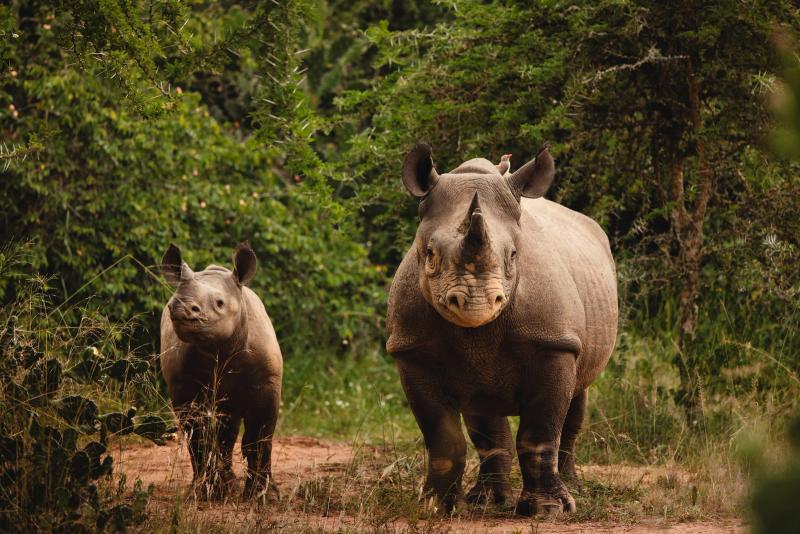
“When we were there, we saw leopards, rhinos, and plenty of game. Akagera isn’t a commercial zoo where sightings happen on a rigid schedule. Some game drives are bursting with predator action; other times, it’s all about the nature drive, taking you up to sweeping viewpoints overlooking the park.”
Daisy suggests basing yourself in the wildlife-rich northern sector – home to intimate camps like Wilderness Magashi – while independent self-drivers often explore the southern fringes. It provides the ultimate antidote to trek-weary muscles.
5. What did the people and conservation initiatives teach you about Rwanda?
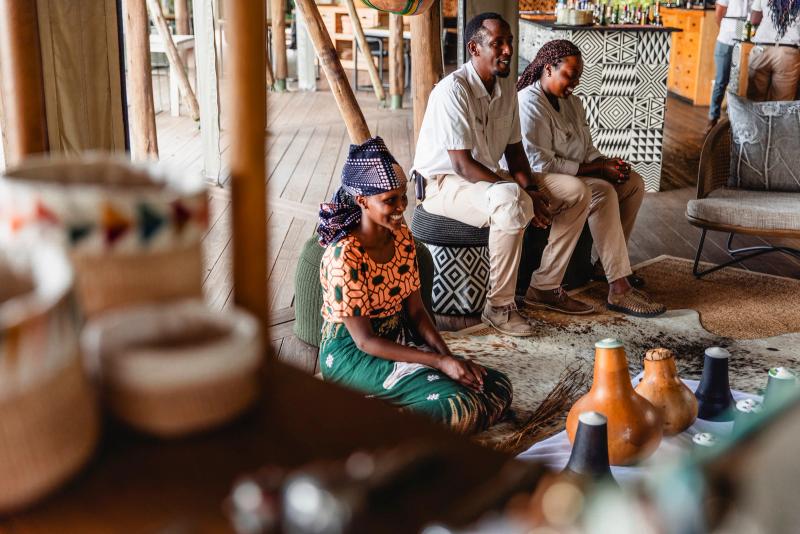
While the wildlife delivers the initial thrills, Rwanda’s people leave the deepest imprint.
“Our guide at Magashi in Akagera, Bosco, was simply amazing – such a gentle soul. He’s one of those people who, the moment you meet him, makes you feel instantly relaxed because he has such a peaceful aura. He shared deeply personal stories about how his family survived the 1994 genocide, and how both he and his wife built rewarding careers in conservation tourism. I still message him to this day.”
Equally memorable was driver-guide Bahati – a joyful patriarch greeted like family in every village – and an impromptu tea-harvesting session near Nyungwe Forest.
“The local women were showing us how to pluck tea leaves. They didn’t speak a single word of English, and we couldn’t speak Kinyarwanda, but within minutes we were all laughing together in the fields.”
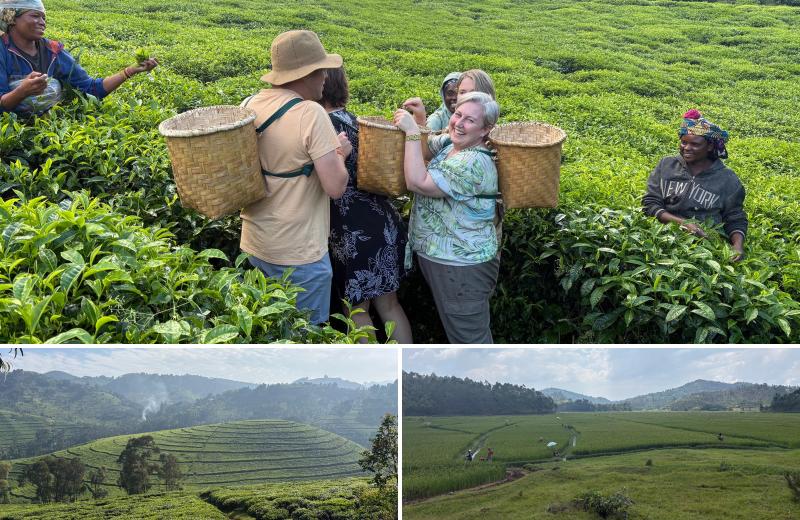
It was completely unforced – a genuine exchange rather than a rehearsed routine for visitors. Across Rwanda, tourism is deliberately tied to community development, ensuring that protecting the landscape and wildlife delivers tangible benefits to local households. Between monthly community clean-up days and conservation revenue sharing, the collective pride is unmistakable.
As Daisy put it,
“Witnessing the community pride gives you goosebumps, and knowing your travel is actually supporting that harmony brings your mind to total peace.”
6. How would you design a Rwanda itinerary that actually flows?
Daisy advises pacing the trip carefully to balance drive times and physical recovery.
“The drive from Kigali north to Volcanoes National Park is an easy two-and-a-half hours along smooth tarmac with lovely roadside craft stops. Heading south to the chimpanzees of Nyungwe Forest, however, is a winding five- to seven-hour drive. Trying to rush between all three corners without a breather will leave you wiped out.”
To create a seamless circuit, Daisy recommends travelling from south to north:
- Nyungwe Forest National Park: Spend two nights tracking active chimps through ancient afro-montane forest.
- Lake Kivu: Break up the road journey with an overnight stop along the shores of Lake Kivu for kayaking or lakeside unwinding.
- Volcanoes National Park: Settle in for three or four nights to trek golden monkeys, track mountain gorillas, and visit Meza Malonga, a local fine-dining restaurant and working farm.
- Akagera National Park: Wrap up your adventure on the savannah with game drives and relaxing boat cruises.
“Ending with Akagera makes sense because after all that strenuous hiking, you can kick back on a boat or in a safari vehicle. It brings the whole journey together like a lovely final flourish.”
7. Is Rwanda only for luxury travellers and serious hikers?
A widespread myth is that you need an elite athlete’s stamina and a bottomless bank account to visit Rwanda. Daisy is quick to dispel both assumptions.
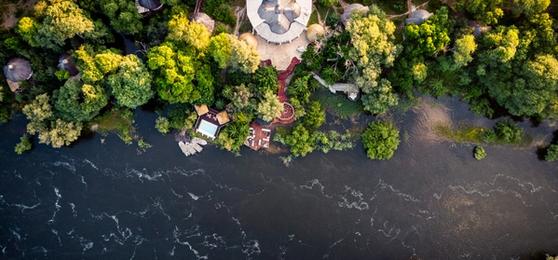
“Price-wise and budget-wise, Rwanda can cater for everybody. While high-profile properties like Bisate Lodge and Singita Kwitonda set the benchmark for luxury, there are fantastic mid-range and entry-level boutique lodges that offer gorgeous comfort and incredible Rwandan warmth.”
Gorilla trekking permits do come with a considerable price tag, but that's where thoughtful planning makes a difference. From choosing accommodation that suits your budget to deciding which experiences to prioritise, Daisy knows how to make the most of your time and spend without compromising on what makes the journey special.
And you don’t need to be an Olympic hiker to navigate the slopes. Daisy’s golden rule for the trail is to always hire a local porter.
“Having a porter by your side to offer a steadying hand when you’re navigating high-altitude volcanic soil makes all the difference in the world. Even better, Rwanda actively trains former poachers to work as porters, alongside an inspiring contingent of female porters. Hiring them directly channels tourism revenue into local households, transforming communities into passionate wildlife protectors.”
Mobility challenges don’t have to keep you from the forest, either.
“Gorilla trekking is physically demanding, but having physical limitations doesn’t mean you have to miss out. Rwanda has exceptional support systems in place for travellers with disabilities. I arranged dedicated assistance for a client with lifelong mobility limitations who feared she would never be able to experience the forest. The local team took extraordinary care of her and ensured she reached the gorillas safely. She was left completely speechless – it made what felt like an impossible dream come true.”
8. Is Rwanda safe to visit?
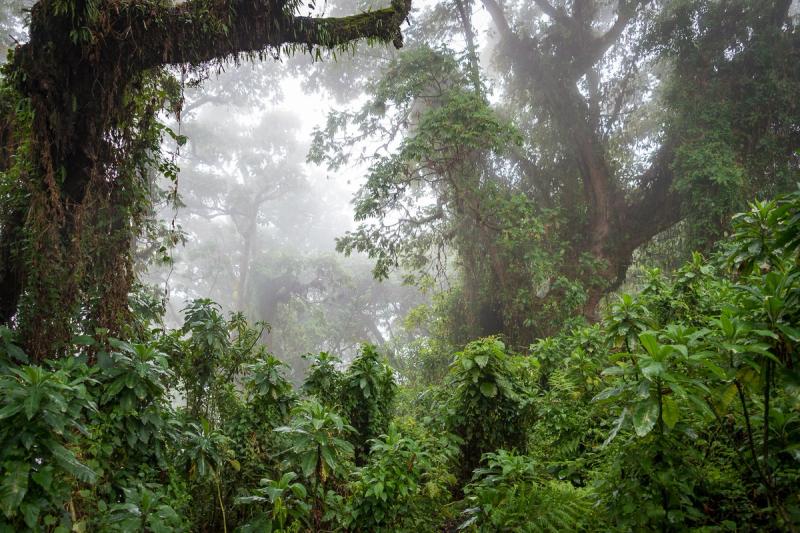
For travellers whose impressions are shaped by decades-old headlines, safety is often an unspoken question. Daisy is quick to dispel any lingering hesitation.
“People sometimes wonder about safety because of historical headlines, but modern Rwanda is exceptionally peaceful, safe, and organised. The second you land, any hesitation melts away.”
From the spotless order of Kigali to the warmth of its rural communities, Rwanda has earned a reputation for its well-organised tourism industry, welcoming hospitality, and strong sense of community pride.
And when it comes to exploring the country with confidence, having the right people in your corner makes a difference. At Rhino Africa, we work closely with trusted local guides, carefully selected lodges, and reputable suppliers who know their destinations inside out.
Add to that our Travel Experts' 24/7 assistance, and you'll have a dedicated team to turn to should you need help at any point along your journey.
Take a Step Further
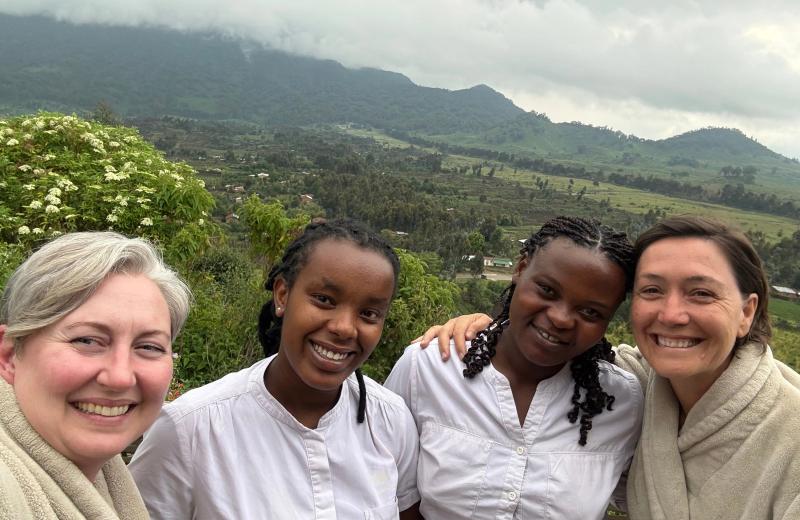
A curious gorilla with a mischievous streak, golden monkeys worth meeting first, and a guide who became a lifelong friend; Daisy's Rwanda adventure is full of the moments that make exploring Africa such a joy. And while you can't plan every surprise, you can certainly make room for them.
With first-hand experience, local knowledge, and a genuine passion for the places we share, our Travel Experts can help you discover Rwanda in a way that's entirely your own.
Feature Image Credit: Daisy Du Plessis