
When is the best time to visit Kenya? Hint: it’s not simply whenever the wildebeest panic at the Mara River. You can visit Kenya at almost any point in the year and have a brilliant safari. But if you’re asking when it’s best, that’s a more specific question, and a slightly loaded one. Because the answer depends on what you want from your trip. So, let’s break it down season by season and find the one that fits your plans.
Kenya at a Glance: What to Expect by Season
Short Dry Season: January to March
Kenya’s Secret Summer
The rains from the previous year have left the landscapes lush, while clear skies and dry roads make getting around relatively straightforward. And then there are the babies…
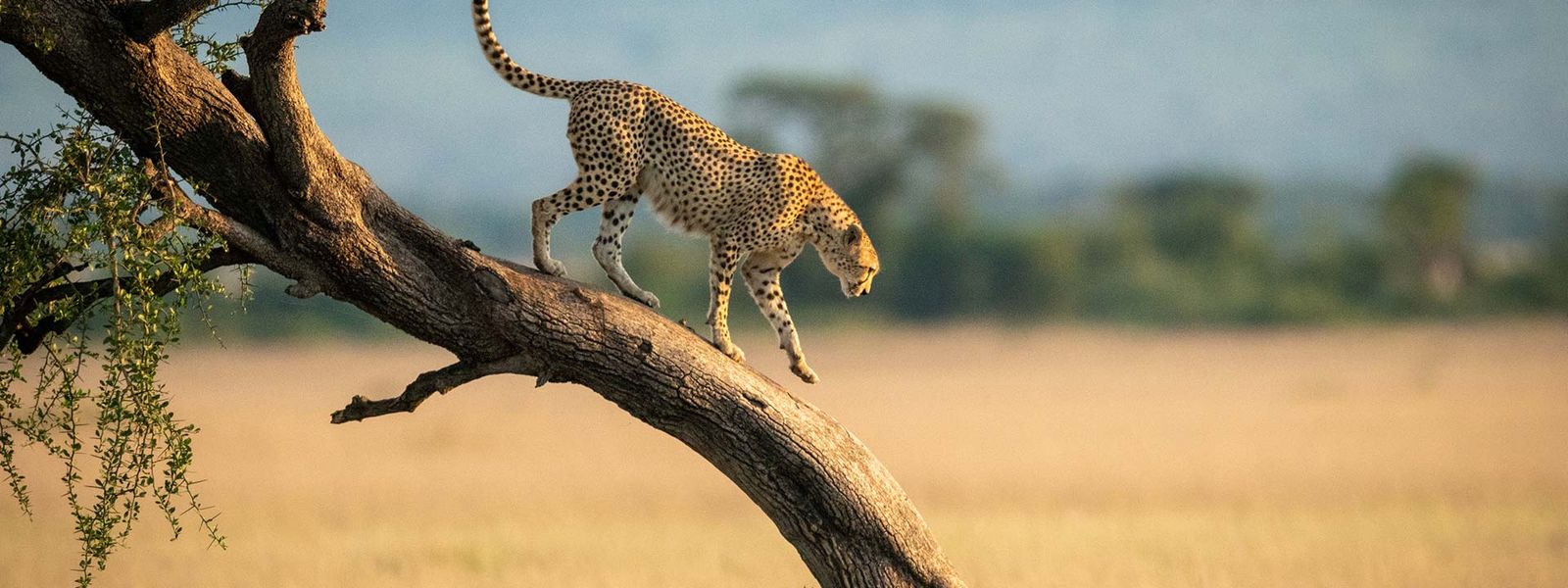
Calving season is in full swing, so the plains are scattered with wobbly-legged wildebeest and predators that know exactly why this is a good time to be here. It’s one of those periods when a perfectly ordinary game drive can suddenly become a lesson in survival, complete with tiny hooves and a very attentive lion nearby.
It’s also a particularly good time to head towards Kenya’s coastline. The Indian Ocean is warm, underwater visibility is good for diving and snorkelling, and humidity is generally more manageable than later in the year. Want to climb Mount Kenya? January to March can also offer favourable trekking conditions.
Where to Go?
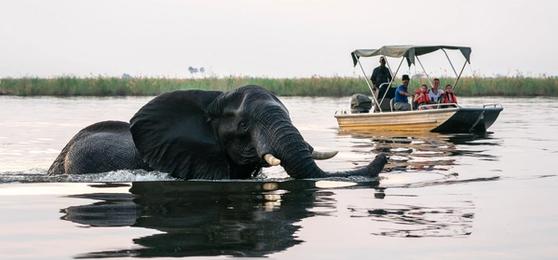
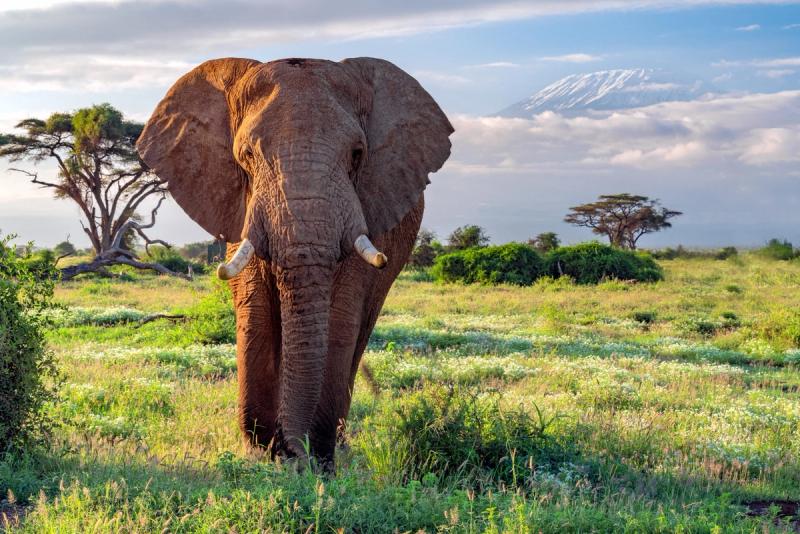
Amboseli National Park is the classic choice for elephants with Mount Kilimanjaro looming in the background.
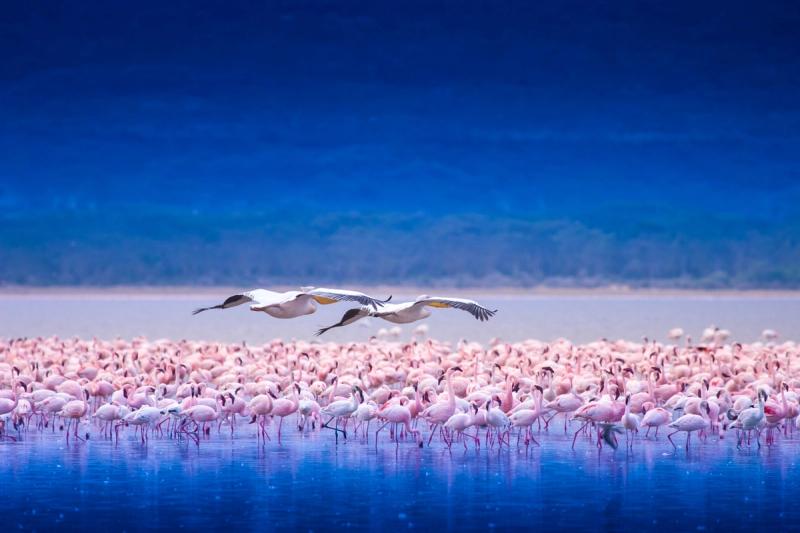
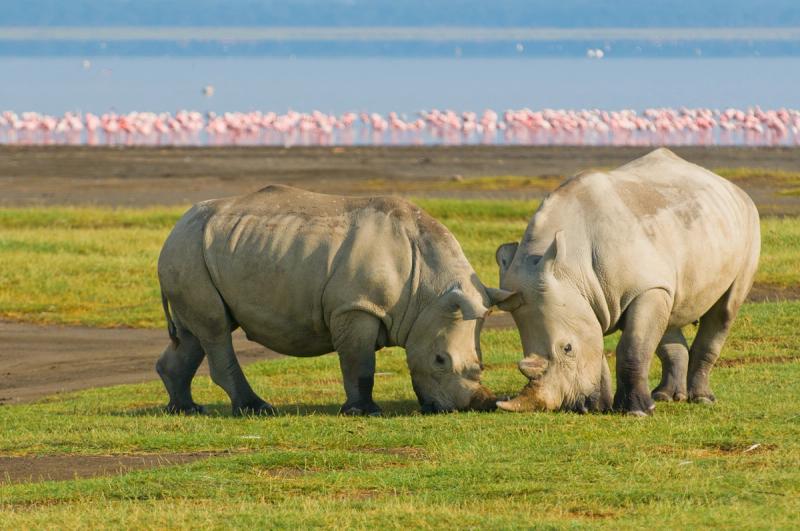
For birding and a broader mix of wildlife, look to Lake Nakuru and Lake Naivasha. Laikipia works beautifully if you prefer private conservancies, fewer vehicles around sightings and a more personalised safari.
Highlights
- Whale sharks and manta rays can make an appearance offshore
- Some of Kenya’s clearest diving conditions
- Expect crisp light, perfect for photographic safaris
Green Season: April to June
The Introvert’s Safari
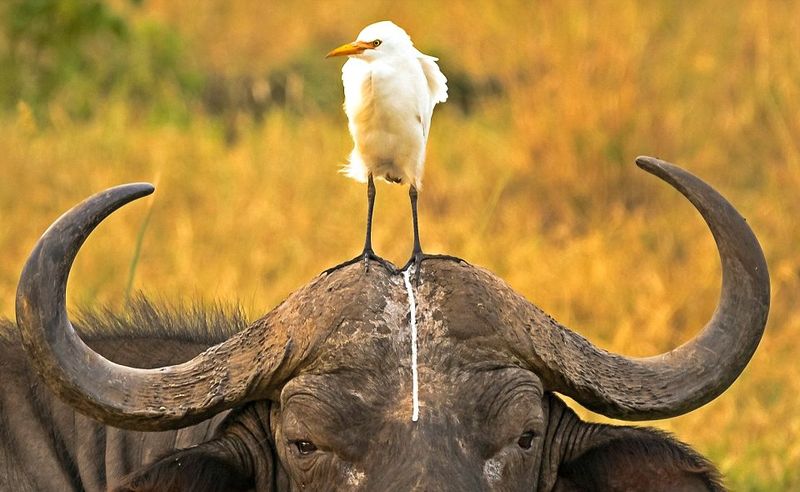
This is when the long rains arrive. Some safari-goers panic at the word “rain” and reconsider their plans. Not us. We see an entirely fresh side of Kenya: greener landscapes, lower rates and skies that can make even a familiar view look new. And birders? They are having a very good time.
Some lodges close temporarily, but there are many that stay open, especially across Laikipia, Samburu and the highlands. Wildlife doesn’t vanish, but thicker vegetation and muddy roads can make game drives a little less predictable. That is part of the appeal. Visitor numbers drop, and you may find yourself watching a sighting without a queue of vehicles forming behind you.
June, in particular, is worth a closer look. The rains begin to ease, the savannah dries out and wildlife becomes easier to find, all while the busiest weeks of the year are still ahead.
Where to Go
This is a good time to look beyond the obvious. Laikipia is a strong choice for resident wildlife, open landscapes and conservancy-based safari. Samburu offers its own cast of northern species and a landscape that feels a long way from the Mara.
Highlights
- June gives the Mara a chance to breathe before the herds arrive
- Some camps close, so choice of camp is important
- Green-season skies can be reason enough to bring the good camera
Peak Safari Season: July to October
The Main Event
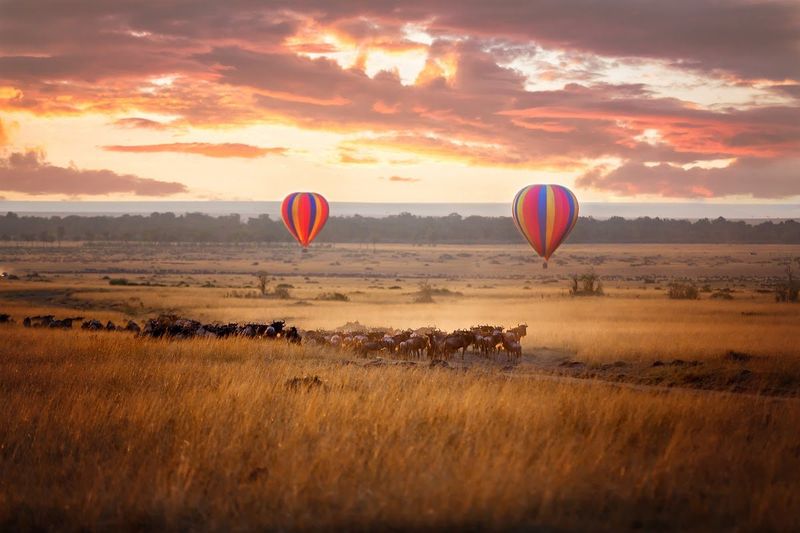
Let’s not pretend otherwise: this is Kenya showing off. The dry season kicks in, thinning the vegetation and drawing animals to permanent water sources. Everything is easier to spot, and game drives tend to be more predictable.
This is also when the Great Wildebeest Migration makes its way into the Maasai Mara. Mid-August to October offers your best chance of catching wildebeest risking their lives at crocodile-filled river crossings while photographers hold their breath, and their cameras, hoping to capture the chaos.
Yes, it is busy. But with the Migration in town and some of Kenya’s best safari conditions settling into place, there is a reason for the crowds. Planning ahead with a Travel Expert gives you a better chance of securing the camp and location that suit your trip before the most popular spots fill up.
Where to Go
The Maasai Mara is the obvious choice if Migration drama is high on your list.
For more breathing room, consider Lewa, Meru National Park or Laikipia. Samburu and Tsavo National Park bring a more arid, rugged feel and show you a side of Kenya that has little to do with the plains of the Mara.
Highlights
- September can deliver the Migration without quite the August frenzy
- Early October can catch the last act before the short rains
- August is Kenya’s busiest safari month, so timing within peak season matters

Shoulder Season: November to December
Short Rains and a Fresh Start
The short rains arrive in November, turning the plains from gold to green with surprising speed. The weather can be unpredictable, but showers are often short and sharp. One minute you’re watching a bank of rain roll across the horizon, and the next you’re back in the sunshine wondering whether you imagined it.
Meanwhile, migratory birds return, young animals start appearing and the landscapes get another buShort Rains and a Fresh Start
rst of colour.
There’s also more space around you. This period sits outside Kenya’s main safari rush, which makes it appealing for anyone who would rather not share every sighting.
It’s easy to overlook November and December as a transition between bigger seasons. That’s exactly why they’re worth a closer look.
Where to Go
Consider Maasai Mara conservancies once the Migration has moved on, or head north to Samburu and Laikipia. Amboseli remains a good choice for elephants and mountain views, while the coast makes an easy addition if you’re planning a festive-season escape.
Highlights
- Ngulia becomes a stopping point in one of Africa’s great bird migrations
- November brings Lamu’s Swahili culture to the fore
- The landscape can change almost overnight after the first rains
Best Time to Visit Kenya FAQs
Still mulling over the “when,” “where,” and “what-if” of your Kenya adventure? You’re not alone. Here are some of the most common questions we get asked.
So… When Is Your Best Time to Visit Kenya?
Kenya doesn’t really do “bad timing.” It just does different moods. Some months bring dust, drama and wildebeest hurtling towards a river. Others bring green plains, quiet roads and the kind of light that makes you reach for your camera before you’ve even thought about it.
Whatever season you choose to go, the trick is knowing what each period can offer, then finding the one that fits your plans. That’s where we come in. We know the seasons, the camps and the small details that can change how a journey feels.
Featured Image: Nick Dale