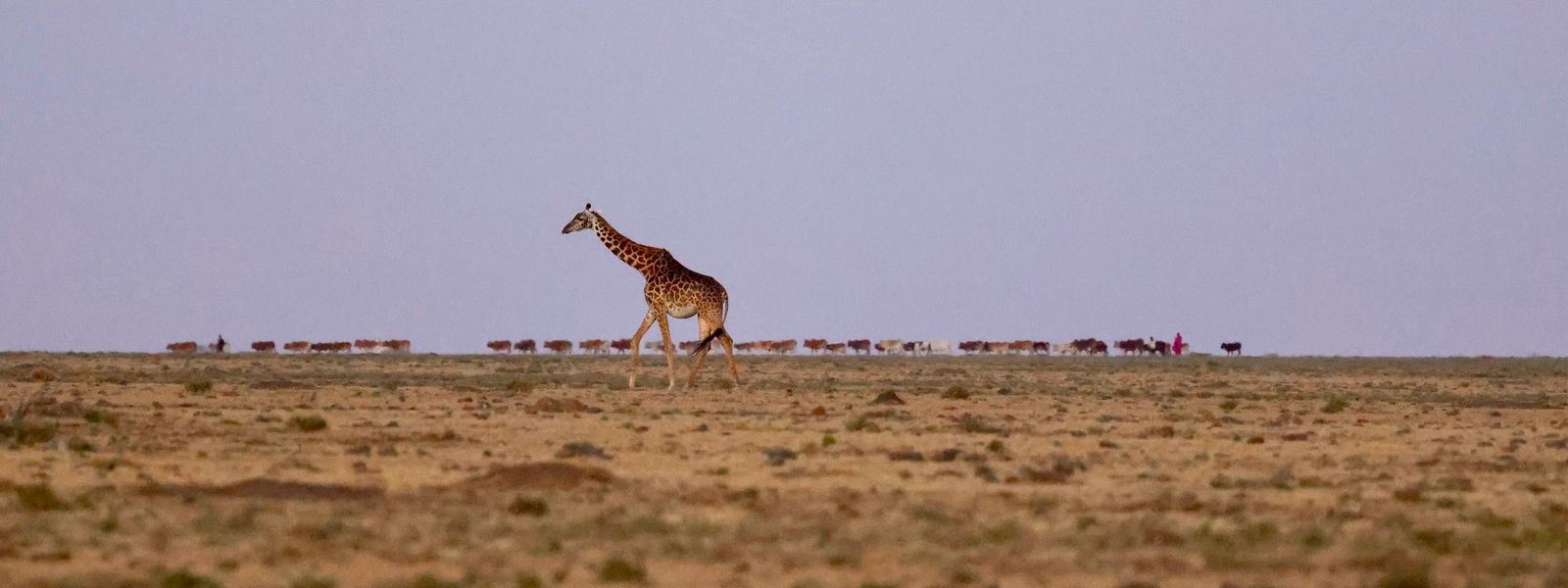

There’s a stillness that descends on Kenya’s Maasai Mara as the afternoon heat breaks. The light softens into warm, dusty gold, leaving the horizon unbroken save for the silhouettes of flat-topped acacias. On my first evening in Naboisho Conservancy, I watched a pair of giraffes stride effortlessly across the skyline. Moments later, a slow dust cloud rose in the foreground as two Maasai herders gently guided their cattle home through prime predator territory.
For decades, conventional conservation insisted on hard borders, arguing that protecting the wild meant excluding people. But Naboisho reveals a far richer, more nuanced story. Here, human heritage and wild nature move through the same frame without fences, proving that protecting wild spaces never requires erasing a way of life.
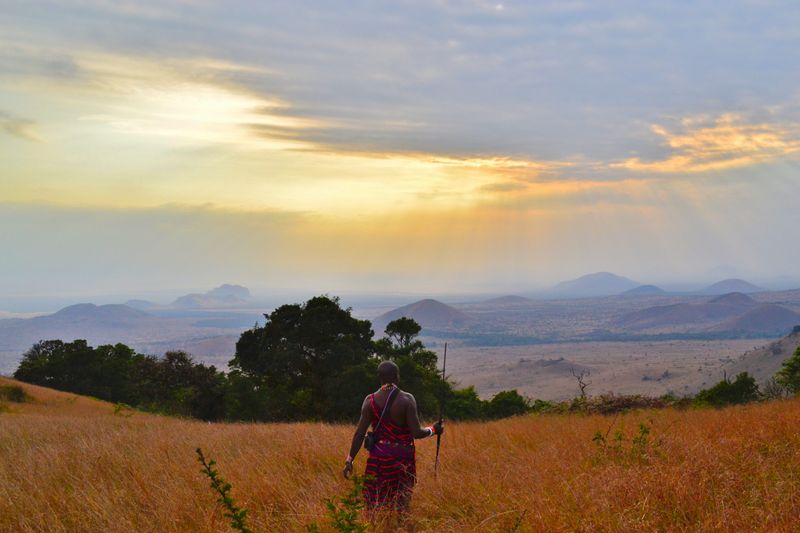
Shared Space on an Unfenced Frontier
The Maasai have guided their herds across southern Kenya and northern Tanzania’s Serengeti ecosystem for centuries. As traditional nomadic pastoralists, their movement has always mirrored the land, following that of the Great Wildebeest Migration in search of sweet grasses and permanent water.
What makes this landscape work is its open nature. Without physical barriers separating human settlements from wildlife terrain, livestock and wild animals graze, drink, and move through the same borderless plains and transit corridors side by side.
During my stay, our lodge host gestured down at the valley below my room and offered a mild apology: the view for the afternoon would feature cattle grazing on the slope. As a result of the direct agreement between the conservancy and the local community, traditional grazing rights on the land were fully protected. The apology wasn’t necessary. Rather than feeling out of place, it felt natural.
This balance proves indispensable during severe droughts. When water sources deplete, conservancy boundaries soften, allowing herders controlled access to core wildlife areas to sustain their livestock. When the rains return, herds rotate back to community pastures. It’s a practical, compassionate balance, one that respects both the land and the people who have guarded it for generations.
Guided by Ancestral Wisdom
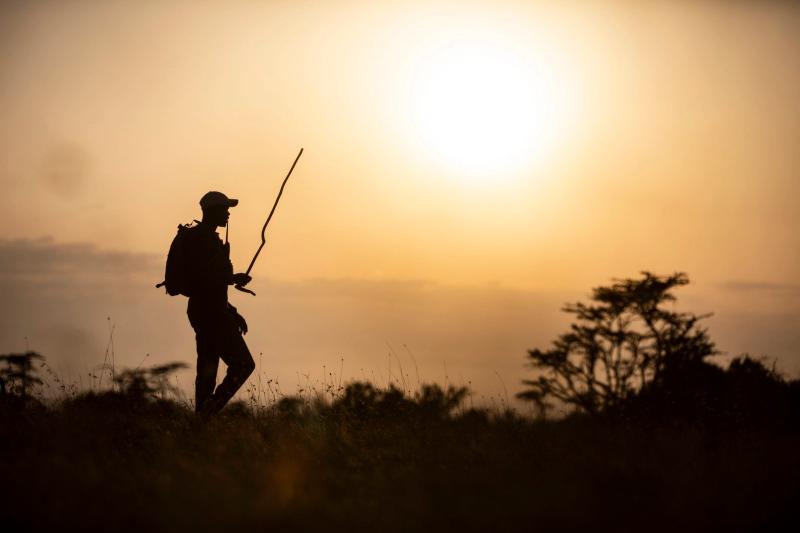
To an outsider, the setup can look alarming at times. While out on a game drive, we came across two young boys, no older than ten or twelve, calmly tending a large herd of cattle in what I understood to be prime lion territory. My initial reaction was a flash of worry. But for the Maasai, herding is part of daily life, supported by an intimate understanding of the land and its wildlife.
Several practices help reduce the risks of living alongside predators:
- Boma Protective Fencing: Traditional thorn-brush enclosures, known as bomas, help safeguard families and livestock overnight by creating barriers.
- Behavioural Awareness: The Maasai maintain an intrinsic understanding of wild animals. Rather than reacting with fear or automatic aggression, they know that most predators naturally avoid humans during broad daylight in open spaces.
- Active Herding: Herders guide cattle on foot across predator-occupied terrain throughout the day, maintaining a constant human presence before bringing the herds securely back to the boma before nightfall.
While Maasai rites of passage once involved ritual lion hunts (olamayio) to demonstrate warrior bravery (moranhood), modern community outreach, education, and financial incentives have redirected this courage toward stewardship, reducing predatory hunting.
Initiatives like the Community Guardians (Ilaaretok) employ local Maasai to directly mitigate human-wildlife conflict. These guardians accompany herders during evening returns, track lion paw prints, warn nearby villages of predator movements, search for lost livestock, and even arrange veterinary care when animals are injured.
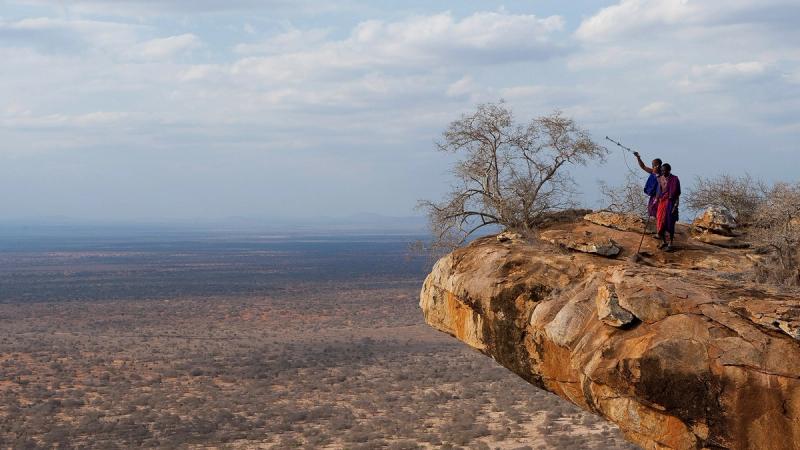
Meanwhile, organisations like SORALO (South Rift Association of Land Owners) employ local rangers to patrol vast stretches of unfenced terrain, ensuring safe passage for community livestock and wildlife alike.
Turning Conservation into a Livelihood
Coexistence requires more than goodwill; it also needs economic incentives that work for the people living alongside wildlife. Across the greater Mara ecosystem, private conservancies offer one way to align conservation with local livelihoods.
Under this model, Maasai landowners partner with tourism operators, leasing their land for safari activities. In return, participating landowners can benefit from several sources of income:
Direct Rental Fees: Landowners receive regular lease payments from safari operators for making their land available for conservation.
Conservation Fees: Visitor fees can contribute to conservation and community initiatives, helping fund the management of wildlife areas.
Employment Opportunities: Local community members work across the tourism sector, from guides and trackers on game drives to camp and lodge staff. Local businesses may also supply the goods and services these operations need.
Infrastructure Consultation: Tourism infrastructure, such as game-viewing hides and water channels, needs to be planned with existing land uses, including livestock grazing, in mind.
By creating an economic incentive to protect wildlife habitats, conservancies can help sustain both the Mara’s ecosystems and the livelihoods of local communities.
Conserving Heritage in a Modern World
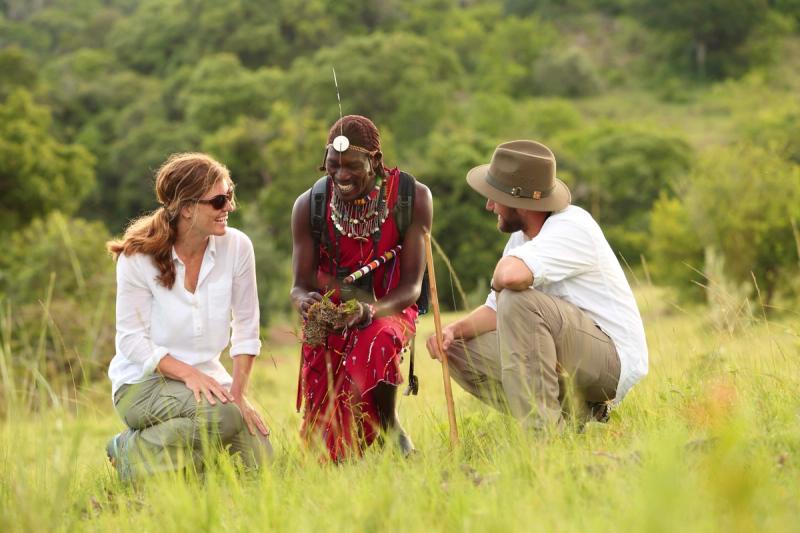
Perhaps the most inspiring element of this model is meeting the people who bridge both worlds. During game drives, I spoke with guides who grew up in local villages, the sons of traditional cattle farmers. They attended guiding schools, studied environmental conservation, and earned professional qualifications to lead luxury safaris.
Yet, on their off days, they head home to their villages, put on their shúkàs, and help their families tend to the cattle. Their work in tourism doesn’t mean leaving their heritage behind; it offers another way to sustain it.
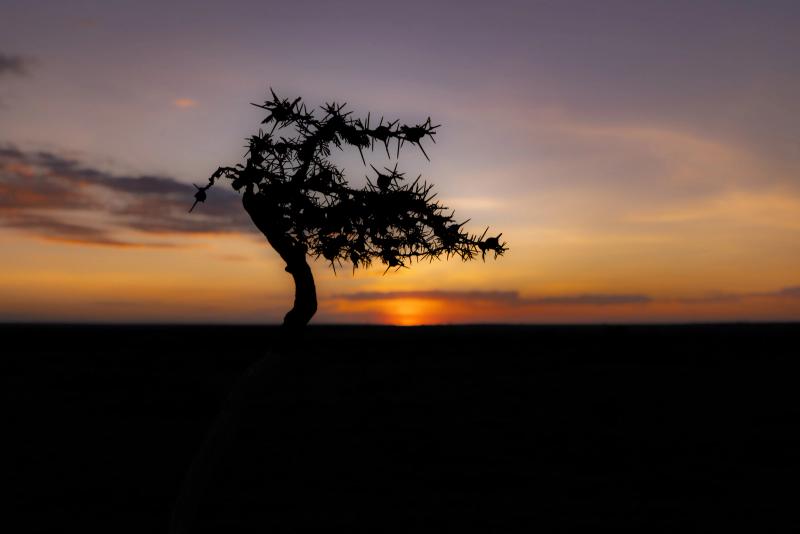
Watching dusk settle over the acacia canopy on my final night, I began to understand what makes the Mara so distinctive. It’s a landscape of complexity and constant negotiation, not without challenges, yet an integrated ecosystem.
Here, generations of Maasai knowledge meet modern conservation, shaping a future in which cultural heritage and the wild can continue to move at the very same beat.
Start Planning Your Maasai Mara Safari
The Mara offers a glimpse of conservation and community living side by side. If this piques your interest, our Travel Experts would love to help you plan your own journey into this remarkable landscape.
Feature Image Credit: Brad Mitchell