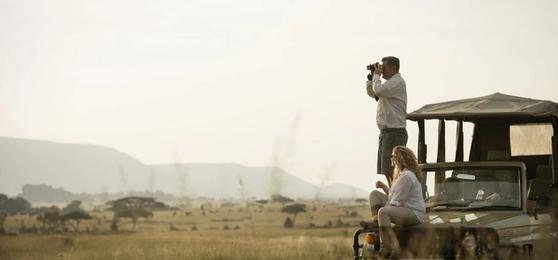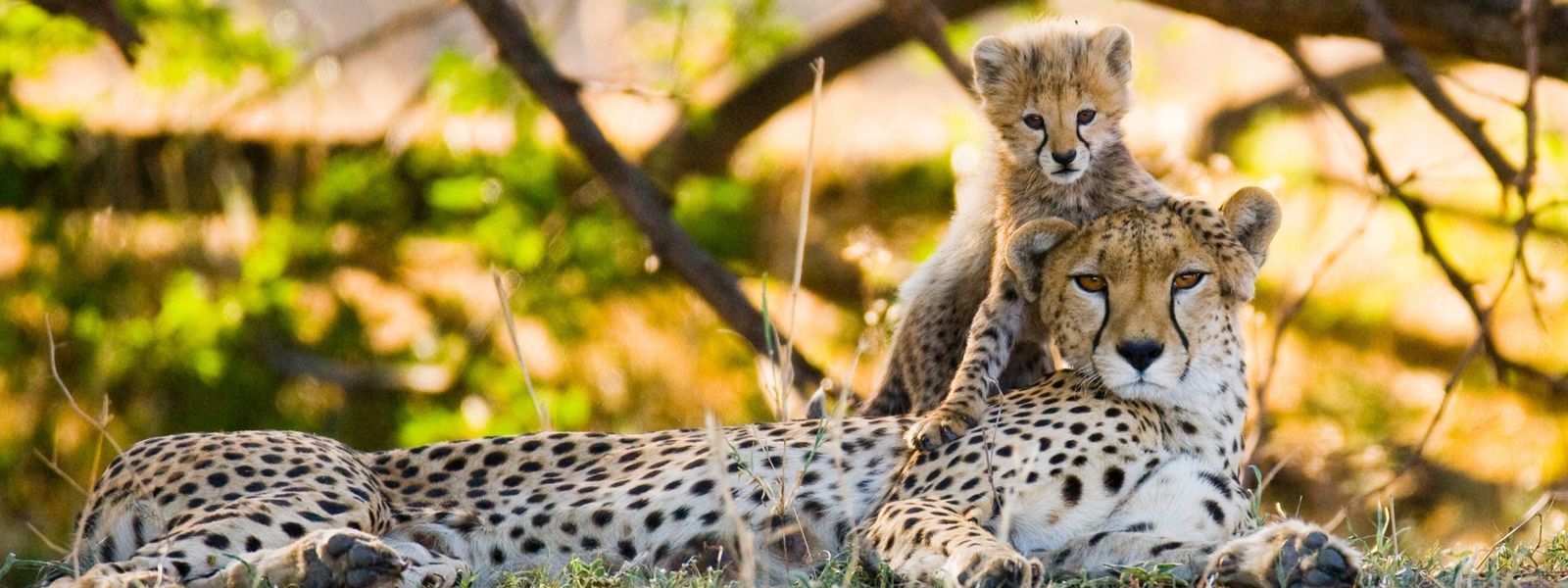

A lion at sunrise? Wonderful. Getting a toddler, a teenager, and yourself into a safari vehicle before dawn, with the right shoes and a reasonably cheerful disposition? That’s the real wild encounter. Thankfully, a family safari in Kenya offers more than early starts and game drives. Choose a camp that suits your children’s ages, keep transfers manageable, and leave room for experiences beyond the vehicle. Here’s how to make a Kenya safari work for the whole family, even if nobody agrees on the wake-up time.
Is Kenya a Good Destination for a Family Safari?
Absolutely. Kenya works well for families because the safari can be shaped around the ages and interests of your children. Younger ones might love meeting the guides and discovering how they read the bush, while older children can get caught up in the excitement of tracking wildlife or watching elephants cross the Maasai Mara.
The key is choosing an itinerary that suits your family. Some camps offer family suites, children’s programmes, and activities designed for younger guests, while others are better suited to teenagers. Consider age restrictions, travel times between destinations, and whether a private safari vehicle would give you more flexibility. With the right combination of camp, activities, and downtime, Kenya offers families the chance to share extraordinary wildlife encounters while giving each generation something to enjoy.
What Age Is Best for a Kenya Family Safari?
There’s no set age when a child officially becomes safari-ready. Some five-year-olds will happily watch a cheetah for an hour; older kids and teenagers may be drawn to tracking wildlife (or the lodge Wi-Fi). The best age depends on your child’s interests and attention span. Here’s what to consider at each stage.
Babies and Toddlers
With little ones, flexibility wins. Keep transfers short, choose accommodation with suitable sleeping arrangements, and allow room for naps and early nights. Some camps have minimum ages for shared game drives, meaning a private vehicle may be needed. These details can shape both your itinerary and its cost.
Young Children
At this age, a safari is often more engaging when there’s something to do, not just something to spot. Look for camps with age-appropriate activities, shorter outings, and space to play between drives. A swim or some downtime can be just as important as the wildlife sightings. Nobody needs to be counting the minutes until lunch.
Older Children and Teenagers
Older children and teenagers can often manage longer game drives and appreciate more of the detail behind each sighting.
Give them a say in the itinerary, whether that means choosing an animal to look out for or helping decide where to spend an extra night. A little ownership can make that 05:00 alarm easier to forgive.
Ultimately, age is only part of the picture. Your children’s personalities and interests matter just as much, and your Travel Expert can help find the camps and activities that fit your family.
Where Should You Go on a Family Safari in Kenya?
Choosing Kenya is one thing. Deciding where to go is another. Each region brings something different to the table, so it’s worth thinking about what your family would enjoy most.
Maasai Mara
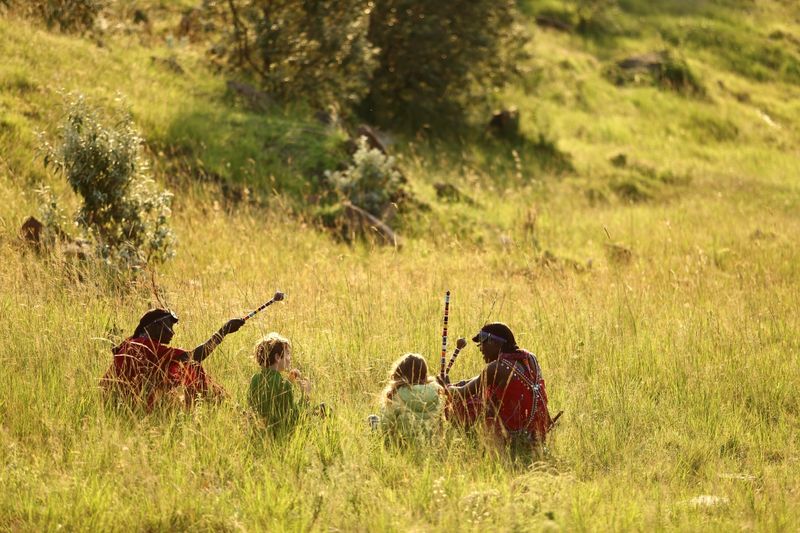
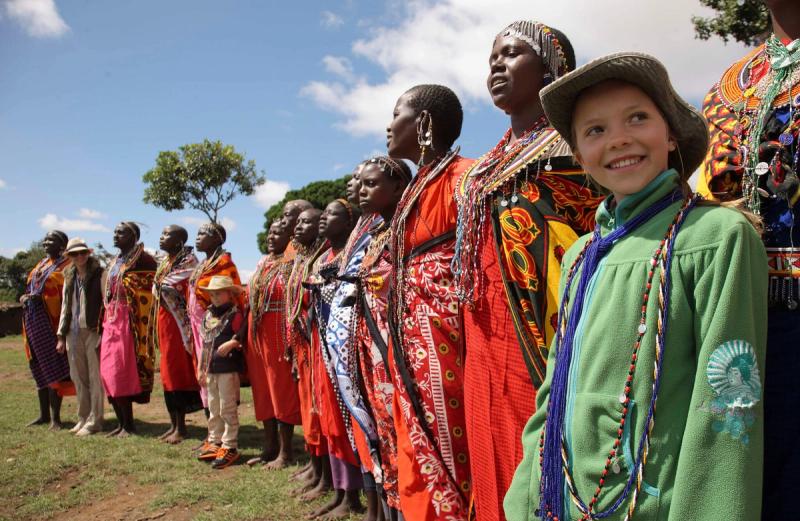
Best for a classic first safari. Open plains, big cats, and, seasonally, the Great Wildebeest Migration make the Maasai Mara a strong starting point. Depending on where you stay, you may also be able to arrange a respectful, locally led introduction to Maasai culture.
Laikipia
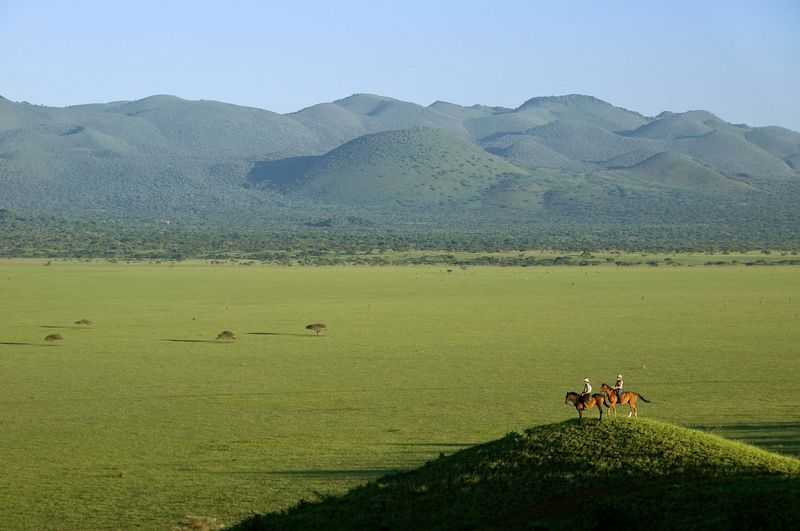
Best for active families who want more than game drives. Laikipia’s private conservancies offer varied landscapes and, at selected properties, activities such as horseback riding, camel trekking, canopy walks, and mountain biking.
Samburu
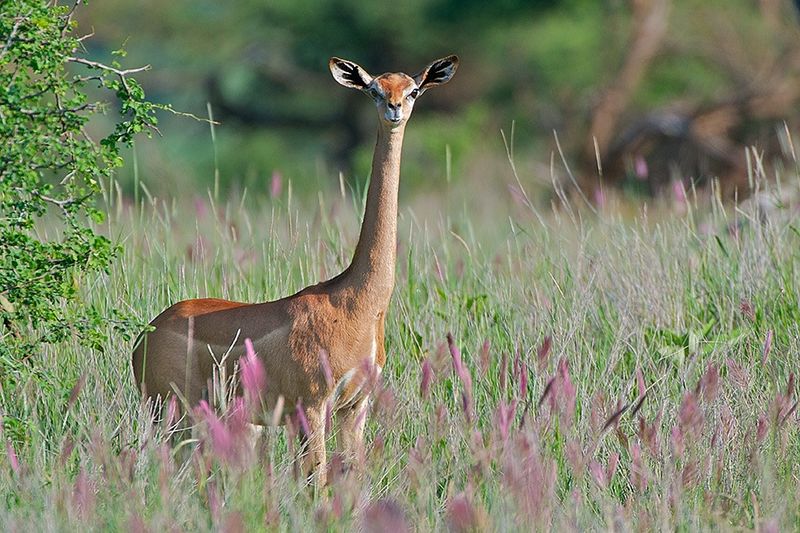
Best for curious young wildlife spotters. Samburu is home to the Samburu Special 5: Grevy’s zebra, reticulated giraffe, gerenuk, Beisa oryx, and Somali ostrich. The gerenuk stands on its hind legs to reach higher branches, which is a neat party trick and an excellent addition to the family dinner-table conversation.
Amboseli
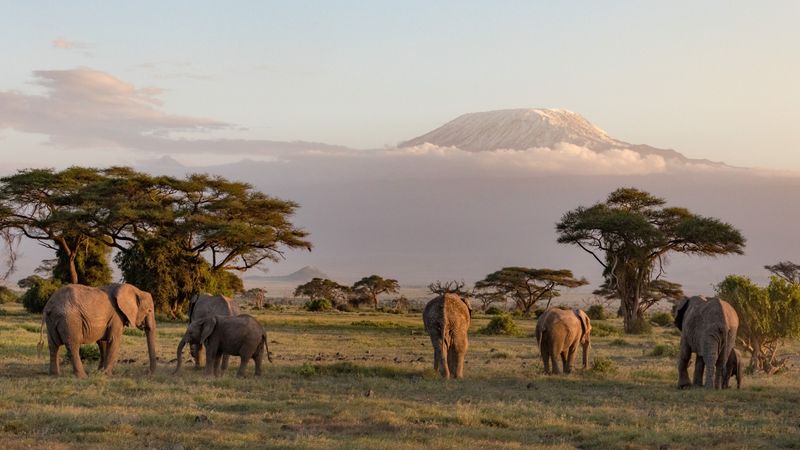
Elephants. Elephants. Elephants. Amboseli is famous for its big tuskers, and the open plains make it easier for little ones to follow the herds as they move. And don’t forget about the Kilimanjaro views!
Which Kenya Safari Lodges Are Best for Families?
The best lodge isn’t necessarily the one with the most bells and whistles. Look for the things that’ll genuinely improve your stay, whether that’s separate bedrooms, activities for younger guests, or the freedom to get out and explore. Here are our Travel Experts’ top five family-friendly lodges in Kenya.
Sanctuary Olonana, Maasai Mara
Set beside the Mara River, Sanctuary Olonana has three Family Suites, each with an additional bedroom, giving parents and children more room to themselves. Floor-to-ceiling glass doors bring the river into view, where hippos grunt and snort below.
Children of all ages are welcome, although families with children aged six and younger need to book a private safari vehicle for game drives. Families can also cool off in the pool or settle into the library lounge after a day of activities.

&Beyond Kichwa Tembo Tented Camp, Maasai Mara
At Kichwa Tembo, interconnected Superior Family Tents give children some independence while keeping parents close by, making early bedtimes and some grown-up downtime easier to manage.
Beneath the forested Oloololo Escarpment, warthogs occasionally wander through camp, while private safari vehicles and childminding give families more freedom to enjoy the Mara on their own terms. Younger guests have activities of their own to look forward to, too.
Asilia Naboisho Camp, Mara Naboisho Conservancy
Naboisho Camp has just nine tents, including two spacious Family Suites. Each has two en-suite bedrooms, a shared lounge and dining area, and a private veranda with its own firepit.
With a minimum guest age of five, the camp is well suited to families with school-age children. Spend the day spotting wildlife together, then swap safari stories around the fire before settling into your canvas suite to the sounds of the African night. There’s room for family time, with a little privacy for parents, too.
Lewa Wilderness, Laikipia
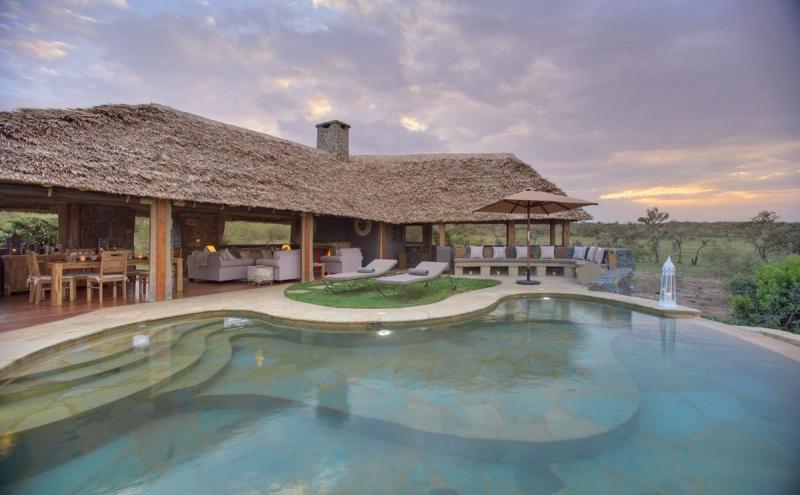
Lewa Wilderness has a homely feel. Its thatched cottages sit on the hillside or among the gardens, with fireplaces and private living spaces that make it easy to settle in. The main house brings everyone together for meals around a communal table, while the cottages offer somewhere to retreat when the day is done.
That balance of shared time and personal space works particularly well for families. Children can have room to unwind, while parents can enjoy the more relaxed pace of a camp that feels lived-in rather than purely functional.
Elewana Tortilis Camp, Amboseli
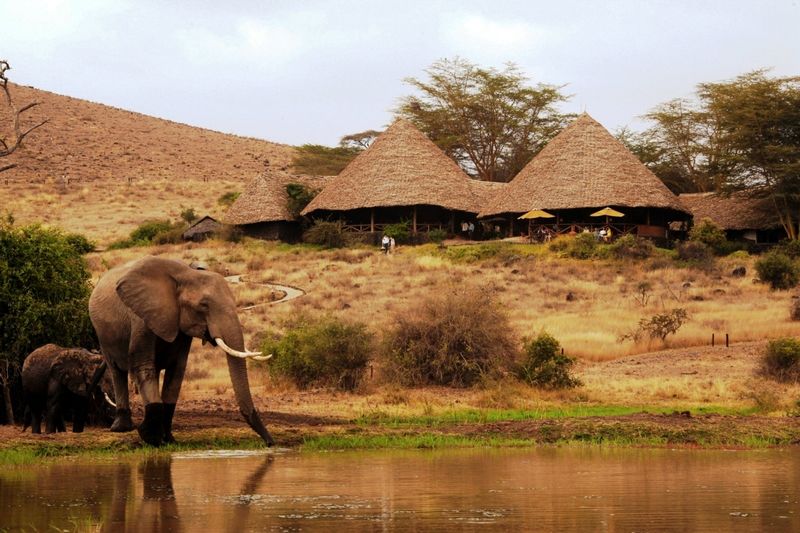
In Amboseli’s elephant country, Tortilis offers the chance to watch herds move across the plains, with Mount Kilimanjaro appearing when the skies are clear. Its Family Tent and Private House have separate bedrooms, while the swimming pool gives children somewhere to cool off between outings. Even the most dedicated young elephant enthusiast needs a break from time to time.
What Can Children Do on a Kenya Safari?
A safari needn’t mean sitting quietly in a vehicle and pointing at the horizon. Depending on where you stay, children can learn practical skills, meet people working in conservation, or explore the landscape on foot and horseback.
Learn the Skills Behind the Safari
At &Beyond Kichwa Tembo, the WILDchild programme introduces younger guests to traditional fire-making and beadwork with Maasai women. Guided walks teach them to recognise birds and animal tracks, turning every patch of soil into a map.
Meet the Dogs Protecting Wildlife
At Loisaba Conservancy, families can get a glimpse behind the scenes of conservation, with a visit to the operations room and a live demonstration by the conservancy’s trained tracker dogs. These four-legged professionals help with anti-poaching patrols and search-and-rescue operations.
The experience is subject to availability, but if the timing works out, it’s a lovely chance to meet the dogs and learn about their work.
Get Out and Explore at Lewa Wilderness
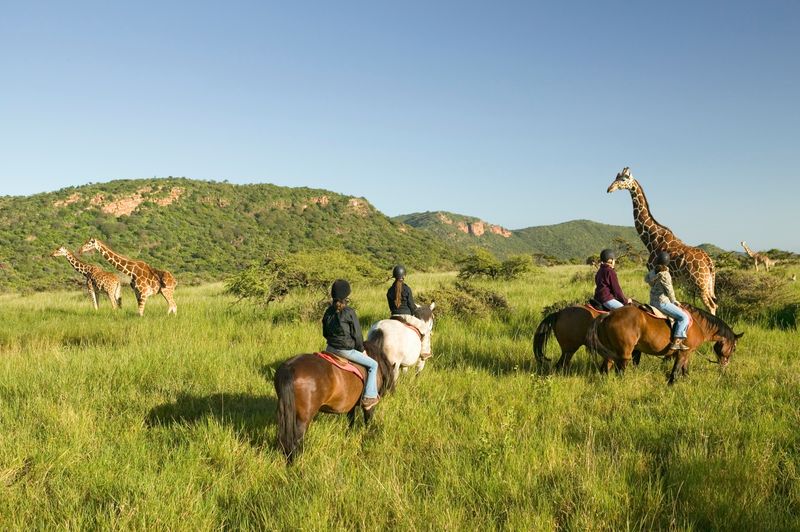
Little ones can embark on pony or camel rides, explore cave paintings, or go crab fishing in freshwater springs. In the nearby Ngare Ndare Forest, there’s even a suspended canopy walkway and waterfalls where you can swim. A welcome change of pace for children who’d rather be doing than sitting still.
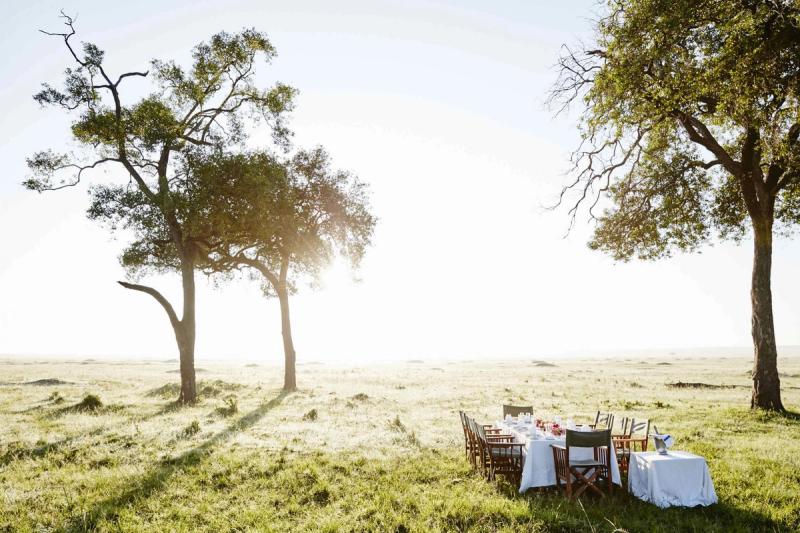
And this is only the beginning. Depending on where you stay, your family might spend an evening spotting constellations above camp, try fishing, or gather for a bush meal as the fire crackles and the sky darkens overhead.
Is a Private Safari Vehicle Worth It for a Family?
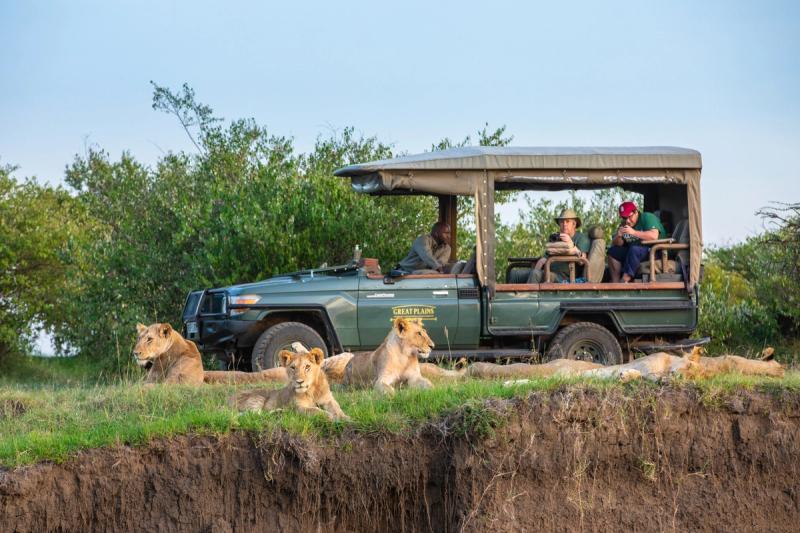
Yes, it absolutely can be. For families with toddlers or easily distracted young children, a private vehicle is often the single best investment you can make. It puts you in charge of the clock.
If little ones have had enough after 45 minutes, you can head back to camp. If your teenager wants to spend two hours waiting for a leopard to wake up, you can do that, too.
The catch? A private vehicle usually costs extra, and it’s not essential for every family. Older children who are happy following the camp’s schedule may do just fine on shared drives.
How Long Should a Family Safari in Kenya Be?
Five to seven nights is a good starting point for a family safari in Kenya. That gives you enough time to explore one or two regions without turning your holiday into a daily game of suitcase Tetris.
If you’re travelling with little ones, we’d recommend keeping transfers to a minimum and aiming for at least two or three nights at each camp. This will give you more time to settle in.
The golden rule? Fewer camps, longer stays, happier campers.
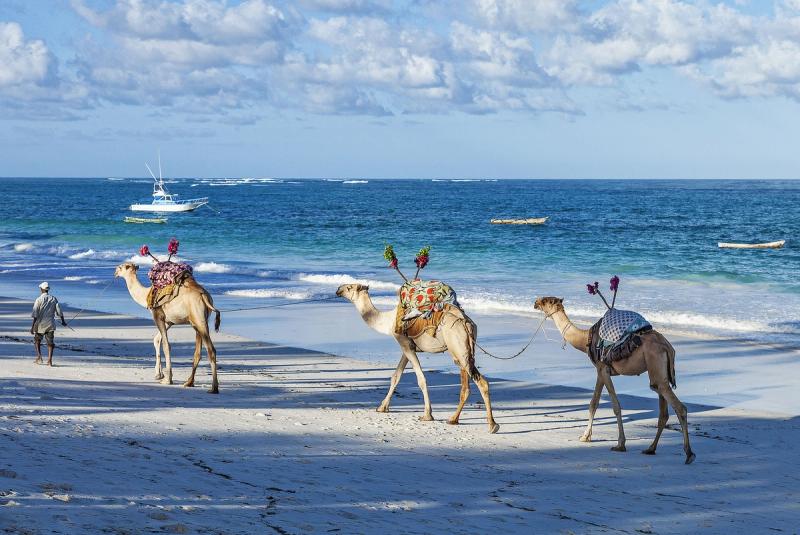
When Is the Best Time for a Family Safari in Kenya?
Kenya is a year-round safari destination, but timing can make a difference in what you see.
- June to October: The classic safari season, with drier conditions, easier wildlife viewing, and the Great Wildebeest Migration usually reaching the Maasai Mara from July. July and August are busy school-holiday months, so book family suites early.
- January and February: Generally dry and a good alternative if a mid-year trip doesn’t fit your school calendar.
- April and May: The long rains bring greener landscapes and potentially better rates. The trade-off is muddy roads and some camps closing.
- November and December: Fresh green scenery and occasional showers. Pack a rain jacket and don’t let the rain dictate the whole holiday.
For a closer look at the seasons, see our guide to the best time to visit Kenya.

What Do Families Often Forget to Ask When Planning a Kenya Safari?
It’s often the little details that make or break a family safari. We asked our Travel Experts what parents should sort out before booking. Three things came up:
“Tell us what your children will actually eat. If plain pasta is the safest bet, we can give the camp’s kitchen a heads-up. Bush kitchens are brilliant, but giving some notice goes a long way.”
“Don’t move camps too often. Changing beds every two days can wear thin quickly with a six-year-old, and the tears aren’t always just from the kids.”
“Ask exactly what ‘family room’ means. One camp might have a shared bathroom, while another offers separate en-suite bedrooms. It’s worth knowing where everyone will sleep before you arrive.”
Your Family Safari Questions, Answered
Let’s Plan Your Family Safari
Your family doesn’t have to agree on everything to have a brilliant safari. You just need a plan that takes everyone’s interests into account, from the wildlife your children are desperate to see to the experiences you want to share. Tell our Travel Experts about your family and what you’re hoping for, and we’ll help you put together a Kenya safari that feels like your kind of adventure.