
Even when you know Africa inside out, every so often a destination manages to catch you off guard. When Rhino Africa Travel Expert Daniela Fraser touched down in the Lower Zambezi, she arrived with the measured expectations of a seasoned specialist. She anticipated an understated wilderness of tranquil drives, modest game tallies, and gentle river cruises. Ten minutes into the transfer, that tidy mental filing system went right out the cruiser window. Before she had even reached camp, the Lower Zambezi had completely rewritten her standards. It’s why Zambia now holds the top spot on Daniela’s personal safari list – a bold claim from someone who has explored the continent's finest wild spaces. But listen to her recount the place, and the obsession makes sense. Here’s how the Lower Zambezi quietly tore up the rulebook.
The Truth About Leopard Land
Airport transfers are usually just a dusty formality to drop your bags, but the drive from Jeki airstrip had other ideas. Sitting in the open cruiser, three distinct landscapes collided in a single glance: an oxbow lagoon jumping with silver bream to her left, thick woodland to her right, and towering winter palms lining the dirt track ahead.
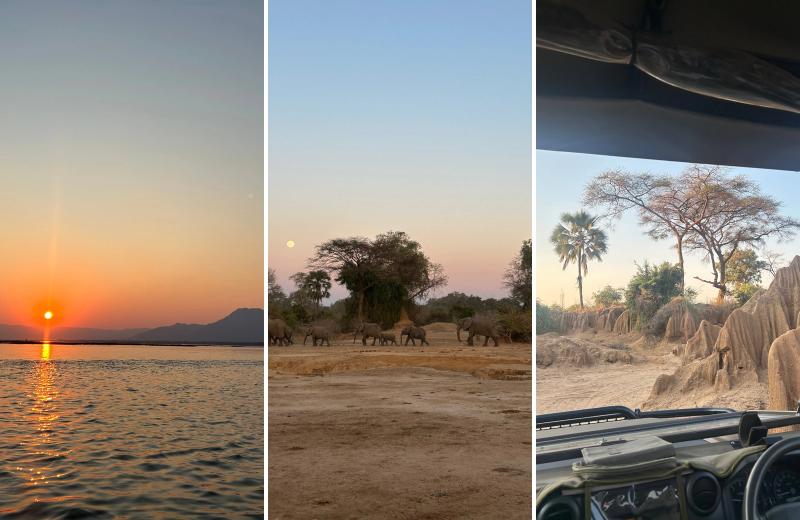
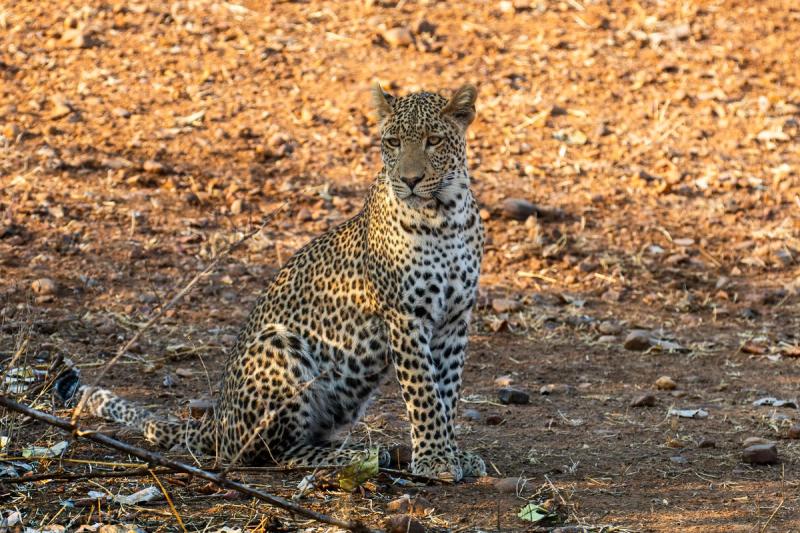
Daniela will freely tell anyone who asks that she was “painfully wrong” about the wildlife in Zambia, because while she was still taking in the fact that three ecosystems were sharing the same patch of earth, the bush delivered its first surprise: a leopard, casually strolling through the forest clearing. She hadn't even checked into camp yet.
And the encounters kept coming with such regularity that Daniela soon started calling the park "leopard land". In many other safari regions, tracking a leopard usually means squinting through dense thorn scrub or hoping an elusive tail appears behind a mopane thicket. Along the Zambezi, the drama unfolds across open, sun-bleached woodland.
The pale earth mirrors the leopard's coat so perfectly that the cat remains almost invisible against the dust – until it moves, fluid and unbothered, through the trees in broad daylight.
"When I thought of the Lower Zambezi, I thought: quiet. You're not going to see leopards. Boy, was I wrong.”
In the Mix: Where the River Sets the Pace
Water safaris can sometimes keep you at a polite distance, where the wild stays safely on the horizon. The Lower Zambezi had a much more intimate invitation in store for Daniela.
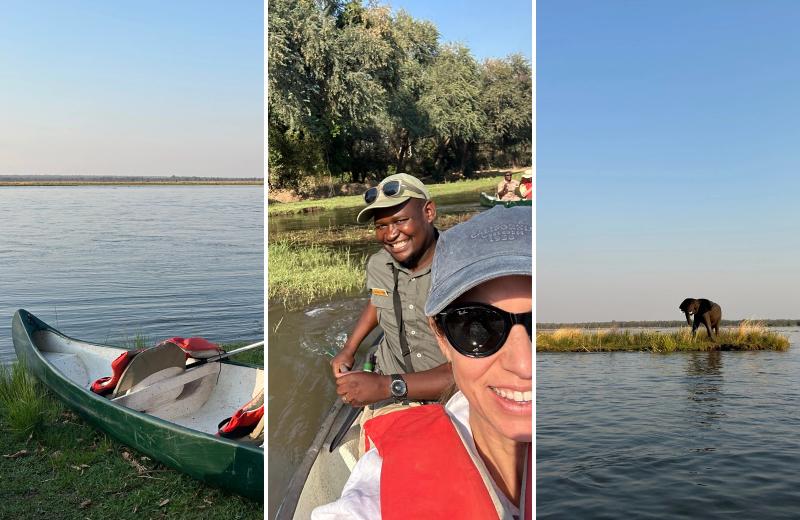
The moment she settled into a canoe and pushed off from the bank, that sense of detached observation vanished. Gliding along narrow side channels, she found herself level with pods of hippos dozing in the deeper pools, their ears flicking cool spray into the morning light.
Rounding a bend, she watched in wonder as a family of elephants waded straight into the open water, effortlessly swimming towards a grassy sandbank with their trunks raised like periscopes.
"When you do the water activities, you're in the mix. It's thrilling – you’re genuinely right there."
Haunches, Heavy Lifting, and Riverbank High-Rises
Spend enough time on safari, and checking off species lists loses its appeal. Daniela’s focus is entirely on interaction and nuance: the unscripted problem-solving that reveals how animals genuinely adapt to their surroundings.
Take the elephant that invented its own engineering solution. Daniela’s guide cut the game-drive vehicle's engine beside a large winterthorn tree, laden with protein-rich seed pods dangling just out of trunk reach.
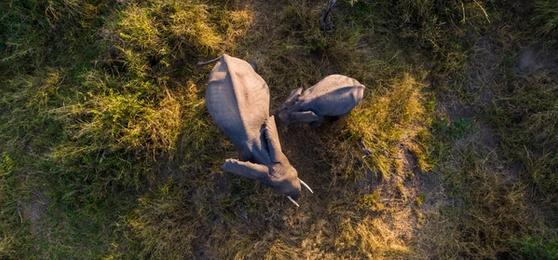
Instead of stripping the lower bark and walking away, the elephant lowered its massive frame onto its hind haunches, shifted its centre of gravity, and shoved its skull against the trunk with measured force. The entire canopy shuddered, raining pods onto the dirt.
It was deliberate, athletic problem-solving, witnessed without another safari vehicle in sight.
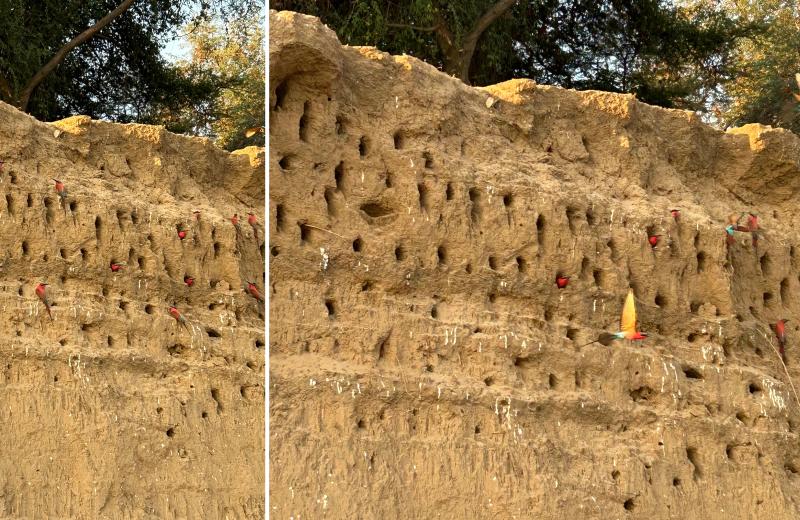
Later, the river revealed wildlife of a different scale. Along a steep, crumbling clay embankment, hundreds of tiny burrows turned the earth into an avian high-rise. Southern carmine bee-eaters were darting in and out of the tunnels, their scarlet plumage catching the afternoon light as they skimmed the waterline to snatch insects in mid-air.
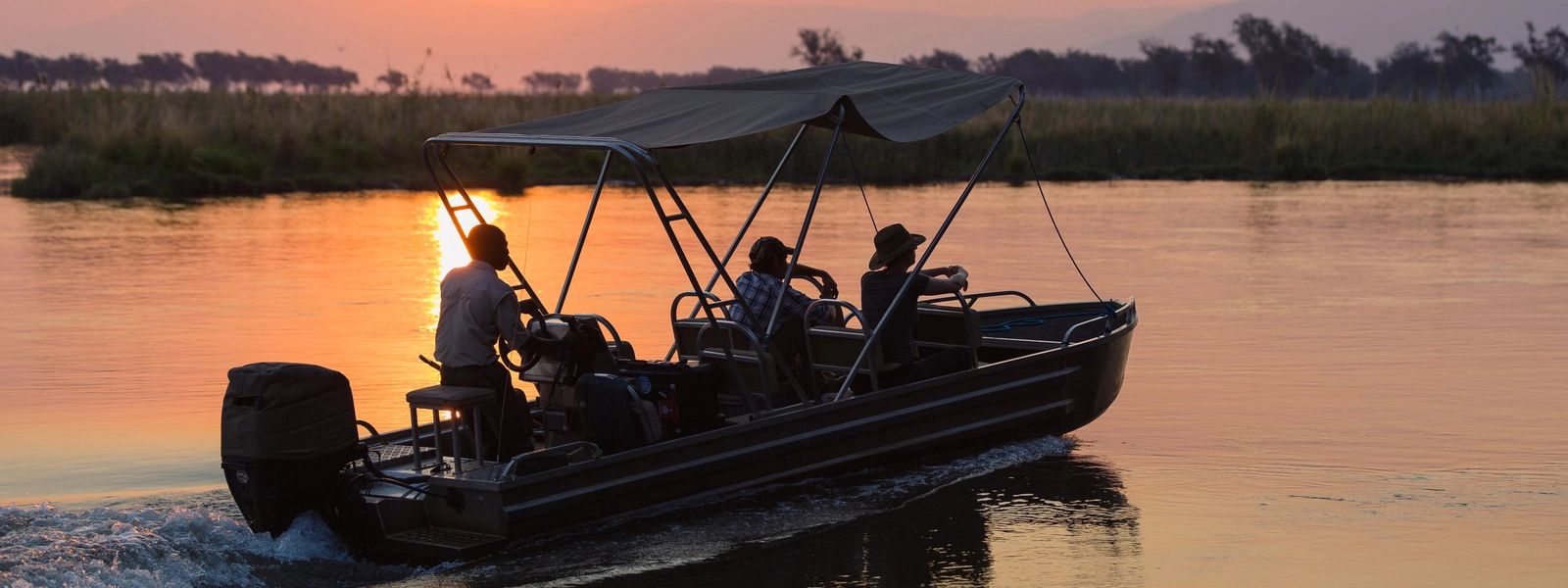
Daniela’s boat sat anchored beside the clay wall for an hour, engine off, letting the rush of red wings and river silence take over.
"Those are the experiences that you just don't see elsewhere. It’s the most underrated wilderness on the continent."
Boots in the Dust, Feet in the Current
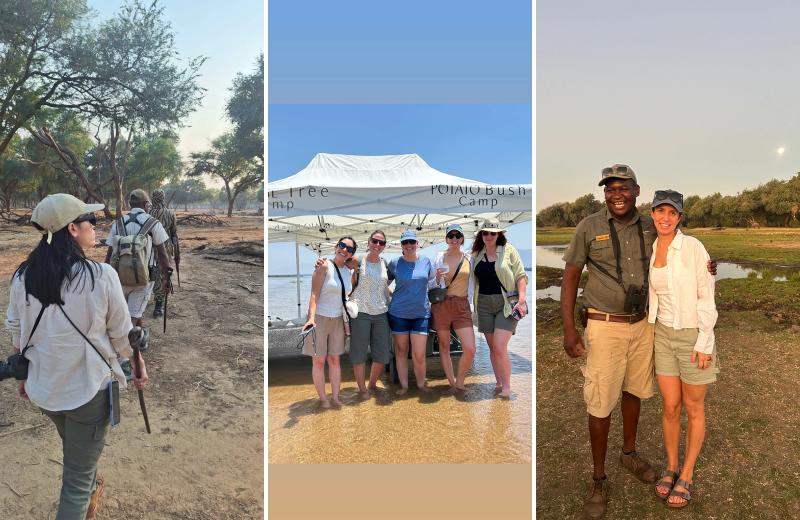
Stepping out on foot is where the bush drops any lingering pretence. Daniela will be the first to tell you she didn't expect much from it.
"I’ve been on plenty of bush walks over the years, but this was elevated to another level entirely."
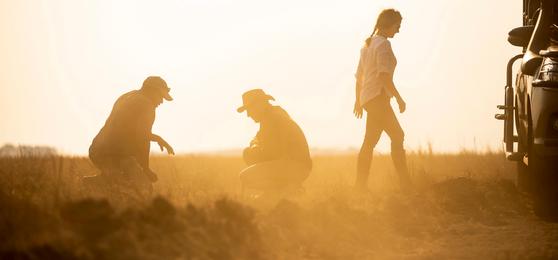
The surprises arrived unannounced. After developing an unexpected flare-up of hives, Daniela remembered a fascinating lesson from earlier in the trip about the traditional folklore of the sausage tree. Spotting a fallen pod mid-trek, she decided to put the local legend to the test. She asked their guide to slice open the fibrous fruit, rubbed the pulp across her skin as a spontaneous bush experiment, and 45 minutes later, the irritation had completely cleared.
Midday delivered the ultimate plot twist: the sandbank lunch.
Rather than retreating under canvas, the crew carried a dining table and chairs out into the river shallows. Daniela kicked off her dust-covered boots, sat down with a crisp glass of white wine, and ate lunch with the cool Zambezi current swirling around her ankles while a pod of hippos dozed on a sandbar downstream.
It was simply impossible to stage.
Rooted in the River, Shaped by the Land
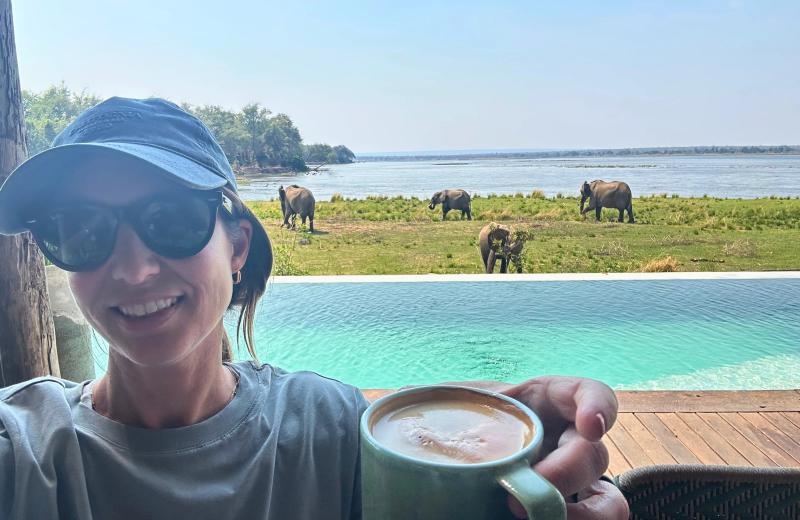
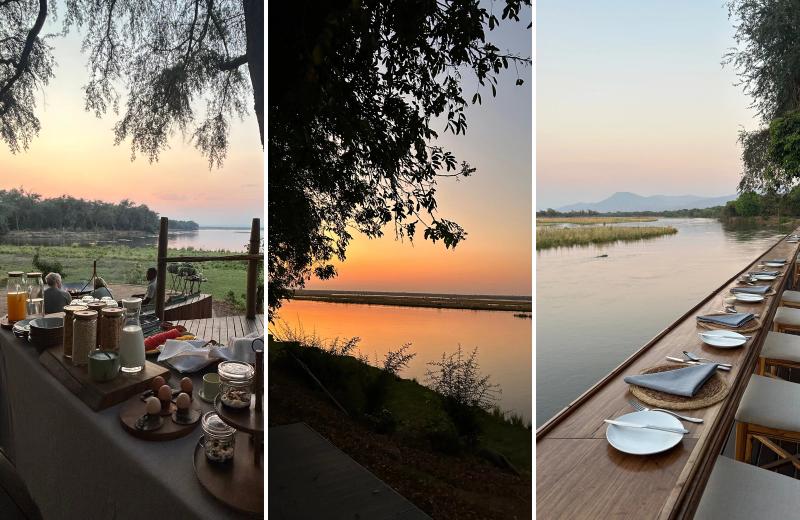
The safari doesn’t stop when you return to the lodge. At Sausage Tree Camp, Daniela’s proclaimed favourite, the layout turns the main deck into what she calls "armchair theatre".
Breakfast is served along an open-air lookout deck fronting a wide channel and a grassy river island. While you crack into poached eggs and pour fresh coffee, elephants are picking their way across the mudflats, Cape buffalo are grazing the margins, and hippos are surfacing every few minutes with wet, resonant huffs.
Between courses, Daniela watched a camp guide take a guest's young son down to the edge of the timber deck, handing him a rod to drop a line straight into the water below.
Watching the two of them lean over the railing while elephants grazed in the distance, she loved how unforced it felt. You never feel like an outsider looking into a wild bubble; the river invites you straight in.
Handwoven Artistry and Fishy Tales
Downriver at Lolebezi, the atmosphere leans into refined, modern architecture without forgetting who belongs to the land. Local craftsmen and women were commissioned to hand-weave the striking reed fixtures and sweeping hanging installations throughout the lounge, drawing straight from indigenous river reeds and traditional Zambian techniques.
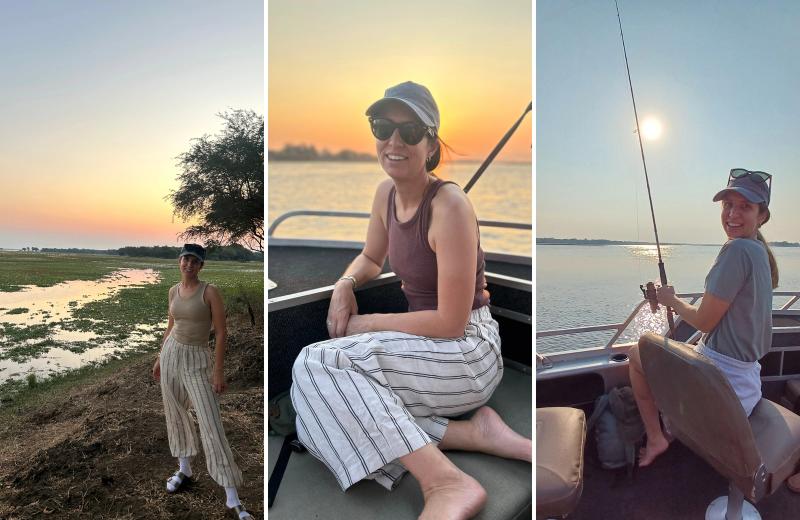
It was also where Daniela had the opportunity to try her luck at fishing. Out on the water, she hauled in a catfish that put up an almighty scrap before being released back into the current.
Reflections in the Water
Ask Daniela about Lower Zambezi, and she won't point to a single hero sighting. It’s the entire package.
"It's in a league of its own.”
The Lower Zambezi refuses to act like a polite, secondary alternative to the continent’s better-known parks. It’s uncrowded, uncompromising, and startlingly wild – a place where elephants sit down to shake trees, leopards patrol open sand, and the river reminds you what real wilderness feels like.
Add in the shifting afternoon light hitting the escarpment, and it becomes an absolute paradise for anyone with a camera.
Her advice for travellers looking to experience it properly? Don't treat it as a fleeting pitstop.
"Spend at least four nights here. People often rush through on whirlwind multi-stop trips, but the Zambezi rewards you when you actually settle in."
Pair it with a few days upstream at Victoria Falls to take in the thunder of the gorge, then fly down into the Lower Zambezi to let real, raw Africa take over.
Ready to Put Yourself in the Mix?
That tidy mental categorisation Daniela brought on the flight to Jeki airstrip now sits firmly at the bottom of the river, and Lower Zambezi National Park sits firmly at the top of her favourites list.
If you want to stop scratching the surface of Africa and want to encounter it with the handbrake off, Daniela and our Rhino Africa Travel Experts are waiting to build your expedition.
Feature Image Credit: Sausage Tree