
We know what you're thinking: what do you mean, walking into the African bush on foot? Have we lost the plot? Not quite! Walking safaris are a time-honoured part of the African safari experience, and for good reason. With an expert guide by your side, you'll discover a different way to experience the wilderness. Intrigued? Let's get you up to speed on everything you need to know before you lace up your boots.

What Is a Walking Safari?
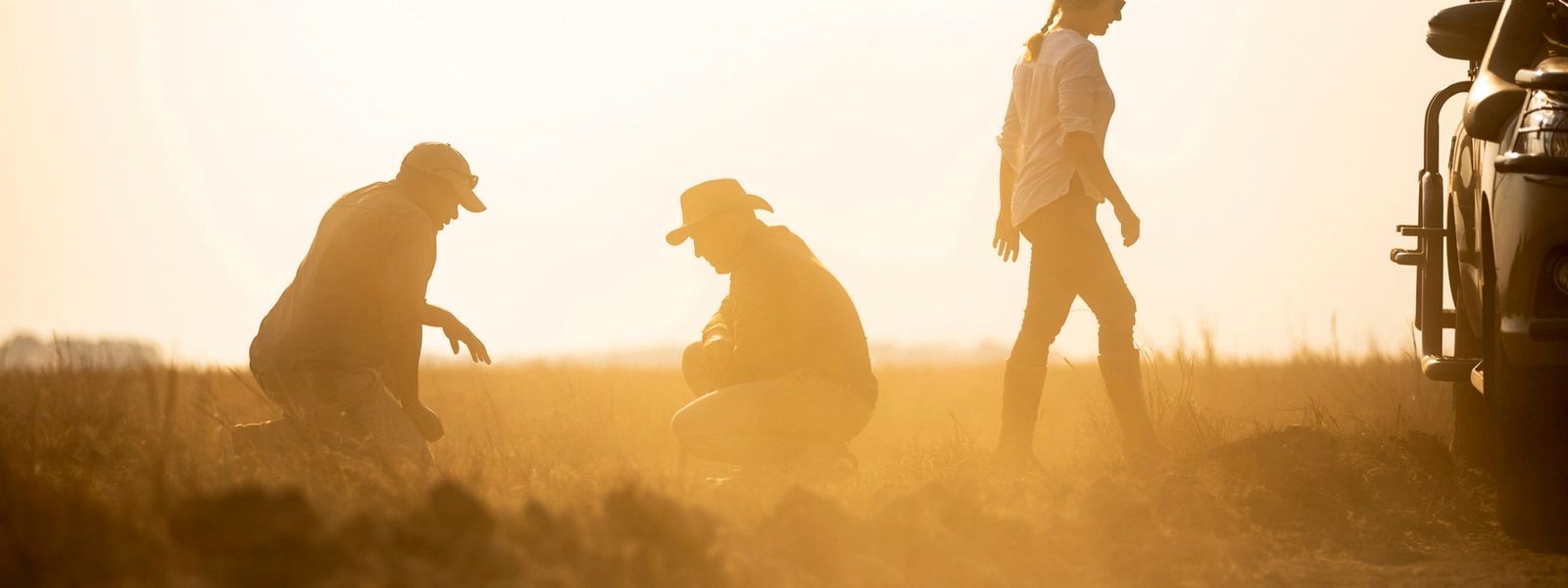
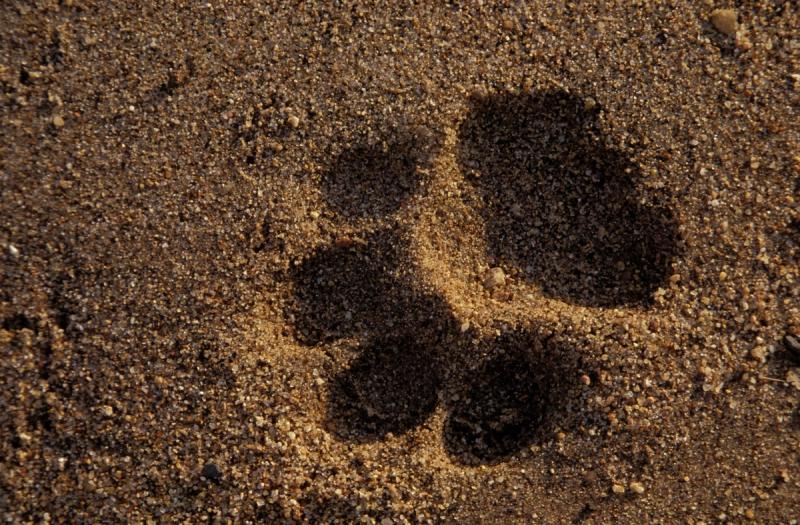
Boots on, binoculars ready, you follow your guide into the wild. They pause beside a footprint pressed into the dust, studying its shape and depth like a detective piecing together a case. The tracks are fresh, and somewhere nearby, an animal has passed through.
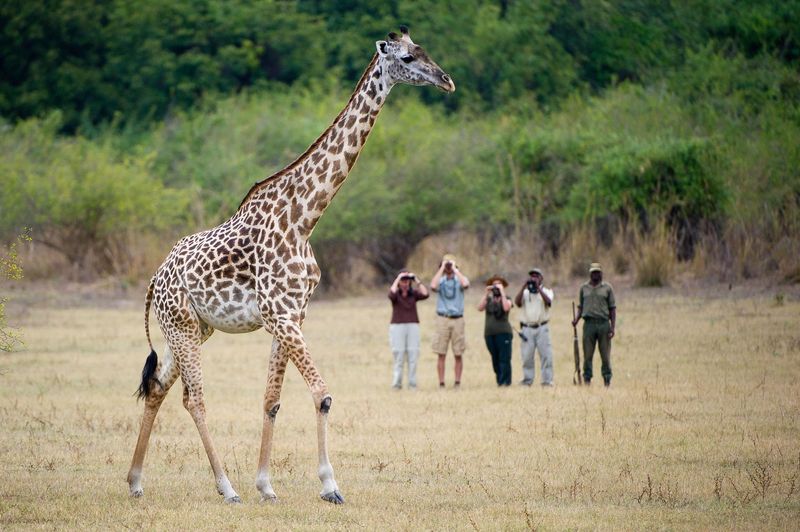
Suddenly, a broken twig or a flicker in the grass becomes worth a closer look. On foot, even the smallest details can tell a much bigger story. That's the beauty of a walking safari. Rather than watching from the seat of a 4x4, you're right in the thick of it.
Part naturalist, part detective, your guide helps make sense of what you're seeing, from wildlife behaviour and tracks to the plants that sustain the ecosystem. Before setting off, they'll walk you through the safety rules, then adapt the route to the conditions and your group.
Not every walking safari is the same. A guided bush walk from a lodge might see you following a dry riverbed, exploring the surrounding woodland or stopping to watch a herd of antelope from a different vantage point. These shorter outings typically last a couple of hours, while more adventurous options take you deeper into the wilderness, with multi-day trails, longer distances on foot and nights spent at temporary camps along the way.
What Makes a Walking Safari So Special?
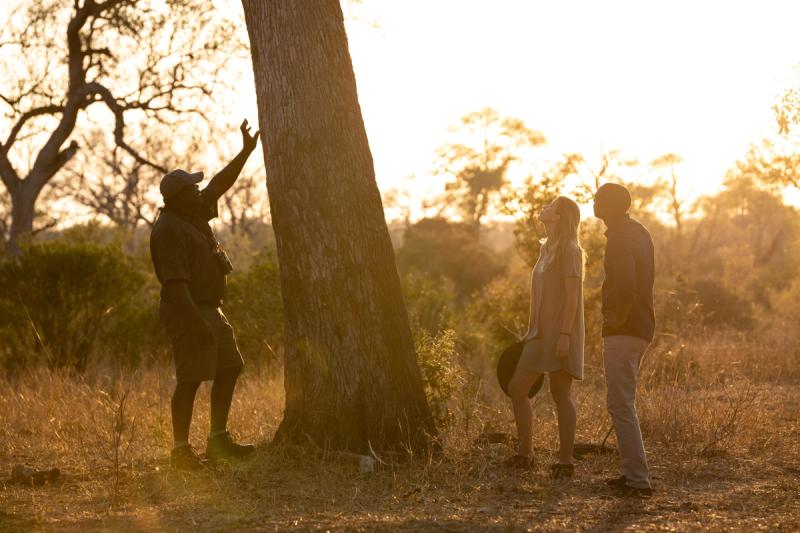
Your guide might stop beside a termite mound to explain how these industrious little architects help shape the landscape. An elephant's feeding habits might show how one animal creates opportunities for another. Even a tree gets more interesting once you discover who's been eating it, nesting in it, or using it for cover.
Then there's the soundtrack. A call can tell you which bird is nearby, while a sudden burst of alarm calls might mean something has disturbed the peace. You'll soon learn to tell them apart and work out what they mean. Before long, you're paying attention to a whole cast of characters you'd barely notice from a safari vehicle.
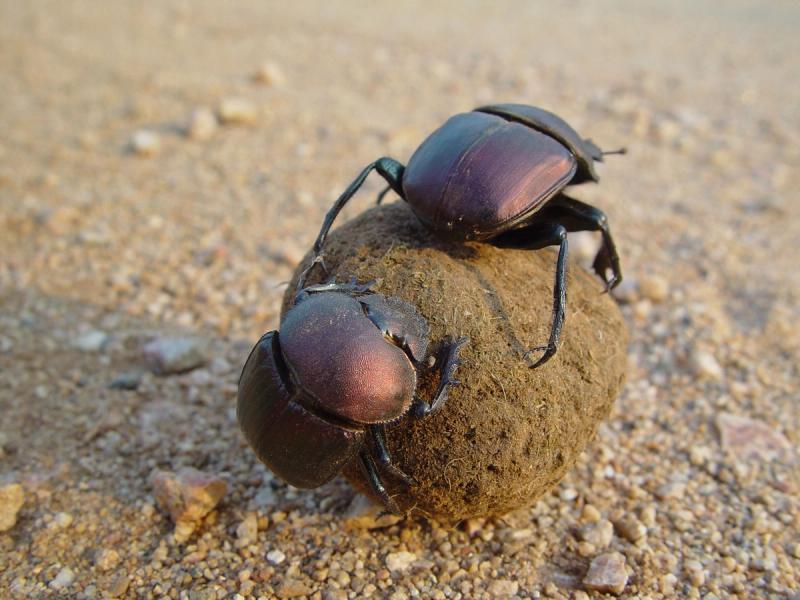
And yes, there's the dung. What looks like an unfortunate obstacle on the trail can unearth what an animal's been eating, how recently it passed through, and even which species left it. Few things capture the curious education of a walking safari quite like becoming genuinely invested in droppings.
Where Should You Go on a Walking Safari?
From the valley where walking safaris were born to islands reached by mokoro, each destination offers a different reason to explore Africa on foot. Here's where to start.
South Luangwa, Zambia: The Home of the Walking Safari
South Luangwa has serious walking safari credentials. Conservationist Norman Carr helped pioneer the modern walking safari here, and that tradition remains central to the experience today.
The Luangwa River winds through riverine woodland and open plains, while its banks draw wildlife into a landscape shaped by the seasons. On foot, tracks pressed into the dust offer clues about what has passed through and how it uses the terrain.
Kruger National Park, South Africa: A Different Side of the Wild
The Greater Kruger is one of Africa's best-known safari destinations, and exploring it on foot shows you just how varied it is, from open savannah and riverine woodland to rocky outcrops and dense thickets.
At Rhino Walking Safaris in southern Kruger, walking isn't an activity squeezed between game drives. It's the main event. Mornings begin with a walk before brunch, while late afternoons bring another outing after tea. When the day's walking is done, you can spend the night on a raised wooden sleep-out deck beneath the stars.
For a canvas-under-the-stars adventure, Kruger Untamed also offers seasonal walking safaris. Spend your days exploring on foot, then swap your boots for a campfire and a well-earned sundowner.
In the far north, Pafuri Walking Trails offers seasonal guided walks through the floodplains of one of the national park's most biodiverse corners.

Okavango Delta, Botswana: Where Land Meets Water
In the Okavango Delta, your journey can begin on the water, gliding through narrow channels in a traditional mokoro before stepping onto an island to explore on foot.
Papyrus reeds fringe the channels, floodplains open between islands, and woodland offers shade and shelter to the creatures that call it home. Water levels shift through the year, changing the balance of channels, islands, and floodplains.
At Camp Okavango, guided island walks are part of a broader experience of the Delta. And if you'd like to spend a little longer beneath its vast skies, the camp also offers an elevated sleep-out deck, available seasonally from 1 April to 31 October.

Mana Pools, Zimbabwe: Into Elephant Country
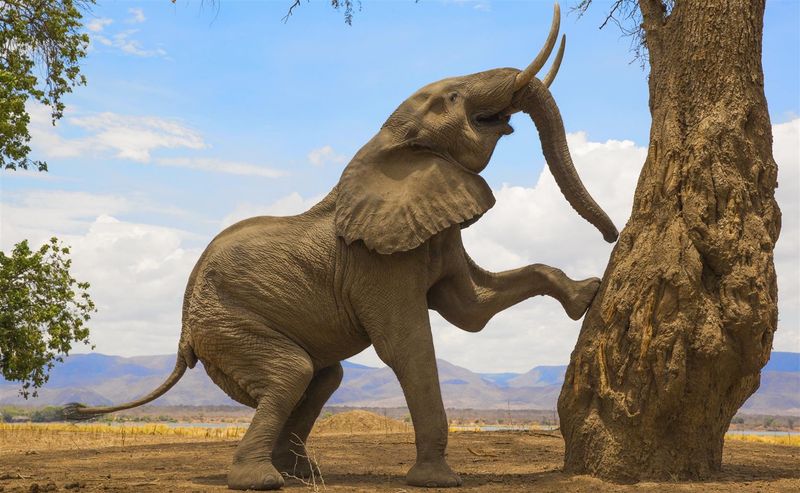
Mana Pools is famous for its elephants, particularly the bulls that stand on their hind legs to reach seed pods and leaves high in the trees. Watching this from a vehicle is impressive. Standing on the same ground, you feel just how big these animals really are.
Along the Zambezi River, beneath the spreading winterthorn trees, you might follow fresh elephant tracks across the floodplain or watch a bull stretch upwards for its next mouthful of leaves, all under the watchful eye of your guide.
Elephant encounters are certainly possible, and there's something extraordinary about seeing these giants from ground level. Your guide will assess their behaviour, maintain a safe distance and decide when it's best to move on.
How Safe Are Walking Safaris?
Walking alongside wild animals isn't exactly a stroll in the park. It calls for care, respect, and a good guide. Walking safaris are led by experienced professionals trained to read animal behaviour, assess potential risks, and make decisions about when to proceed, pause, or give a little more breathing room.
Here are a few simple rules to put your mind at ease:
- Listen to your guide. Their instructions take priority, particularly during wildlife encounters.
- Stay with the group. Even the most intriguing tracks are no reason to wander off alone.
- Respect wildlife's space. Your guide decides how close is close enough.
- Stay alert. Watch where you're walking and pay attention to what's happening around you.
How to Prepare for a Walking Safari
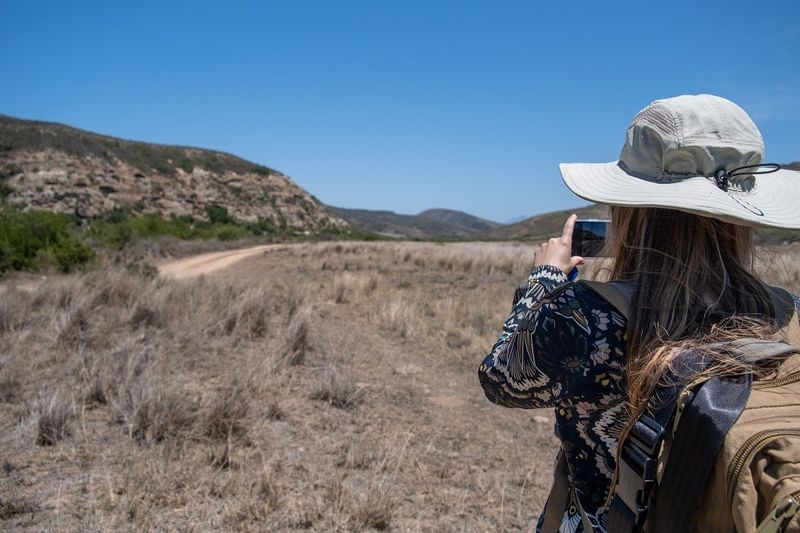
Don't worry, no special forces training is required. But when your morning plans involve walking through wild country, a little preparation goes a long way. Here's how to get ready for the trail.
What Should You Wear on a Walking Safari?
- Sturdy, broken-in walking shoes or hiking boots: Blisters have no place in the adventure. Your footwear should suit the terrain and duration of your walk.
- Lightweight, long clothing: Breathable long-sleeved shirts and trousers help protect you from the sun, scratches, and insects.
- Neutral colours: Khaki, olive, and earthy tones help you blend into the bush. Heading to South Luangwa or Mana Pools? Leave dark blue and black at home, as tsetse flies find them irresistible.
- A hat, sunglasses, and sunscreen: Shade can be scarce, and the African sun doesn't wait for you to find a tree.
- Layers for chilly mornings: Temperatures can change quickly once the sun climbs, so bring something warm you can easily remove.
For the full packing list, see our guide to what to pack for a walking safari in Africa.

How Fit Do You Need to Be?
Some walks take a leisurely pace, while others cover longer distances, particularly on multi-day trails. Shorter bush walks are often suitable for anyone comfortable on their feet, while longer trails may call for a reasonable level of fitness. You certainly don't need to be a seasoned hiker for every walking safari.
Let our Travel Experts know about any mobility concerns or fitness limitations before booking, and they'll help you find a walking safari that feels right for you.
What Age Can You Go on a Walking Safari?
Minimum ages vary by camp, operator, and type of walk. In Kruger National Park, SANParks' standard guided walks are restricted to participants aged 12 and older, while other experiences may set different limits.
If you're travelling with younger children, ask your Travel Expert about family-friendly walks that focus on tracks, plants, birds, and insects rather than encounters with big game.
When Is the Best Time to Go?
The best time depends on where you're headed, as camp opening dates vary between destinations. Many walking-focused camps operate in the drier months, when the grass is shorter and the ground is firmer. For you, that means easier walking and better visibility.
Is a Walking Safari Right for You?
So, are you ready to swap four wheels for two feet, or still on the fence? Here's how to decide if a walking safari is for you.
You'll love it if you:
- Enjoy learning about tracks, bird calls, plants, and smaller creatures
- Prefer a slower, more immersive experience
- Are comfortable walking outdoors over uneven terrain
Game drives may suit you better if you:
- Want to cover more ground and look for a wider range of species.
- Have specific animals on your list
- Would find long walks, heat, or uneven terrain uncomfortable
Can't choose? You don't have to. Many safari lodges offer both game drives and guided walks, giving you a chance to cover ground by safari vehicle before slowing down to examine a tree or identify a bird call on foot.

Walking Safari FAQs
Ready to Take the Trail?
Somewhere out there, a guide is waiting to show you a side of Africa you might never have noticed from the passenger seat. Get in touch with one of our Travel Experts, and let's find the walking safari that's right for you.
Feature Image: Wilderness Shumba Camp