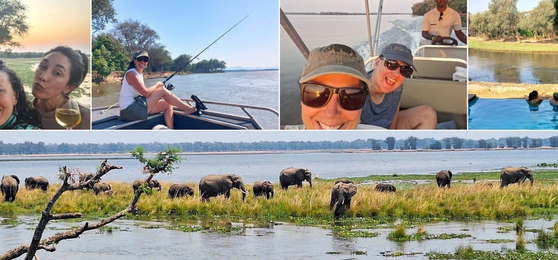

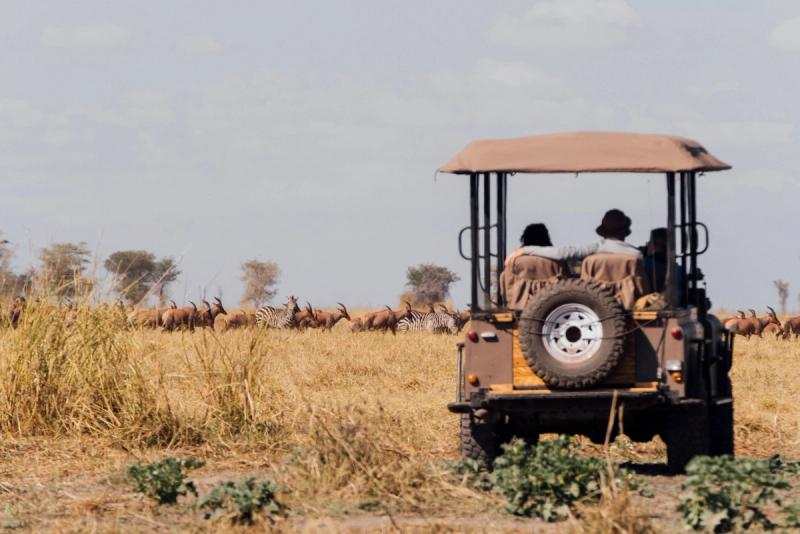
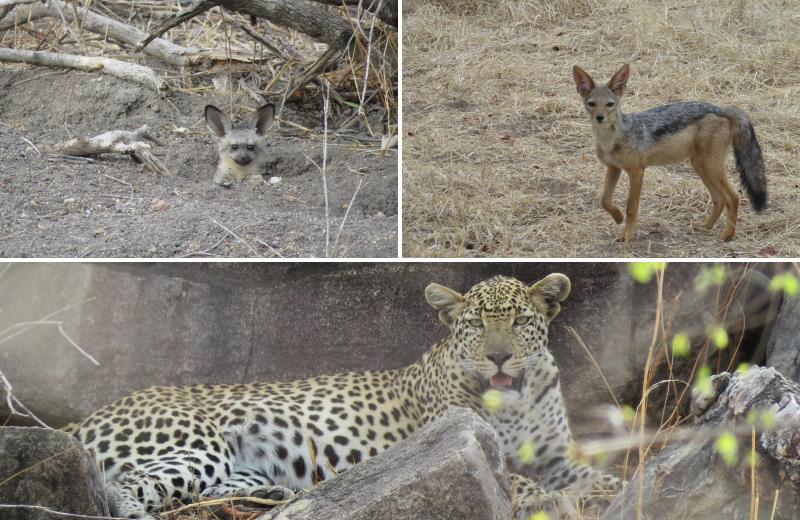
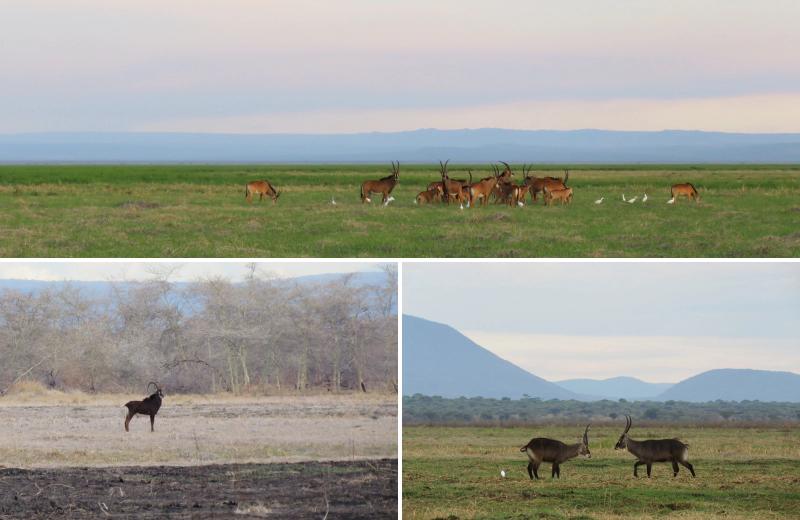
You don’t usually expect to be handed a clipboard on a game drive. But in the Usangu Wetlands, our Travel Expert Landy Kent-Millar found herself tallying the wilderness. One sable – ticked. Roan? Tick, tick. Waterbuck? Tick times a hundred. Each sighting became a vital data point tracking the revival of southern Tanzania's wildlife. This raw look at conservation in motion perfectly framed her two-week journey across a diverse, uncrowded region. Stepping far off Tanzania’s familiar northern routes, Landy returned with a singular conviction: this untamed frontier demands to be seen.
Usangu: Conservation at its Core
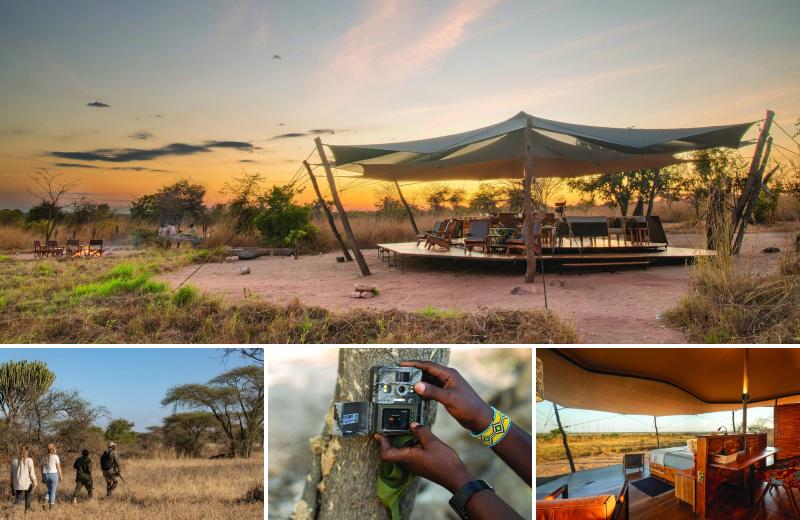
For Landy, that initial clipboard tally is just one part of the experience at Usangu Expedition Camp. This property feels less like a traditional lodge and more like a remote, immersive research station.
The thrill of discovery here continues after dark. As dusk falls, Landy and her fellow guests are invited to position camera traps in the surrounding bush to capture the secretive movements of nocturnal visitors.
The following evening, the footage is broadcast during camp presentations, sparking a friendly competition over whose camera secured the most extraordinary sightings. Rather than feeling like mandatory fieldwork, this optional participation simply gives the journey a deeply rewarding purpose.
A powerful drive underpins this real-time record-keeping. Years of unsustainable land use placed enormous pressure on the Usangu Wetlands, threatening an ecosystem that plays a vital role in sustaining the Great Ruaha River.
Today, Asilia Africa supports conservation and ecological research in the area, inviting guests to play a small but meaningful part in its recovery. From recording wildlife sightings to monitoring animal movements, these observations help researchers understand which species are returning and how the ecosystem is responding.
For Landy, knowing that her own discoveries could contribute to Usangu's future made the experience all the more rewarding.
“It was such a hands-on experience; everyone is contributing. I felt like I was in a National Geographic documentary.”
Where Wetlands Meet Woodland
As Landy explored Usangu, its habitats shifted dramatically.
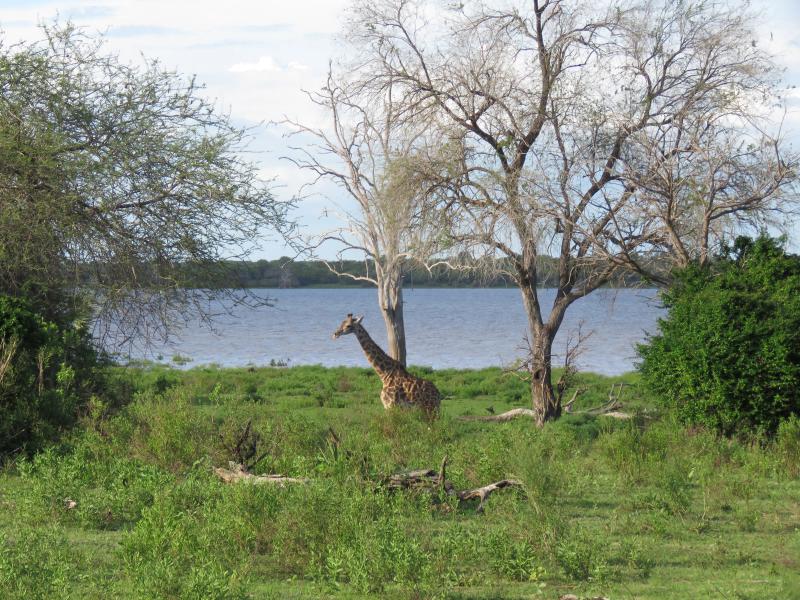
Even visiting during the drier shoulder season – when the wetlands retreat to reveal surprisingly lush, wide-open spaces – she found that the land remains a study in striking contrasts.
In one direction, the wilderness stretches into vast grasslands. Turn your head, and a dense, impenetrable forest presses in, growing so thick it's nearly impossible to peer through the trees.
Connecting these two extremes are natural corridors bordered by woodland, offering rich feeding grounds that draw in staggering concentrations of wildlife. Moving through these transitional zones, Landy encountered hundreds of antelope rarely seen in such concentrated numbers further south.
“It was one of the most action-packed safari experiences I’ve had.”
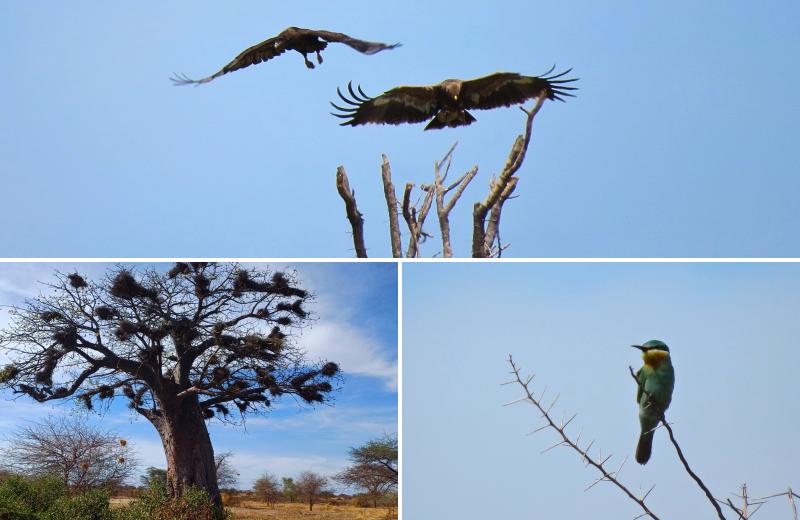
The skies above command just as much attention. Landy recalls the sheer volume of the birdlife, watching hundreds of birds swoop low towards the earth before rising together in synchronised formations.
But of all the sightings, one particularly vivid encounter at dusk stayed with her most. A marsh owl materialised directly in front of the safari vehicle and hovered effortlessly in the air, peering intently through the windscreen.
“It was as if it was inspecting every single one of us.”
In Usangu, you aren't just watching the wilderness – it's watching you right back.
Ruaha: A Landscape of Contrasts
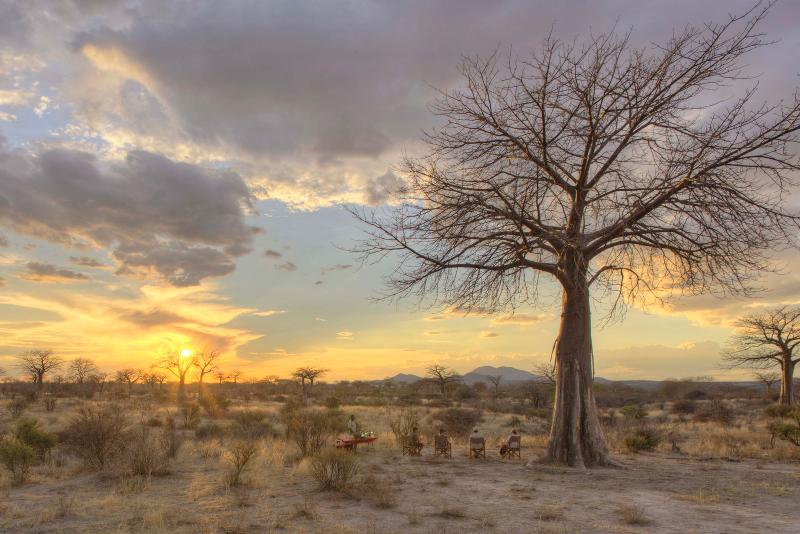
The scenes changed yet again as Landy journeyed north from the wetlands into the heart of Ruaha National Park, Tanzania's second-largest national park. Here, the geography beautifully reinvents itself, shedding the dense wetland forests for a theatre of rugged extremes.
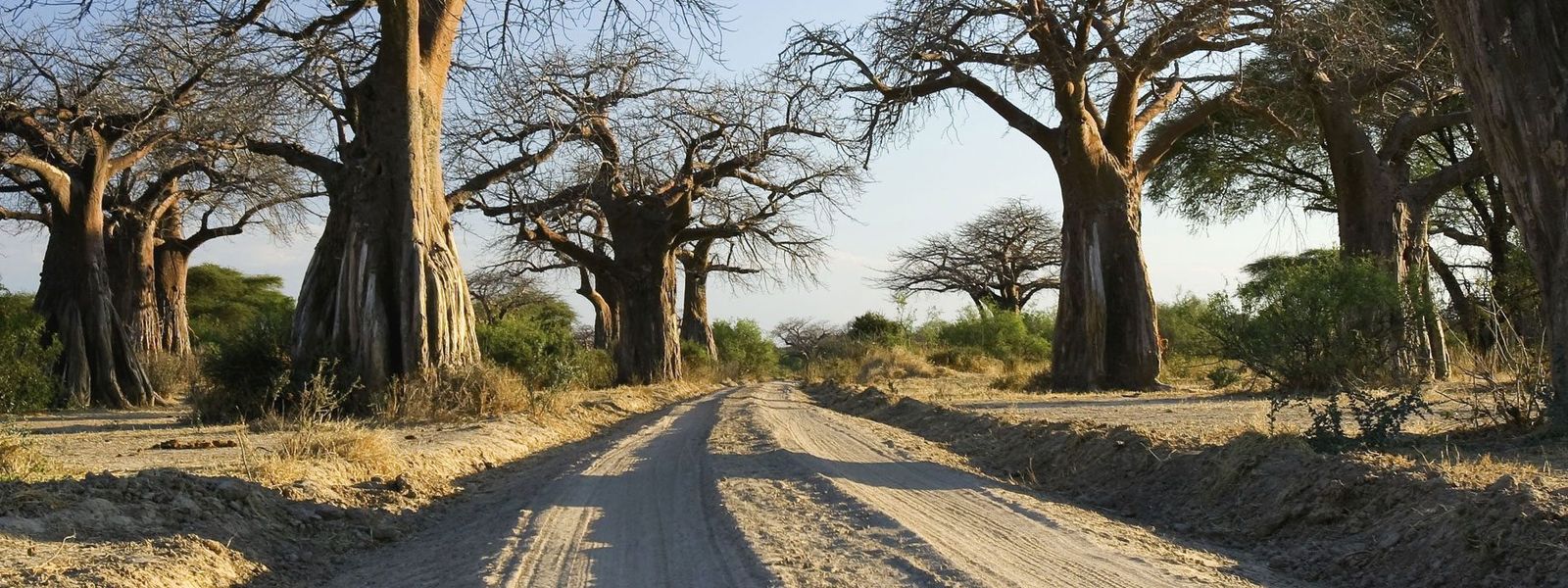
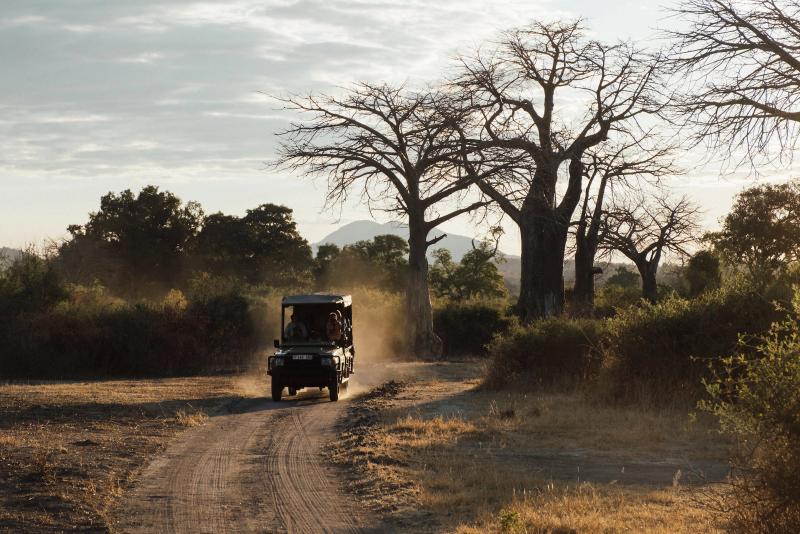
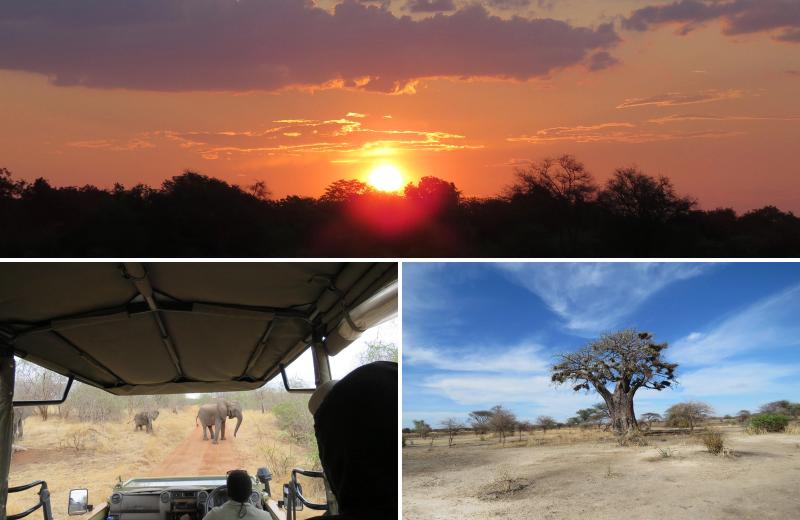
“You can be sitting in the game viewer, look out to your left, and see these towering baobabs crowning the hills. And then you look to your right, and the terrain completely falls away to reveal the river. It's just a remarkably diverse landscape to move through.”
Landy’s base in this sprawling wilderness was Jabali Ridge. The property provided a luxurious anchor, elevated by an Asilia team whose genuine, radiant warmth and incredible food made the vastness of Ruaha feel intimately welcoming.
“The lodge itself is stunning, but it’s the people who actually make the experience. They’re just so deeply, authentically happy to share their home with you.”
After a long day exploring the riverbanks, returning to staff who are happy to share their corner of the world brought Landy a grounding balance to the ruggedness outside.
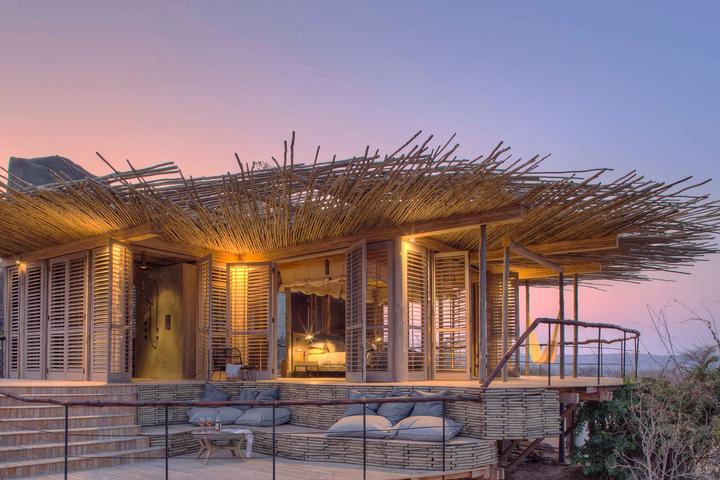
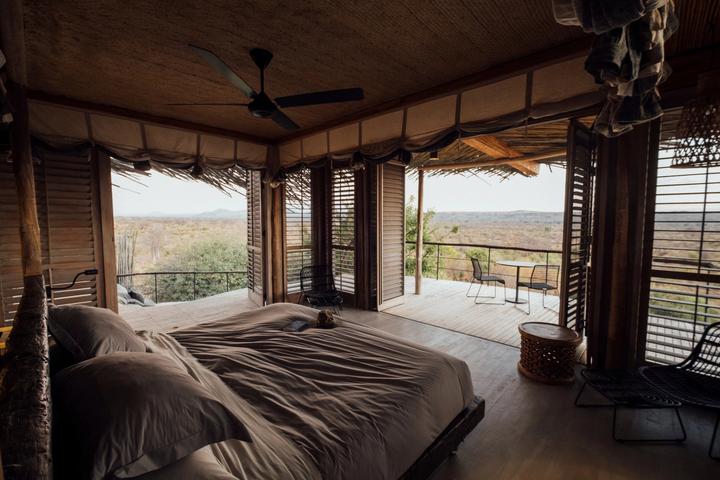
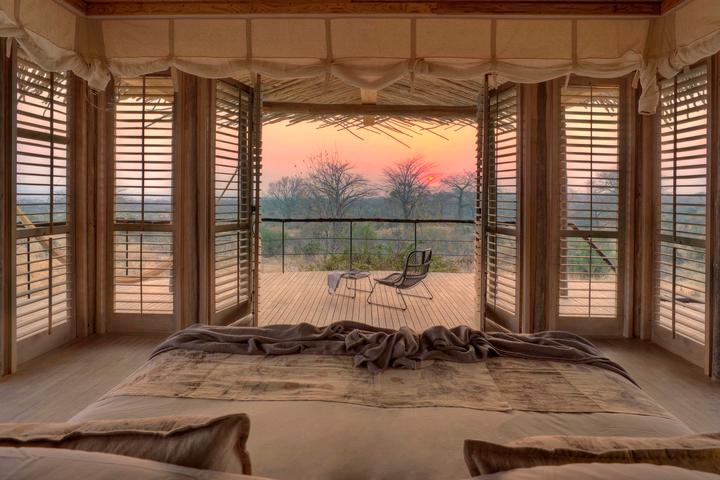
And when you do venture outside, the sheer scale and isolation of the park are bewildering. It’s a massive, wild expanse where you can traverse wide-open spaces and weave through pockets of woodland, all while feeling as though you have the entire park completely to yourself.
For Landy, it served as a powerful reminder of just how much southern Tanzania has to offer travellers who crave the thrill of uncovering several distinct, untouched ecosystems in a single, uninterrupted journey.
Nyerere: The Encounters You Never Expect
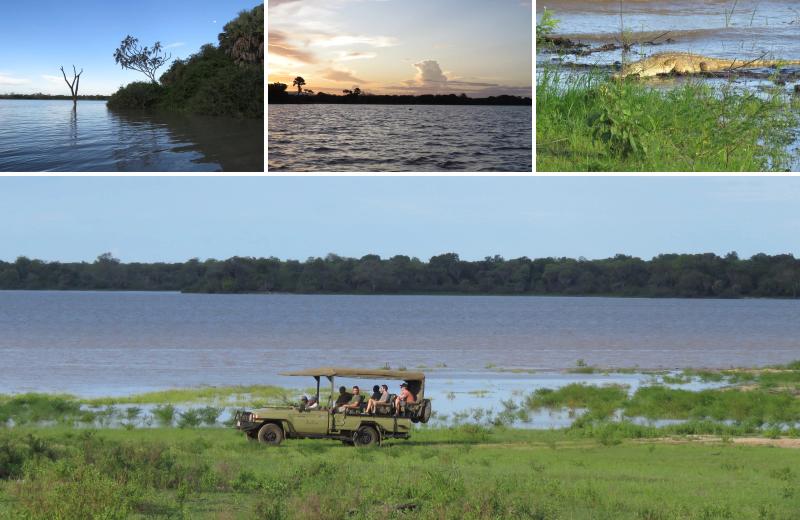
The final leg of Landy’s expedition required a flight into Nyerere National Park, where the waterways take control of the narrative. Staying at Roho ya Selous, positioned directly on the edge of Lake Nzerakera, Landy found herself surrounded by a concentration of rare, interesting wildlife.
The lake itself offers a remarkable seasonal spectacle – an island that vanishes beneath high waters emerges as the levels drop, its sudden bloom of green vegetation instantly transforming into a thriving nesting ground for birds.
Closer to the water's edge, the drama of survival plays out in fascinating, spontaneous detail. Landy watched a small, determined crocodile make a sudden dash towards a bird that had come down to drink. On another excursion near the Rufiji River, she spotted a green snake mid-hunt, actively feeding on a small frog or lizard.
It’s this level of unexpected detail that defines the Nyerere experience – moving beyond the predictable safari checklist to witness the intricate, everyday interactions of a wild ecosystem.
But one encounter on the water left her entirely astonished. Nature was quietly taking its course after the natural passing of a hippo, when the surrounding waters suddenly began to churn. From every conceivable direction, crocodiles glided into view, instinctively drawn to the scene.
“It was just the most incredible, beautiful, out-of-the-ordinary wildlife experience that I've ever had.”
How To Experience It Yourself
Landy considers southern Tanzania a deeply rewarding expanse, tailored perfectly to seasoned safari-goers. If you've already ticked off the classic wildlife checklists, this is the place to go. But exploring this remote circuit does demand a little more logistical forethought.
Landy shares her top tips for experiencing the region at its best:
- Embrace the Exclusivity: For a journey combining Usangu, Ruaha and Nyerere, light-aircraft transfers are the most practical way to cover the distances between destinations. While this increases the cost and keeps the region comfortably under the radar, Landy points out that this barrier to entry preserves its exclusive, untamed atmosphere.
- Follow a Progressive Route: To experience the changing landscapes, her recommended itinerary follows a clear path – begin with conservation at Usangu Expedition Camp, move into the rugged terrain of Ruaha, and conclude along the waterways of Nyerere, staying at some of Tanzania’s most exclusive lodges and camps along the way.
- Fly via Dar es Salaam: Landy advises booking international flights in and out of Dar es Salaam. From there, you can effortlessly pair your remote bush adventure with a few days of tropical relaxation in Zanzibar.
- Combine North and South: Unwilling to miss the Great Wildebeest Migration? You can absolutely combine the southern circuit with a northern Tanzania safari – provided you carefully map out the regional flight connections and check your timing.
Having experienced this secluded magic firsthand, Landy needs no convincing to return.
“I would go back in a heartbeat.”
Ready to Go Off-Script?
Trading the familiar for the extraordinary, this remote circuit offers a perfectly balanced mix of Tanzania’s rugged extremes, thriving ecosystems, and absolute wilderness. If you’re keen to venture beyond the familiar, we’re ready to take you there.