
You've dreamt about travelling to South Africa for as long as you can remember, and now that the trip is finally a real possibility, we want you to feel just as prepared as you're excited. As South Africa's home-grown luxury safari specialists, we've put together this guide to the essentials every guest should know before booking a trip to our home country.
Tip 1: Know What Makes South Africa Worth Visiting
South Africa packs an entire world into one country: diverse landscapes, cultures, wildlife, and even climates, often within a single day's drive. English is widely spoken, ride-hailing apps like Uber operate in major cities, and distances between top destinations are shorter than most first-time visitors expect.
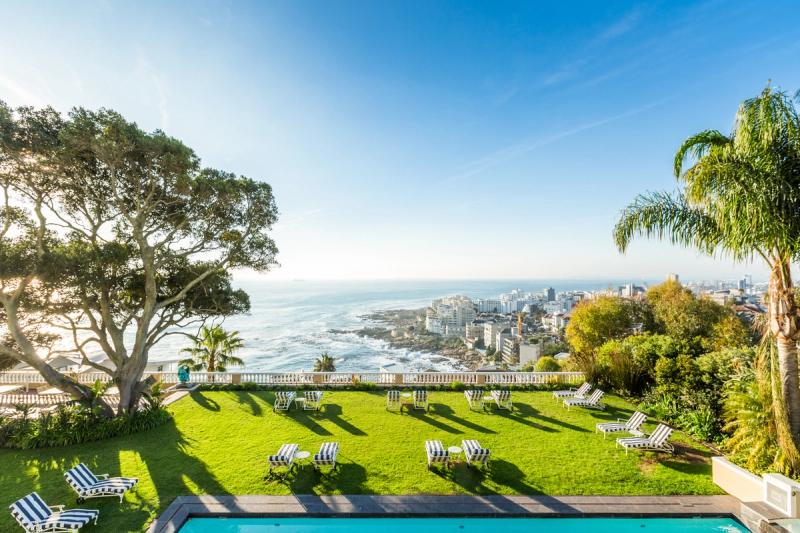
Interesting Facts About South Africa
12 Official Languages
From Zulu and Afrikaans to Sesotho and Xhosa, South Africa's many tongues are part of why it's called the Rainbow Nation.
Three Capital Cities
Did you know that South Africa has three capital cities? Cape Town (legislative), Bloemfontein (judicial), and Pretoria (administrative) are all named capitals.
Home of The Big 5
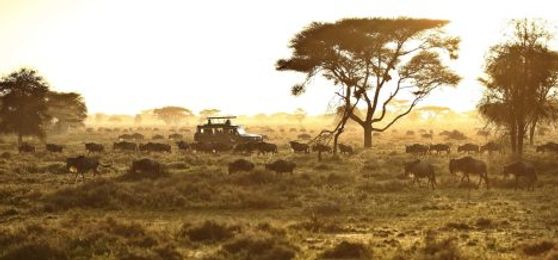
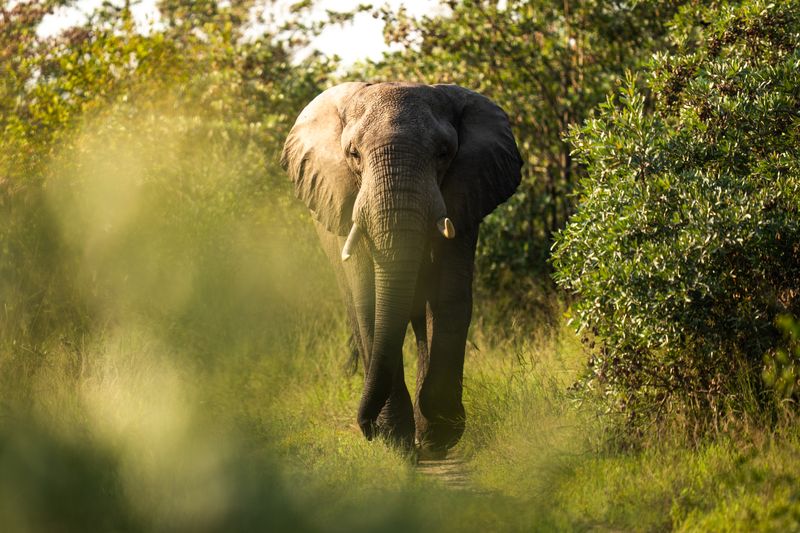
You can see the lion, leopard, rhino, elephant, and Cape buffalo, alongside thousands of other species that most visitors have never heard of, in South Africa.
21 National Parks
Managed by SANParks, plus a wide variety of private reserves, giving you the widest choice of safari settings in Africa.
12 UNESCO World Heritage Sites
Explore everything from Robben Island and the Cradle of Humankind to the Cape Floral Region, one of the richest plant kingdoms on Earth.
World-Class Wine Country
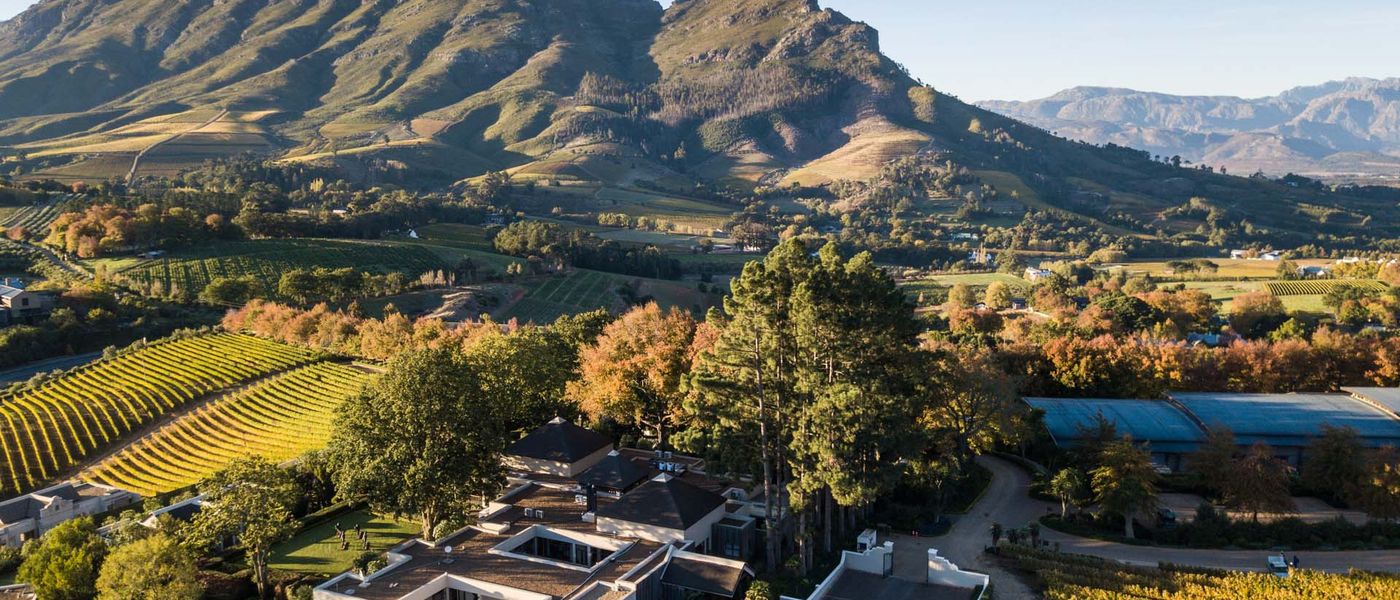
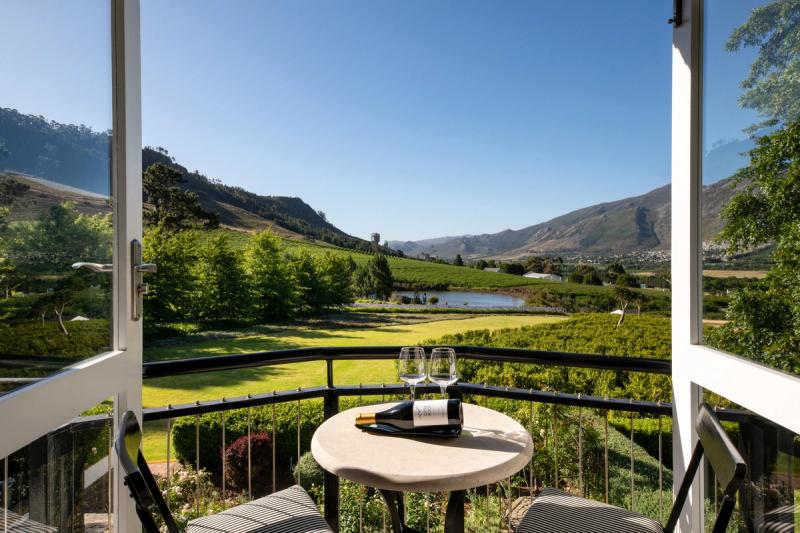
The Cape Winelands offer some of the finest estates anywhere, a short drive from Cape Town.
Beaches on Two Oceans
With white sandy beaches on both coastlines, you can watch the sun set over the Atlantic one day and rise over the Indian Ocean the next.
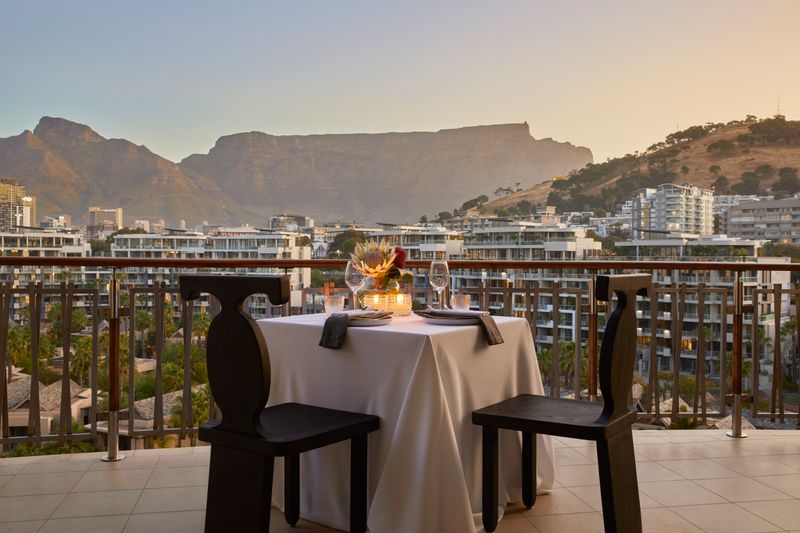
Table Mountain
One of the New7Wonders of Nature and arguably the single most recognisable sight in Cape Town, Table Mountain rises directly above the city and forms part of the Cape Floral Region UNESCO site. A cable car ride or sunset hike here is, for most visitors, the defining image of the trip.
Tip 2: Take Standard Safety Precautions
South Africa is safe for tourists who take standard precautions, as you would in any major global city. The country welcomes over 10 million international visitors a year, and the vast majority have safe trips. Most incidents involving travellers happen in situations that are entirely avoidable with the right planning.
The good news is that safety in South Africa isn't a matter of luck but of logistics. Well-established tourism corridors (the V&A Waterfront, the Winelands, the Garden Route, and every private safari reserve) operate with strong infrastructure, visible security, and experienced on-the-ground teams.
You don't have to worry about a thing when you stay at one of our recommended luxury lodges and hotels, as we'll ensure you have the safest space to unwind.
A Few Safety Habits to Adopt
- Keep valuables out of sight in vehicles and use hotel safes rather than carrying documents and cards on you.
- In cities, treat security as you would in any major global city: stay in well-populated areas after dark, and let your lodge or hotel concierge advise on which neighbourhoods are best explored on foot or by car.
- On safari, you're in exceptionally safe hands, as private reserves run on strict protocols, armed ranger escorts, and radio-linked vehicles. Always listen to your guide to respect wildlife and stay safe.
Our Travel Experts will only book with the very best service providers to help make your stay as safe and enjoyable as possible.
Tip 3: Carry a Little Cash, but You Can Rely Mainly on Card
South Africa's digital payments infrastructure is more advanced than most first-time visitors expect, with contactless card payments widely accepted at hotels, restaurants, malls, and most chain retailers. Still, it's worth carrying a modest amount of South African Rand, since smaller lodges, car guards, tipping, township markets, and some rural fuel stations remain cash-only.
A Few Practical Tips
- Notify your bank before you travel.
- Stick to ATMs inside bank branches or shopping centres rather than standalone street machines.
- Activate an eSIM before you land, so you're connected for maps, ride-hailing, and mobile banking from the moment you touch down.
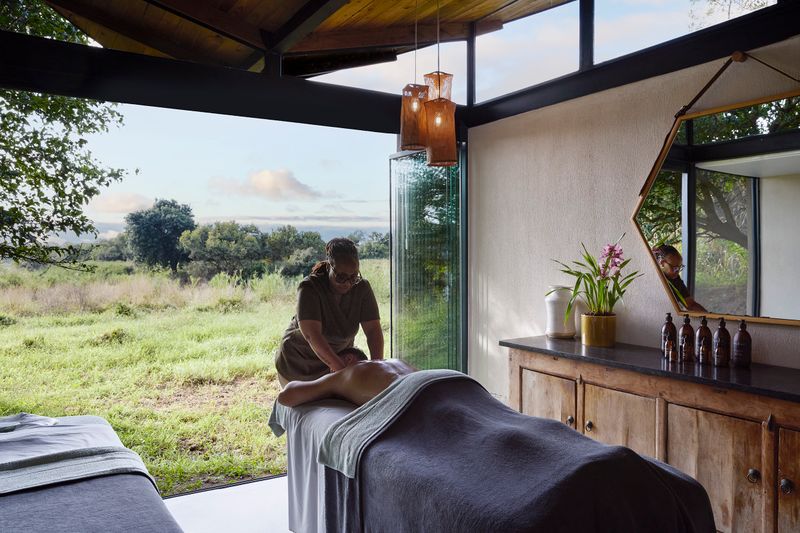
Tip 4: Enjoy a Little Splurge
Travelling to South Africa on one of our tailor-made tours generally costs between $50 and $2,500 per person per day. The exchange rate is favourable for most of our guests, so you can enjoy great luxury at a lower cost than would be possible back home.
When you book with us, you're getting direct access to South Africa's finest lodges and experiences, at rates you won't find going through a third party. We work directly with the properties we recommend, so there's no markup for middlemen sitting between you and the trip. And if you happen to find the same itinerary elsewhere for less, we'll match it.
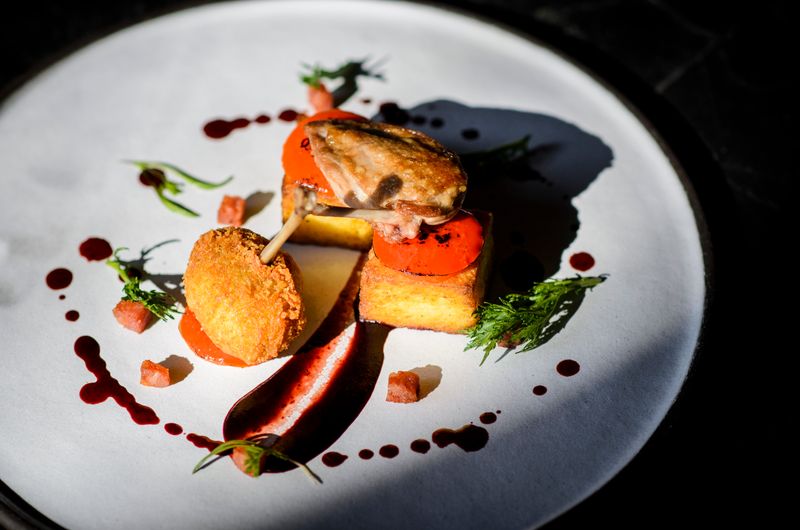
Tip 5: Choose the Right Safari Destination for You
With so many South African safari destinations to choose from, the "best" one really depends on what you're after, whether that's ultra-exclusive privacy for a honeymoon, malaria-free peace of mind for families, or proximity to Cape Town for a shorter bush-and-beach combination.
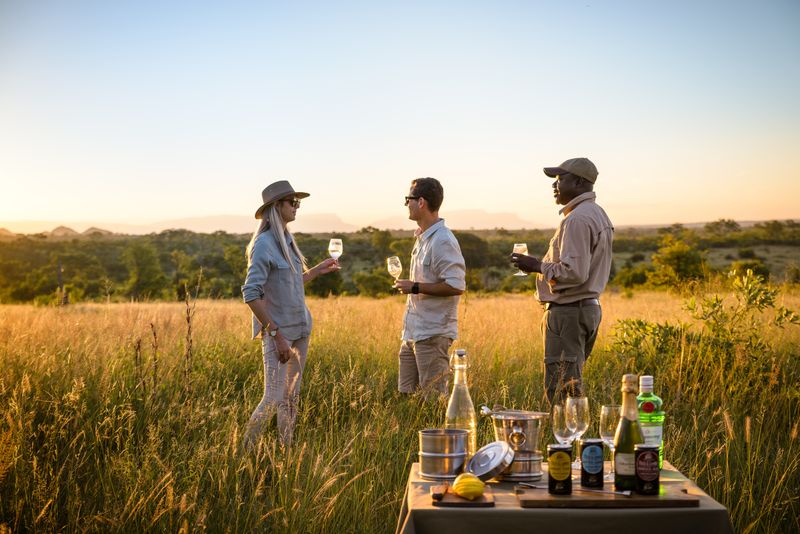
Our Safari Destination Recommendations
- Kruger National Park: The country's largest and most iconic park, easily accessible and packed with wildlife.
- Sabi Sand Game Reserve: Unfenced and bordering Kruger, with some of the most luxurious lodges in Africa and outstanding leopard sightings.
- Londolozi Private Game Reserve: One of the original private reserves, famed for its leopard population and pioneering conservation model.
- Madikwe Game Reserve: Malaria-free, located in the Eastern Cape, strong on sustainability and family experiences.
- Phinda Private Game Reserve: Seven distinct habitats in KwaZulu-Natal, home to rare and unusual species.
- Timbavati Private Nature Reserve: Unfenced against Kruger, known for the rare white lion.
- Kwandwe Private Game Reserve: Malaria-free, Eastern Cape, strong on sustainability and family experiences.
- Thornybush Nature Reserve: Greater Kruger, known for community-driven conservation.
- Hluhluwe-Imfolozi Park: South Africa's oldest reserve, the birthplace of modern rhino conservation.
- Sanbona Wildlife Reserve: Malaria-free, roughly a three-hour drive from Cape Town, with striking Karoo scenery and white lions.
- Klaserie Private Nature Reserve: Greater Kruger, known for walking safaris and low-impact tourism.
- Gondwana Private Game Reserve: Malaria-free and around four hours from Cape Town, ideal for combining bush and coast.
- Pilanesberg National Park: Malaria-free and just three hours from Johannesburg, making it easy to reach.
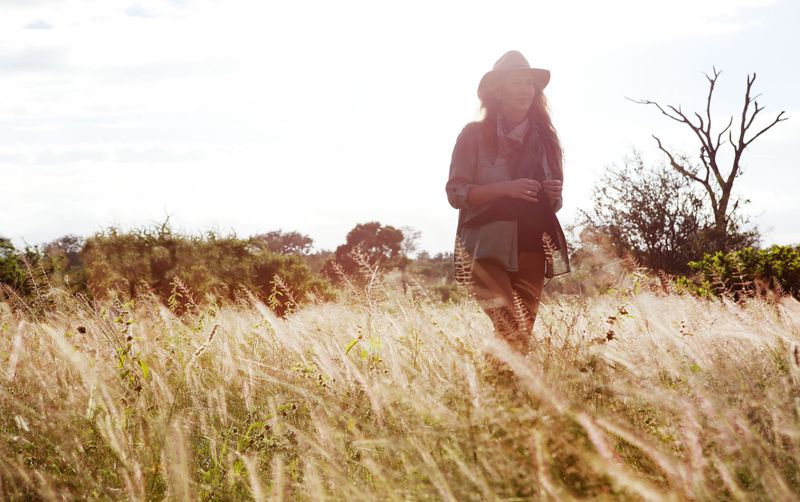
Tip 6: Time Your Safari to the Right Season
When it comes to the best time to visit South Africa, there’s no wrong answer, but the experience shifts with the seasons.
- Winter (June–August) is the most popular time to go on safari in South Africa, as the bush is dry and sparse, making it easier and more predictable to spot wildlife.
- Summer (November–March) brings a lush, green landscape, dramatic afternoon storms, and newborn wildlife across the reserves, offering a beautiful, less-crowded alternative.
- If you want to combine bush and beach in one trip, the shoulder seasons (April–May or September–October) tend to offer the best balance of good game viewing and pleasant coastal weather.
Frequently Asked Questions
Do I Need to Worry About Wearing Red in South Africa?
No, this is a myth, particularly around safari. However, it’s true that neutral tones (khaki, beige, olive) help you blend into the bush and stay cooler, and are genuinely useful for tsetse-fly-prone areas (it's dark navy and black you want to avoid, not red).
What Can $100 (USD) Buy in South Africa?
Thanks to a favourable exchange rate, $100 goes a long way. Think a fine-dining tasting menu for two in the Winelands, or a half-day guided city tour with a private driver. Costs vary significantly between cities, the Winelands and remote reserves, so ask your Travel Expert for a spending guide tailored to your specific itinerary.
Should I Book Pre-Arranged Transfers Instead of Arranging My Own?
Yes, pre-arranged transfers are recommended, especially between airports, cities, and remote lodges, since they remove the guesswork around timing, road conditions, and safety in unfamiliar areas. We’ll handle all of this for you, so you simply arrive.
Is It Safe to Self-Drive in South Africa?
Self-driving is common and generally safe on major routes like the Garden Route and Winelands, provided you avoid driving after dark in unfamiliar areas and keep valuables out of sight. South Africa drives on the left, and roads on popular tourist routes are well maintained.
Travelling to South Africa Has Never Been Easier
Contact our Travel Experts, and we'll tailor-make your dream South African holiday. No copy and paste here! We plan all our tours from scratch to suit your needs and preferences.