
Twenty-four years in the safari industry gives you a certain perspective. But even after travelling through some of Africa's most celebrated wilderness areas, there's one place Rhino Africa Travel Expert Bianca finds herself returning to: the Greater Kruger Region. But what is it about this corner of South Africa that continues to call her back? I sat down with Bianca to talk about the private reserves that have left the greatest impression on her, and why the Kruger remains one of the country’s – and indeed the continent's – most compelling safari destinations.
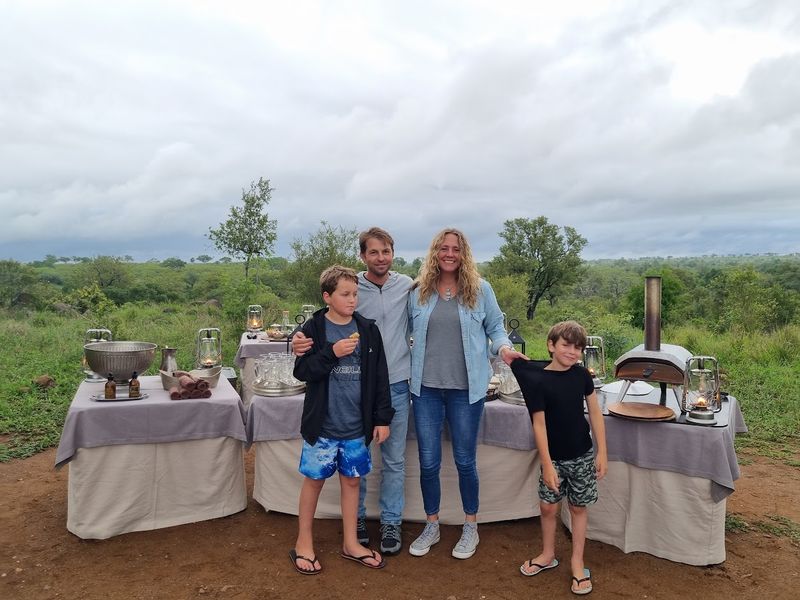
A Pocket of Wildlife Paradise
While some destinations grow on you over time, others leave their mark from the very beginning. For Bianca, the Kruger was the latter.
She first visited in her late 20s, and it changed everything – not because of one extraordinary sighting, but because of how the place made her feel.
More than two decades later, after designing countless tailor-made safaris and guiding guests towards their own life-changing wildlife experiences, she still returns whenever she gets the chance.
Q: What Made Such a Lasting Impression When You First Visited the Kruger?
"I arrived there after a really difficult period in my life, and from the moment I stepped into the bush, everything shifted. It was instantly peaceful. It pulled me out of my head and grounded me in the present moment – and it still does that, every single time I'm there. It’s a feeling that's difficult to explain until you've experienced it yourself."
That first safari marked the beginning of a relationship with the Kruger that has only deepened over the years.
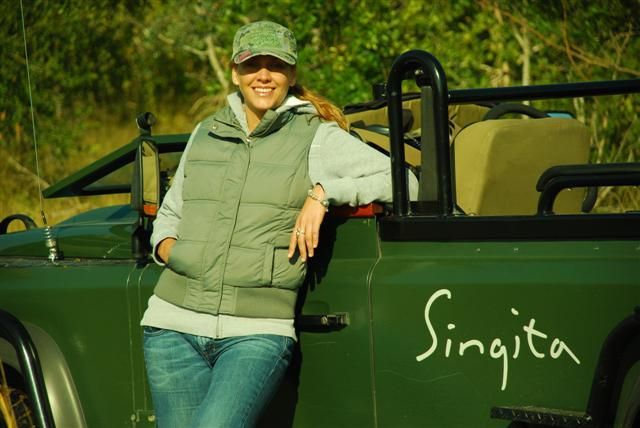
That sensation of presence and peace lives within the quiet moments as much as the dramatic ones. In the distant call of an African fish eagle swooping across the bushveld, the scent of warm earth after dawn, ancient leadwoods standing watch over the landscape, or the gentle flap of a baby elephant's ears as it follows its herd. And then, without realising it, you're no longer waiting for the next sighting. You're simply listening.
Bianca sees it reflected in guests’ experiences time and again.
"People are often surprised by how emotional they become. They don't expect it. But when you're surrounded by nature almost every moment of the day, something shifts. You're completely present, and that's something people rarely experience anymore."
Perhaps that's the Kruger's greatest gift. Long after the sightings begin to blur together, it's that feeling of peace and presence that follows you home.

No Two Safaris Are Ever the Same
While the feeling of the Kruger remains constant, no two visits are ever alike.
Q: After All These Years, What Keeps Drawing You Back?
"I've been fortunate enough to travel to some incredible safari destinations over the years, but the Kruger has never lost its ability to surprise me. Every visit is different. Every game drive unfolds differently. You can return to the same reserve a dozen times and still experience something you've never seen before."
That's the nature of an unfenced wilderness. There’s no guarantee, no schedule, and no script.
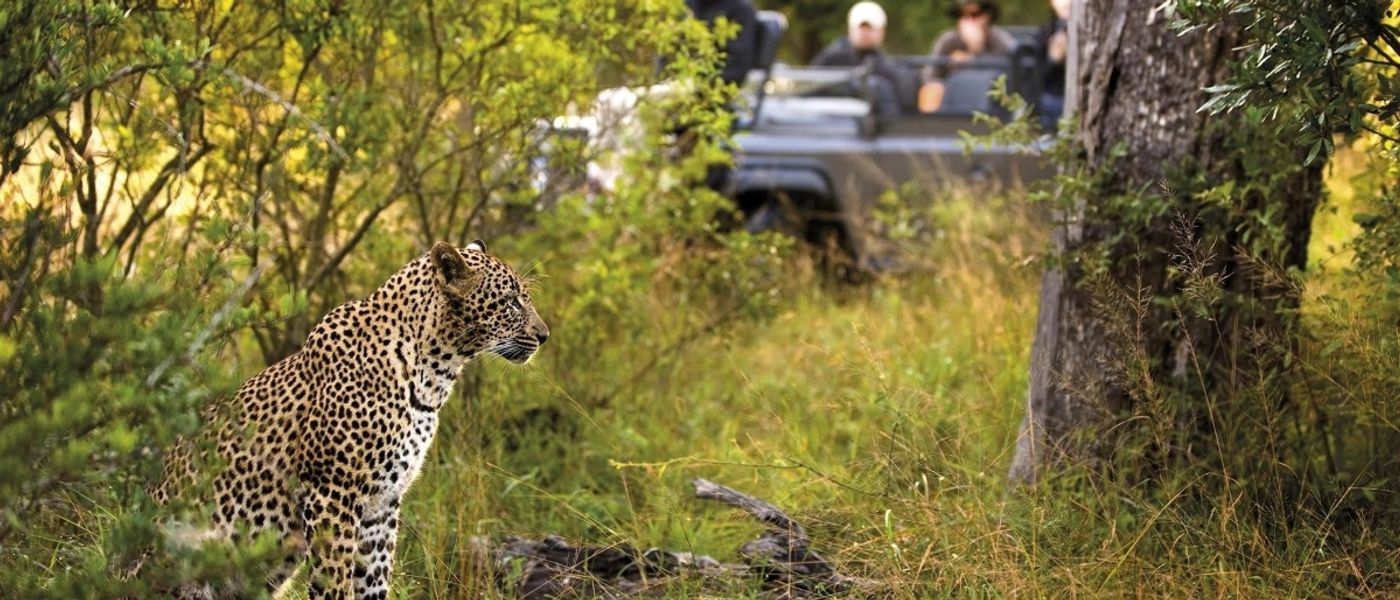
One morning might begin with birdsong and fresh tracks pressed into the earth. Another could end with a leopard draped across a marula tree, a pack of African wild dogs on the hunt, or predators converging on a fresh kill.
For Bianca, that unpredictability is part of the appeal.
"You can never say, 'I've done the Kruger.’ Nature is constantly changing, and every safari tells a different story."
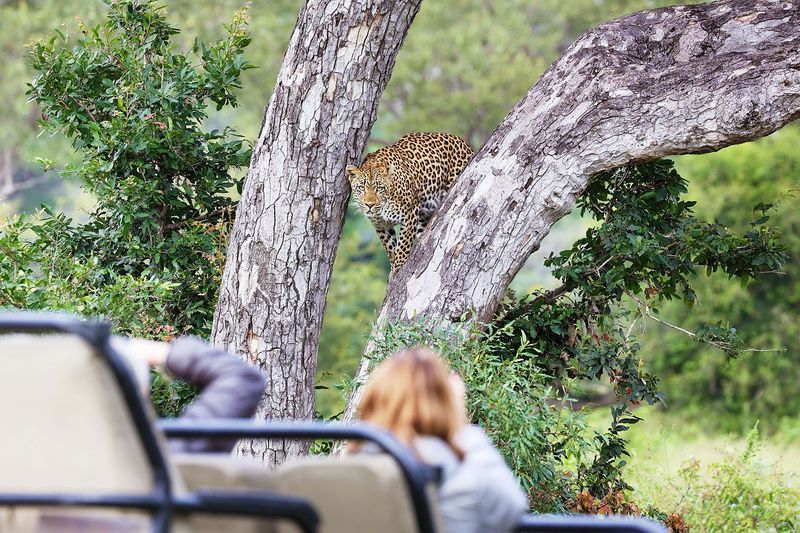
Why Private Concessions Change the Safari Experience
For many first-time safari-goers, "Kruger" is simply "Kruger". But understanding the difference between the national park and the Greater Kruger's private reserves can completely reshape your safari.
Q: So, What Exactly Are Private Concessions?
"Private reserves form part of the Greater Kruger ecosystem, sharing unfenced boundaries with the national park. Wildlife moves freely between them, so the animals are the same, but the experience isn't. These reserves are privately managed, with strict limits on the number of lodges and vehicles, creating a more intimate safari."
That difference becomes apparent almost immediately. With fewer game-drive vehicles and carefully managed sightings, there's no pressure to move on before the moment has run its course. If a pride of lions settles beneath a fever tree or a herd of elephants wanders gently past, your guide can simply switch off the engine and wait.
"You’re completely immersed. You're not just looking at the bush – you feel part of it."
It's in those unhurried moments that your attention begins to shift. A dung beetle patiently rolling its prize across the track, or a giraffe pausing just long enough to meet your gaze before disappearing between the trees. The wildlife may be the reason you came, but it's often these more meditative moments that make the biggest impact.

The People Behind Every Sighting
The best safari isn't simply the result of being in the right place at the right time. Behind almost every heart-stirring sighting is a partnership working attentively in the background.
Q: What Role Do Trackers Play?
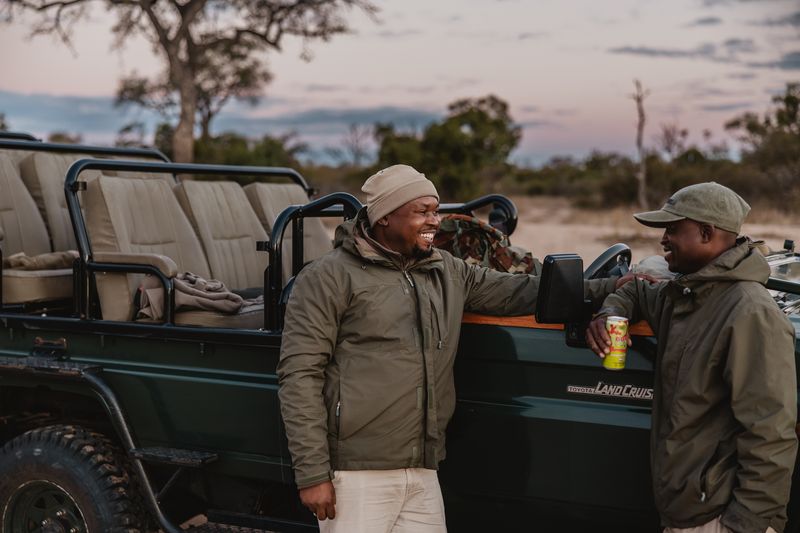
"The relationship between a guide and a tracker is one of the most unique parts of a private Kruger safari. Many of these teams spend years, even decades, working together, and that level of trust is something quite special to watch. Sometimes it feels as though they're reading a language the rest of us can't even see."
While your guide shares the stories of the bush and deepens your understanding of the wildlife around you, your tracker remains tuned to the landscape itself.
From their elevated seat on the front of the vehicle, trackers pick up details most guests would never notice: a fresh leopard spoor in the sand, a broken branch, an alarm call drifting through the trees. Piece by piece, they build a picture of what has passed before them – and what might lie ahead.
Years of working side by side allow the guide and tracker to anticipate one another, often communicating with little more than a glance as they adapt each game drive to whatever the bush reveals. Together, their combined expertise dramatically increases the chances of remarkable sightings.
"Guests remember the wildlife, sure. But they also remember the people who helped them find those moments. Guides and trackers don't just show you the bush – they teach you how to see it."
Same Wildlife, Different Experience
One of the biggest misconceptions about the Kruger is that its private reserves have "better" wildlife than the national park.
Q: Does the Wildlife Differ From That in the National Park?
"No. The Greater Kruger and the national park share one unfenced ecosystem, so wildlife moves freely between them. The difference isn't the animals themselves, but how you experience them."
With the freedom to spend longer at sightings and follow wildlife through the bush, guides and trackers reveal behaviours that are often missed when a sighting is over in minutes. Combined with lower game-drive vehicle numbers, game viewing feels far more personal and unhurried.
"On a typical four-night safari, guests have an excellent chance of seeing the Big 5. Nature is never guaranteed – that's part of what makes safari so exciting – but the Kruger's combination of experienced guides, skilled trackers, and wildlife density makes for incredibly rewarding game viewing."
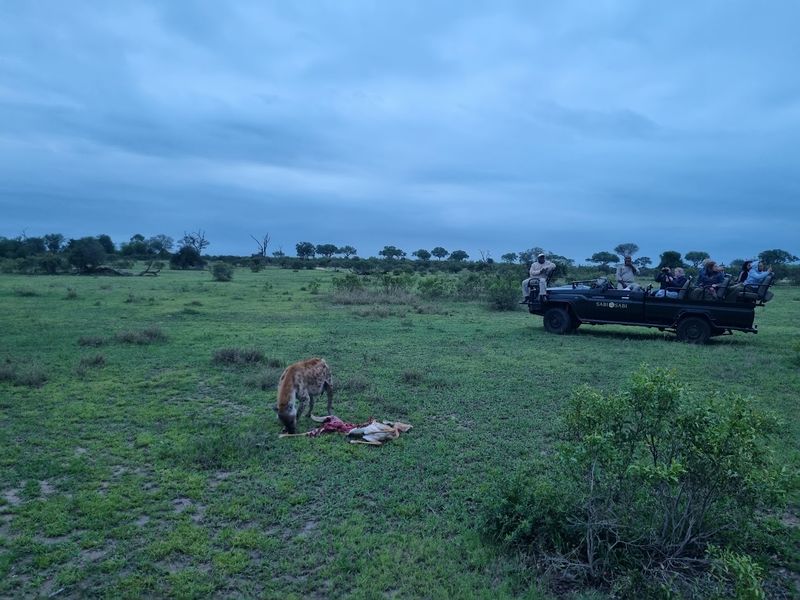
Q: Looking Back Over the Years, Is There One Sighting You'll Never Forget?
Bianca doesn't hesitate.
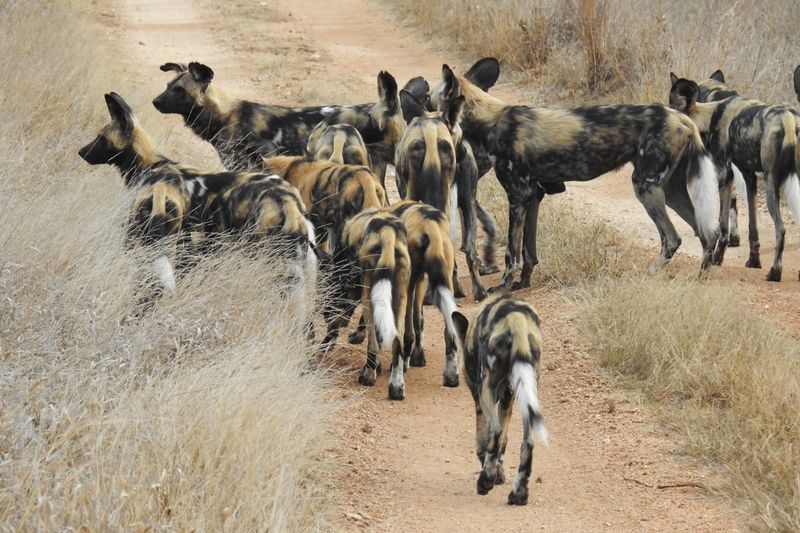
"We came across a pack of African wild dogs feeding when hyenas arrived to steal the carcass. Suddenly everything erupted into chaos. One of the hyenas grabbed a leg and took off running, with the wild dogs in pursuit. They disappeared into the bush, then raced straight underneath our vehicle. It all happened right in front of us."
She laughs.
"It was absolute mayhem – but that's nature. You couldn't have scripted it."
For Bianca, moments like these capture the essence of safari. One game drive might be defined by chaos and adrenaline, the next by quiet observation. That's the beauty of the Kruger – every drive has the potential to tell a completely different story.
Choosing the Right Private Reserve and Lodge
With so many exceptional private reserves, choosing where to stay can feel like the hardest decision of all.
Q: If Someone Asked You Which Reserve to Choose, What Would You Tell Them?
"I'd tell them there isn't one right answer. It all comes down to the kind of safari you're looking for."
The Sabi Sand Game Reserve remains one of South Africa's best-known private reserves.
"It's famous for a reason. The guiding is exceptional, the lodges are world-class, and it's long been one of South Africa's benchmark safari destinations."
It's also widely regarded as leopard country, where outstanding guiding and decades of conservation have earned it a reputation for incredible predator sightings.
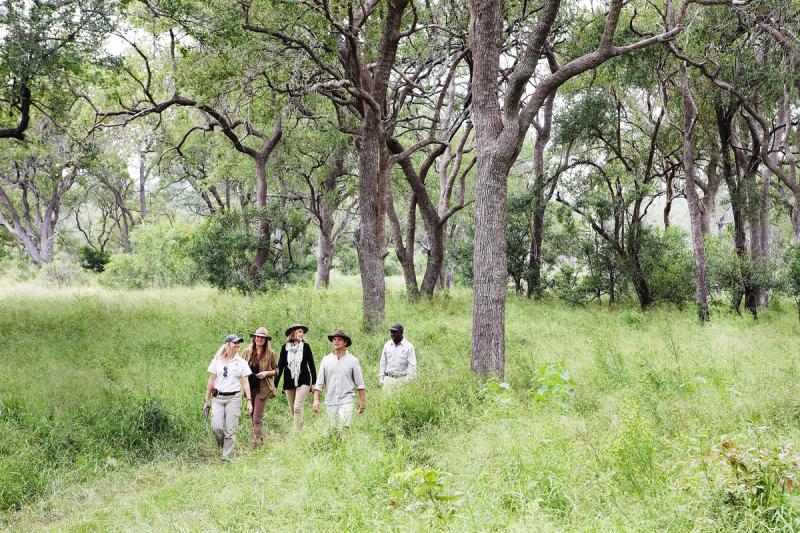
If there's one lodge within the Sabi Sand that Bianca returns to most often, it's Londolozi.
Renowned for its exceptional leopard sightings, it's a favourite among photographers and guests hoping to spend time observing one of Africa's most elusive big cats

For those looking to disappear into the wilderness, Bianca points towards Timbavati.
"It feels wonderfully untamed. There are fewer lodges, fewer people, and a real sense of exclusivity."
Its open landscapes and reputation as the ancestral home of the rare white lion only add to its sense of wildness, though, as Bianca is quick to point out, sightings are never a given. The wild lives by its own terms.

Bianca’s standout lodge in the Timbavati is Tanda Tula, where thoughtful guiding, understated luxury, and a strong conservation ethos come together in a safari that feels deeply connected to the surrounding wilderness.
Ultimately, Bianca believes choosing a reserve isn't about finding the most luxurious lodge or chasing a particular sighting. It's about finding the experience that suits you best.
"That's why I always encourage people to speak to a Travel Expert before booking. Whether you're travelling as a family, planning a photographic safari, or simply looking for somewhere wonderfully remote, we'll help match you with the reserve that's right for you."
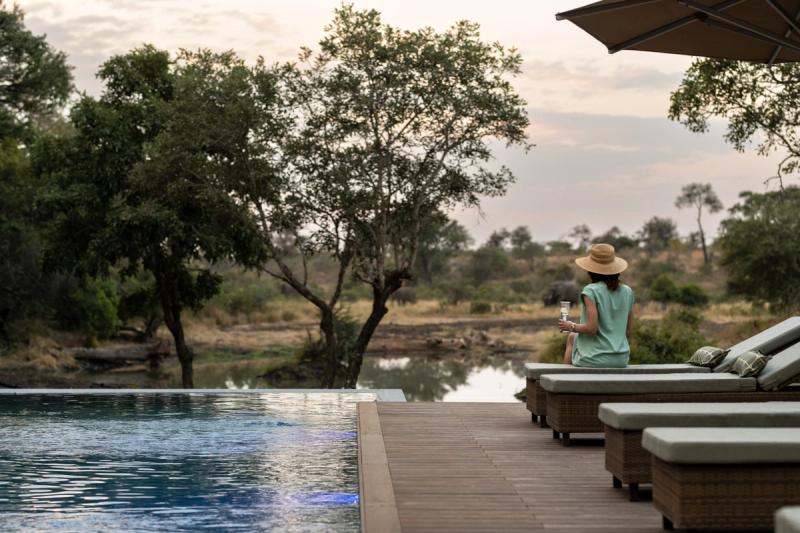
Planning Your First Kruger Safari
Q: What's the Most Important Piece of Advice You'd Give Someone Planning Their First Kruger Safari?
"Don't rush the decision. Speak to someone who's been there. Every reserve, every lodge, and every season offers something a little different, so it's worth taking the time to find the right fit."
There's no bad time for safari, but each season offers a different perspective on the wild. For the clearest wildlife sightings, Bianca recommends the dry months, when vegetation thins out, and animals gather around permanent water sources. Spring is another favourite, bringing warm days, fresh energy, and excellent game viewing before the summer rains arrive.
But timing is only part of the picture.
"Some guests want to spend hours photographing a leopard in perfect light. Others are travelling with young children or three generations of family. Some are looking for complete seclusion, while others want a more social lodge. Those details really matter."
For Bianca, the best safari isn't defined by the reserve's reputation, but by how well it matches the people experiencing it.
"The Kruger offers so much choice. Our job is to help people find the reserve, lodge, and season that's right for them. That's when safari becomes truly unforgettable."
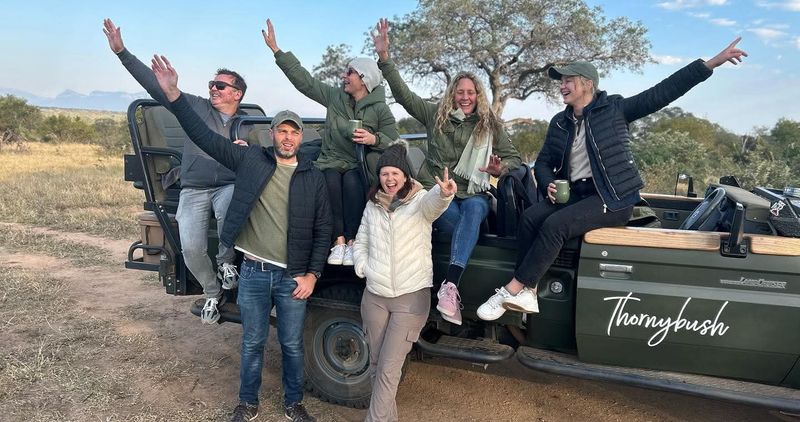
Beyond the Kruger
Even after 24 years in the safari industry, Bianca's own wish list is still growing.
Q: If Someone Had More Time to Explore Southern Africa, Where Would You Encourage Them to Go Next?
"It's hard to go past Victoria Falls. It's one of those places that leaves you speechless. Pairing it with a Greater Kruger safari gives you two completely different, but equally memorable, experiences."
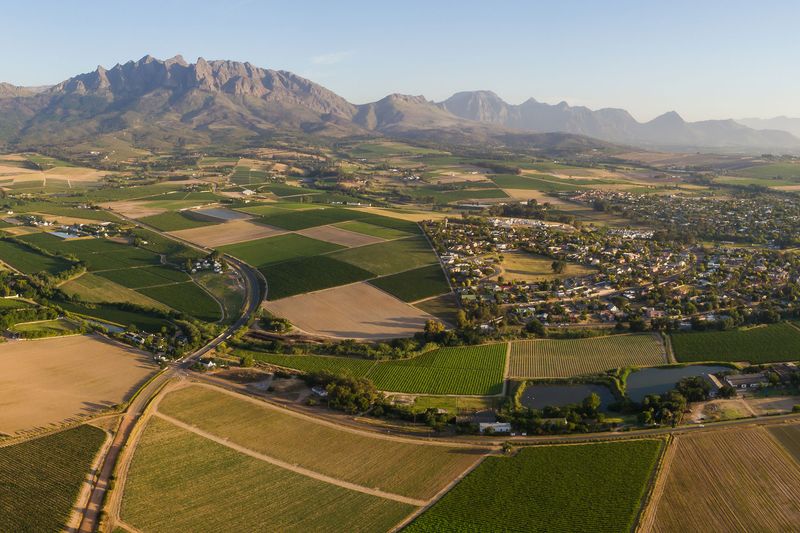
Closer to home, she loves extending a safari with time in the Cape Winelands, where vineyard lunches, mountain scenery, and slower days provide a gentle contrast to the early mornings and excitement of the bush. For guests travelling between June and November, Hermanus is another standout, offering some of the world's best land-based whale watching.
But Africa still has plenty of places Bianca hopes to explore more deeply herself.
"I'd love to spend more time in Mana Pools, Hwange, and the Lower Zambezi. That's one of the wonderful things about this continent: No matter how much you've seen, there's always another place calling you back."
Where Will the Greater Kruger Take You?
Every safari in the Kruger is different, but the right one starts with understanding what kind of experience you're looking for. Whether it's your first safari or your fifth, the best journeys begin with expert advice that's shaped by first-hand experience.
Ready to plan your own Kruger safari? Get in touch with one of Rhino Africa's Travel Experts to find the private reserve, lodge, and itinerary that's right for you.