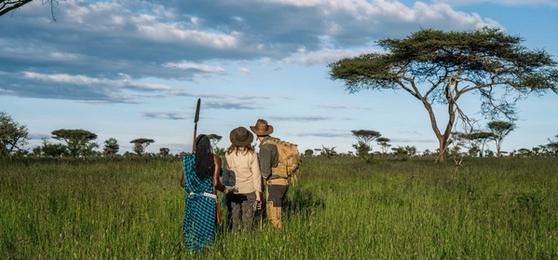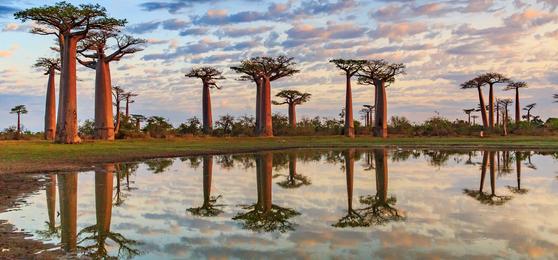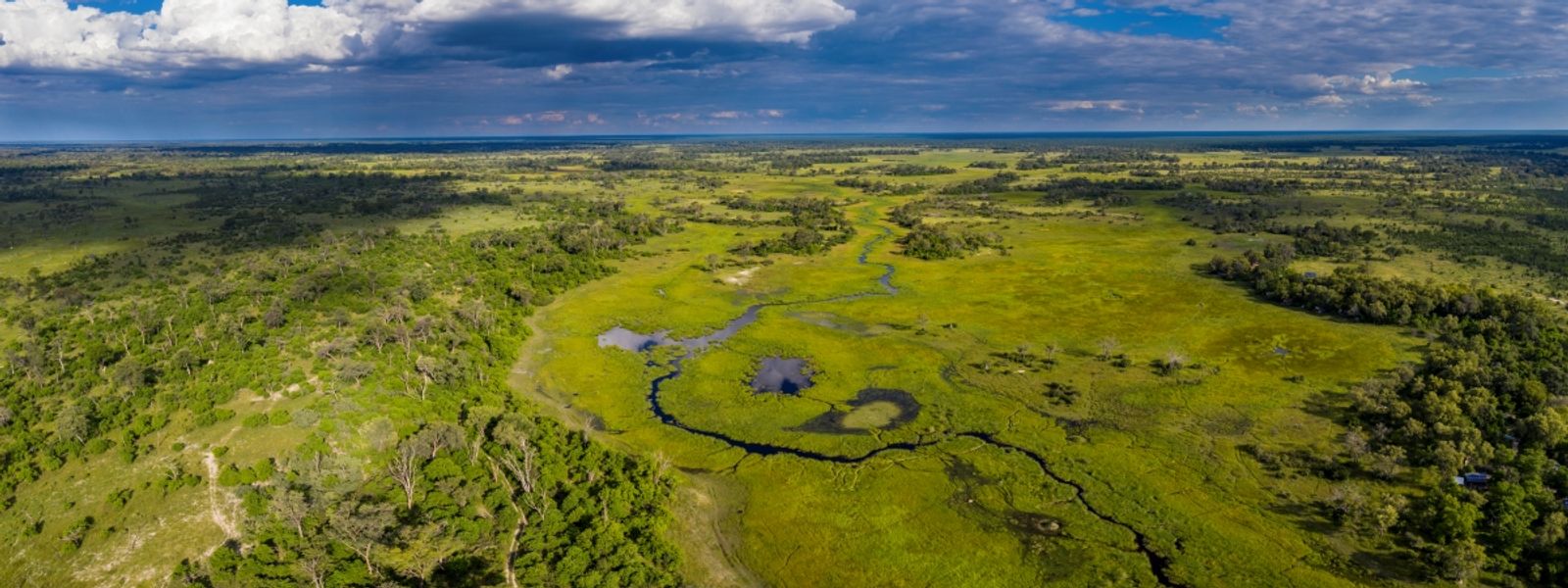

For many guests, safari means one thing: the dry winter months, when thinning bush and shrinking waterholes make wildlife easy to spot. But Botswana's Green Season deserves a closer look. When the summer rains reach the Okavango Delta, Chobe and the Kalahari, the landscape transforms, bringing fresh vegetation and new life to the bush.
To explore what this seasonal shift means on the ground, we spoke to a range of safari experts and hospitality professionals across Botswana, gathering first-hand perspectives on how the Green Season transforms the safari experience.

What Is the Green Season?
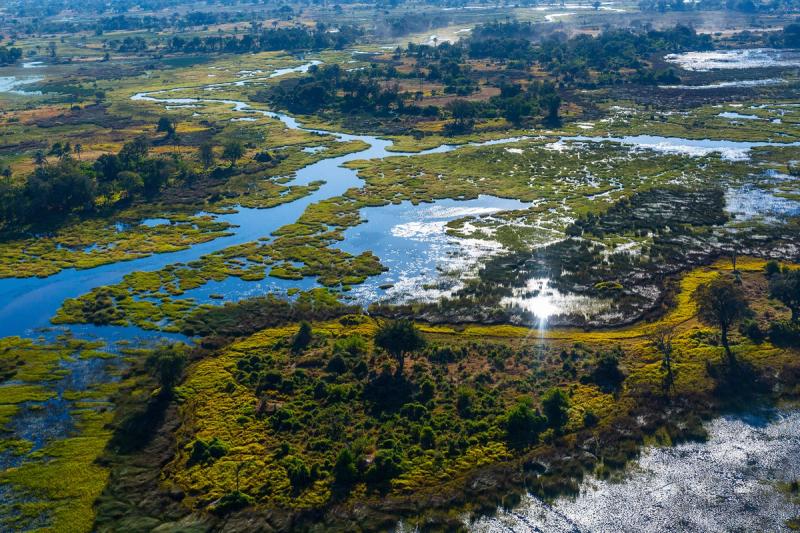
The Green Season refers to Botswana’s summer months, running roughly from November through April, when rainfall transforms drier floodplains into lush wetlands and fertile grazing grounds.
Far from bringing non-stop downpours that wash out your itinerary, rain typically arrives in brief, dramatic late-afternoon thunderstorms. These quick summer showers wash the dust from the air, significantly lower temperatures compared to the heat of October, and leave the atmosphere clear, fresh, and comfortable.
1. Newborn Life Across the Bushveld
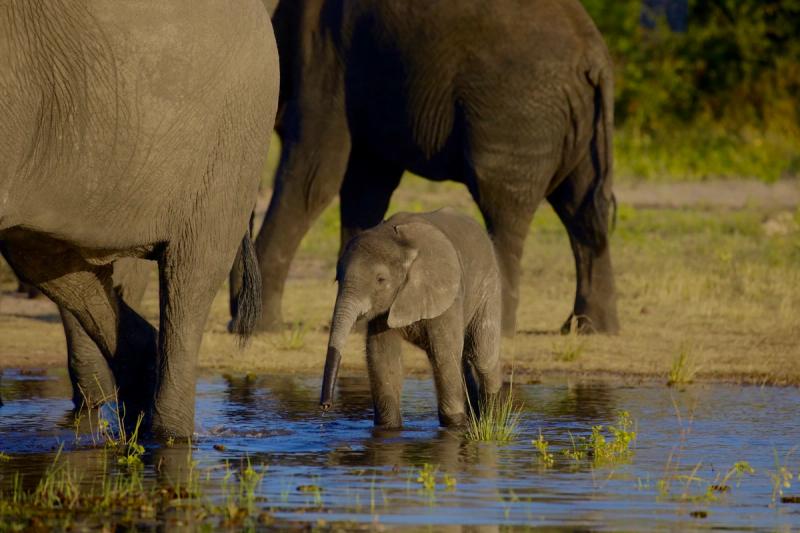
Triggered by the arrival of the summer rains, many herbivore species give birth all at once.
"A lot of species give birth with the arrival of the rains, so there are a lot of baby animals." – Clive Millar, Kwando Safaris.
The plains of Botswana become filled with impala lambs, zebra foals, and elephant calves taking their first unsteady steps, revealing intimate moments of maternal care and energetic young animals discovering their surroundings.
2. Dynamic Predator Action
An abundance of vulnerable young prey naturally alters the pace of the hunt. Predators must pivot their tactics to make the most of this shift.
"The abundance of newborns during Green Season means that predators are out in full force, often delivering some of the most dramatic sightings you're ever likely to encounter" – Carl Preller, Rhino Africa Travel Expert.
Lions, leopards, cheetahs, and African wild dogs alter their strategies to target grazing herds in taller grasses, offering rare opportunities to witness dynamic wildlife interactions and specialised hunting techniques.
3. Vibrant Migratory Birdlife
While big game often commands the spotlight, the seasonal arrival of migratory birds transforms the sound and look of the bush.
"Birding is amazing. While this might not be the focal point of every guest, the many migrants really bring the bush alive and add to the experience." – Clive Millar, Kwando Safaris.
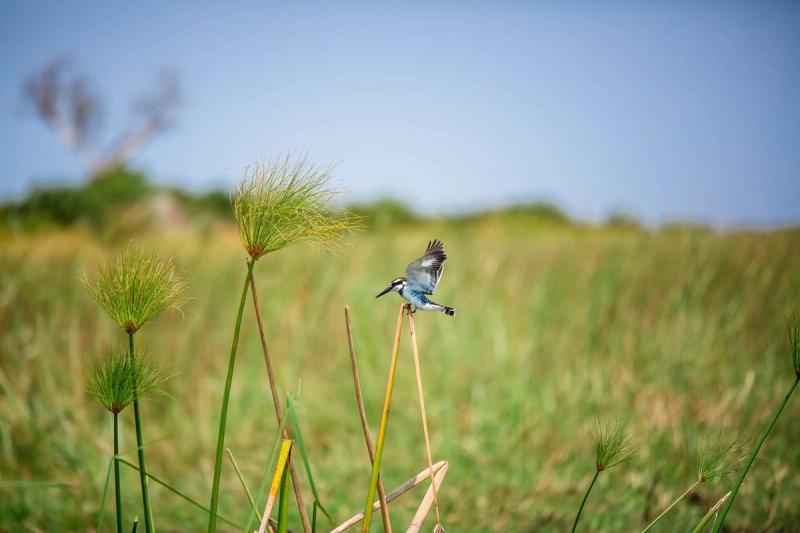
During Botswana's Green Season, keep an eye out for colourful European bee-eaters, European rollers, and summer-visiting cuckoos, alongside the country's resident birdlife. Their arrival adds flashes of dazzling hues, distinctive calls, and a lively soundtrack to game drives and walks, making the Green Season particularly rewarding for keen birders.
4. Exceptional Value Without Compromise
One of the most compelling aspects of Green Season travel is the shift in pricing. But let’s be clear, a lower rate doesn't automatically mean a compromised safari.
"Price vs. Value. While the prices can fall by over half compared to peak season, the all-round value of your safari is barely impacted." – Jen Dunop Jones, Mashatu.
The expert guiding, private concession access, fine dining, and luxury tented accommodation remain identical to peak-season standards. You're getting the same high-end safari product, set against a more energetic backdrop.
5. Spectacular Photographic Light
For wildlife photographers, summer brings far more variation into the frame than the dry winter months. When afternoon storms roll through, shafts of sunlight piercing billowing clouds, adding depth and contrast to the scene.
“Botswana’s Green Season offers photographers a stunning palette of vibrant colours, newborn animals and exceptional morning and evening light. It’s one of my favourite times of year.” – Toby Jermyn, Pangolin Photo Safaris.
Rain-cleared air can create a crisp visual, while rich green foliage provides striking contrast behind wildlife. And with the bush bursting with new life, photographers also have fresh subjects and behaviours to capture.
6. Spectacular Seasonal Events
The rains bring more than a wash of green to Botswana. They trigger a burst of seasonal life, with wildflowers emerging across the terrain and adding unexpected colour to the bush.
“If you're lucky, you may witness the striking yellow blooms of devil’s thorn flowers carpeting the landscape, adding another layer of beauty to an already extraordinary wilderness.” – Jen Dunlop-Jones, Mashatu Game Reserve.
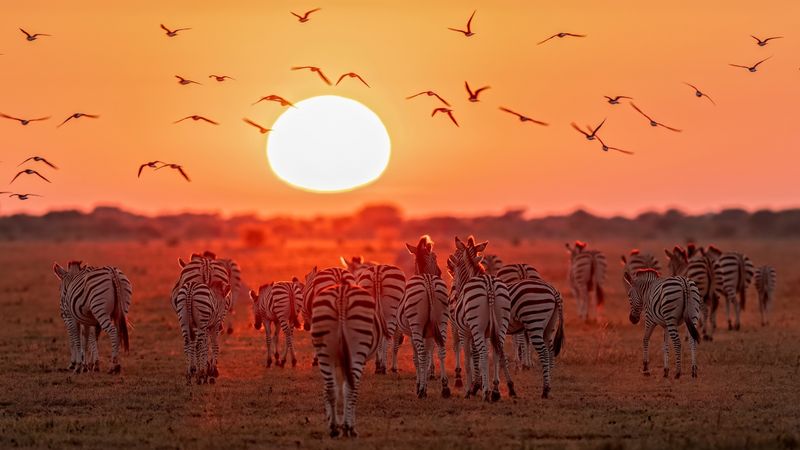
During Botswana’s green season, the Kalahari salt pans and surrounding plains can transform into a remarkable gathering point for zebra. As the rains arrive and fresh grazing draws wildlife into the region, enormous herds move across the open country, creating one of the more unexpected spectacles of a Botswana safari.
“We saw these massive herds of zebra on our first day. It was incredible – that’s something you hardly see anywhere else.” – Allison Bothma, Rhino Africa Travel Expert.
7. Extended Daytime Safari Hours
Summer days are noticeably longer in Botswana, giving guests more sunshine to enjoy the bush.
"Longer daylight hours mean extended daytime safari hours compared to winter / high season, giving additional value." – Clive Millar.
That extra daylight creates a broader window for wildlife viewing, from following an interesting track to lingering at a sighting or stopping for a sundowner before returning to camp.
8. Refreshing Showers and Cooler Afternoons
There is a common misconception that the rainy season brings constant downpours. The reality is somewhat different.
"While it is the rainy season, rain is by no means guaranteed and can often last 1-2 hours in the late afternoon. It also helps bring the temperature down compared to October and early November and brings welcome relief." – Clive Millar, Kwando Safaris.
Rather than disrupting your itinerary, these brief afternoon showers clear the haze, lower ambient temperatures, and leave the bush feeling fresh and cool. Most days settle back into clear skies well before dinner.
9. Exclusive, Uncrowded Concessions
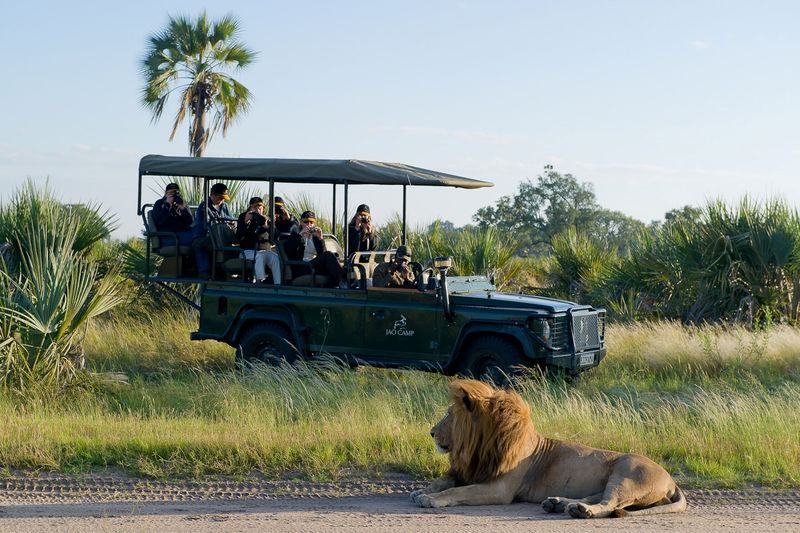
With most visitors travelling during the dry season, Green Season brings a greater sense of privacy and tranquillity. Camps and concessions often have a more intimate atmosphere, while fewer vehicles at sightings mean more space to pause, observe, and enjoy wildlife without the usual crowds.
"Travelling outside of peak seasons often means a quieter and more exclusive experience. If you want a truly immersive safari, green season provides an excellent opportunity for it." – Carl Preller, Rhino Africa Travel Expert.
10. Outstanding Sightings on Prime Concessions
One of the biggest concerns about Botswana’s Green Season is that taller grass and more abundant water will make wildlife harder to find.
"The myth that one won’t see any animals is exactly that: a myth. While there is some animal dispersal and tall grasses can hide certain species, we mostly work on private concessions and follow the prides and herds daily, so we have a rough indication of their movements. Like any season, we make no guarantees of sightings, but the Green Season can also give spectacular wildlife experiences.” – Clive Millar, Kwando Safaris.
On private concessions, guides and trackers build up detailed knowledge of resident prides, herds, and their movements. This helps them make informed decisions about where to explore each day.

Frequently Asked Questions
Experience Botswana’s Secret Season
There is no single best time to go on safari, only different seasons revealing different chapters of the wilderness. Where the dry season brings dramatic concentrations around remaining waterholes, the Green Season offers renewal, abundance, exclusivity, and remarkable value.
Ready to explore Botswana during its most vibrant season? Speak to a Rhino Africa Travel Expert today to design your tailor-made Green Season itinerary.