
When you've seen so much of Africa, where do you go to discover something entirely new? After years of helping guests explore the continent, our Travel Expert Manuela Wilfart knows the more you see, the harder it is to surprise you. For her repeat clients who have travelled the classic safari routes, Madagascar offers a unique kind of adventure – one of extraordinary landscapes, elusive wildlife, unexpected encounters, and journeys that don't always follow the familiar path. Here are five reasons she believes it’s the next place to discover.
1. A Landscape Unlike Anywhere Else
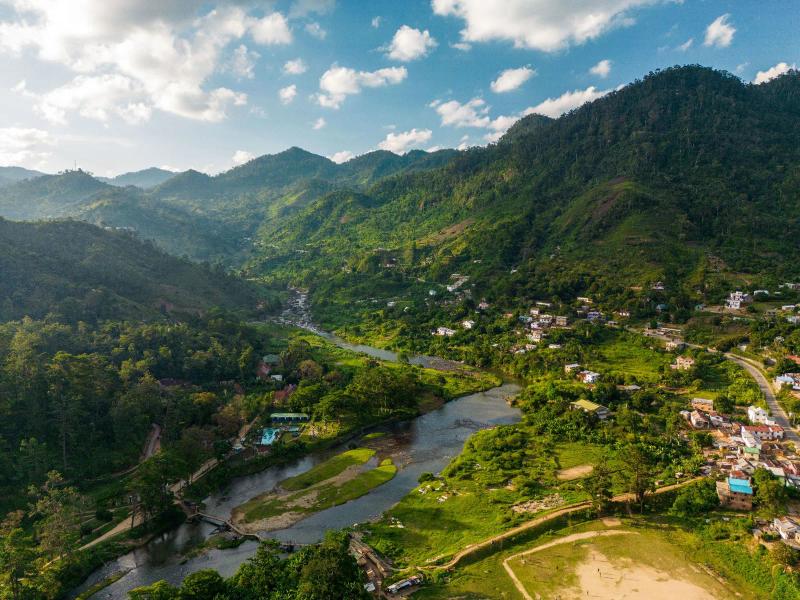
Madagascar is vast, and crossing it means moving through a remarkable succession of landscapes. Rather than one continuous environment, its regions feel almost like separate worlds, each with its own scenery, wildlife, and pace.
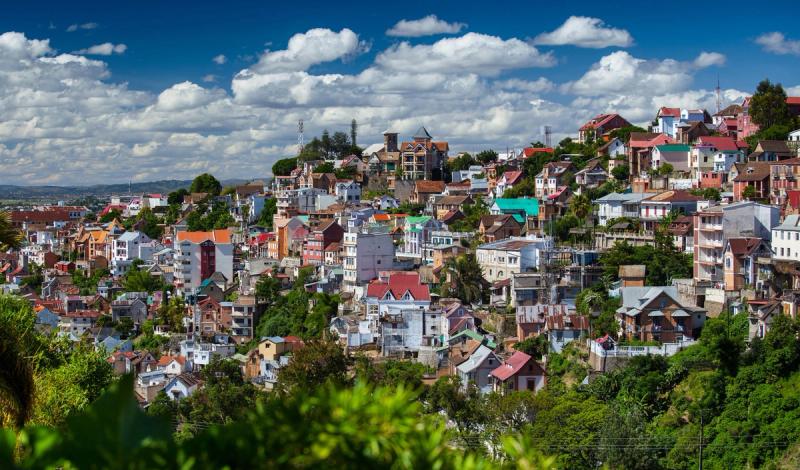
Manuela began in Antananarivo, Madagascar’s highland capital, where red earth, terraced rice fields, and densely settled hills give the city and its surroundings a distinctly rugged, surreal feel. From there, no matter which direction you choose, the terrain changes as dramatically as the island itself.
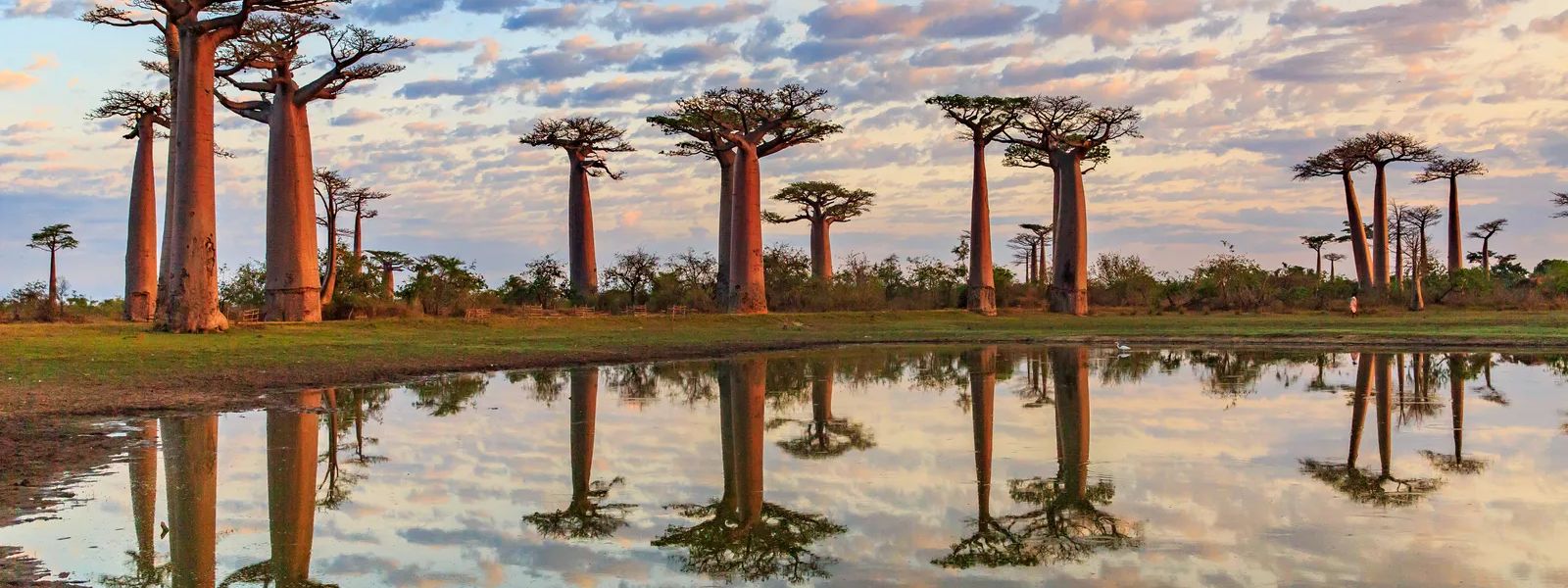
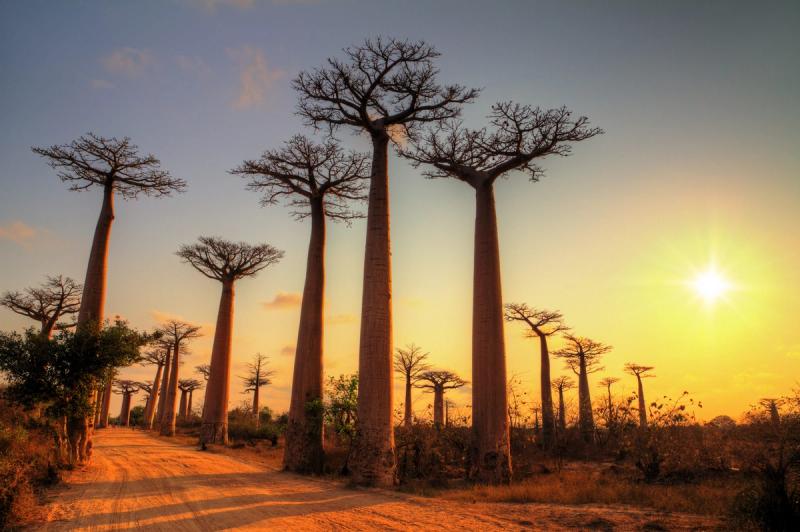
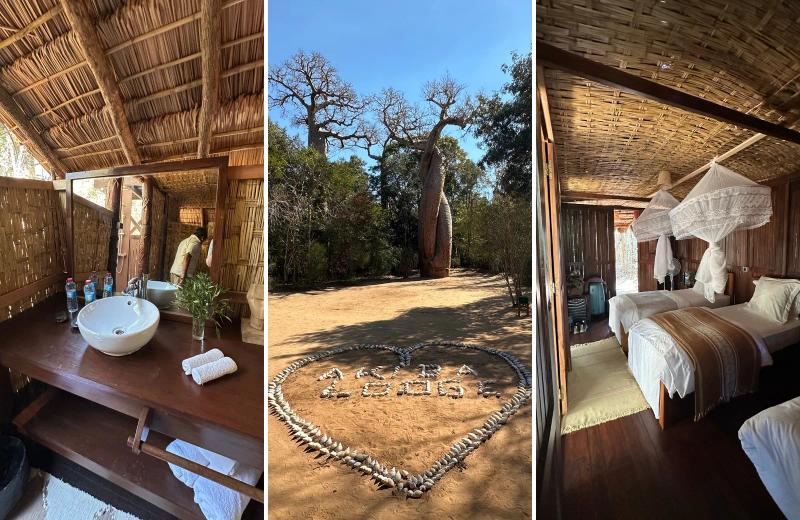
In the west, the country has a drier and more open terrain, with forests broken by immense baobabs and wide stretches of red earth.
In the east, everything turns lush: rainforest rises thick around the roads, filtering the light and creating a completely different habitat for Madagascar’s wildlife.
And beyond the forests and inland landscapes, the island eventually opens onto a long, beautiful coastline.
“Madagascar is very diverse. They have nine different zones of vegetation, and a remarkably beautiful coastline as well.”
That, perhaps, is what makes the country so compelling for someone who has already travelled extensively through Africa. Madagascar doesn't give you one version of Africa. It keeps changing the “rules” as you move through it.
2. You Don't Have to Take Every Road
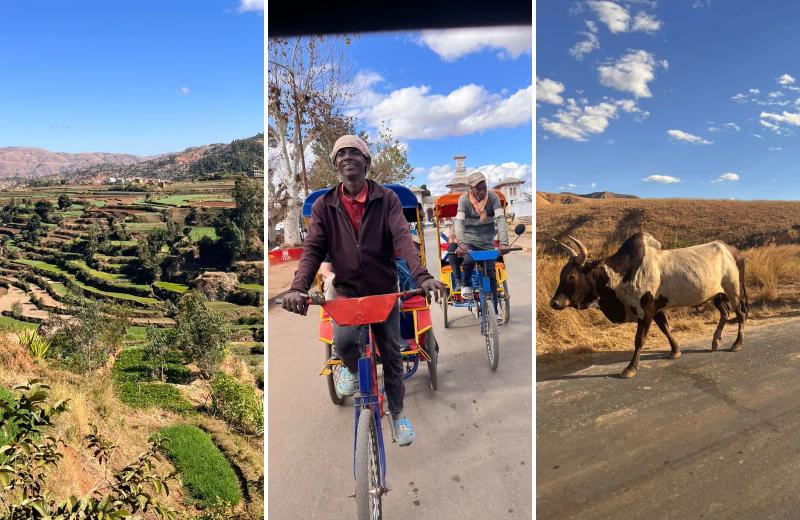
Madagascar asks you to slow down and look around. With speeds rarely reaching more than around 60 kilometres an hour, travelling by road gives you plenty of time to watch the scenery unfold: villages come and go, people walk along the roadside, children wave as you pass, and the countryside gradually reveals itself beyond the wildlife and landscapes.
“Driving through the villages means that you can see the people. From outside the window, the children and locals wave at you. It’s very humbling.”
These glimpses of everyday island life are an important part of the journey. But Madagascar is vast, and sometimes the best way to connect the dots is from above. Flying between regions can make the journey feel more seamless, while also revealing a sweeping perspective on the island below.
For guests looking to go further, a private charter can open up even more remote corners while giving them more time to enjoy the places they've come to see.
Manuela's recommendation is simple. Keep to the road where the journey itself adds to the experience. Take to the skies when covering the distance allows you to spend more time exploring what lies beyond it.
“There’s always some driving involved, and that’s a lovely way to see the countryside and meet the people. But flying gives you a completely different perspective, so I would always consider doing a combination of both.”
The art is knowing where that road is part of the adventure, and where the view from above is the better way to go.
3. Come for the Lemurs, Stay for the Surprise
Of course, you go to Madagascar for the lemurs. Found nowhere else on Earth, they’re one of the island’s greatest draws. But finding them isn't always as simple as heading out on a game drive and waiting for something to appear.
Part of the reason is that Madagascar's lemurs belong to very distinct habitats. Remember the dramatic shift in landscapes across the island? Well, that shift means different species too.
Madagascar is home to more than 100 species of lemur, and they don't all live in the same places. Some lemurs are found in rainforests, others in drier forested areas, and certain species only belong to specific corners of the island.
In the dry forest, the guides work hard to track them down, but with the foliage being more sparse, it makes them easier to spot. In the rainforests of eastern Madagascar, it's a whole other story. The canopy is thick, the light is dappled, and the lemurs can disappear almost completely into the greenery.
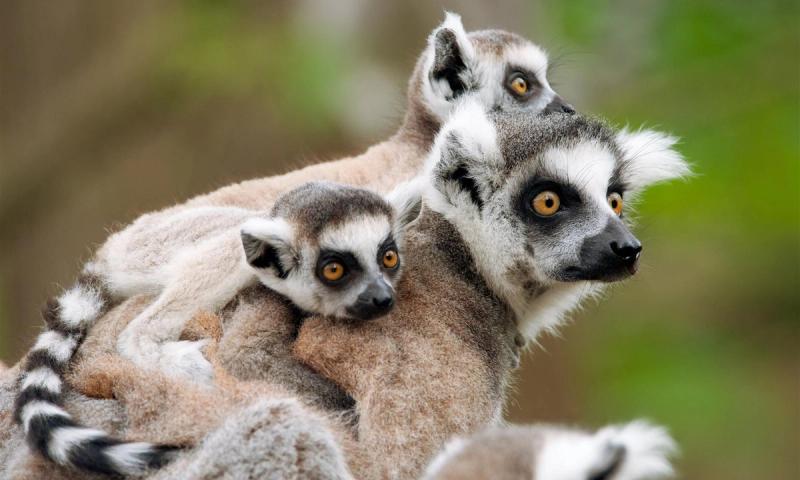
Then there are the sanctuaries, where protected populations have become accustomed to people and can come remarkably close. Manuela found these encounters more intimate and photograph-friendly, although they felt quite removed from finding a lemur in the wild.
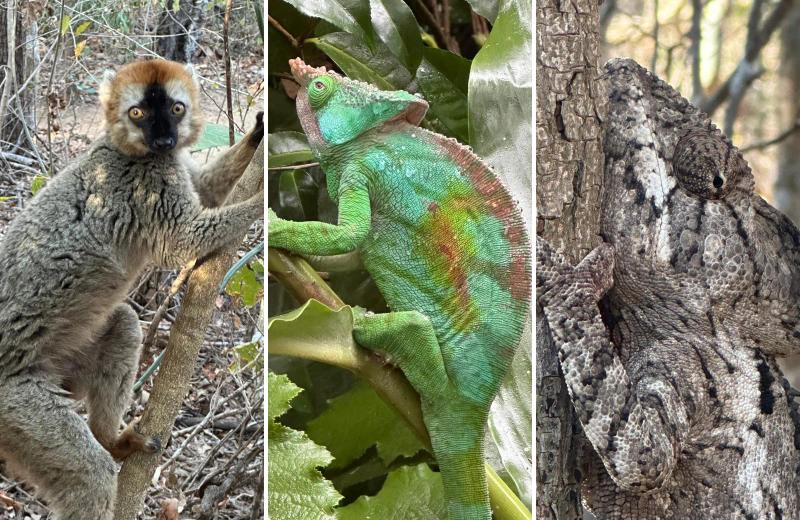
Beyond the lemurs, Madagascar’s wildlife gets wonderfully strange. Chameleons appear among the foliage, frogs hide in the undergrowth, and colourful birds flash through the trees.
These smaller discoveries call for the close attention Madagascar demands. It's also a reminder that some of the island's most fascinating creatures aren't necessarily the ones you set out hoping to find.
“You don't go there for wildlife as such. You go for the strange, wonderful feeling of searching for something that exists nowhere else.”
In Madagascar, finding the wildlife is only part of the adventure.
4. The People You Meet Along the Way
Some of Manuela’s most memorable encounters had nothing to do with the fauna or flora, and everything to do with the people she met along the way.
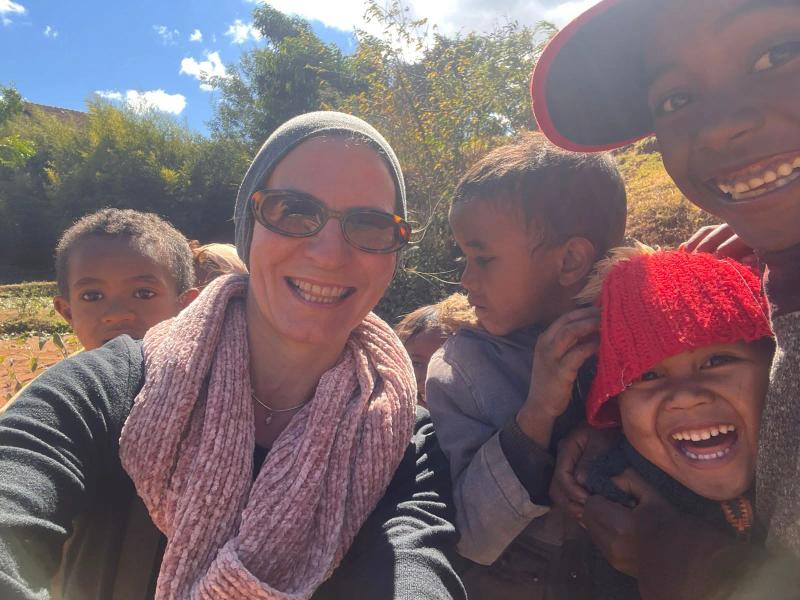
While walking through the rice fields, Manuela found herself surrounded by children who followed along, curious about the visitors moving through their everyday world. When she started taking photographs, their fascination was immediate. They didn't simply want to be photographed; they wanted to see the pictures afterwards, crowding around to recognise themselves on the screen.
“All they wanted was for you to take a picture and show them the picture afterwards. It was very sweet to see and be a part of”
A village walk brought another unexpected meeting: an 82-year-old man out for his daily exercise. Both curious about one another, Manuela stopped to chat to him, and they struck up a conversation about his age and his life. He spoke with warmth and an easy smile that made the encounter particularly memorable, and Manuela was especially impressed by his dexterity and resilience.
Another connection came through conversation. On one of their stopovers, Manuela’s driver-guide, Nuri, started chatting about music with another guide who happened to be wearing a Guns N’ Roses T-shirt. Manuela commented on it, discovered that he played in a band with Nuri, and suddenly the final evening in Antananarivo had acquired a very different plan: a small local bar, live music, and a chance to see her guides in an entirely new light.
It was the kind of serendipitous moment that makes exploring a new destination feel incredibly personal. And Manuela learnt that in Madagascar, leaving more room for encounters you couldn't have planned turns a carefully considered itinerary into a collection of moments you simply couldn’t have planned.
5. A Country That Hasn't Been Shaped Entirely Around Tourism
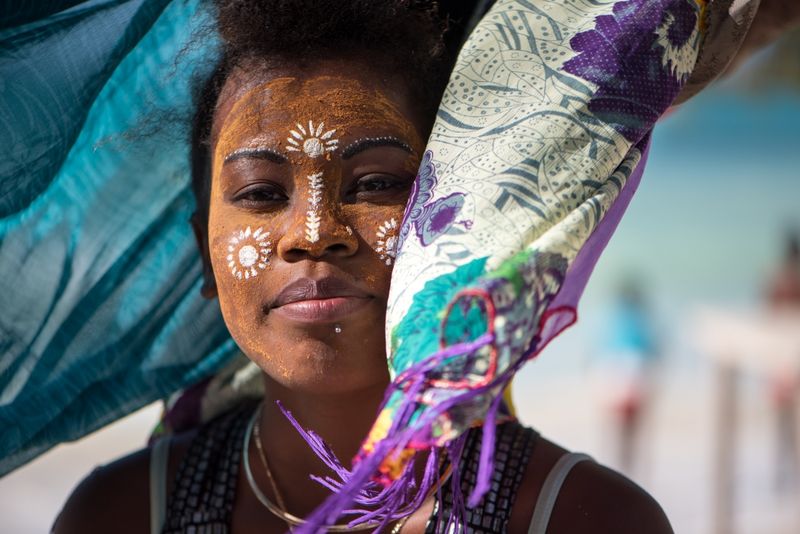
Madagascar doesn’t feel like it’s built solely around tourism, and that’s part of what makes this country so fascinating. Here, the extraordinary sits alongside the everyday, and lodges feel woven into landscapes and communities that have a life of their own.
Manuela experienced that variety firsthand. Montadia Lodge, tucked into the rainforest, was one of her favourites, with a lovely balance of comfort and setting. Akiba Lodge, meanwhile, had a more intimate feel, with little cottages scattered among the trees, good food, and warm hospitality.
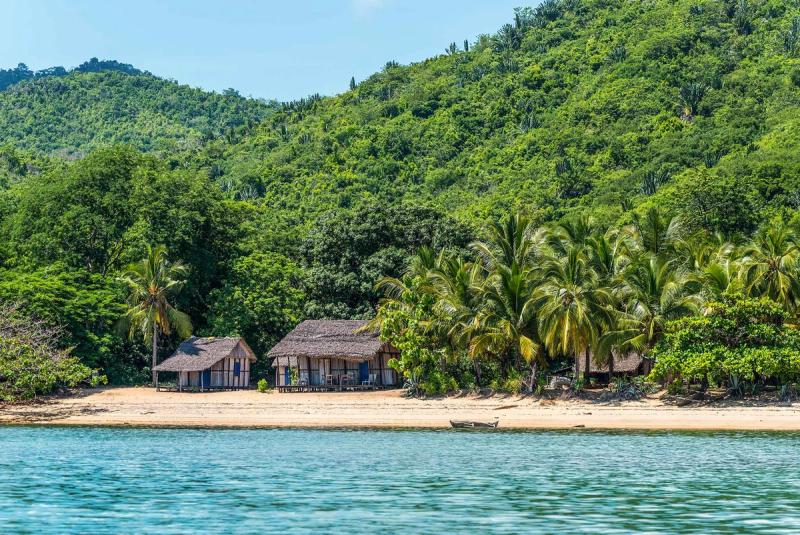
Those are two of the lodges Manuela would happily recommend, but there are plenty of other ways to experience Madagascar, too. Take Miavana Private Island, for example, where the forest gives way to white-sand beaches and barefoot island living in the most luxurious way possible.
“No matter where we went, the lodge teams were always sweet and so, so welcoming.”
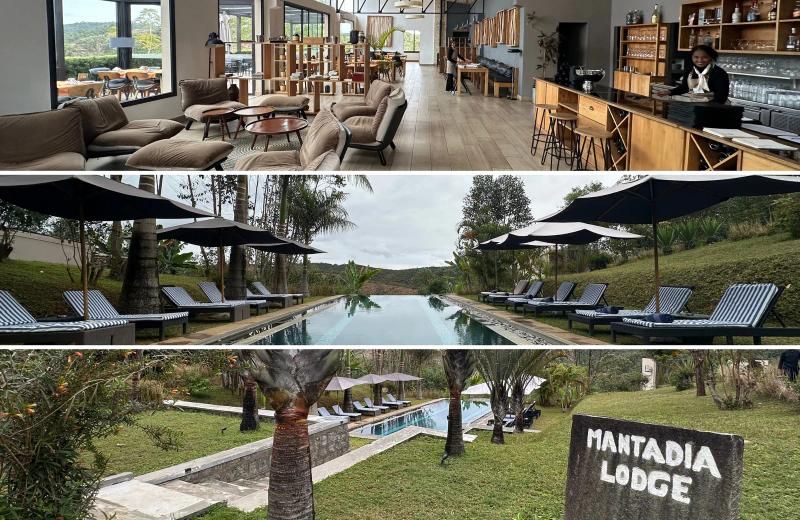
The key, Manuela believes, is simply knowing that Madagascar won't necessarily look or feel like the African destinations you already know. Some stays are beautifully appointed; others are wonderfully intimate. Some wildlife areas are busy, while others feel far removed. What remains consistent is the sense that you’re travelling through a country with its own character.
How Manuela Would Build the Journey
There’s no single Madagascar itinerary that Manuela would recommend to everyone. After experiencing the country herself, she would build the journey around the guest first: what they want to see, how they like to travel, and how much time they want to give the experience.
That might mean flying between regions where the distances are considerable, while deliberately keeping a few road journeys where the countryside and people are part of the appeal.
It means choosing the region according to the lemurs and landscapes they want to explore, being honest about the calibre of accommodation available, and allowing enough time to enjoy the destination rather than racing between highlights.
And because Madagascar offers an immersive rather than particularly relaxing holiday, Manuela would consider ending the journey with a few days on the beach. Nosy Be, off Madagascar’s northwest coast, gives an easy way to slow things down without leaving the island, while guests wanting to add another destination could continue to Mauritius.
Ultimately, this is a destination for the experienced, curious traveller: someone who has seen the classic African safari and is ready to trade the familiar for a journey with a little more unpredictability.
“It is completely different – something you will never see again, and you can't compare it to anything else.”
Knowing Madagascar is one thing. Knowing who will fall completely for it is another.
Travel Differently
For guests who’ve already experienced so much of Africa, Madagascar offers something genuinely hard to find: the feeling of discovering somewhere you can't compare to anywhere you've been before.
If you’re ready to go somewhere that doesn’t follow the usual safari script, we know where to start. Speak to one of our Travel Experts, and we’ll take you beyond the ordinary.