
There’s a special kind of anticipation that kicks in before a safari. It’s not quite like any other trip – somehow, the stakes feel higher. You’re not just going somewhere; you’re going on safari. And suddenly, your brain is firing off questions: Do I need a visa? Will my suitcase fit on a charter plane? Will zebras bolt if I wear leopard print – or worse, will leopards take it as a personal invitation?
Here at Rhino Africa, we’ve been there (and then some). So, we’ve pulled together the safari questions we hear most often into one handy pre-departure guide, helping you pack smarter, plan better and feel completely safari-ready from day one.

1. Do I Need a Visa?
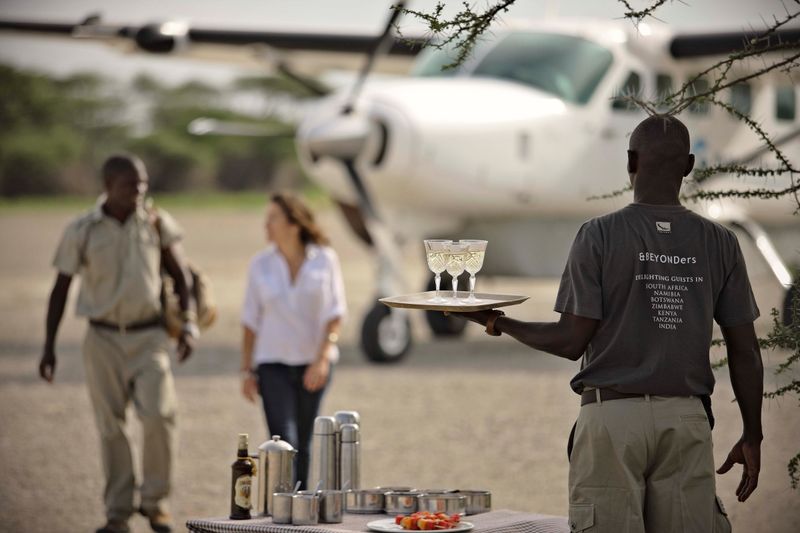
If you’re an international guest heading to Africa, there’s a good chance you will. But, as with most things involving passports and border control, the answer comes with a few important footnotes.
Your passport must be valid for at least six months after your intended departure date, and you’ll need two consecutive blank visa pages for each country you’re visiting. And yes, they need to be proper visa pages – endorsement pages won’t cut it. Without enough space, immigration officials can refuse entry.
Visa requirements depend on both your nationality and where in Africa you’re travelling, so always check the latest requirements with the relevant embassy or consulate before departure. A little admin now beats an awkward conversation at immigration later.
2. What Luggage Can I Take on Safari Flights?
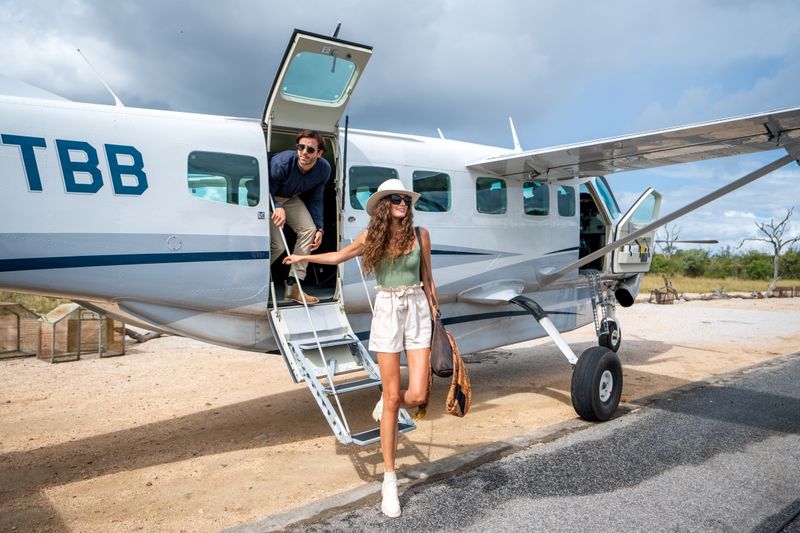
Ah, the charter flight conundrum. If your safari includes a light-aircraft hop to somewhere wonderfully remote, like the Serengeti or the Okavango Delta, you’ll need to be a little more strategic with your packing.
Number one rule: soft-sided bags only.
Sadly, your glamorous hard-shell Samsonite won't squeeze into these compact cabins. You’re typically limited to 20kg (44 lbs) total – that’s everything: checked bag, hand luggage, and camera gear combined. In practical terms, think one soft duffel per person, plus a small backpack or handbag for the essentials.
Space is limited on these little aircraft, so bulky cases simply aren’t practical. The good news? Most safari lodges offer complimentary laundry, which means there’s no need to pack a new outfit for every day. Keep it functional, keep it simple, and leave the cocktail dresses and blazers at home.
3. What Should I Wear on Safari?
Safari style is all about flying under the radar – quite literally. You want to be ignored by animals, not admired by them.
Colours and Prints
Stick to nature’s colour palette: khaki, olive, beige, grey. White tends to stay white for approximately 10 minutes into your first game drive, while black and navy are best avoided in tsetse fly areas, as these darker shades can attract them. And as for leopard print? Save it for the lodge lounge. Trust us, baboons don't find it nearly as cute as you do.
Layering
Think layers, layers, layers. Even during the peak summer season, those early morning game drives can be surprisingly chilly. Then the sun climbs, and suddenly, you’re peeling like an onion. Breathable long-sleeved shirts, a fleece or puffer jacket and a light waterproof layer should cover you across seasons.
Footwear
Shoes? Trainers are your best bet. Unless you’re doing a multi-day walking safari, you don’t need boots heavy enough to scale Kilimanjaro. Just something closed, comfy, and ready to deal with dust.
Dress Code
And one last golden nugget: Africa’s wilderness is casual. You won’t need heels, dinner jackets, or that linen jumpsuit that looks great in theory but creases if you breathe on it. Pack smart, pack light. Your future self (and the pilot of your charter flight) will thank you.
Need a full packing list? We've got you covered → What to Pack for a Safari in Africa.

4. Should I Bring My Own Binoculars?
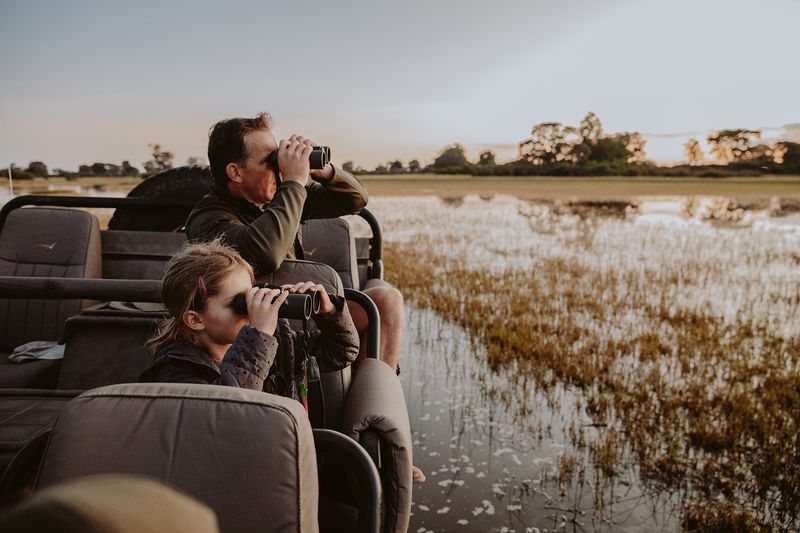
Short answer: yes – especially if you’d rather not squint heroically across the savannah wondering whether that distant shape is a cheetah or an unusually athletic termite mound.
Longer answer: it depends. Most professional guides will have a solid pair to share – but if you’re the type who doesn’t like waiting your turn while someone else hogs the view (always when the leopard starts doing something interesting), bring your own.
Forgotten them? No disaster. Some lodge boutiques stock binoculars for purchase, although it’s best to arrange this in advance as they’re not generally kept in large numbers. Alternatively, if you’re spending time in Cape Town or Johannesburg before your safari, there are plenty of outdoor and photography stores where you can pick up a decent pair without a fuss.
They’re also brilliant for birdwatching – or for admiring a lion’s lashes from a respectful distance.
5. How Much Cash Should I Bring?
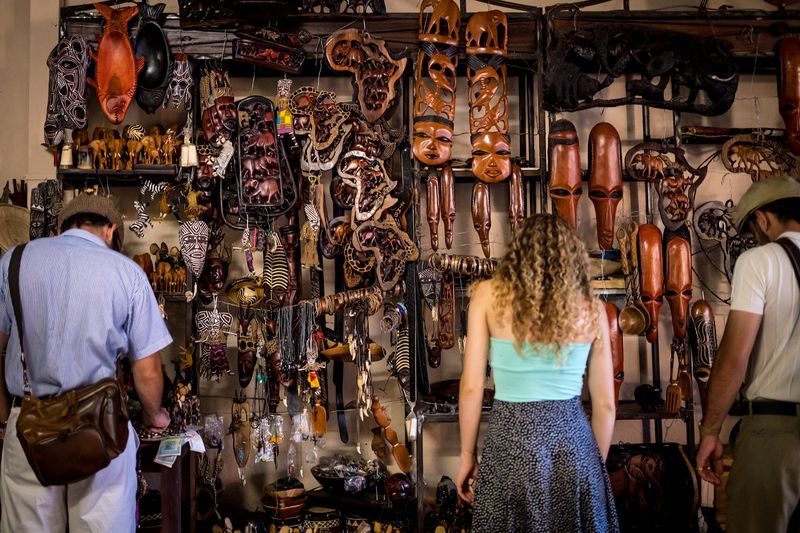
Cash on safari is less about big purchases and more about those in-between moments: a tip here, a market stall there, the irresistible trinket carved from jacaranda wood that definitely won’t fit in your carry-on (but you're buying it anyway).
In many safari destinations, US dollars (post-2007, crisp notes only) are widely accepted. Just keep small denominations handy – change is often given in local currency. Visa and Mastercard work well at most lodges but leave your Amex behind.
In South Africa, it's ZAR only – so exchange a small amount at the airport or draw cash at a local ATM using a Maestro- or Cirrus-backed card. And always keep a little cash tucked away. Because inevitably, the trinket you absolutely must have will appear the moment card payments don’t.
6. What About Tipping?
Tipping is one of the questions we hear most often before a safari – and understandably so. The good news is that tipping in Africa is usually fairly straightforward once you know the lay of the land.
If you’ve received good service, tipping is warmly encouraged. Think of it as a genuine thank you rather than another line item to tick off.
Here’s what we recommend per couple per day:
- Guide: USD 25
- Tracker: USD 20
- Butler or housekeeping: USD 18
- General staff: USD 18
- Transfer drivers: USD 5–10
- City tour guides: USD 10–20 depending on tour length
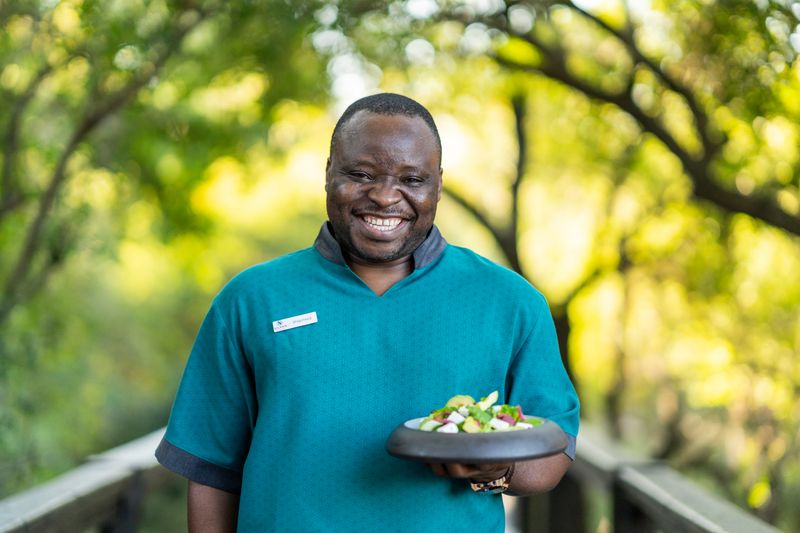
Most lodges will let you tip in cash or by card at checkout. If you're unsure, there’s usually an information pack in your suite – either a menu-style booklet or a slick little iPad – that covers tipping guidelines and more.
And if you’re still unsure? Just ask the lodge manager. They’ve seen every tipping scenario under the sun, and will be more than happy to tip you off (pun intended).
7. Do I Need Travel Insurance?
Yes. One hundred times, yes.
Travel insurance might not be sexy, but it’s essential. Flight delays, lost luggage, illness, cancellations – nobody wants to dwell on the what-ifs, but having proper cover means they’re far less likely to derail the trip.
Rhino Africa works with Global Rescue, which offers support for many of the bigger, less glamorous eventualities you’d rather not have to think about while planning your holiday.
Put it this way: heading off on safari without travel insurance is a bit like setting out on a game drive without a spare tyre. You might be absolutely fine. But we really wouldn’t recommend testing the theory.
8. Do I Need Medication or Vaccinations?
Welcome to the medical FAQ corner – let’s break it down.
Malaria
If you’re going to a malaria zone (and many safari areas are, although there are also plenty of malaria-free destinations), speak to your doctor about the right prophylactics. Most of us opt for Malarone, which is easy to take and generally free from side effects. But everyone’s different. Get qualified, expert advice.
Remember: the best way to avoid malaria is to prevent mosquito bites. That means long sleeves at dusk, mosquito repellent on every inch of exposed skin (even under your socks), and sleeping under nets when provided.
Yellow Fever
Only required if you’re coming from or transiting through a yellow fever region. It's unnecessary if you're flying directly from places like Europe, the UK, or the US. Southern and East Africa are strict – don’t let a missing yellow card derail your trip.
9. When’s the Best Time to Go on Safari?
Trick question. It all depends on where you’re heading – and what you want to see.
Southern Africa
In Southern Africa (think Kruger National Park, Namibia, Botswana), the dry season from May to October is when the safari stars truly align. Water is scarce, animals gather at the few remaining sources, and the bush thins out – meaning your chances of spotting something extraordinary shoot right up.
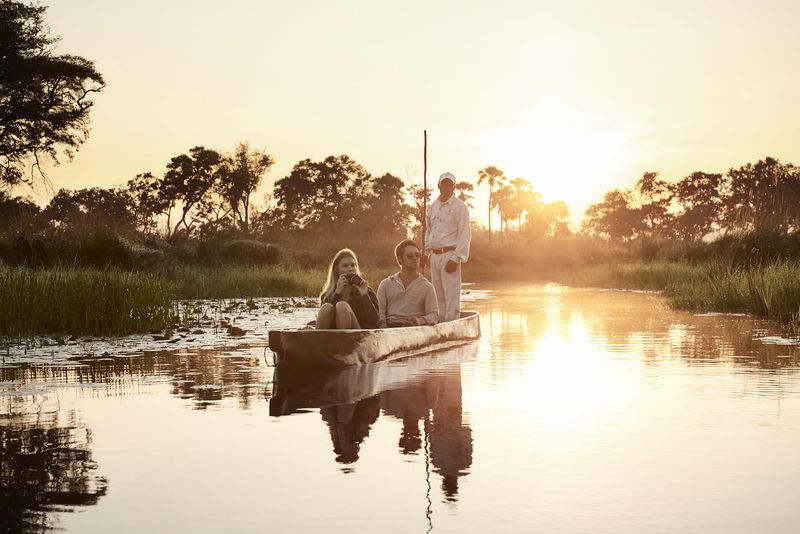
If you’re dreaming of drifting through the Okavango Delta, this is your moment too: the floodwaters arrive, and suddenly, the landscape becomes a maze of glittering waterways, perfect for mokoro trips and boat safaris.
East Africa
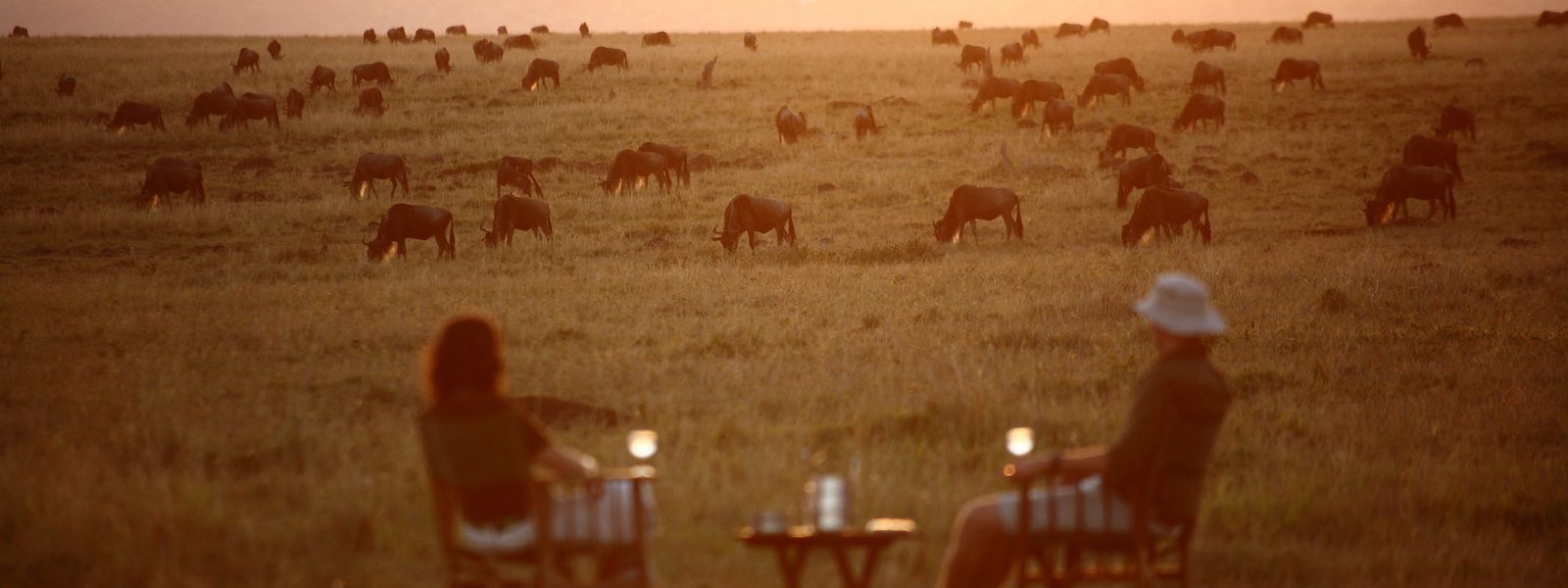
In East Africa (Kenya and Tanzania), June to October is peak drama season, with the Great Migration thundering across the plains. Prefer baby animals to wildebeest mayhem? January to March is the calving season in the southern Serengeti – tiny legs, wobbly steps, and a whole lot of heart-melting moments.
We'll Help You Navigate
The real secret? There’s never a "wrong" time for safari. Every season brings its own magic – think dramatic stormy skies, lush green landscapes, quieter camps, and wildlife encounters that feel like they’re just for you.
Still not sure? We unpack it all in more detail over here in our safari season timing guide. And when you’re ready, chat to us – we’ll match your travel dates with the perfect destination.
10. Can Kids Go on Safari?
Yes – but check the fine print.
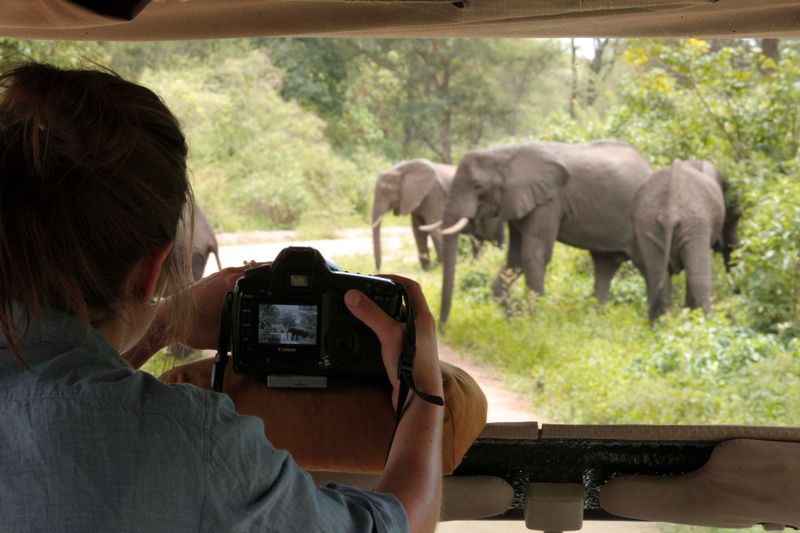
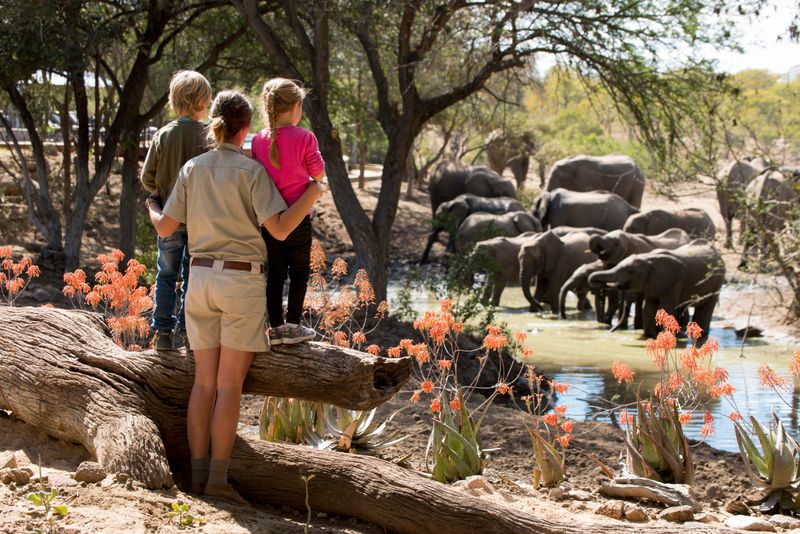
Many lodges welcome children from around six years old, while others are strictly adults-only. Some go even further, offering special family suites and houses, kids' activities, and even Junior Ranger programmes to turn little adventurers into budding safari experts.
If you’re travelling with younger ones, just give us a heads-up. We’ll match you and your family with the perfect property – one where your kids can get stuck into the adventure without the grown-ups feeling like they need a holiday after the holiday.
And if you're wondering about the best destinations to visit for children at every age, our handy guide is sure to spark your imagination!
Wrapping It Up – From Chaos to Confidence
So, that swirling vortex of safari questions? Handled. You now know what to wear, what not to wear (sorry, leopard print), how to pack like a pro, navigate visa fine print, and when to have cash versus card in hand. You're no longer just planning a holiday – you're preparing for an experience that most people only dream of.
And while there’s plenty of information online, what you won’t find on Google is decades of on-the-ground insight, lodge relationships we’ve built over time, and a team who’s done this all before – multiple times and across many countries.

Still Have Questions?
Good. Most worthwhile safaris start with a few.
Tell us where you’re thinking of going, when you’d like to travel, and what matters most to you. Our Travel Experts can help with everything from the big route decisions to the oddly specific questions you didn’t know you’d have until safari suddenly became very real.
We’ve planned journeys for honeymooners, solo guests, multi-generational families, first-timers and seasoned safari-goers who swore the last trip was going to be the last one.
You bring the dream. We’ll help shape the details, join the dots and plan the kind of safari that leaves you with one final question: when can I do that again?
Featured Image: Elewana Elephant Pepper Camp