
We’ve all seen the footage of the Great Wildebeest Migration: thousands of animals plunging through river currents under hazy clouds of dust. In recent years, however, that spectacle has acquired a less flattering companion: viral clips of safari vehicles jostling bumper-to-bumper for the same sighting.
For those of us in the safari industry, that reputation is hard to ignore. So when I set off for Kenya on my first East African journey, finding the central sector of the Maasai Mara National Reserve on my itinerary prompted an immediate knot of hesitation. But when I was there, what I actually discovered dismantled almost every assumption I brought with me.
Arriving with Reservations
I’ve been blessed to know the African bush from a very young age, having spent countless family holidays exploring South Africa’s national parks. That lifelong fascination eventually led me to Rhino Africa, where, admittedly, I have been spoiled. The nature of my role means I’ve developed a distinct taste for the continent's private reserves, regularly enjoying the kind of exclusive wildlife sightings that inspire travel dreams worldwide.
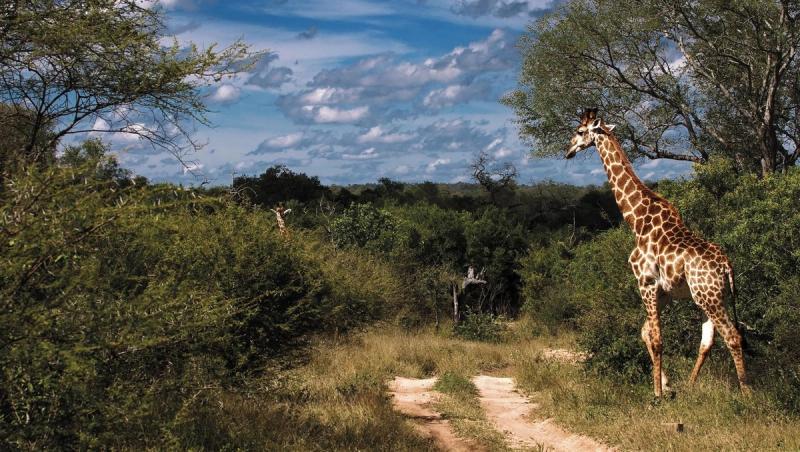
My apprehension was built on that background. I was used to the thick bushveld of the Kruger National Park, where sightlines are short and private concessions strictly limit vehicle numbers at sightings.
Over the years, I’d also seen more and more content showing unrestricted crowds of vehicles driving around the Maasai Mara National Reserve in a manner more reminiscent of Mad Max than a safari. It seemed a world away from the quieter wilderness experiences I’ve always treasured, and entirely at odds with what I believe the best of African travel delivers.
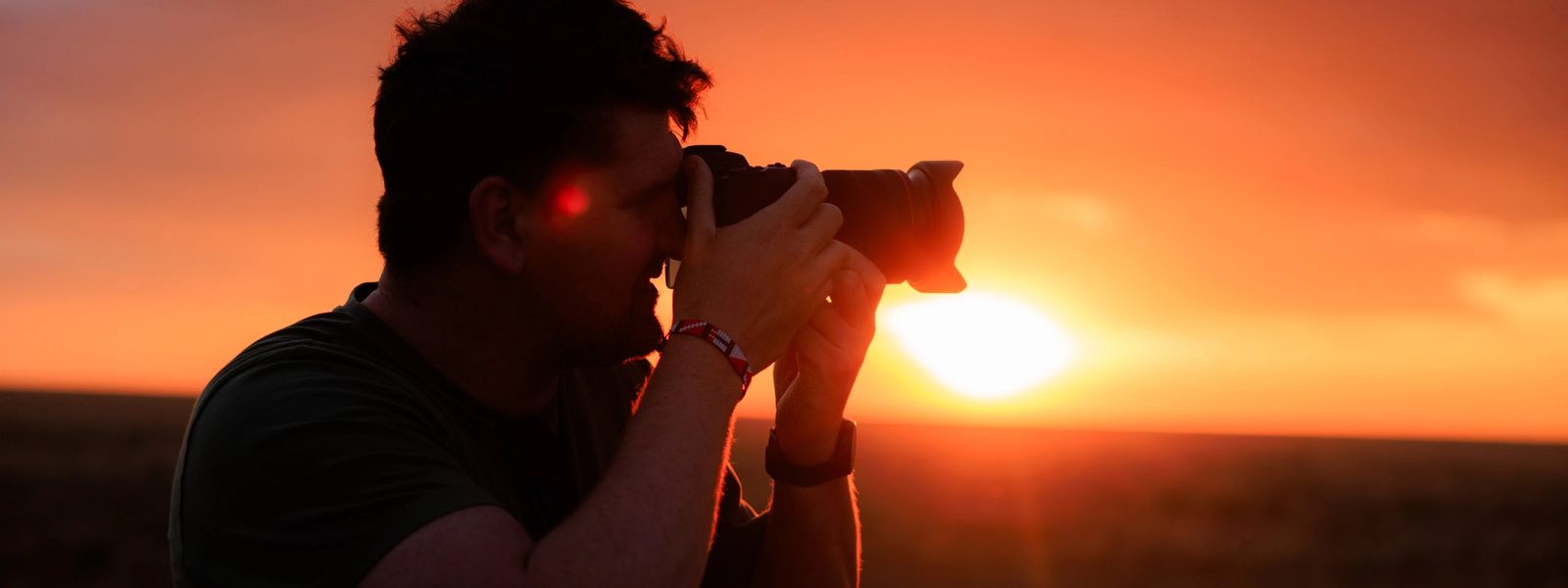
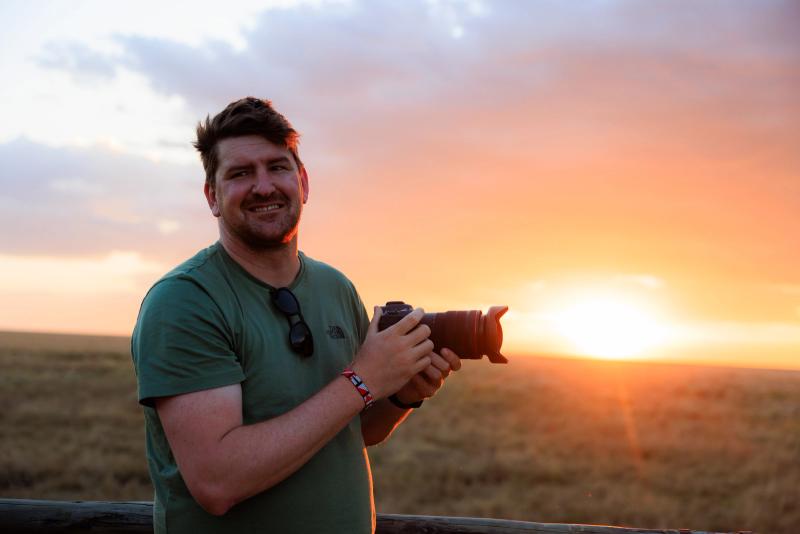
As a passionate photographer, I was particularly wary that convoys of vehicles would disturb the animals, making the natural behaviours I was eager to capture nearly impossible to photograph.
Adding to that wariness was the specific sector of the Maasai Mara we’d be staying in: centrally located, near an airstrip, and renowned for high predator densities. It felt like an inevitable recipe for crowds.
On the plus side, though, was our timing. Travelling in December meant we were visiting during the Green Season, well away from the peak Migration chaos.
Still, as our vehicle bounded through the village of Talek towards Talek Gate, a mix of nervous excitement and lingering worry took over.
The Reality on the Open Plains
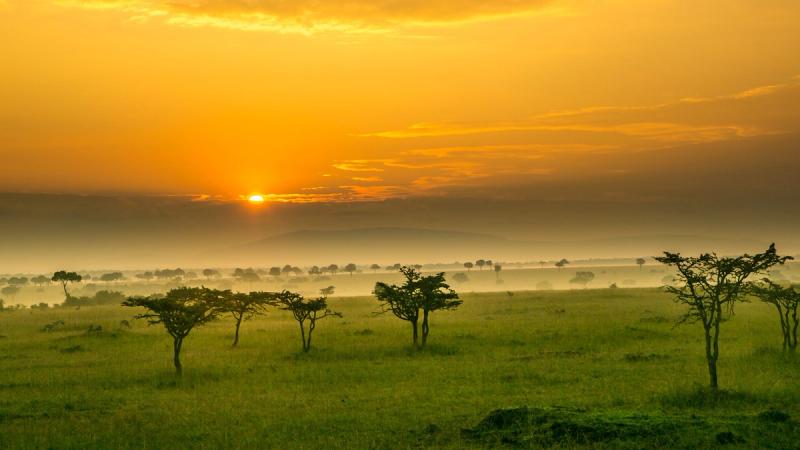
Arriving in the reserve was an immediate contrast. Talek Gate resembled understated park entrances I’d seen elsewhere on the continent, but that is about where the similarities ended. The landscape before me was vastly different from anything I’d ever experienced. The wide-open savannah of the Mara initially makes you feel exposed, especially coming from the dense woodland of Southern Africa.
While my preconceived notions warned me that we’d spot a vehicle on every skyline or meet long trains of them rumbling from sighting to sighting, the opposite was true.
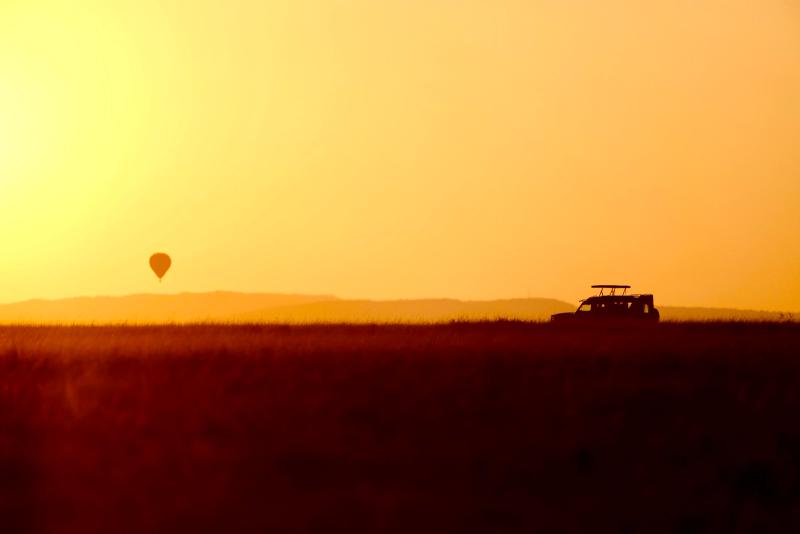
Morning drives were calm, open, and strikingly beautiful. An occasional distant vehicle or the silhouette of a hot-air balloon on the horizon never felt intrusive; they simply felt like part of the scenery. For photography, they even presented great opportunities for wide, environmental shots.
When it came to wildlife, the expected hordes simply never descended. Sightings were uncrowded, patient, and deeply considerate. In some cases, we enjoyed more privacy than we had on private concessions earlier in our trip. Spending an unhurried morning a short distance from Kiok, one of the Mara’s most famous male lions, completely uninterrupted, was one of the highlights of the journey.
I was equally impressed by the communication between guides, both from private lodges and outside tour operators. Rather than a chaotic free-for-all, guides held one another accountable, respectfully ensuring no one blocked an animal’s anticipated path.
The Evening Drive That Changed Everything
The moment that permanently shifted my perspective occurred on our final evening drive while staying at Ishara Mara.
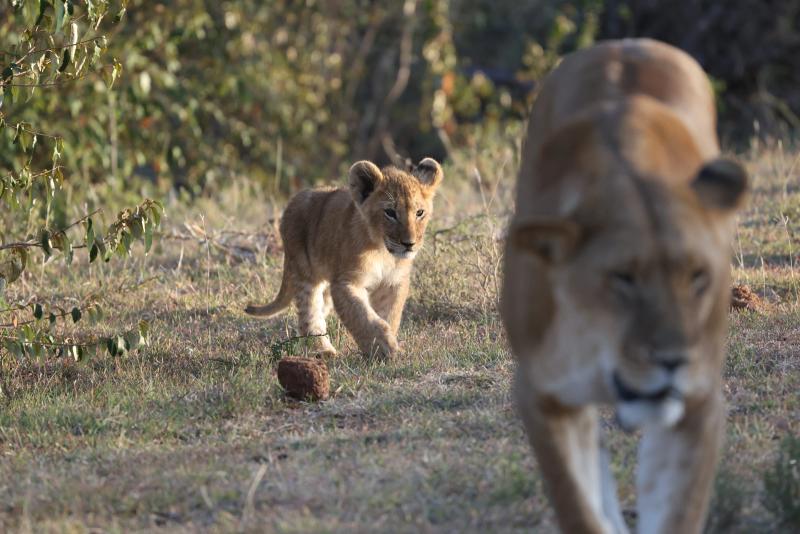
Fifteen minutes into the drive, we came across the local Rongai Pride ambling along a drainage line towards a ridge. We’d noticed a lone buffalo bull in a thicket before the lions did, but it didn't take long for a young pride member to spot it. What followed over the next hour was one of the most engaging, awe-inspiring, and visceral sightings I have ever experienced in Africa.
The young lion stalked and startled the bull, which charged straight into the ambush path of the Rongai Pride (who are seasoned buffalo hunters). The pride sprang into action, spending the next 40 minutes overpowering their prey before settling in for a hard-earned meal.
As thrilling as the encounter was, working in the safari industry means you constantly step back to assess the scene from a professional perspective. What struck me most was the space. At a major, ongoing kill that lasted over an hour near an easily accessible road, we never came across more than four other vehicles. There was no controlled rotation needed, just space, respect, and nature taking its course.
Truth be told, it couldn’t have been further from the chaos in the clips I’d seen before my trip.
Rethinking the Script
Having my misgivings proven so starkly wrong gave me pause. It forced me to reconcile the viral reputation of the Mara with the uncrowded reality I saw on the ground.
Here is what I wish every safari-goer understood before booking:
- Look beyond the Great Migration: The Maasai Mara is extraordinary in its own right, and a safari here does not need to revolve solely around river crossings. Stepping away from the herd-chasing frenzy often leaves you with a more intimate wildlife experience.
- Rethink the "off-season": December falls firmly in the Green Season, a window many people overlook. Yet we enjoyed exceptional predator sightings without the vehicle traffic of peak months, proving that greener landscapes frequently offer far more space and breathing room.
- The crowd concerns are real, but avoidable: The viral videos of vehicle scrums highlight genuine pressures facing East Africa's core reserves. Acknowledging that challenge is necessary, but finding wilderness and privacy is entirely possible if you look past the standard script.
My wish for any safari-goer is that you don’t get tied to a season, and that you get the guidance travel experts can provide, because in doing so, a world of opportunity and enhanced experience awaits.
Ready to Experience the Maasai Mara Your Way?
If this trip taught me anything, it's that the Mara deserves to be experienced beyond its Migration reputation. There's no single perfect time to visit, and the safari you're looking for might be waiting in a month you'd never have considered. That's where the first-hand knowledge of our Travel Experts can make all the difference.
Feature Image Credit: Brad Mitchell