
Namibia has a way of drawing people back, and Rhino Africa Travel Expert Anja Kemp is no exception. Having visited before, she already knew what made the country worth returning to. But there's always another stretch of desert to explore, another wildlife encounter to look forward to, or a reason to spend one more night beneath that enormous sky.
On her latest journey, Anja travelled through some of Namibia's most remarkable landscapes, from towering dunes to the remote northwest, where desert-adapted animals roam dry riverbeds. Along the way, she picked up a few more favourite experiences and plenty of practical advice for guests planning their own visit.
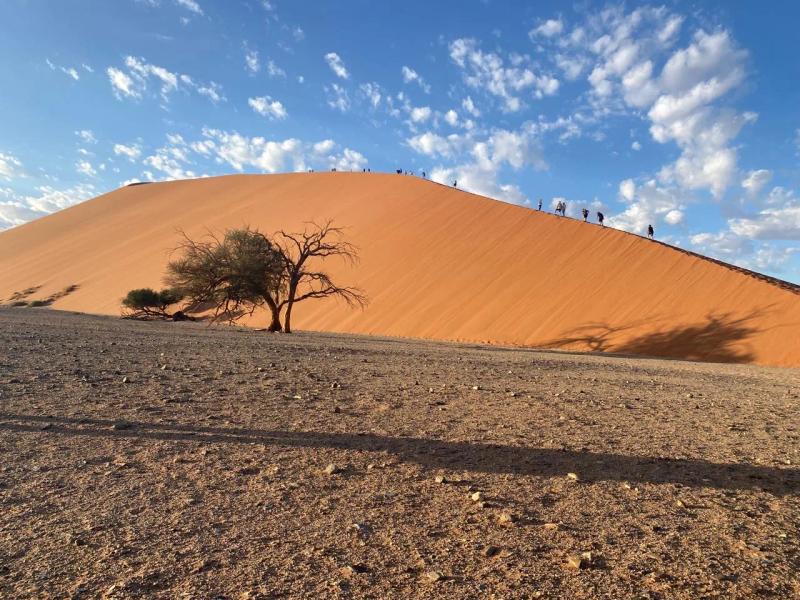
What Keeps Anja Coming Back to Namibia?
Ask Anja what she loves about Namibia, and her answer is refreshingly simple.
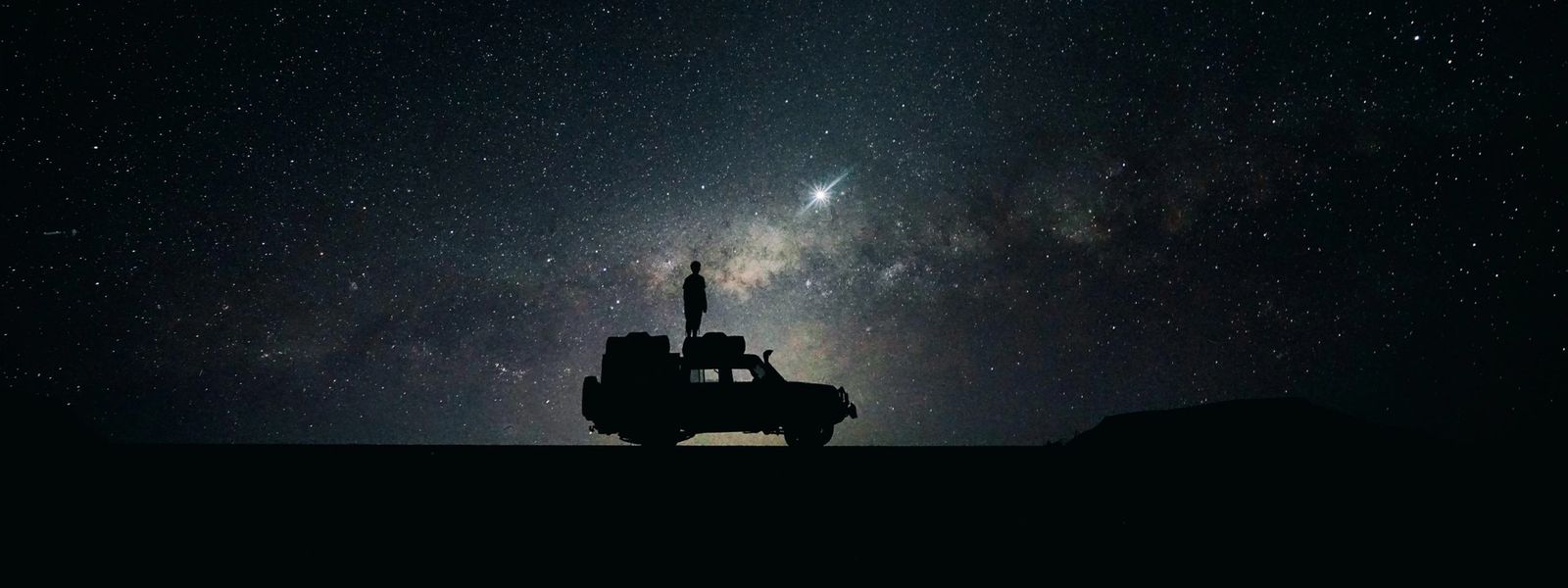
"The calmness, the quietness, the stars."
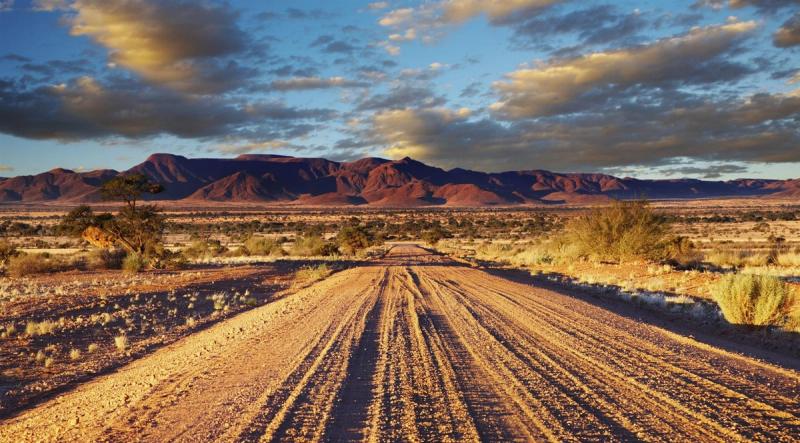
There's certainly no shortage of space. Roads stretch across enormous plains, mountains rise from seemingly empty landscapes, and the scenery can change dramatically between one destination and the next.
But there's plenty happening out there, too.
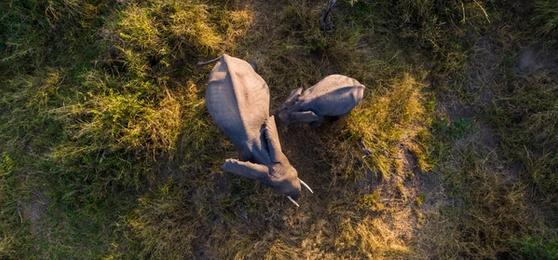
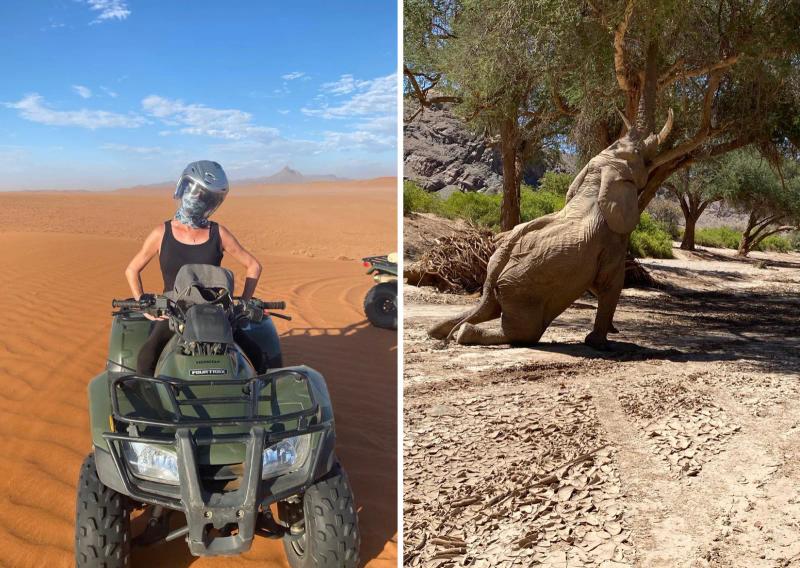
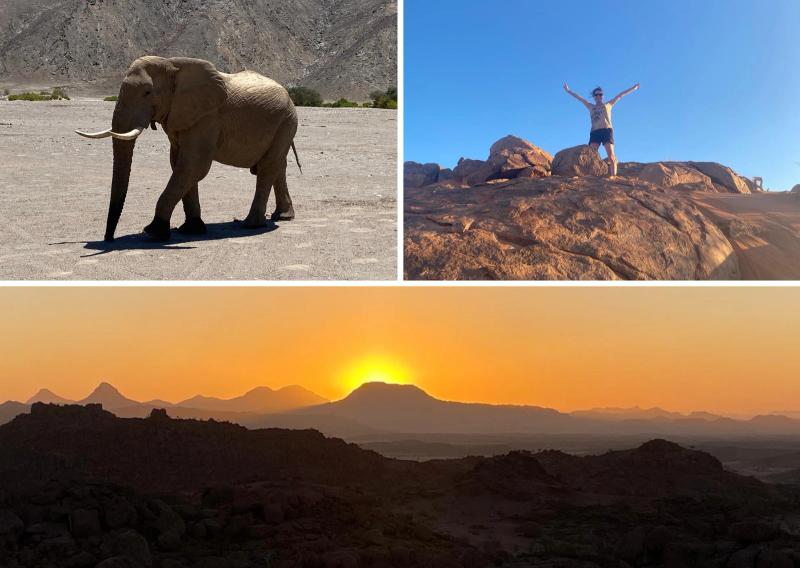
In the remote Hoanib region, Anja encountered desert-adapted elephants, giraffes and lions. Seeing wildlife in such an arid environment was one of the experiences that stayed with her. "That was quite amazing," she recalls.
And then there was quad biking. Anja swapped the safari vehicle for something a little more adventurous and headed into the dunes, where the sand was determined to come along for the ride.
"I could feel the sand between my teeth even with a buff on, but it was so cool."
Her advice? Pack a buff. You'll be grateful for it when the wind picks up.
The Namibia Route Anja Recommends
For first-time visitors, Anja recommends allowing around 14 nights. Her suggested route takes in Windhoek, the Namib Desert and Sossusvlei, Swakopmund, Damaraland and Etosha National Park, with enough time to enjoy the journey between them.
It's a country particularly well suited to exploring by road, provided you're comfortable with long driving days. Some journeys between destinations can take five to seven hours, so realistic planning is essential.
For those who'd prefer to spend less time driving, private charter flights can offer an alternative for certain stretches, taking some of the longer transfers out of the equation. It's a bigger investment, but one worth considering if time is limited or lengthy road journeys don't appeal.
1. Windhoek: A Sensible Place to Start
Anja recommends spending the first night in Windhoek, particularly after an international flight. It's a chance to settle in, enjoy a good meal and prepare for the journey ahead, while allowing a little flexibility if your arrival doesn't go quite to plan.
For self-drivers, it's also a good opportunity to stock up on water, snacks and other essentials before heading into more remote parts of the country.
Anja's Recommended Stay: 1 night at Weinberg Hotel

2. Kalahari: A Different Side of the Desert
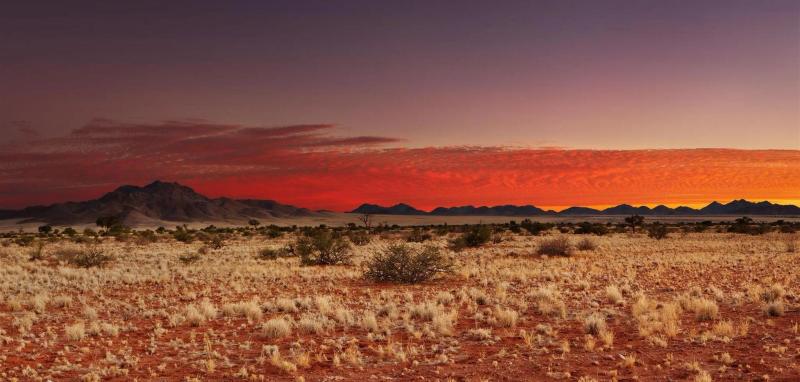
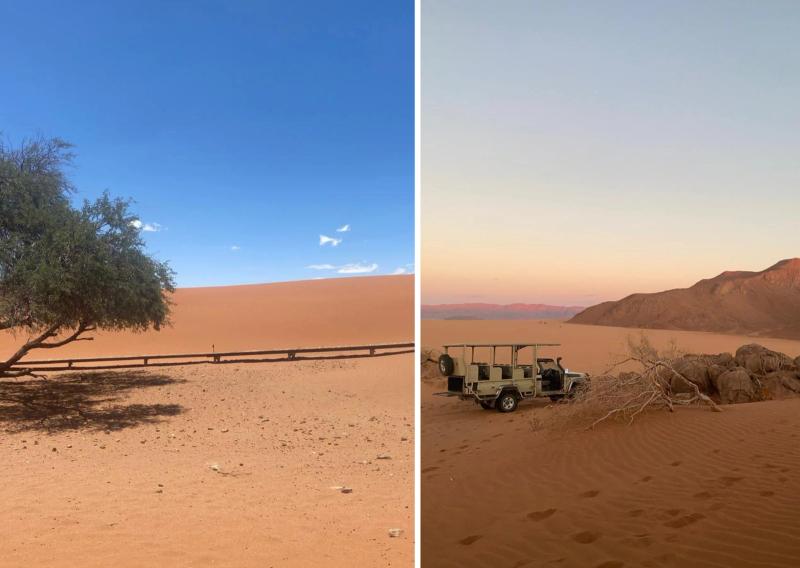
Heading south from Windhoek via Mariental, the Kalahari introduces you to a different kind of desert landscape. Here, red sand is dotted with camelthorn trees, grasses and hardy shrubs, creating a noticeably different environment from the enormous dunes of the Namib further west.
It's the first stop on Anja's recommended route and a lovely introduction to Namibia's changing scenery. From here, the journey continues towards Sossusvlei, where the grassy red sands give way to some of the country's most recognisable dunes.
Anja's Recommended Stay: 2 nights at Kalahari Red Dune Lodge
3. Sossusvlei: Get Among the Dunes
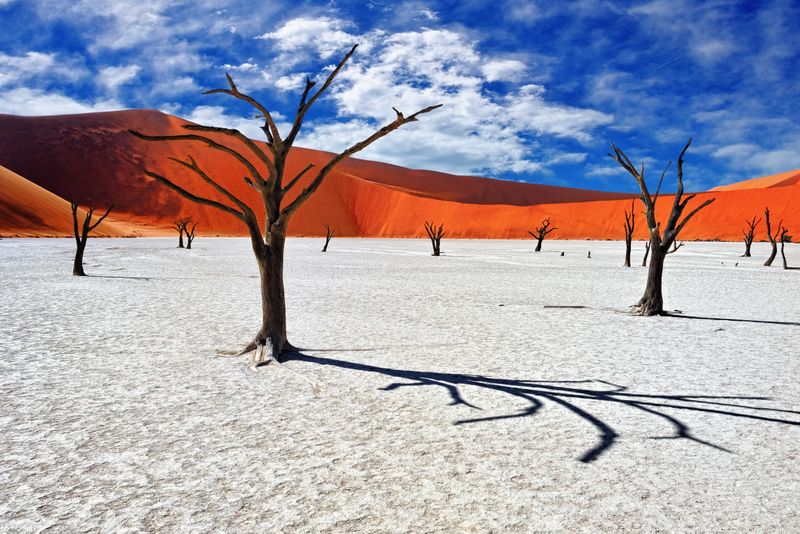
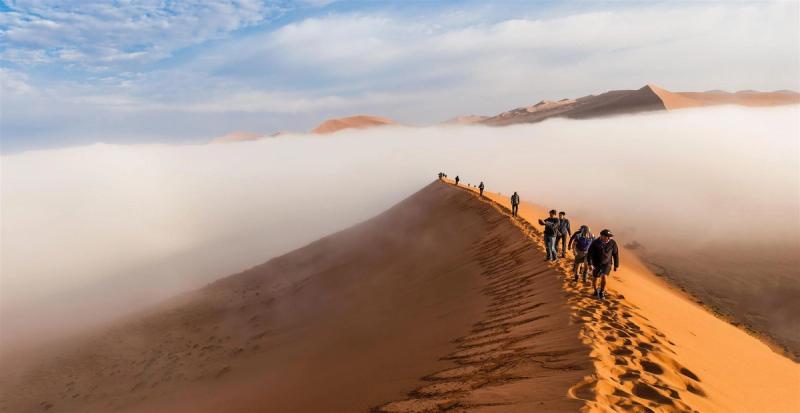
From the Kalahari, the route turns west towards Sossusvlei. Here, enormous dunes rise above the desert floor, while nearby Deadvlei's ancient camelthorn trees stand against a pale clay pan.
It's also the place Anja is especially excited to share with her daughter on their next trip.
"Sossusvlei and climbing up the dunes," she says when asked what she's most looking forward to showing her.
The climb is part of it. The soft sand shifts beneath your feet, and the view opens out as you gain height. It's worth setting aside time to walk rather than admiring the formations only from the roadside.
Where Anja stayed: Kwessi Dunes
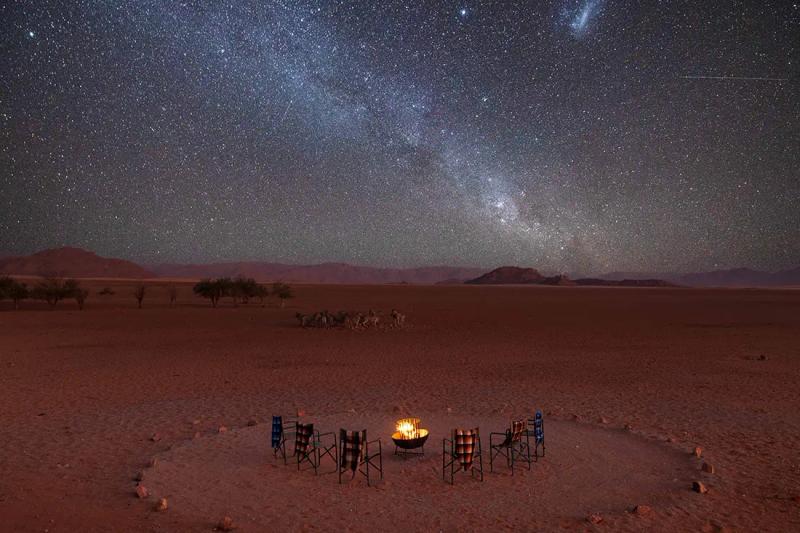
At Kwessi Dunes, in the NamibRand Nature Reserve, Anja found another reason to love Namibia's desert landscapes: the opportunity to sleep outside. The accommodation includes an outdoor sleeping area where the team can prepare a bed when conditions allow.
"I loved it so much, I chose to sleep outside every night."
A night beneath Namibia's dark skies was clearly an experience worth repeating.
Also Recommended by Anja: 2 nights at Namib Outpost or Desert Homestead Lodge
4. Swakopmund: Where the Desert Meets the Atlantic
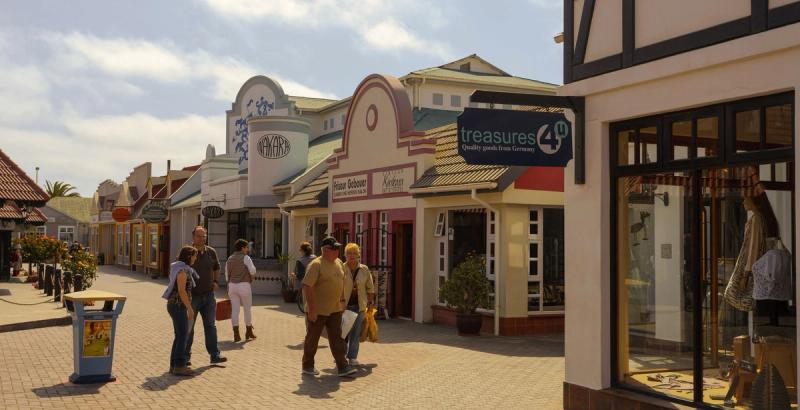
After days exploring Namibia's desert interior, Swakopmund brings a completely different side of the country into focus. Here, German colonial-era architecture, cafés and restaurants give the coastal town a character of its own, while the Atlantic Ocean opens up opportunities to explore beyond the dunes. From marine excursions in nearby Walvis Bay to adventures in the surrounding desert, there's plenty to justify spending a few days along this stretch of coastline.
Anja is particularly keen to experience a marine boat trip on her next visit. And she has one practical tip worth remembering: pack a warm jacket! The cool Atlantic air and afternoon winds can come as quite a surprise after the heat of the interior.
Anja's Recommended Stay: 2 nights at Strand Hotel Swakopmund
5. Damaraland: A Landscape Worth Exploring
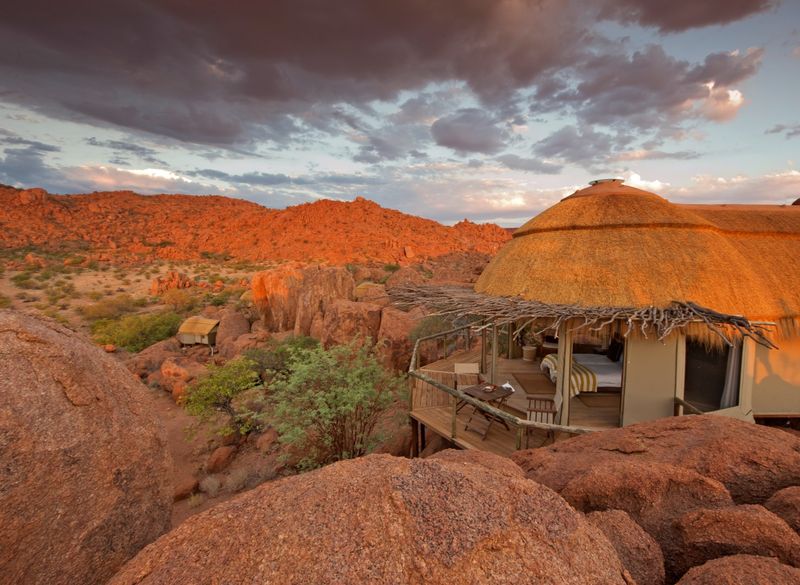
Damaraland brings another change in scenery, with enormous granite boulders, rugged mountains and dry riverbeds cutting through the arid landscape. It's also one of Namibia's rewarding regions for wildlife, particularly its desert-adapted elephants, which travel considerable distances in search of food and water.
Damaraland was among the highlights Anja singled out from her journey. She stayed at Mowani Mountain Camp, tucked among the region's distinctive rock formations, and recommends including Damaraland in a classic Namibia itinerary. It's a chance to experience another side of the country's remarkable geographical diversity.
Anja's Recommended Stay: 2 nights at Twyfelfontein Adventure Camp
6. Etosha National Park: Make Time for Both Sides
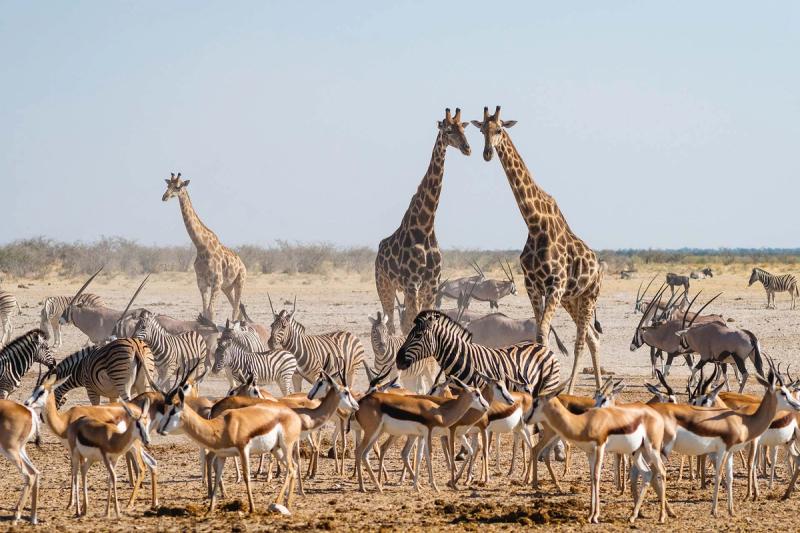
The route continues north to Etosha National Park – an essential wildlife stop on Anja's recommended route. Its enormous salt pan gives the park its distinctive character, while waterholes attract elephants, giraffes, antelope and predators, including lions.
Anja recommends dividing your stay between two camps in different areas of the park. This allows you to explore a wider range of habitats and waterholes without having to cover the same long distances each day.
Anja's Recommended Stay: 2 nights at Etosha Oberland Lodge and 2 nights at Mushara Bush Camp
And for those who enjoy self-driving, she has another useful observation.
In Etosha, private game-drive vehicles generally follow the same public road network available to self-drive visitors. A guided drive can still offer the benefit of a guide's expertise, but guests comfortable exploring independently can enjoy considerable freedom to choose their own routes and spend time at sightings.
On the journey back towards Windhoek, Anja also suggests considering an overnight stop at Waterberg or Okonjima to break up the drive.
Anja's Recommended Stay: 2 nights at Okonjima Plains Camp
A Little Further Afield: Hoanib Valley Camp
Beyond the classic Namibia route, the remote Hoanib region was another highlight of Anja's travels. Here, she encountered desert-adapted wildlife, including elephants, giraffes and lions, among the dry riverbeds and rugged landscapes.
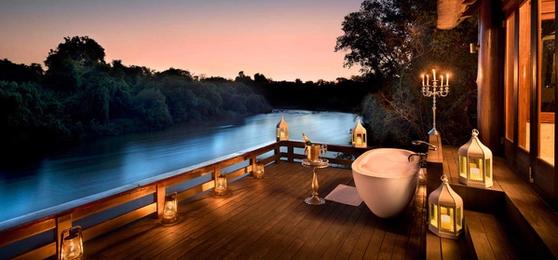
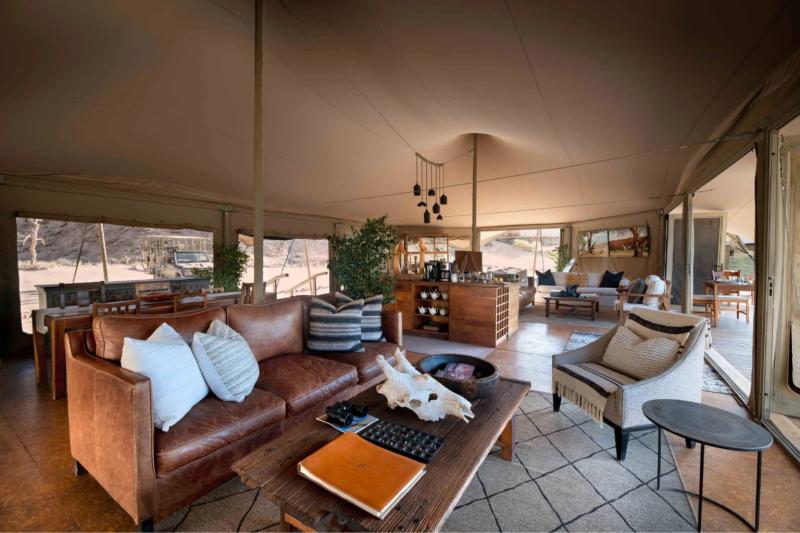
Hoanib Valley Camp also made a strong impression, particularly its accommodation and attentive staff.
"The tents were absolutely amazing and super comfortable"
She does point out that the region can be windy and dusty, particularly in the afternoons. But with its remarkable wildlife, sense of remoteness and warm hospitality, Hoanib offered plenty for Anja to enjoy.
Anja's Advice Before You Go
Namibia is made for a road trip, and a little preparation makes those longer stretches all the more enjoyable. Anja has picked up a few pointers worth keeping in mind:
- Allow time for the drive: Journeys between destinations can take five to seven hours. Anja sees those long stretches as part of the adventure. The scenery keeps changing, and there's always the chance of spotting a kudu or springbok beside the road. Build in time for stops rather than racing to the next camp.
- Keep the essentials close: Anja recommends carrying water and snacks in the car, along with basic emergency supplies. Shops can be far apart, so stock up before leaving town.
- Pack for the weather: A buff comes in handy when afternoon winds pick up around the Namib and Hoanib, especially if quad biking is on the agenda. Swakopmund is much cooler than the interior, so bring a warm jacket.
- Pick your moment: Anja generally recommends travelling between May and October, sometimes extending into mid-November depending on conditions. These drier months are better suited to self-drive journeys. For a more low-key stay at camp, she also suggests planning outside school holidays.
Why Anja Will Be Back
For Anja, Namibia's appeal hasn't worn off with repeat visits. There are still places she wants to explore, experiences she'd happily repeat, and parts of the country she can't wait to introduce to her family.
Sossusvlei is already high on the list for her next trip with her daughter. And given how much she enjoyed sleeping outdoors at Kwessi Dunes, we suspect she'll be keeping an eye out for another opportunity to spend the night beneath Namibia's stars.
After all, when you've found somewhere you love, you don't necessarily need a new reason to return.
Ready to Discover Namibia for Yourself?
Fancy a few days among the dunes, a coastal detour, or a road trip with nothing but open country ahead? Namibia gives you room to make the journey your own. Our Rhino Africa Travel Experts can help you choose your route, find the right camps, and strike a balance between exploring and slowing down. All that’s left is to decide where you’ll watch the sun go down.