You’ve got the map open. You’ve narrowed it down to two names, and now comes the hard part: Kenya or Tanzania? Both promise memorable wildlife encounters, but they take you there in different ways. Kenya brings variety, private conservancies, and easy access to diverse landscapes, while Tanzania pairs its Northern Circuit with the seemingly endless plains of the Serengeti. Whichever path you choose, you’re stepping into East Africa’s legendary wilderness. So, the question isn’t which destination is “better”. It’s about which style best suits the experience you have in mind. Here’s how to work it out.
Kenya vs Tanzania at a Glance
Before you choose a direction, here’s a sneaky shortcut.
What Is the Safari Experience Like in Kenya vs Tanzania?
In Kenya, the game drive isn't the only way into the wild. Start in the Maasai Mara, head north to a private conservancy in Laikipia, then continue to Samburu, where you'll find wildlife you won't see just anywhere. Depending on where you stay, you can trade the game vehicle for a guided walk, a horseback safari, or even a bike ride. There's more than one way to explore the savannah here.
Tanzania thinks big. The classic Northern Circuit links Tarangire, Ngorongoro, and the Serengeti, taking you from baobab-dotted woodlands to a wildlife-rich volcanic crater and the Serengeti's great grassland expanses. Tanzania rewards a slower pace, with long stretches of open country between its headline destinations.
The Great Wildebeest Migration also shapes safari planning, particularly if you're hoping to see a specific stage of the herds' journey.

Which Country Has Better Wildlife Viewing?
Both countries offer strong wildlife viewing. The more useful question is what you'd most like to see, and where to look for it.
For big cats: The Maasai Mara is a strong contender, particularly for lions. Prey-rich grasslands support a healthy lion population, while the open terrain makes spotting cheetahs easier. If big cats are high on your list, Kenya deserves a serious look.
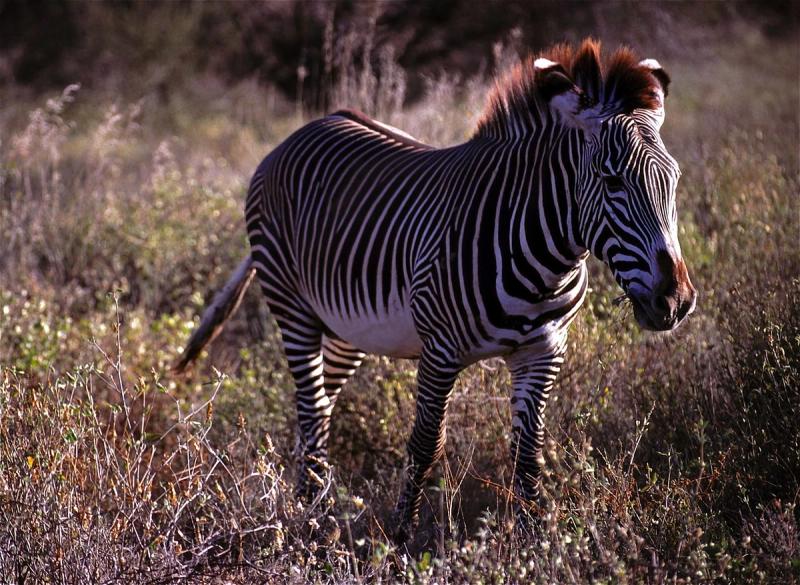
For northern specialities: Kenya has a distinctive advantage here. In Samburu and parts of Laikipia, keep an eye out for reticulated giraffes, Grevy's zebras, and gerenuks. They're a reminder that there's more to discover beyond the usual safari favourites.
For sheer scale: Tanzania's Serengeti is hard to beat. Its vast grasslands support enormous herds of plains game, which in turn sustain thriving predator populations.
For concentrated Big 5 viewing: Ngorongoro is one of Tanzania’s standouts. The crater floor creates a rich, self-contained haven where encounters unfold in close proximity, allowing you to see a huge variety of wildlife in a single day.
Of course, the wildlife hasn't seen your itinerary, and sightings are never guaranteed, but choosing your region and season carefully gives you a better chance of seeing what you've come for.
Where Can You Experience the Great Wildebeest Migration?
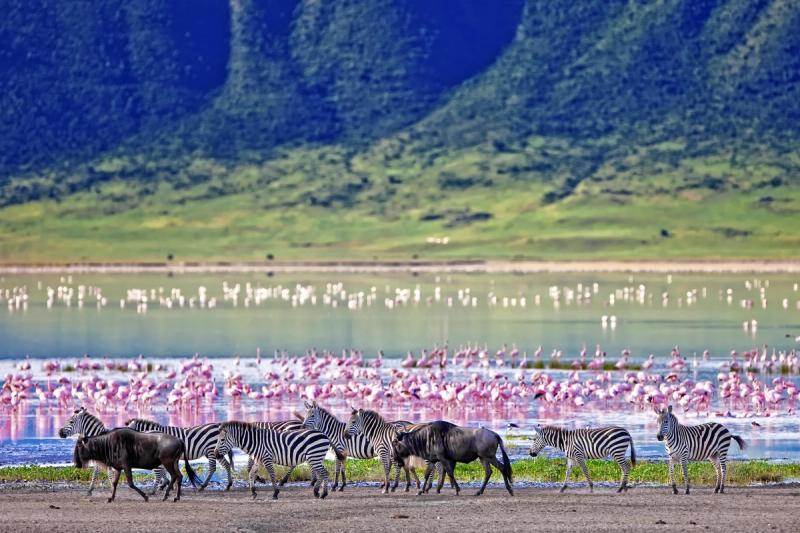
The Great Wildebeest Migration moves through the Serengeti–Mara ecosystem throughout the year. The herds follow rainfall and fresh grazing, not a diary invite, so timing matters.
Choose Tanzania for calving season. Around January to March, the southern Serengeti and Ndutu area become important calving grounds. Hundreds of thousands of wildebeest calves are born, drawing predators and creating compelling wildlife encounters.
Choose Kenya for the Mara River crossings. Typically between July and October, many herds reach the Maasai Mara. River crossings can be dramatic, but they're unpredictable. The herds might gather at the water's edge for hours before moving on, and no camp can guarantee a crossing.
If the Migration is the main reason you're travelling, choose your dates and camp location carefully. If you're flexible, both countries offer excellent opportunities to experience different stages of this extraordinary natural cycle.

Which Country Has the More Spectacular Landscapes?
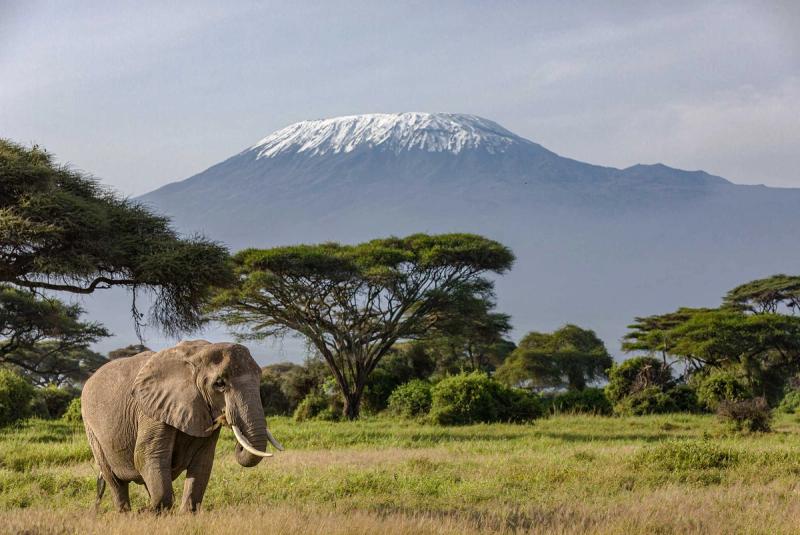
In Kenya, you could wake up surrounded by the rolling grasslands of the Maasai Mara and, a few days later, find yourself in the rocky, sun-baked scrub of Samburu or Laikipia. Head south to Amboseli, and the scene shifts again: here, it’s all about elephants moving across the plains with Mount Kilimanjaro rising right behind them.
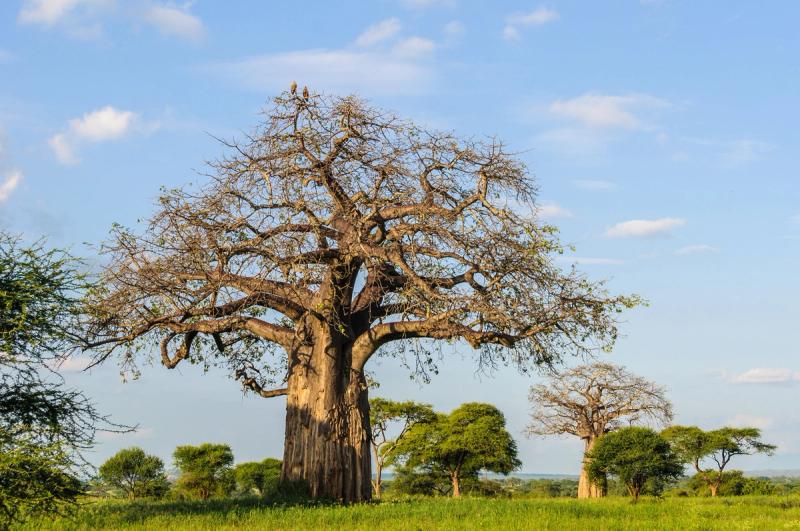
Tanzania offers a grander, more sustained sweep. The endless Serengeti plains are the obvious draw, but the scenery shifts dramatically when you reach the steep walls of the Ngorongoro Crater. Further south, Tarangire adds another texture to the Northern Circuit, swapping wide-open horizons for dry woodland, winding rivers, and towering baobab trees.
Which Is Easier to Travel Around?
Kenya has an advantage if you're working with a shorter itinerary. With Nairobi as your launchpad, you can take quick, direct flights from Wilson Airport to the Maasai Mara, Samburu, and Laikipia. That means you spend less time in transit and far more time out on game drives.
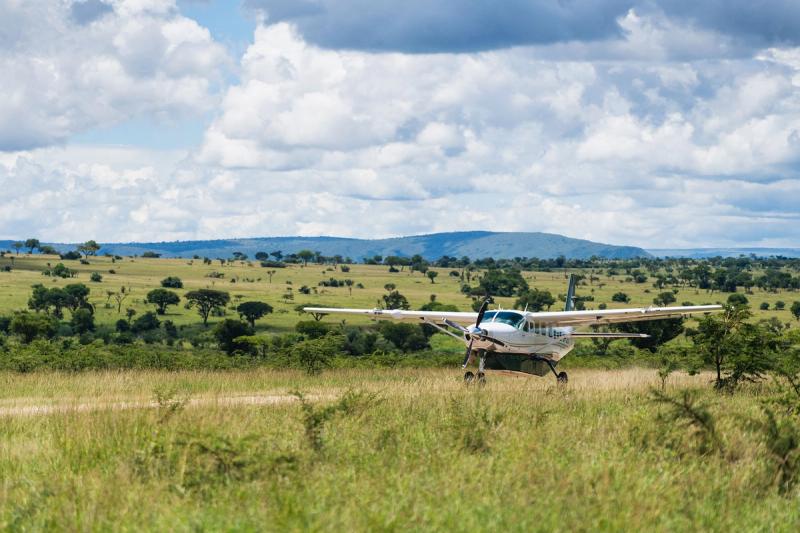
Tanzania's Arusha plays a similar role, but the Northern Circuit covers a lot of ground. Tarangire, Ngorongoro, and the Serengeti make a superb combination, though overland transfers can be lengthy. Heading deeper into the Serengeti? A light aircraft can save you hours of driving, leaving more time for the business of being on safari.
Our advice? Resist the temptation to squeeze in every destination. A few extra nights in one place will usually beat a whistle-stop tour of five camps.
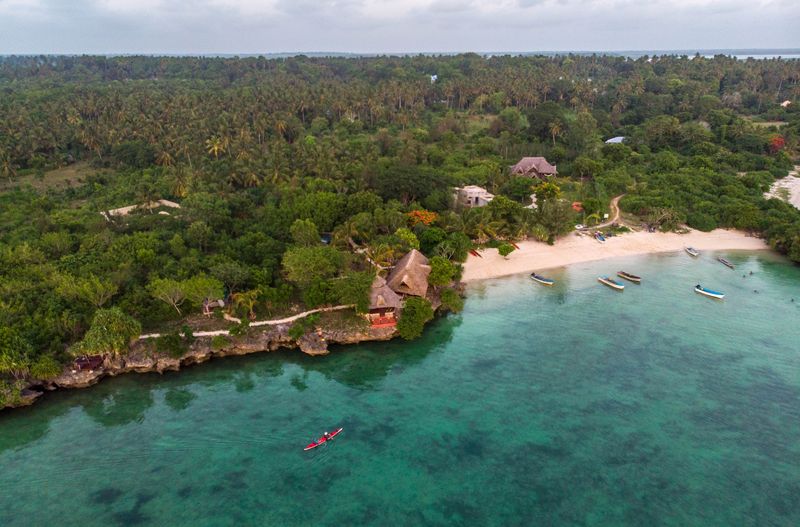
And when you’ve had your fill of safari, there’s the coast. Kenya has Diani Beach and historic Lamu, while Zanzibar makes a natural addition to a Tanzanian safari.
Which Safari Is More Expensive: Kenya or Tanzania?
The Kenya-versus-Tanzania price debate doesn't have a neat winner. Your budget depends on where you stay, when you travel, and how far your itinerary stretches. Those little flights between remote camps? Very convenient. Not always very little in cost.
In Kenya, private conservancies around the Maasai Mara and in Laikipia can push the price up, but you get a lot for it: fewer vehicles at sightings, off-road driving, night drives, and conservancy fees that help fund conservation and, in many cases, support local landowners and communities. Add bush flights between Nairobi, the Mara, and northern Kenya, and the costs start to climb (but so does the quality of your coffee).
In Tanzania, the classic Northern Circuit can look straightforward on a map, but the distances add up. Park and conservation fees, lodge choice, road transfers, and flights into more remote parts of the Serengeti all contribute to the final cost. Venturing into the Serengeti’s remote northern or western corners often calls for flying – a brilliant time-saver, but one that raises the overall price tag.
Season plays a role in both countries, particularly around the Great Wildebeest Migration, when demand pushes accommodation rates up.
When Is the Best Time to Visit Kenya or Tanzania?
There’s no bad time for a safari in Kenya or Tanzania, but if there’s a particular wildlife moment on your list, the season you choose needs some consideration.
Still not sure when to go? Get to know the seasons with our guides to Tanzania and Kenya before you pick your dates.
Can You Combine Kenya and Tanzania in One Safari?
Yes, provided you give yourself enough time to enjoy each country rather than racing between airstrips.
How Much Time Do You Need?
Give yourself around two weeks, ideally with six or seven nights in each country. That leaves enough room to enjoy each area without turning the itinerary into a sequence of airports and check-ins.
A 10-day trip leaves room for a dual-country safari, provided you keep the itinerary focused and avoid over-packing your schedule with too many camps. With a week or less, choosing a single destination allows for a more immersive journey.
How Does It Work?
The simplest approach is usually to fly between safari areas rather than rely on road crossings. A tailor-made itinerary can bring both countries together, with connecting flights and coordinated border transfers taking care of the journey between them.
Logistically, there are several key details to handle: border requirements, flight schedules, park fees, and seasonal access. Those moving parts are easier to manage when the trip is planned as a whole, rather than stitched together through separate bookings.
Why Combine Them?
Because Kenya and Tanzania each bring something different to the table. You could pair the Maasai Mara's private conservancies and varied safari activities with the Serengeti, or combine Tanzania's Ngorongoro Crater with Kenya's northern landscapes. The right combination depends on what you'd most like to see and how much time you have.
The Road Is Yours to Choose
So, which direction will you choose?
Whether you’re standing at the fork with the map wide open or you know precisely where you want to go, we’re here to help you take the next step. Reach out to our Travel Experts, and let’s design your tailor-made East African journey today.