
Rwanda’s recovery was never a consequence. It was a design. After devastation, the country did not merely rebuild; it chose, with unusual clarity, what it wanted to become, placing tourism at the centre of that vision. Yet the real story lives deeper still. It lives in the people, in the pride with which they carry their country and care for its landscapes. Step onto Rwandan soil, and you'll see that recovery here is both lived and shared. When our team returned from Rwanda, the first stories they told were not about the gorillas. They were about the people.
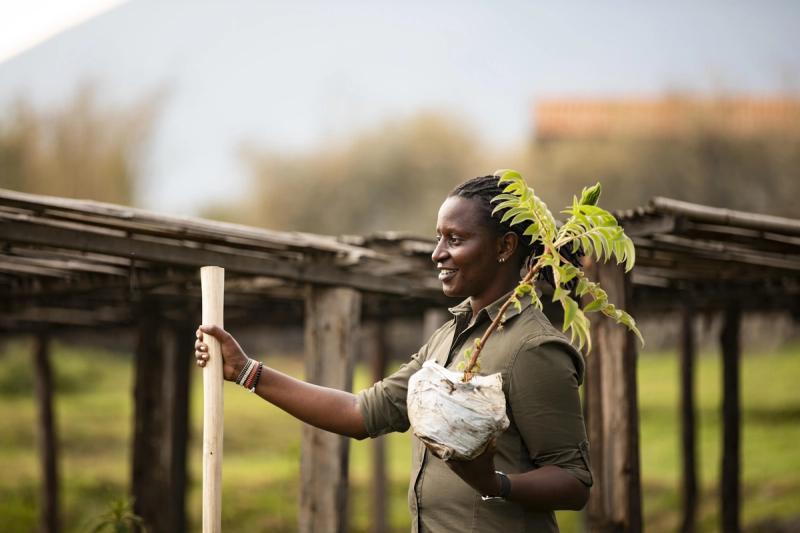
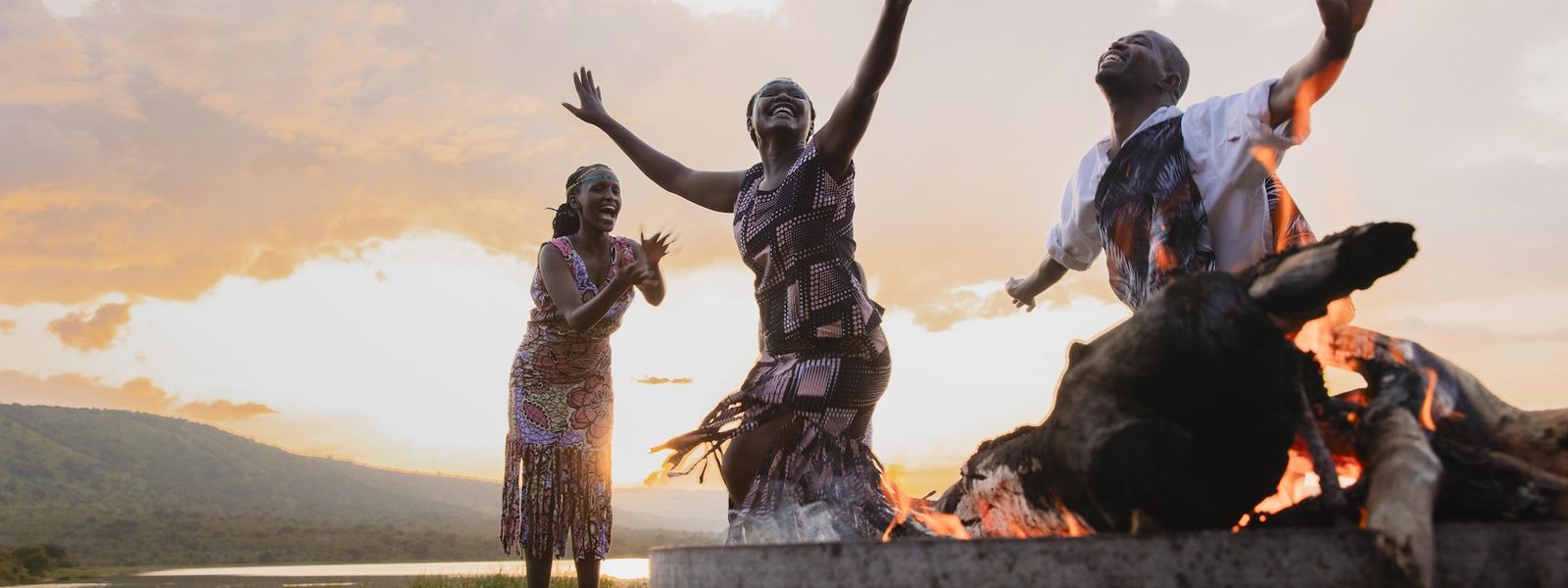
Rwanda today is a celebration of life, its landscapes, and its people, Image Credit: Singita
The Thread They Brought Back
The Rhino Africa educational trip through Rwanda brought together our Travel Experts Carl Preller, Daisy du Plessis, and Janine Visser. They arrived knowing the country’s history and hearing all the right things about its beauty, wildlife, and progress. What they did not expect was that the people would become the abiding thread of the journey.
Again and again, that was what stayed with them: the warmth, the pride, the sense of responsibility, and the way Rwanda seems to be carried so consciously by those who call it home.
Janine spoke about that pride as something palpable. Daisy felt it in the way people care for the country and work towards a better future. Carl echoed this, in simpler terms: that the people were just incredible.
To understand why that pride feels so powerful in the present, though, you first have to understand what Rwanda survived.
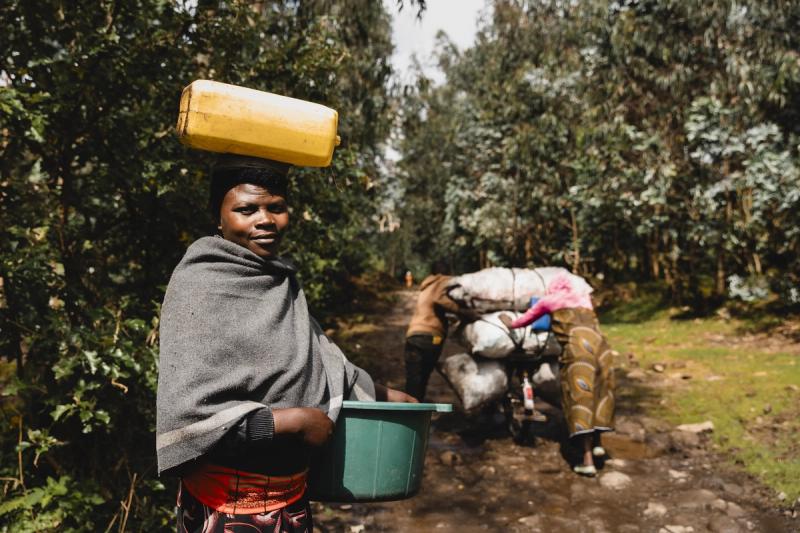
Conservation is as much about people and communities as it's about wildlife and natural spaces, Image Credit: Sabyinyo Village
Recovery, Lived Through People
Recovery in Rwanda is not something you're told about. It's something you feel in the people who carry the country forward. In 1994, the country was torn apart by the Genocide against the Tutsi, leaving more than a million people dead and countless others displaced, orphaned, or permanently marked by what they had witnessed. Daily life collapsed under the weight of it. The wild places suffered too, stripped of resources and left as fractured remnants of what they had been.
For Carl, that truth came sharply into focus at the Kigali Genocide Memorial, where the scale of what Rwanda had endured became impossible to keep at a distance. He could not make it through the full exhibition. It's a heartbreaking place, but also the right place to begin. Only then do you understand how far the country has come, and how much its people hold with such quiet pride.
“Knowing that the genocide was only 30 years ago adds a profound layer to every interaction… It reveals an incredible level of resilience.” – Janine.
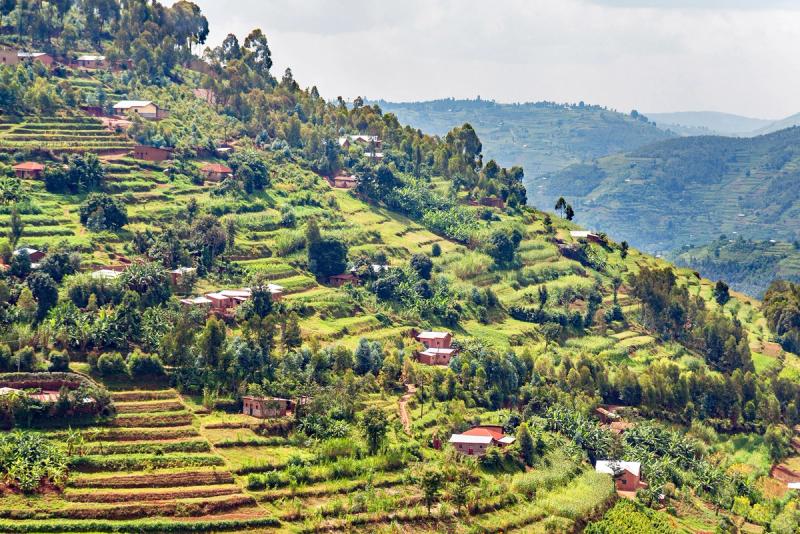
Rwanda is known as the Land of a Thousand Hills for a reason
Rwanda's recovery was never going to live in policy alone. It had to live in people – in how they rebuilt, how they carried one another forward, and how they chose to present their country to the world. Tourism became part of that answer early on, not simply as a source of income, but as a way to make protection economically useful, socially visible, and nationally meaningful. You feel that intention almost the moment you land.
For a country so often imagined through its history or headline wildlife, Rwanda’s functionality can feel quietly remarkable. The roads are excellent. Transfers are smooth, even when they're long. There's a sense of order that feels deeply considered.
"This really is the Land of a Thousand Hills, and yet the country still feels easily navigable." – Carl.
And nowhere is the spirit of that care more visible than in Kigali.
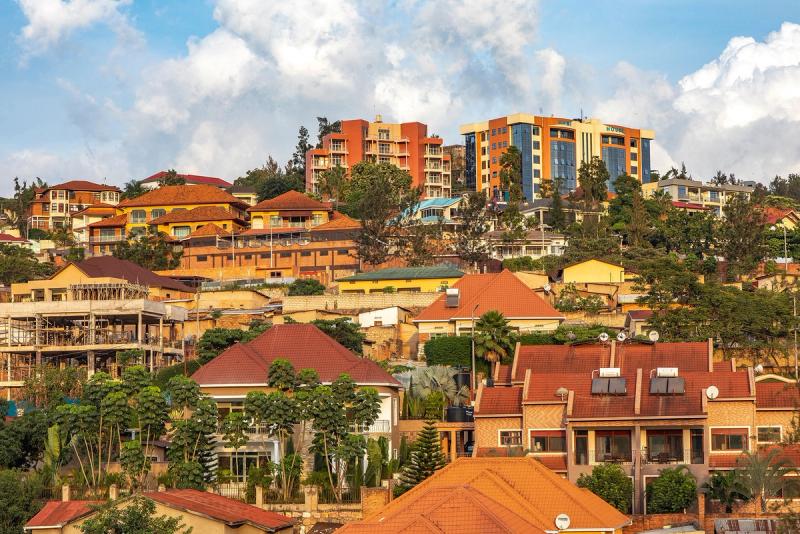
Kigali is the vibrant, colourful, beating heartbeat of Rwanda
Kigali in the Present Tense
Kigali is often the first place guests touch down, and it quickly becomes clear that Rwanda’s capital is not separate from the country’s wider restoration story. It's the urban expression of the same philosophy: that responsibility should be visible in the way a place is lived in and cared for.
Green, folded, and luminous after rain, the city rises in layers. Painted buildings pepper the slopes, roads curl along the ridgelines, and trees flare into colour between houses, walls, and verges. Then there's what is absent. Plastic. Litter. Neglect.
“It’s probably the cleanest country I’ve ever been to, not just in Africa but in the world.” – Carl.
Rwanda’s ban on plastic bags and its monthly Umuganda, a nationwide community work day in which citizens come together to clean and repair public spaces, make Kigali’s green identity feel less like branding than a public ethic. This is a city held by its people.
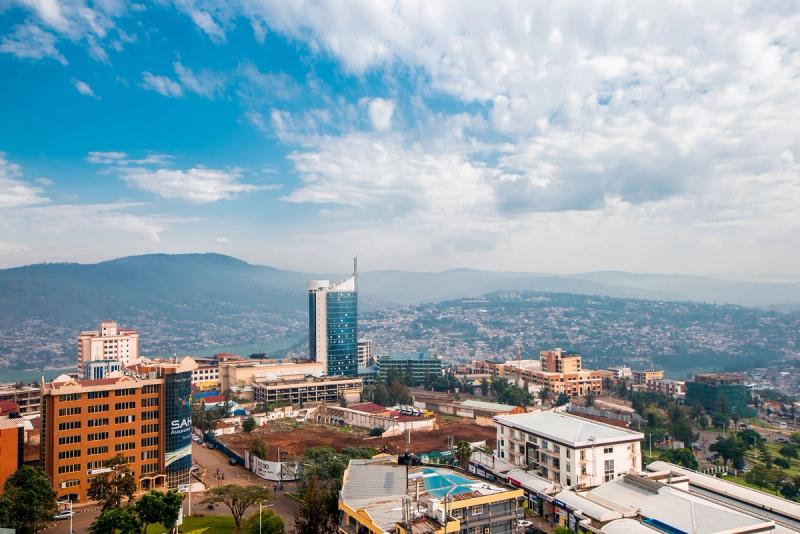
The clean, flourishing cityscape of Kigali
That care extends to the way guests are received. The welcome arrives without performance. There's style here, certainly, and confidence too – in dress, in colour, in self-presentation. But there's also something gentler beneath it.
"There’s a real pride in being Rwandan and in looking after the country. You see it in the clean streets, the public spaces, and the way everyone takes responsibility." – Daisy.
Kigali hums with life – scooters threading through the streets, colour flashing in outfits and storefronts, coffee and charcoal drifting through the air, and those bright, dazzling smiles that make the whole city feel instantly warm. It prepares you for the rest of Rwanda: a country whose care for its streets is matched by the care it has poured into restoring its wild places.
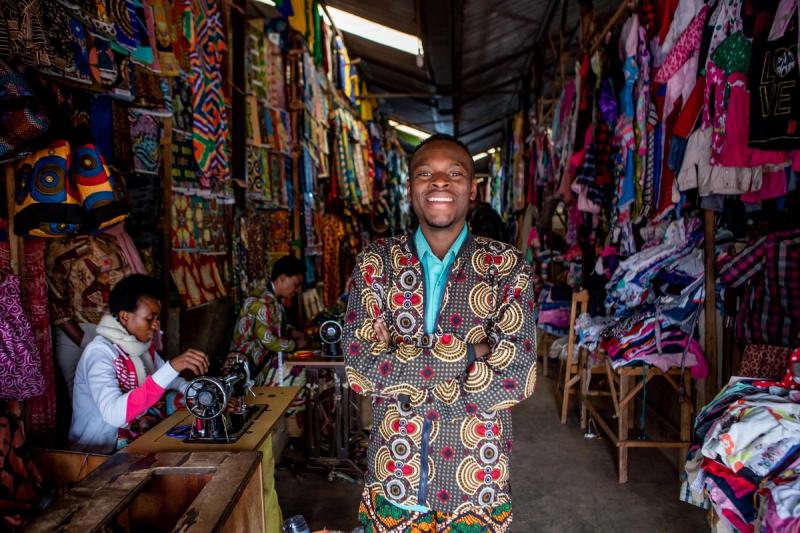
Vibrant, dazzling colour is seen, felt, and heard in every corner of Kigali, Image Credit: Singita
The Wild Spaces They Hold
Rwanda’s wild spaces do not feel separate from its people. They feel loved, guarded, and deeply known.
In the north-west, Volcanoes National Park protects the country’s mountain gorillas in a forest where every encounter is shaped by care: limited permits, small groups, strict rules, and a structure designed to keep the wildlife safe. That same ethic runs through Kwita Izina, Rwanda’s annual gorilla naming ceremony, where newborn gorillas are named in a public expression of protection and national pride.
Carl described the experience of standing beside the gorillas as grounding and almost impossible to prepare for. But for Janine, one of the most unforgettable parts of the trek was her porter.
"If I had to pick one interaction that stayed with me, it would undoubtedly be my porter. He was my steady hand through the mud and steep slopes. His big smile and kind nature turned a physically demanding hike into a joyful, shared experience." – Janine.
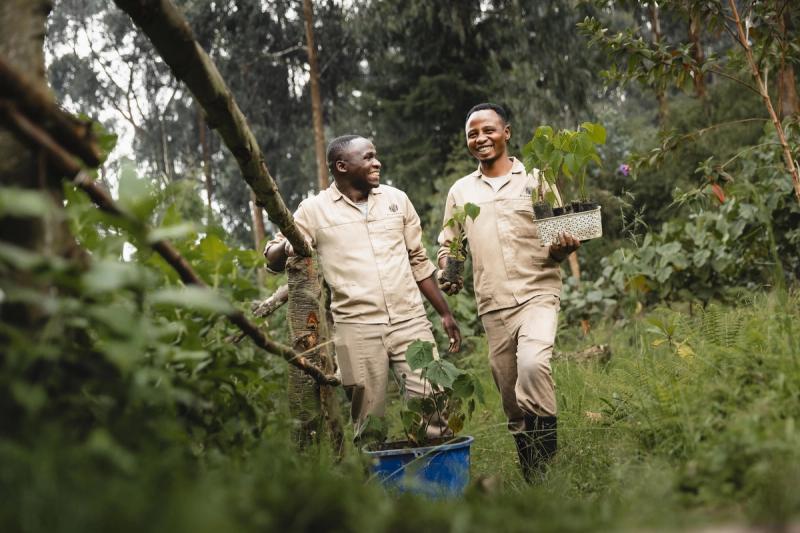
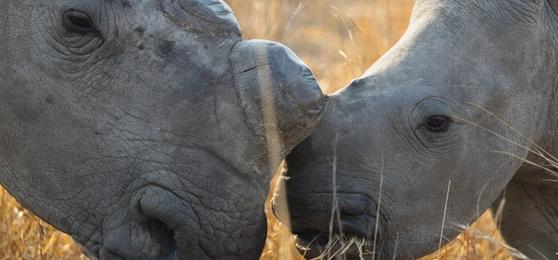
Restoration of natural spaces is at the forefront of Rwanda's success, Image Credit: Wilderness
In the east, Akagera National Park tells a different story, but one no less moving. Once devastated by conflict, poaching, and wildlife collapse, the park has been slowly rebuilt into the thriving Big 5 landscape it is today. Yet even here, what our team kept speaking about was their guide, Bosco.
"He answered any questions we had and spoke about Rwanda’s journey as well as his own, and his love for his country and being in nature. Hearing him explain where the country has come from and where it is today was deeply inspiring." – Janine.
In both national parks, our team felt the same thing: that Rwanda’s wildlife and ecosystems are not simply protected by policy, but by people whose care for their country is impossible to miss.
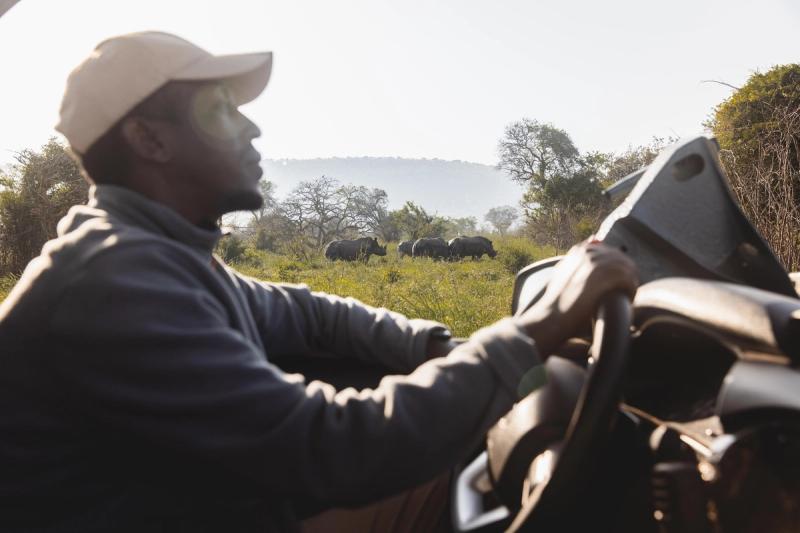
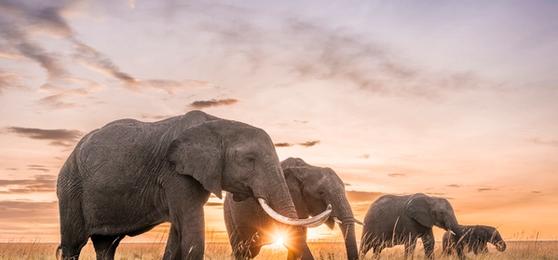
For wildlife to survive and landscapes to thrive, so too must the people who share the space, Image Credit: Magashi
People Behind the Plate
Rwanda’s pride doesn't stop at its parks. It reaches the table too – in the flavours, the hospitality, and the sense that food here carries both place and purpose.
In the lodges and restaurants, even familiar dishes arrived with a distinctly Rwandan inflection: more spice, more plantain, more local character, and always served with warmth. That same spirit revealed itself in quieter moments, especially in the tea fields, where our team joined local women in their daily rhythm before sitting down together for a cup of tea.
"During the tea picking, none of us spoke each other's language, but we all came together, laughed, and lent a hand. It's an experience that will stay forever in my mind." – Daisy .
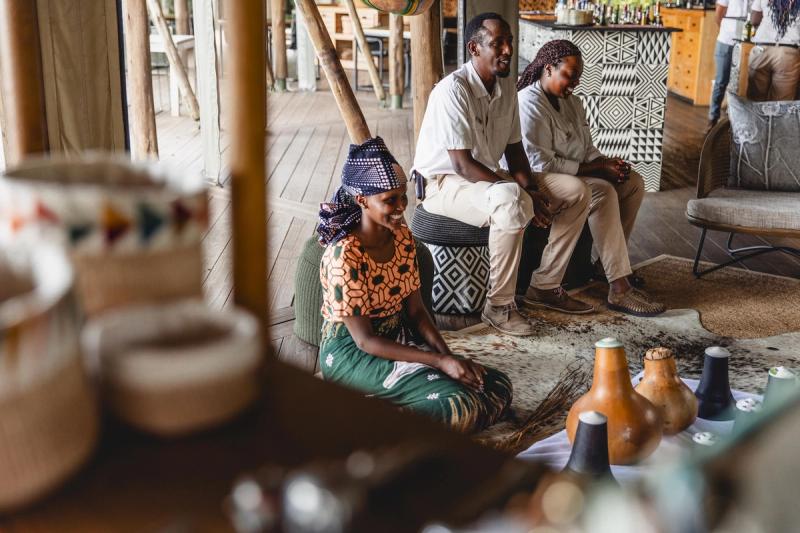
The tourism industry empowers community members, Image Credit: Wilderness Magashi
Rwanda as a Blueprint
Rwanda stands as a powerful blueprint for what tourism can become when it is harnessed with purpose – to protect landscapes, uplift communities, and help carry a country forward through the people who shape it. That's what makes the model so persuasive: it's not only visible in the parks or the policy, but in the pride and resilience woven through everyday life.
"To meet people (some of whom lived through that dark time) who remain so positive is life-changing. It reveals an incredible level of resilience. It taught me that with community, love, and most of all forgiveness, even the deepest wounds can heal into something beautiful." – Janine.
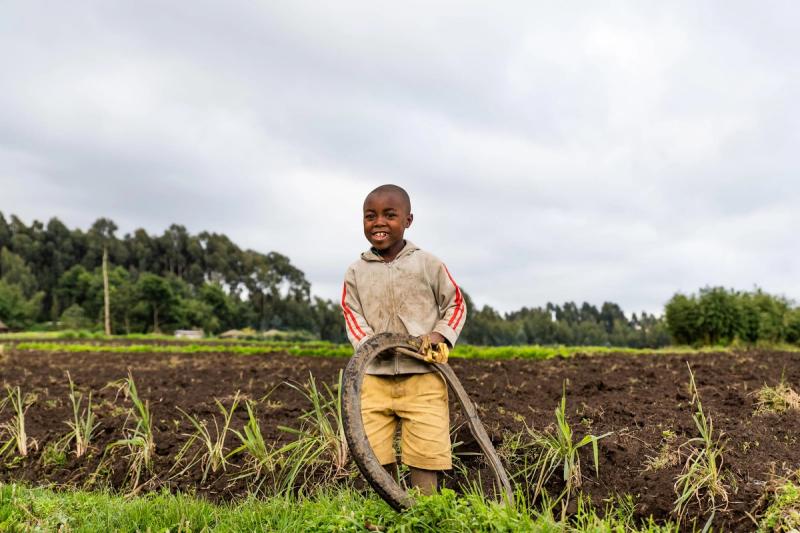
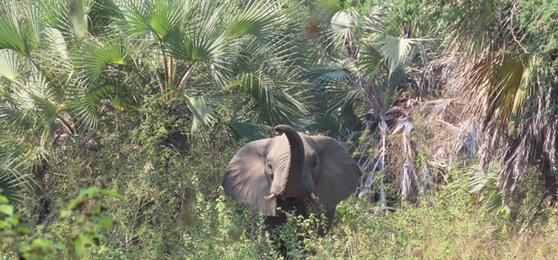
When conservation and community nourish one another, everyone benefits, Image Credit: Wilderness
Where the Story Becomes Yours
Rwanda’s story does not end when you leave; it's something you carry home with you. To experience it for yourself, explore our Rwanda itineraries or speak to one of our Travel Experts about shaping a journey through one of the world’s most remarkable countries.