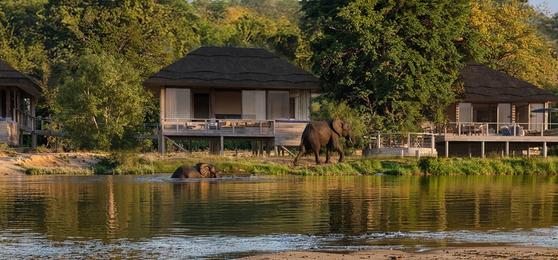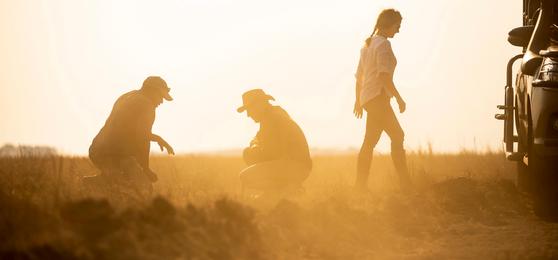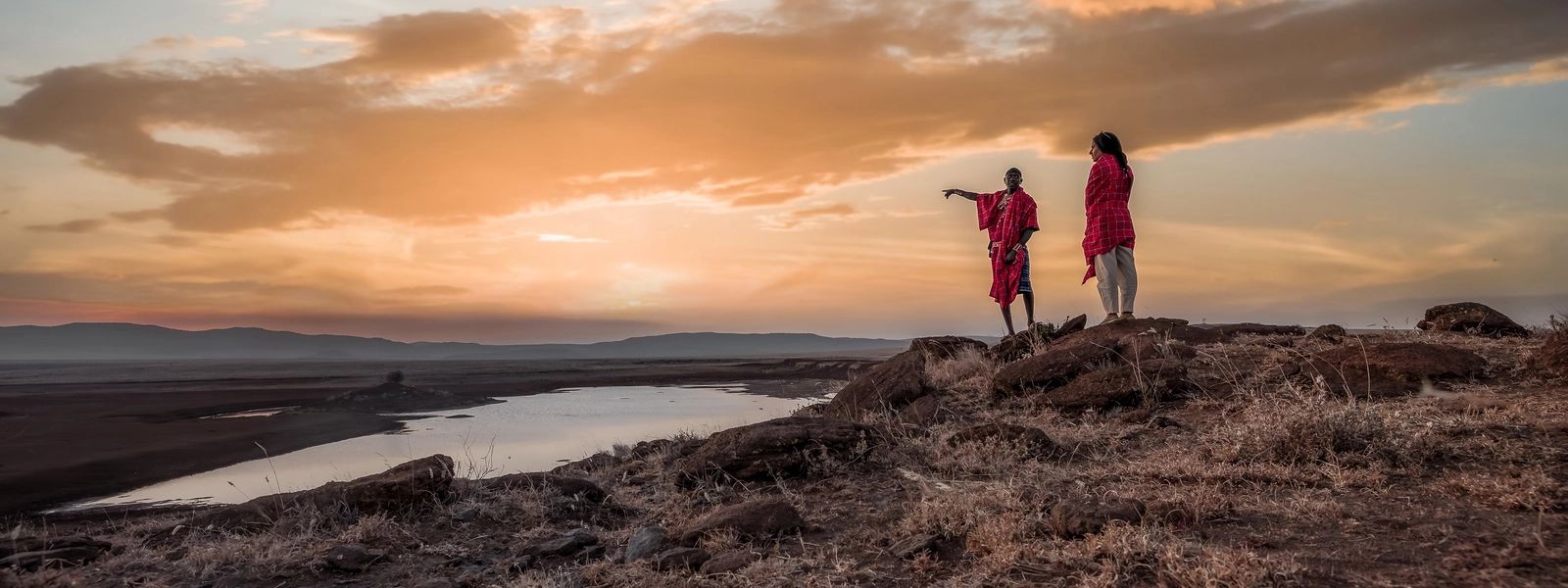

Africa has never been a “one-size-fits-all” destination. It’s too vast, too wild, and way too interesting for that. As we map out 2027, we’re seeing a collective craving for travel with more substance. The modern explorer wants to get involved in local conservation, see how different one corner of Africa is from the next, and leave with a genuine connection to the continent and its people. So, what’s shaping the next era of adventure? Here are the top African travel trends we’re watching for 2027.
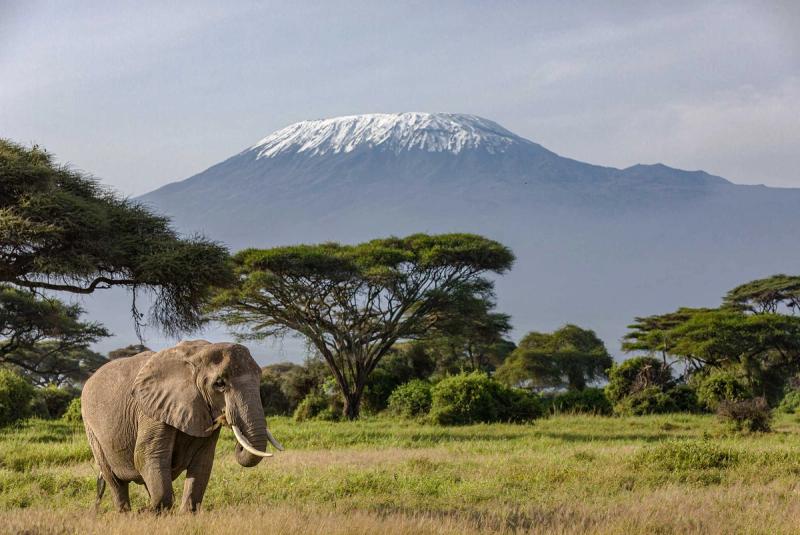
1. Luxury with Purpose
The Trend
Let’s be honest: private plunge pools and sprawling viewing decks will always have their place. But luxury in 2027 is taking on a more interesting definition. Today’s travellers are moving away from purely transactional holidays. They want to know what happens beyond the beautiful suite – and they want to understand the true impact of their stay.
By all means, admire the view. More and more guests just want to know that while they do, their stay is funding wildlife conservation, empowering local communities, and protecting a fragile wilderness.
“Luxury has completely evolved. It’s no longer just about checking into a five-star lodge – people are now prioritising raw, authentic experiences over the traditional hotel stay.” – Carl Preller, Rhino Africa Travel Expert
Why It Matters for Africa
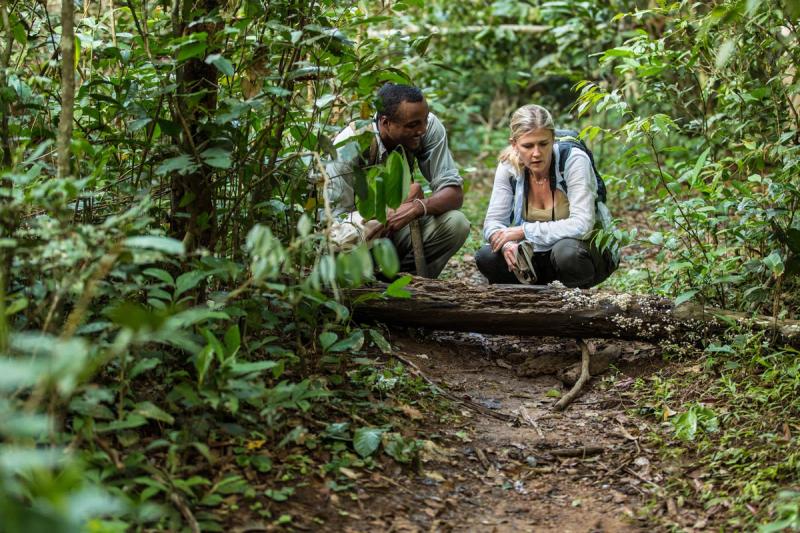
Africa is home to some remarkable examples of tourism making a genuine difference. But that impact doesn't happen by default. It comes down to the people and organisations behind the experience, and the choices they make to protect the places and communities that make it all possible.
Some of the most forward-thinking safari operators are proving that luxury and meaningful conservation can go hand in hand. From protecting wildlife habitats to supporting local livelihoods, choosing the right partners can make a genuine difference.
Where to Experience It
Across the continent, pioneering properties are proving that high-end travel and deep impact go hand in hand.
In South Africa’s Greater Kruger, camps like Tanda Tula set a high bar for community upliftment, ensuring that surrounding villages benefit directly from your stay through education, enterprise, and employment.
Meanwhile, tourism in Mozambique’s Gorongosa National Park is helping fund the restoration behind one of Africa’s most ambitious comeback stories. It’s proof that a well-planned holiday can play a part in rebuilding a national park that lost most of its large mammals during the civil war.
What Travellers Should Know
Choose well, and even your sundowner is pulling its weight. That’s where we come in. At Rhino Africa, impact is at the core of everything we do; we partner with lodges and operators who share this commitment and can advise you on exactly where your travel footprint will do the most good.

2. The Rise of Multi-Country Journeys
The Trend
Why settle for a single African experience when you can weave several together? In 2027, more travellers will cross a border or two to see several places in one trip. Explorers are looking for itineraries built on contrast: bush then beach, city then gorilla forest.
Why It Matters for Africa
Africa’s regions naturally complement each other. The continent is practically built for the multi-country mashup, pairing city culture with wilderness.
You can move from open savannahs to high-altitude rainforests, or trade a culinary capital for an island retreat. The appeal lies in these geographical and cultural contrasts – allowing you to experience the diversity of Africa in a single, well-paced trip.

Where to Experience It
There are countless ways to combine countries on an African safari. Here are some of the most popular:
Cape Town, the Kruger, and Mozambique: A classic Southern Africa combination bringing together city life, Big 5 encounters, and crystal-clear Indian Ocean shores.
Botswana and Seychelles: Combine the water-rich lands of the Okavango with the white-sand beaches of Seychelles for the best bush and beach finish.
Rwanda, Kenya, and Tanzania: Bring together intimate mountain gorilla trekking with the sprawling wildlife of the Maasai Mara and Serengeti ecosystems.
What Travellers Should Know
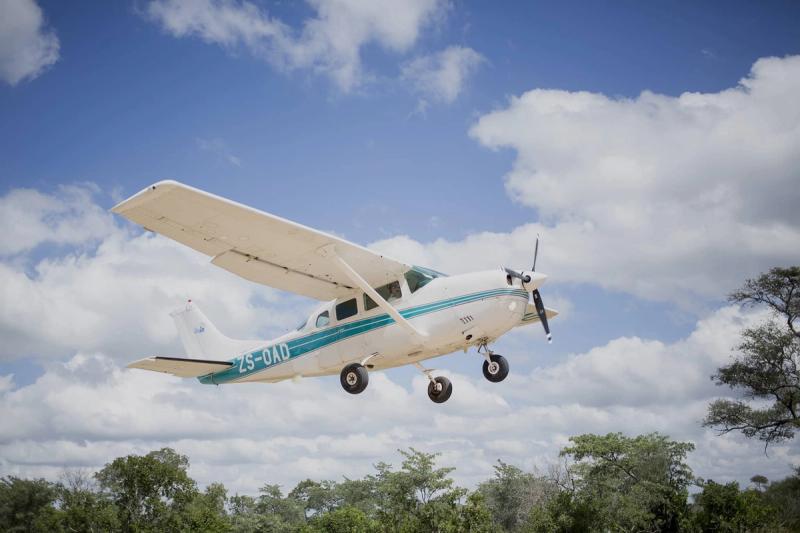
The secret to a multi-country itinerary that doesn’t unravel is pacing. Flights, border protocols, and light aircraft transfers quickly eat up holiday time, so allow enough days to actually unpack and breathe in each destination.
3. A Different Season, a Different Safari
The Trend
Peak season is popular for good reason, but it isn’t the only show in town. Looking beyond the busiest travel months reveals a completely different side of the continent, and comes with many other benefits.
So, instead of defaulting to the most in-demand dates, travellers are starting to ask themselves what they actually want to experience, and letting that decide when they go.
Why It Matters for Africa
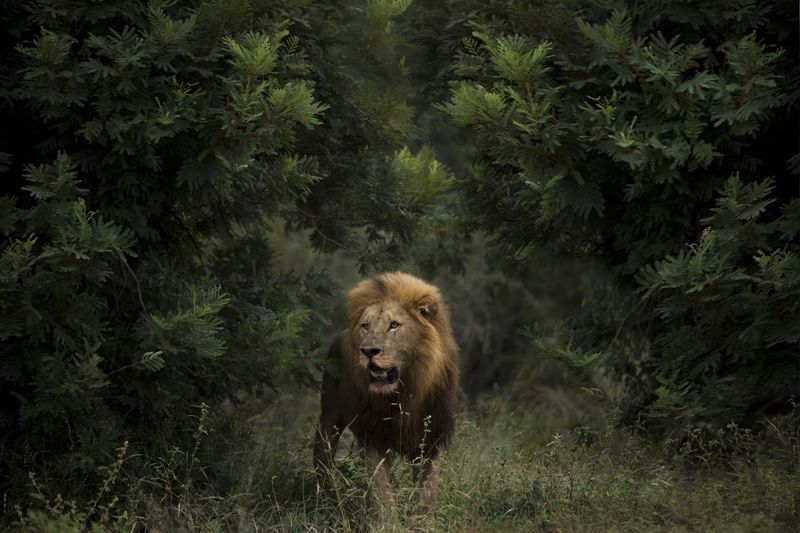
In Africa, the rains set the calendar. While the dry winter months have thirsty animals queuing at shrinking waterholes, making for blockbuster game viewing, the green season transforms the bush into lush scenery.
The air is washed clean by spectacular thunderstorms, the summer migrants fly in and start showing off, and the plains fill with newborn animals.
Where to Experience It
Follow the Great Wildebeest Migration in Tanzania: Forget the crowded river crossings for a moment. Consider following the herds during the calving season in the southern plains, or tracking them as they move centrally.
Experience the Okavango Delta’s Green Season: From November to April, summer rains turn Botswana’s Okavango Delta green and the impala start dropping lambs. The water itself works on a different clock: the flood rolls down from Angola and peaks in the dry winter months.
Discover South Africa in Spring: Visit South Africa’s West Coast in spring to find an arid landscape that has erupted into a kaleidoscopic carpet of wildflowers.
What Travellers Should Know
Seasonality varies across the continent. Travelling outside peak season often comes with the bonus of better availability and fewer safari vehicles competing for a sighting, but it requires careful planning. Some remote camps close entirely during heavy rains. Let your most longed-for experiences guide the timing of your African adventure.
4. The Pursuit of Space
The Trend
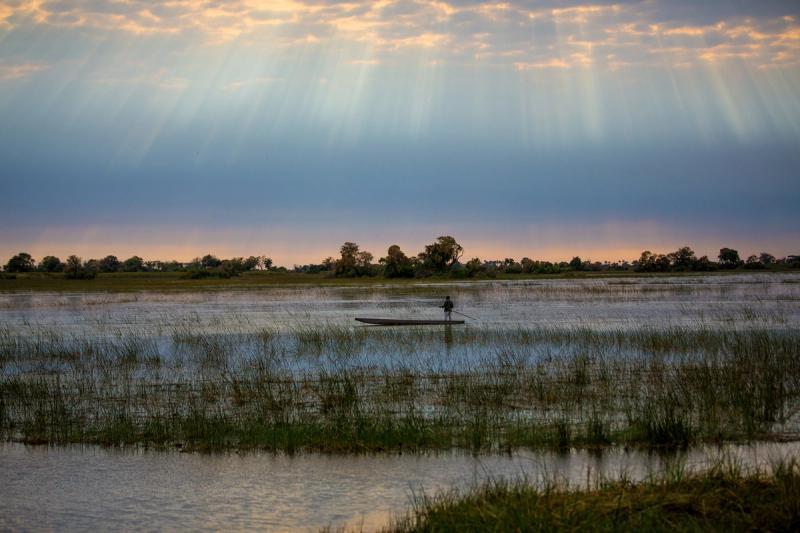
In our hyper-connected, always-on world, being unreachable is the new luxury. We’re seeing a massive shift towards travellers actively seeking out pockets of solace to disconnect from their devices and step entirely out of the daily grind. It’s about giving your nervous system a much-needed reset.
Today, space is what people are after: wide-open plains, the kind of silence where you can hear an elephant feeding, and the rare chance to be completely present.
Why It Matters for Africa
Nowhere does space quite like Africa. The sheer scale of the continent forces a shift in perspective, stripping away the noise of modern life.
The natural pace of the bush demands that you slow down, breathe, and remember what it feels like to be delightfully out of reach.
“Today’s traveller is actively trading crowded circuits for something genuinely off the beaten track.” – Carl Preller, Rhino Africa Travel Expert

Where to Experience It
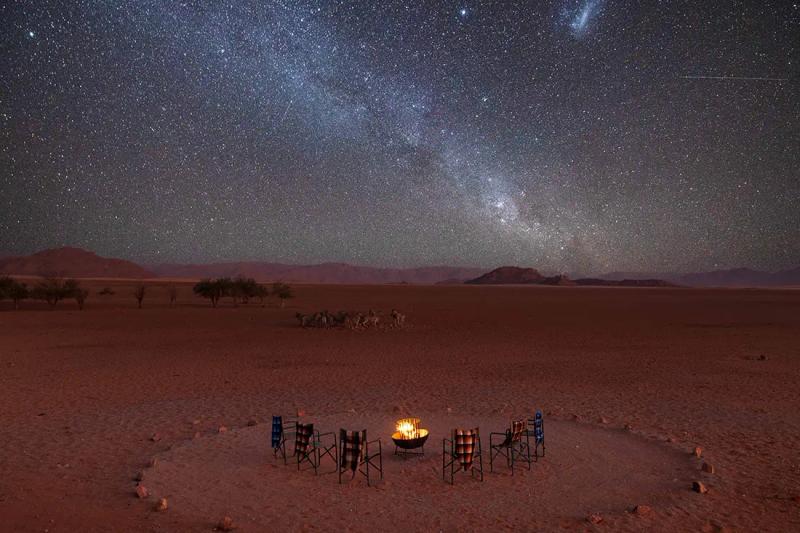
Stargazing in Namibia: Sitting under a brilliant blanket of stars in the Namib Desert offers a humbling, awe-inspiring sense of scale that instantly grounds you.
The Exclusivity of Zambia: Venturing into the country’s remote, off-the-beaten-path destinations provides a quietness that is increasingly rare to find.
Kenya's Private Mara Conservancies: Venture beyond the busier parts of the Maasai Mara into private conservancies, where fewer vehicles and vast open landscapes offer a more intimate safari experience.
What Travellers Should Know
Lean into the disconnect. While most luxury lodges offer Wi-Fi, make a conscious decision to leave your devices in the suite. The goal here isn’t to pack your itinerary with back-to-back activities, but to allow yourself the time to simply exist in the wild.
5. AI Meets Expert Advice
The Trend
Digital tools are undeniably changing how Africa is discovered. But while AI is a strong starting point for building a wishlist, turning those AI-generated drafts into a flawless, workable reality is a different beast.
Why It Matters for Africa
Planning a logistically sound and smooth African holiday involves a staggering number of moving parts. A multi-country itinerary might look straightforward on a machine-created spreadsheet, but behind the scenes, it takes someone who’s been there to pull it all together.
AI is fantastic at telling you the Okavango Delta is beautiful; it’s terrible at knowing that a specific airstrip is flooded in March, or that your preferred light aircraft flight only operates on Tuesdays.
Where to Experience It
Rhino Africa’s tailor-made approach bridges the gap between technology and reality, taking your inspiration and applying boots-on-the-ground knowledge to make it work.
What Travellers Should Know
Use digital tools to dream, discover, and build your wishlist. But when it comes to booking, it’s time to call in the experts. Let a dedicated Travel Expert use their travel experience and deep industry knowledge to discern what actually works on the ground.
They provide the real-world surety needed to turn your shortlist into a trip with no loose ends – acting as both your ultimate safety net and logistical wizard.

The Next Chapter of African Travel
If there’s one takeaway for 2027, it’s this: the perfect African holiday is intuitively and meticulously tailored to your exact travel style.
It’s about leaning into the wilderness, embracing the contrasts, supporting local communities, and building a journey entirely around the moments that make your heart beat a little faster.
Ready to step beyond the standard and start dreaming up your 2027 escape with the experts who know this continent best?