

We’ve always believed that the most meaningful destinations are those guided by purpose. And Londolozi, now celebrating its 100th year, is the finest example of that truth. This is the story of how a pioneering family and vision shaped not just a reserve, but an entire industry’s ethos. To truly understand how Londolozi’s legacy became the blueprint for the modern safari, we have to go back to its earliest chapter.
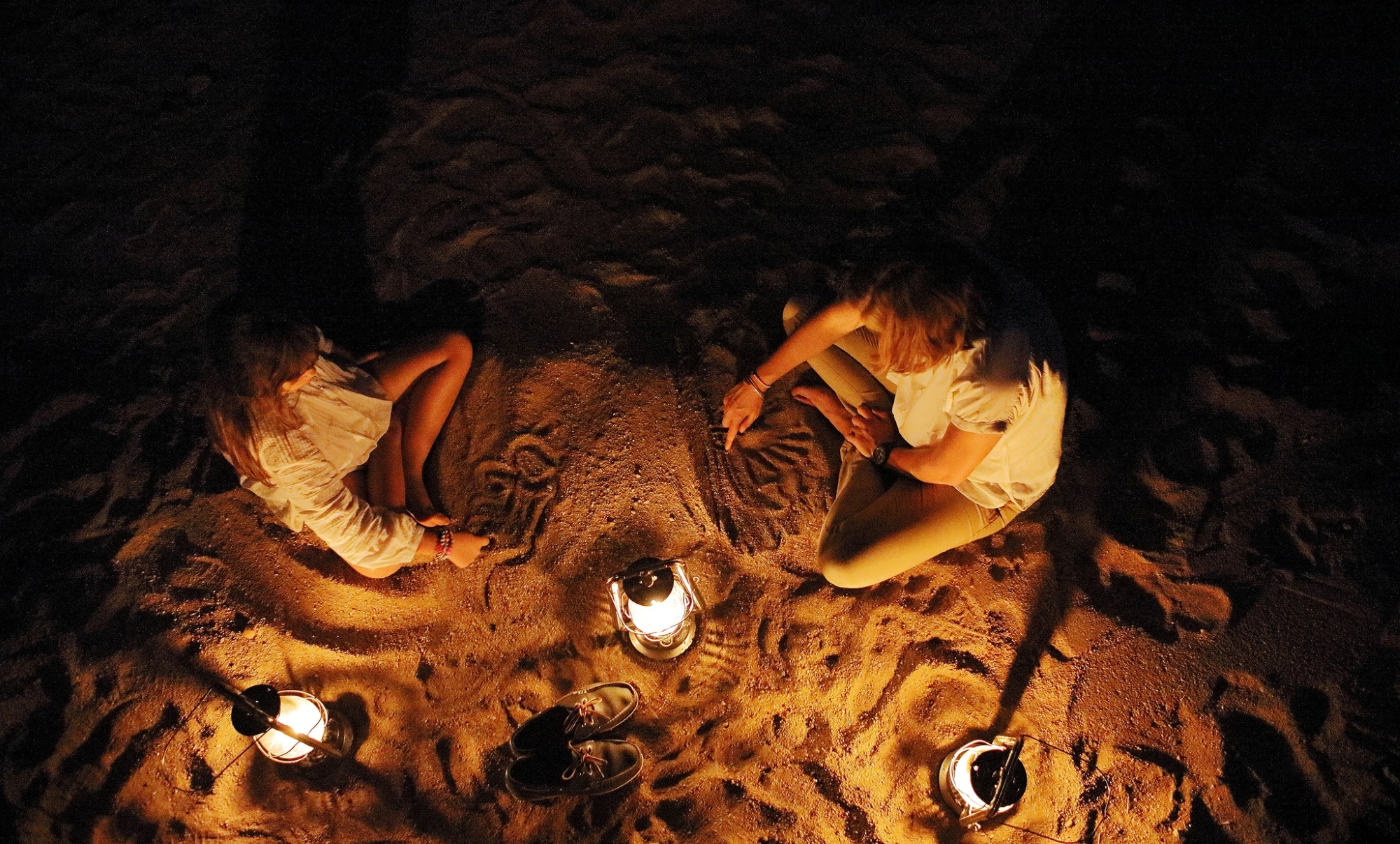
Safari is not just about what you see, but what you share, Image Credit: Londolozi
The Varty Lineage Rooted Within the Land
Where the Sand River winds through the Sabi Sand Game Reserve, a world unlike any other quietly unfolds. It’s known as Londolozi, a name rooted in the Zulu phrase “protector of all living things”, and for a century, that promise has shaped everything that happens here.
The story of Londolozi Private Game Reserve is inextricably linked to the Varty family, whose custodianship spans four generations. What began as a remote wilderness area acquired by Charles Boyd Varty in the 1920s evolved into a lifelong mission for his children, grandchildren, and now his great-grandchildren.
Each generation brought something intentional to the reserve, transforming Londolozi’s legacy from a simple bush camp into a global model of conservation, community upliftment, and ethical safari.
“Londolozi’s definition of family: It means a group of people from all over the world, with multiple languages, cultures, religions, backgrounds, genders, and interests, united by love for each other, wildlife, and the planet we call home.” – Dave Varty.

Londolozi's legacy has paved the way for guests to experience true wilderness magic, Image Credit: Londolozi
From Rifles to Cameras
In the early 20th century, the African wilderness was viewed through a very different lens. Safari tourism was centred on big-game hunting, and like many reserves of its era, Londolozi began under similar norms.
But everything changed in 1971, when brothers Dave and John Varty stepped into leadership and reimagined what the reserve could become. They rejected the prevailing hunting paradigm and committed instead to a photographic, conservation-driven model, a decision that would redefine the future of safari across Africa.
By 1976, what had started as four mud huts and a rickety Land Rover had blossomed into South Africa’s first photographic safari lodge, where guests were handed cameras rather than rifles and invited to capture wild moments rather than claim trophies.
Today, modern photographic safari culture stands on the foundation built by Londolozi decades ago, and as specialists in crafting ethical safari experiences rooted in reverence rather than intrusion, we see moments like these as turning points that shaped how we operate in the industry.

Londolozi was a pioneering force in the creation of photographic safaris, Image Credit: Londolozi
Opening Wild Corridors
For wildlife to thrive, it must roam. But for years, the private reserves that now make up the Greater Kruger were fragmented by fences, separated even from the Kruger National Park. When the fence between Kruger and the Sabi Sand was erected in 1960, ancient migration routes were severed, and thousands of animals perished.
Healing a Landscape, One Boundary at a Time
Londolozi became one of the strongest advocates for removing these barriers, and after years of persistence, the Kruger–Sabi Sand fence finally came down in 1992. The impact was immediate. Reconnected pathways expanded habitat, restored gene flow, and revived natural wildlife movement across a revitalised ecosystem.
The momentum continued, and in 2004, after the signing of the Limpopo Transfrontier Peace Park Accord, the eastern boundary fence with Mozambique was removed. This created a six-million-acre transboundary wilderness where animals could once again wander freely.
A Wilderness Reborn
It’s scenes like these that remind us why we continuously share this sacred space with our guests. Here, the surroundings are alive in a way that’s both unforgettable to witness and an instinctual homecoming. With the reclaiming of wild tracks, extraordinary sightings are endless, with one in particular helping secure Londolozi’s legacy as globally heralded.
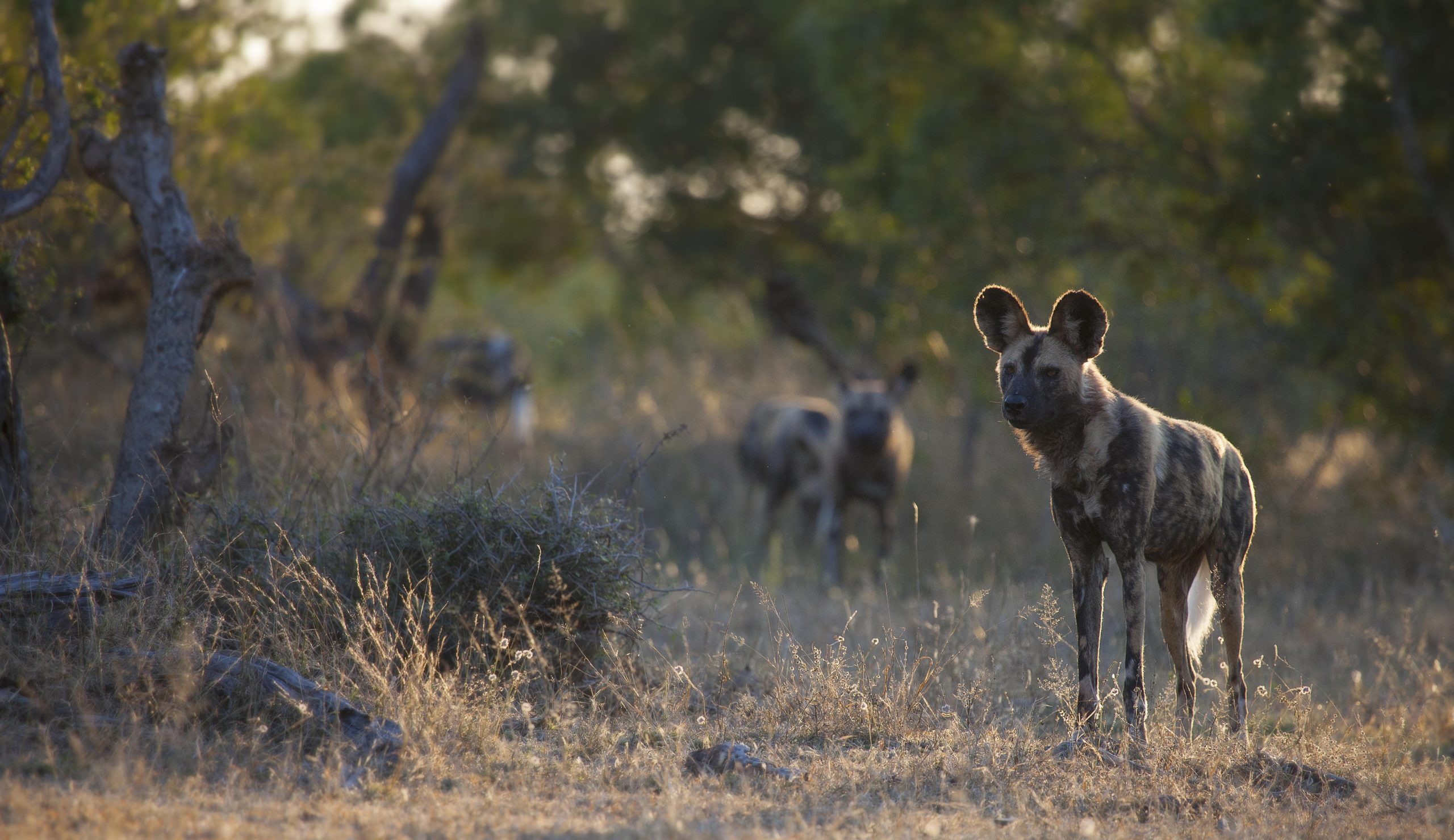
When boundaries fall away, the wild steps forward again, Image Credit: Londolozi
The Leopards of Londolozi
No animal is more central to Londolozi’s story than the leopard. For over 50 years, the reserve has been home to one of Africa’s most continuous and insightful wildlife observation projects, shaping global understanding of this elusive species.
An Unusual Bond
A defining moment came in 1979, when co-founder John Varty and naturalist Elmon Mhlongo formed an unprecedented bond with a female leopard known as "Mother Leopard". This relationship marked the beginning of dedicated leopard habituation on the property and laid the foundation for decades of research.
Through long-term monitoring, Londolozi documented leopard lineages across generations and uncovered valuable insights into behaviour, maternal strategies, and territorial dynamics.
A Living Archive of Leopard Lineage
As photographic safaris evolved at Londolozi, still images naturally gave way to film. The leopards’ habituation allowed filmmakers to capture intimate, never-before-seen moments. This placed Londolozi at the forefront of global wildlife filmmaking.
Yet Londolozi has always recognised that protecting wildlife is only part of the equation. For conservation to endure, people must thrive too.

Londolozi's legacy goes hand-in-hand with leopard conservation
The Human Heart of the Londolozi Model
Londolozi has always seen community and conservation as inseparable. By 1990, the Londolozi Conservation Development Model, a framework that proves people, wildlife, and wilderness can prosper together, demonstrated that when these elements are nurtured in harmony, all three flourish.
Among those who recognised the power of this approach was Nelson Mandela, whom the family hosted on multiple occasions. He urged the Varty family to expand their vision for community-focused conservation into the new democratic South Africa and beyond, a blueprint that still governs initiatives today.
Education as a Pathway to Opportunity
This belief led them to establish the Good Work Foundation (GWF), a beacon of digital learning whose campuses now bring 21st-century education, literacy, and career pathways to rural villages.
Today, thousands of learners access world-class digital tools and mentorship thanks to this long-standing collaboration.
"It's a testament to the transformative power of education and the role that transportation plays in making it accessible to all." – Kate Groch, GWF Founder and CEO.
Honouring Indigenous Knowledge and Skill
Equally transformative is Londolozi’s support for the Tracker Academy, an institution devoted to preserving and professionalising the ancient art of tracking. The academy empowers young people from local communities with specialised skills, placing graduates in conservation roles across Africa.
These programmes form the foundation of Londolozi’s legacy and philosophy, reflecting a deep-rooted commitment to people that resonates strongly with our own belief: travel should uplift the communities that protect the very wilderness we explore.
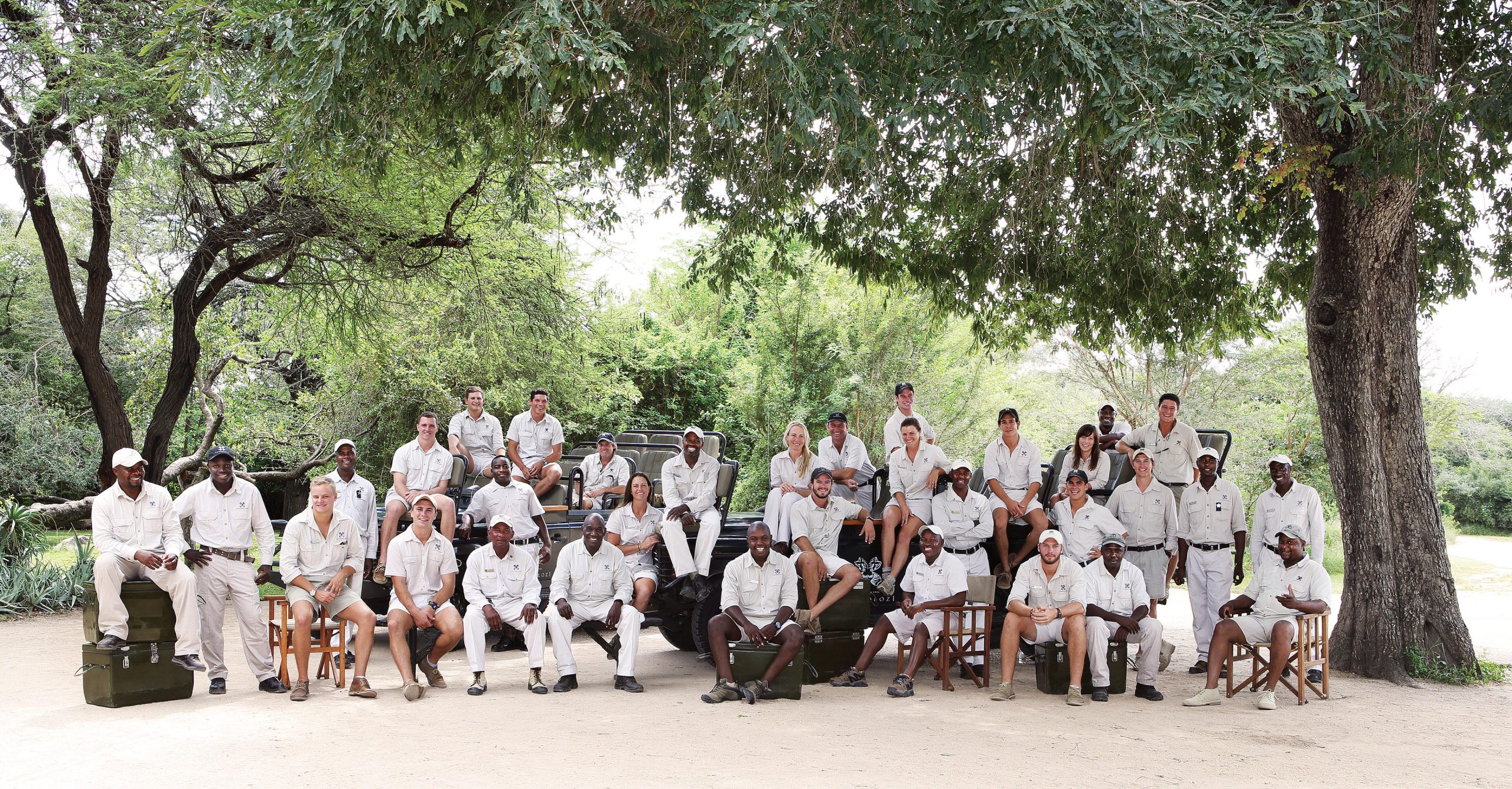
A century of conservation is carried forward by the communities who call this land home, Image Credit: Londolozi
Setting New Sustainable Standards for Safari
Londolozi’s pioneering spirit extends beyond people into the very way the reserve operates each day. Long before sustainability became an industry mantra, the reserve was quietly redefining what regenerative travel could be.
A New Standard for Conscious Luxury
Plastic waste, one of humanity’s most persistent challenges, is met here with ingenuity. Single-use plastics have been largely eliminated and replaced with circular systems that divert materials away from landfills while supporting local enterprises.
From Garden to Table to Regeneration
This regenerative ethos extends to food systems as well. Organic produce is sourced from surrounding community gardens, strengthening local livelihoods and shortening supply chains. All food waste is repurposed, either donated to pig farmers or fed to worm farms that produce nutrient-rich castings for future crops.
Letting Nature Lead the Way
Even the landscape reflects this philosophy. They encourage indigenous vegetation and prioritise ecological resilience. Furthermore, the reserve re-harvests water, while renewable energy initiatives, combined with ongoing carbon-reduction efforts, move the reserve steadily toward environmental neutrality.
Here, guests find themselves immersed in a rewilded environment rather than simply observing it. It’s rare to find a place where luxury and responsibility feel so effortlessly intertwined, which is why Londolozi remains a cornerstone in our collection of trusted partners.
“Londolozi represents a model of the dream I cherish for the future of nature preservation in our country.” – Nelson Mandela.

Fresh produce supports Londolozi’s regenerative food system, Image Credit: Londolozi
A Legacy That Continues to Lead
Londolozi’s legacy of protection is a powerful promise for the future. As new generations of the Varty family continue the work begun a century ago, Londolozi remains what it has always been: a place shaped by guardians, guided by purpose, and devoted to safeguarding all living things.
If you’re curious about being a part of this ongoing story and witnessing what a century of care has created, we’ll take you there.
Featured Image Credit: Londolozi


What a beautiful read, thank you for sharing.
Thank you, Georgia for that wonderful account of the Londolozi legacy. I just recently returned from there (my second visit) and can attest to the wonder and delight of being there and experiencing its graciousness. Londolozi holds a special place in my heart and its memories of the adventure will travel with me forever.