

The radio breaks in again – another update, another set of coordinates, another animal where there used to be nothing to report. This is impact in Gorongosa National Park: notes are called in quickly and logged just as quickly, the kind of steady, practical work that doesn’t look like much until you realise what it adds up to. And with each new log and every recent call, you can feel the wilderness answering back.
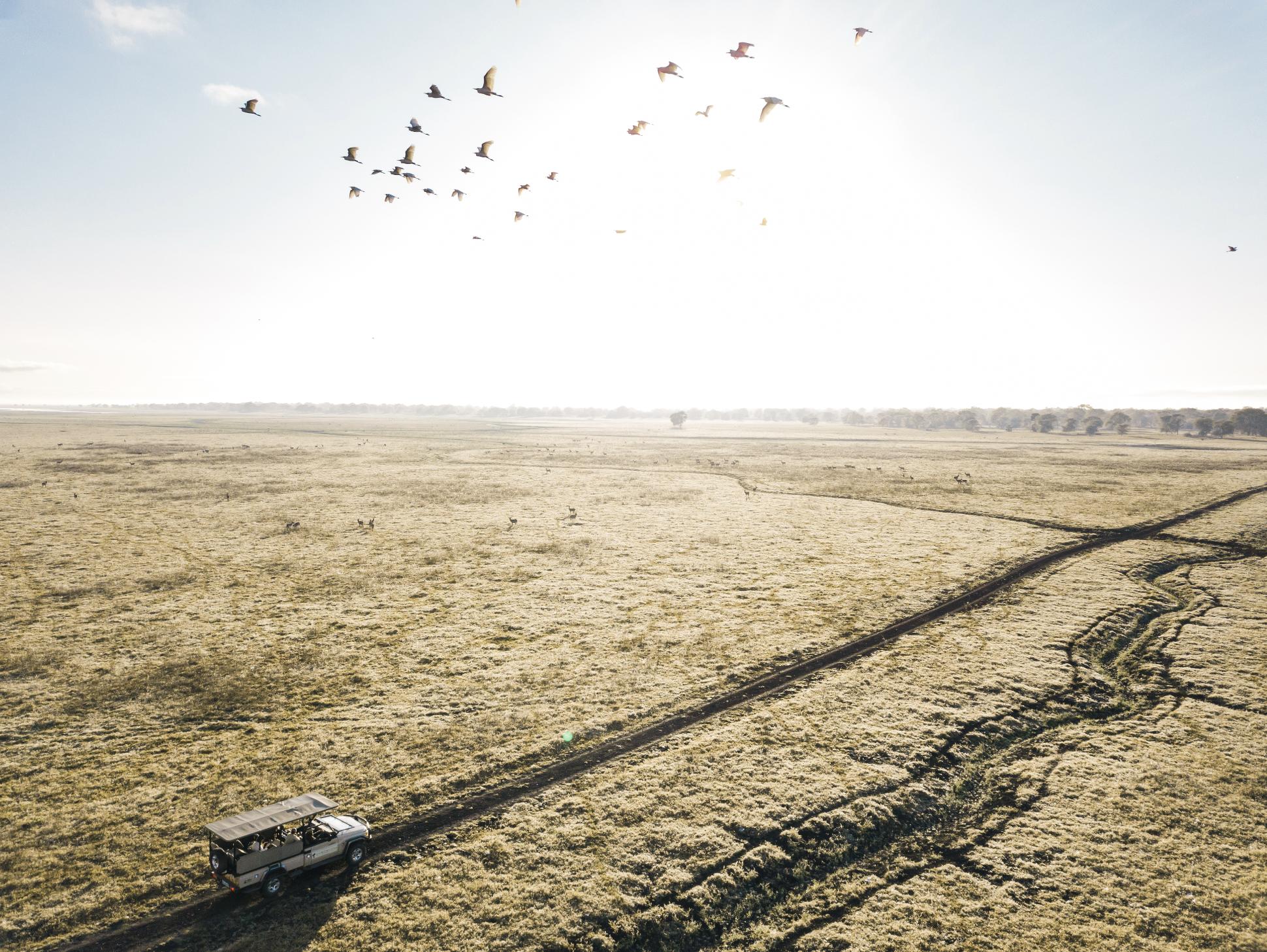
A revitalised wilderness stretching far beyond the horizon, Image Credit: Muzimu Lodge
The Steady Return
There’s a deep sense that the place has returned to itself. Not in a neat, made-for-TV way, but in the messy, continuous way living ecosystems do. Movement in the grass. Tracks along the pans. Birdlife everywhere you look. The contrast is sharp if you know the history – years when the counts told a different story.
None of this has been rushed. Gorongosa’s restoration has been built with patience, research, and long-term commitment, tied to the communities that live alongside this wilderness area and shape its future with it. What follows is a story of how a place that once hovered on the edge of extinction is now, unmistakably, alive.
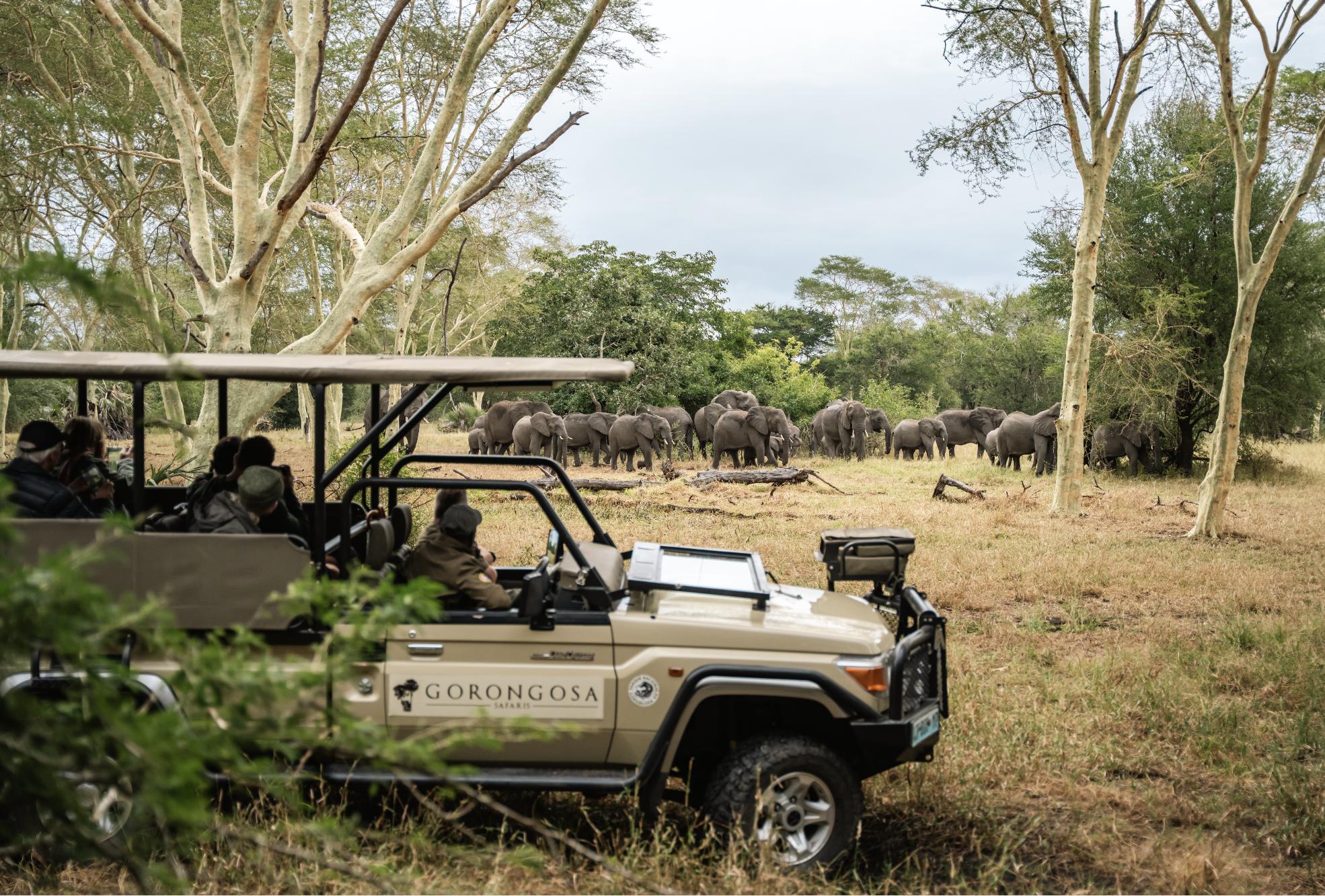
Wildlife returns as protection and patience take root, Image Credit: Muzimu Lodge
Perspective is Everything
To make sense of the impact in Gorongosa now, you have to start with how close it came to disappearing.
In the late 1960s, when the park’s first aerial wildlife survey was conducted, it recorded a place overflowing with life, the kind of abundance that made Gorongosa one of Africa’s greatest wildlife destinations.
Then, for 15 years, from 1977 to 1992, Gorongosa sat in the path of Mozambique’s civil war, with fighting in and around the land and on Mount Gorongosa itself. The conflict, paired with the uncontrolled hunting that followed, left a shattered ecosystem.
By the mid-1990s, animal populations had declined by 90% or more. It was a devastation few had hope of reviving.
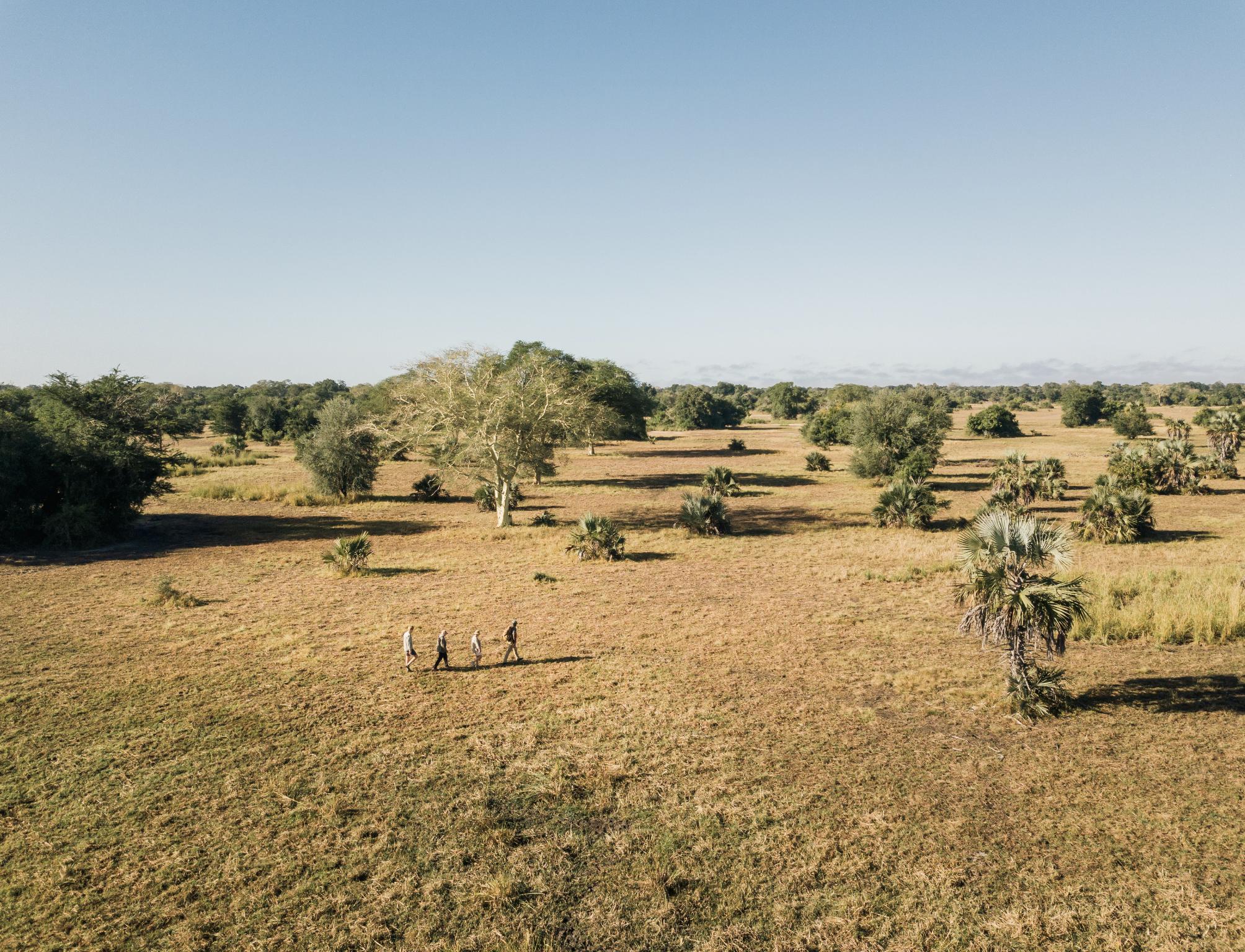
A thriving landscape that was once stripped bare by destruction, Image Credit: Muzimu Lodge
What Was There, What Was Lost, What’s Returning?
Perspective only really settles when you can see it laid out plainly. In Gorongosa’s case, that perspective lives in wildlife counts – the unflinching record of what a landscape could support, what it was reduced to, and what it's slowly learning to hold again. Side by side, those numbers tell a story that words alone can’t soften or exaggerate.
The comparison becomes clear when the first 1969 wildlife survey sits directly alongside the 1994 post-war count:
Species | 1969 Wildlife Survey | 1994 Post-War Survey |
|---|---|---|
Elephants | ~2,200 | ~100 |
Lions | ~200 | 0 |
Waterbuck | ~3,500 | ~100 |
Buffalo | Tens of thousands | 0 |
Other large herbivores (wildebeest, zebras, eland, sable, etc.) | Vast, moving herds | Only a handful of zebras and small antelopes |
The figures speak for themselves. What they show isn't a dip. It's a collapse – a functioning ecosystem stripped down to fragments, with large predators gone and entire herds erased from the landscape.
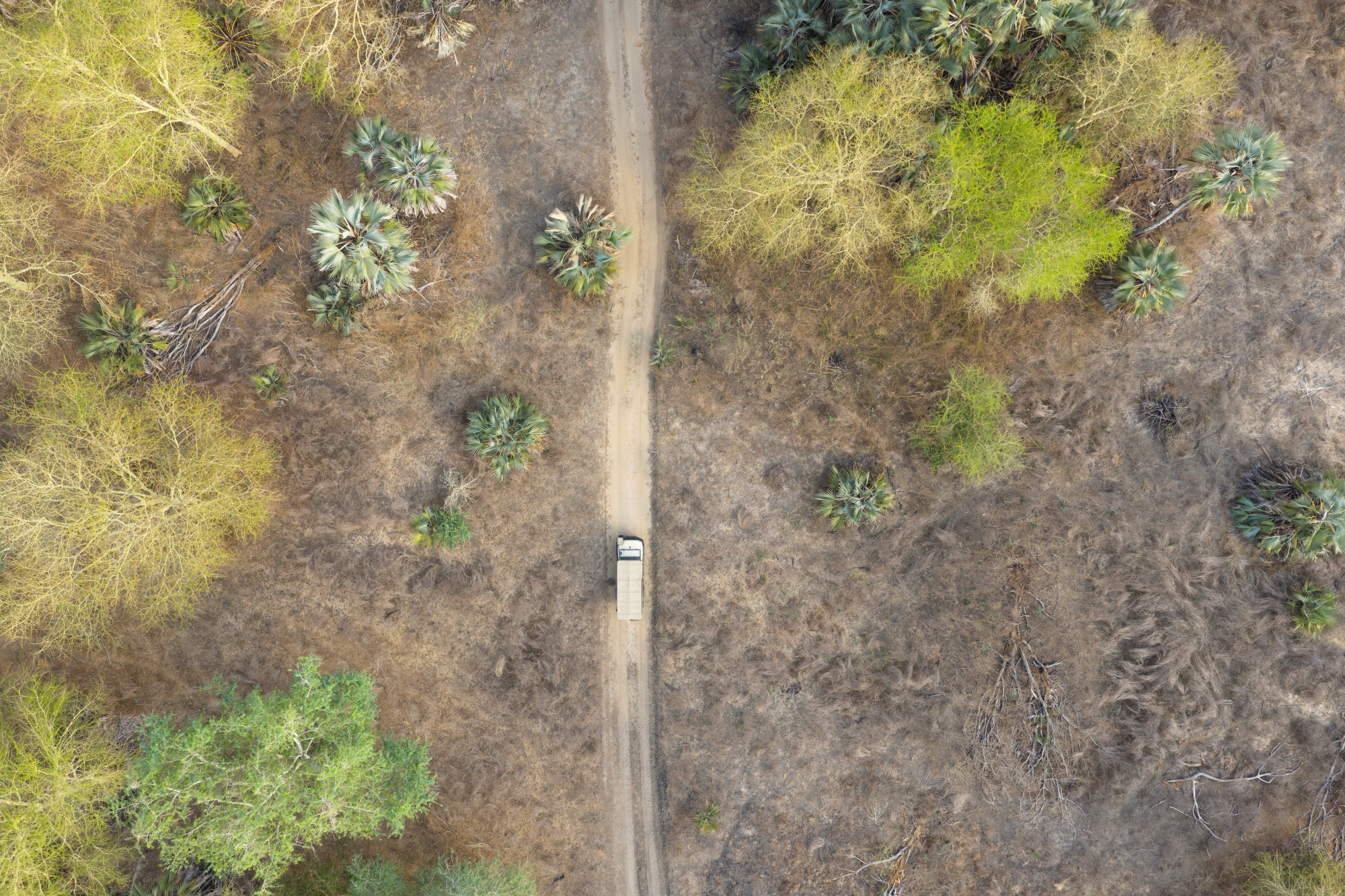
A landscape bearing scars, movement, and cautious renewal
Today, 100,000+ Animals Thrive in Gorongosa
From the low hundreds of elephants and waterbuck recorded in the mid-1990s – and little else – Gorongosa today tells a very different story.
More than three decades later, the latest wildlife census recorded 110,513 animals across 20 species. On the ground, that looks like herds moving without hesitation, predators reclaiming territory, and a wilderness doing what it’s meant to do.
And the recovery hasn’t been left to chance – 32 Crawshay’s zebra, seven hyenas, and two leopards were the most recent newcomers, reinforcing ecological relationships that take years to stabilise.
But how did this all happen? Well... this is where the story widens beyond wildlife alone.
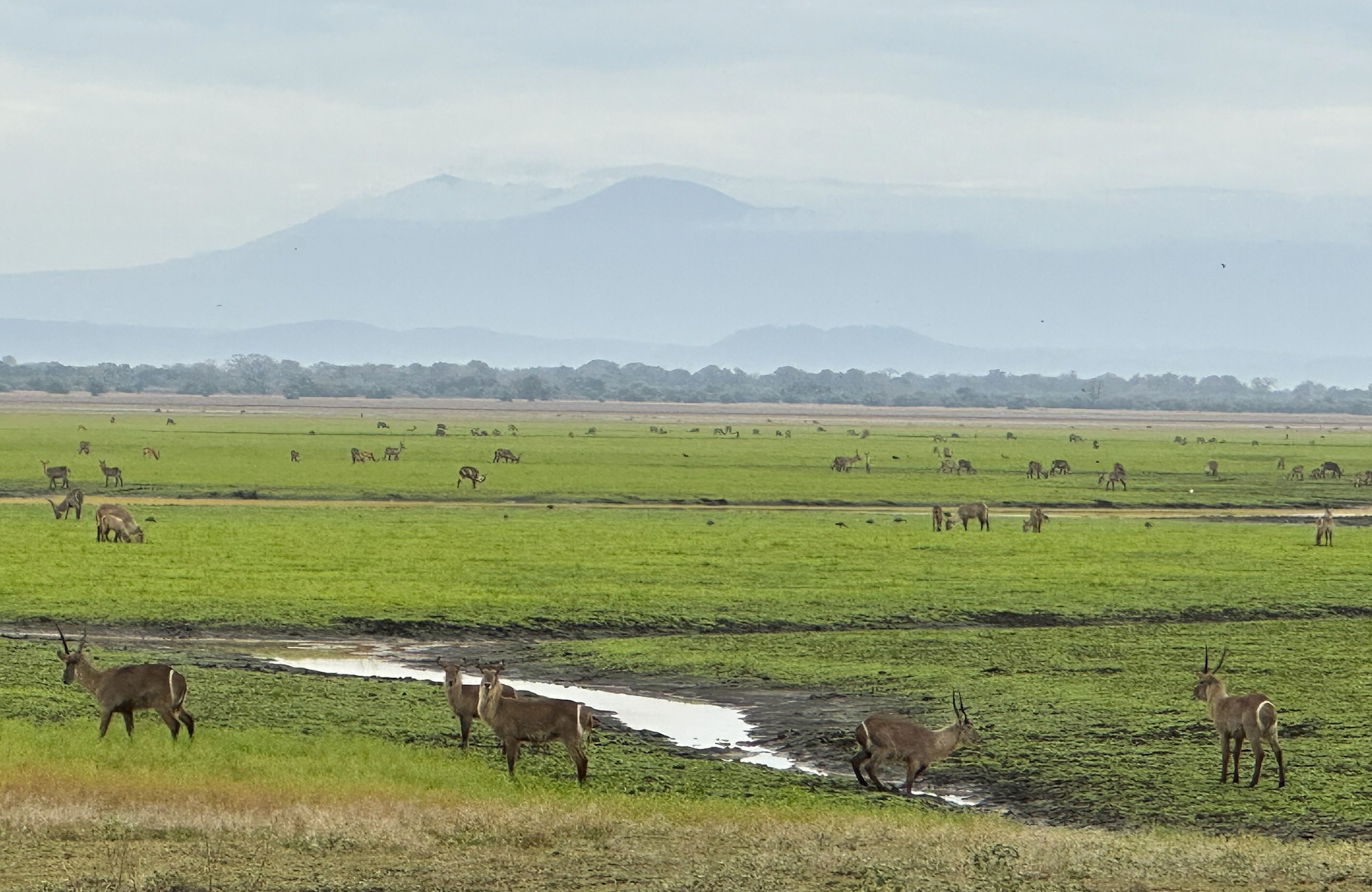
Life returns at scale across Gorongosa’s open plains, Image Credit: Sam Myburgh
The Foundation That Rewrote Gorongosa’s Future
By the time the Greg C. Carr Foundation entered into a 30-year partnership with the Government of Mozambique in 2008, the scale of Gorongosa’s loss was already clear – and so was the kind of commitment recovery would demand. Not short-term funding. Not pilot projects. Time, consistency, and the willingness to stay put.
The premise was built on a simple idea: you can’t restore a wilderness area without strengthening the communities living beside it.
Greg Carr had seen the consequences of that imbalance long before the partnership took shape:
“When I first came here in 2004… I could drive around with Mozambican friends all day and, if we were lucky, maybe spot one baboon or warthog. Now we drive around, and it’s an ocean of wildlife.” – Greg Carr.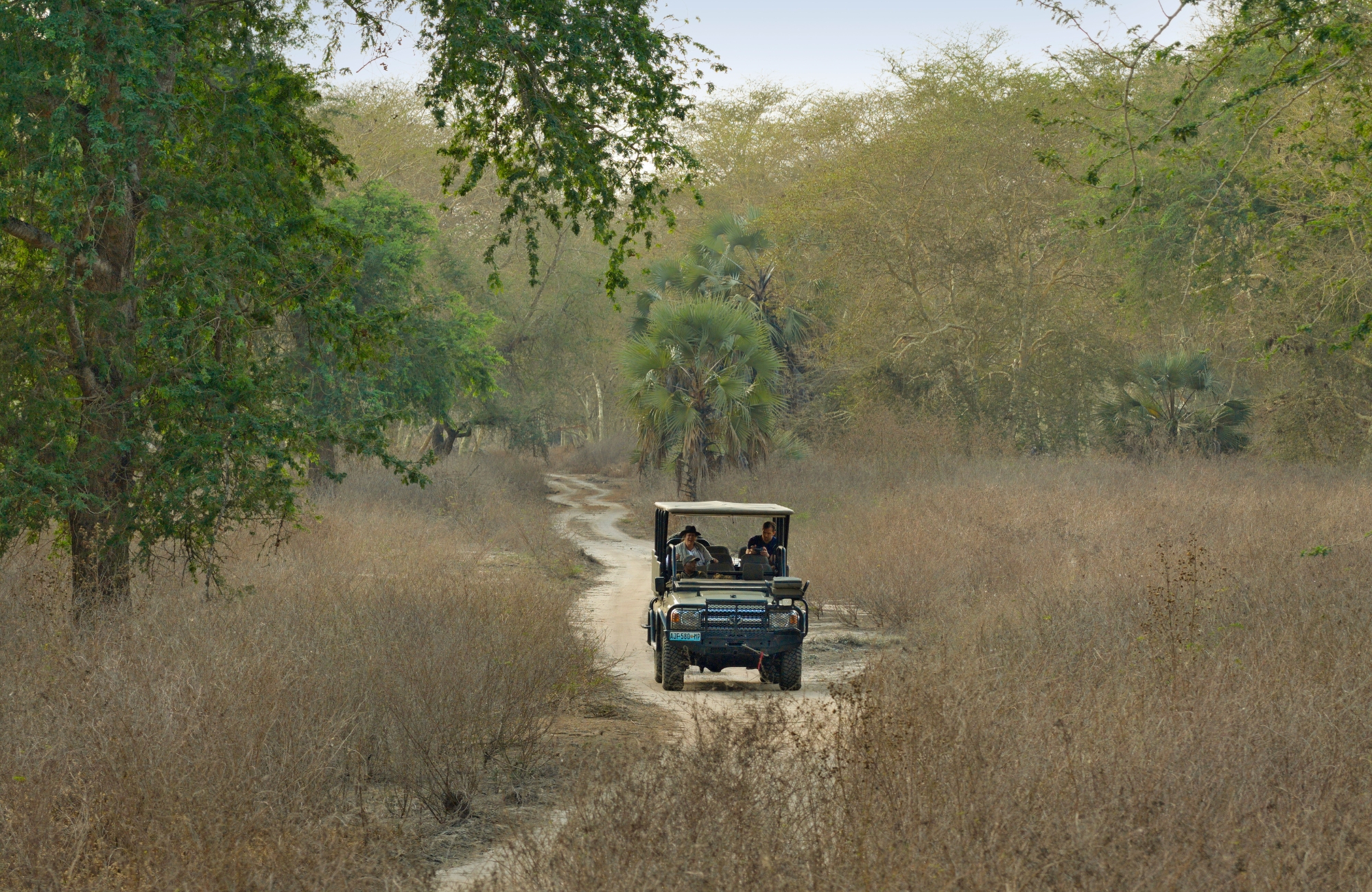
Staying the course where long-term care reshapes lives
The Missing Piece
When planning what impact in Gorongosa would look like, one thing had become clear: animals were never the only thing that needed restoring.
For years, conservation here tried to work in isolation, drawing boundaries around the park while life beyond them grew harder. When people struggle to access food, education, healthcare, or steady work, the land becomes a fallback. Forests are cleared. Wildlife is hunted. Not because people don’t care, but because survival comes first.
You can’t expect communities to protect a wilderness if it gives nothing back.
That realisation changed everything. Gorongosa’s recovery would no longer focus solely on wildlife. It would start with people, and work outward from there.
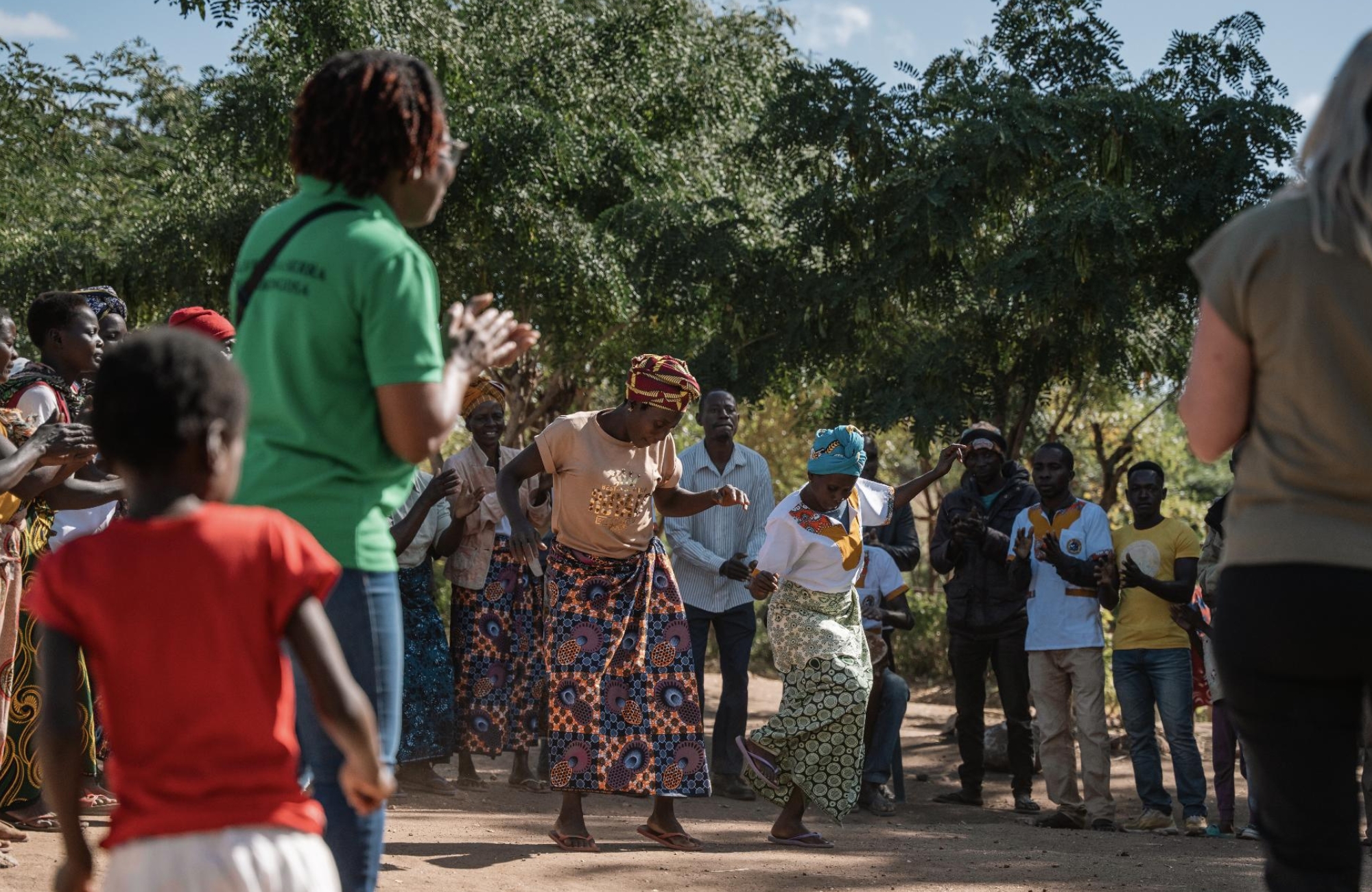
Community at the centre of Gorongosa’s long-term recovery, Image Credit: Muzimu Lodge
Conservation, Rewritten
Instead of running conservation and community upliftment as parallel efforts, Gorongosa began treating them as one system.
Support people first. Reduce pressure on the land. Let ecosystems stabilise. Allow wildlife to return. Build tourism carefully. Create jobs connected directly to the park. Reinforce protection from within.
It sounds simple when written down. But in practice, the links become obvious. When livelihoods improve, reliance on hunting for food drops. When education is accessible, long-term thinking becomes possible. When people earn a living through the park – as rangers, researchers, farmers, teachers – conservation becomes personal.
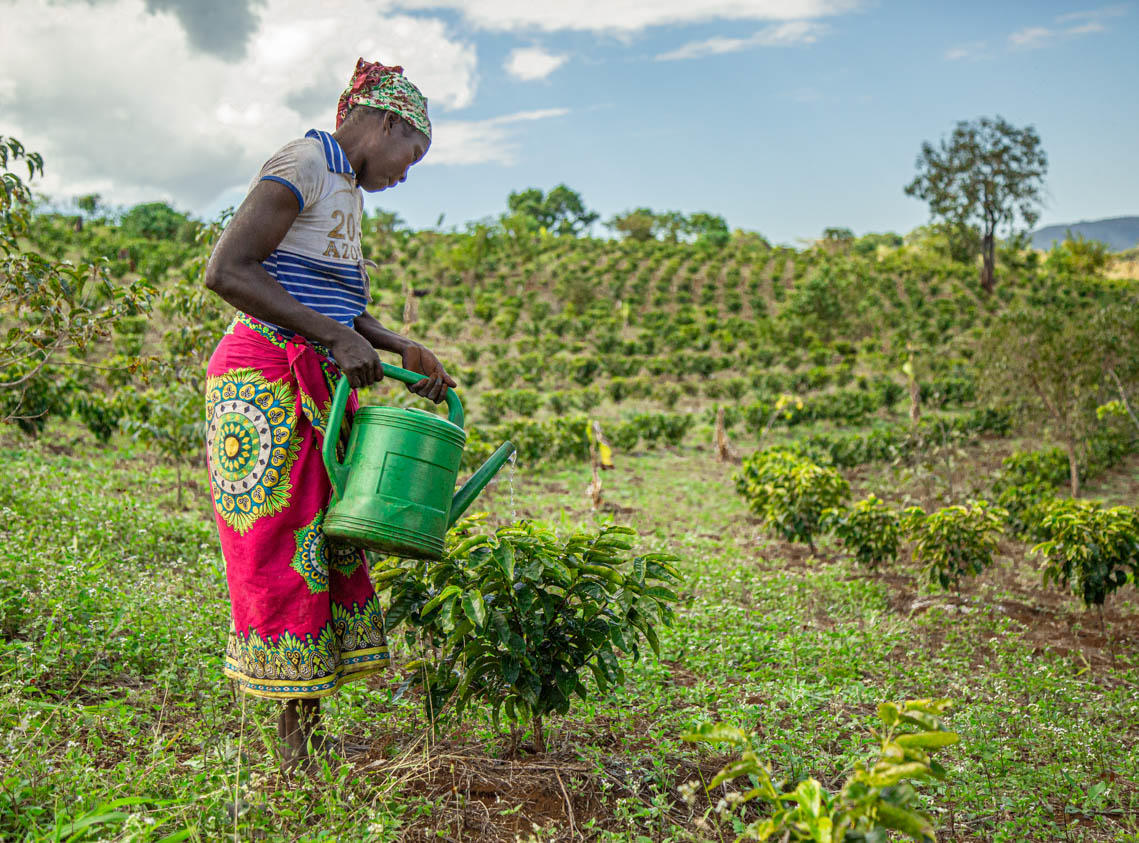
Farming opportunity rooted in resilience and long-term change, Image Credit: Muzimu Lodge
Learning Becomes Part of the Landscape
This philosophy shows up in many ways across Gorongosa:
1. Sustainable Development Zone
The Sustainable Development Zone surrounding the park helps communities farm more productively without expanding into sensitive habitat. Programmes supporting crops such as coffee, cashews, and chillies provide a reliable income while keeping wildlife habitats intact – a practical solution that benefits both people and the ecosystem.
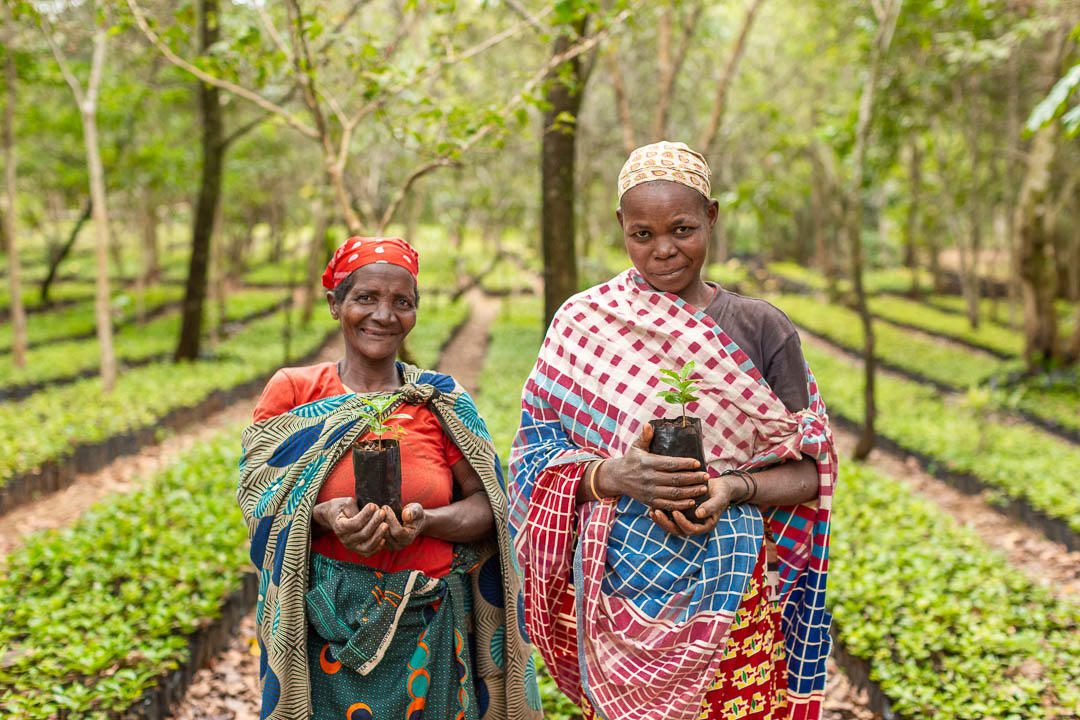
Community-led growth shaping livelihoods and future landscapes, Image Credit: Chicari Camp
2. Education
Education plays a similarly long game. Initiatives like Gorongosa’s Eco-Clubs and Girls Clubs create safe, supportive spaces where children and adults alike gain access to education, mentorship, and opportunity, an investment that pays off years down the line, both socially and environmentally.
But the learning doesn’t end there. It travels beyond classrooms through environmental days, mobile cinema programmes, and radio broadcasts that flow into surrounding villages, bringing communities into the story and reinforcing their role within it.
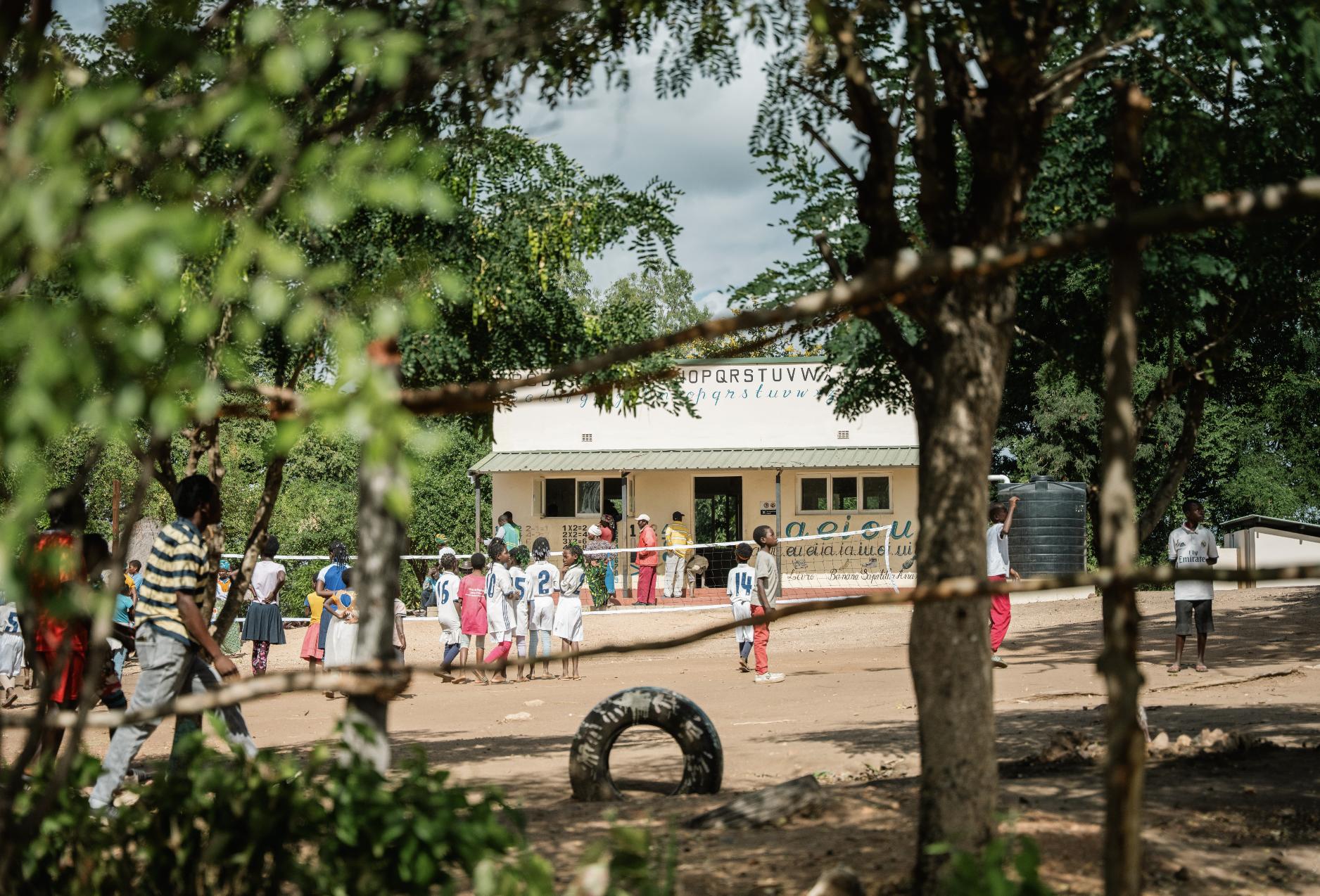
Education grows alongside conservation at a community level, Image Credit: Muzimu Lodge
3. Human–Wildlife Coexistence
Living alongside wildlife also demands constant negotiation. Human–wildlife coexistence programmes help communities reduce conflict with animals through practical, preventative measures, such as protecting crops, livestock, and lives without pushing wildlife out.
“What started as a conservation initiative has evolved into one of the greatest humanitarian projects I’ve ever had the joy of experiencing.” – David Ryan, Founder and CEO of Rhino Africa.
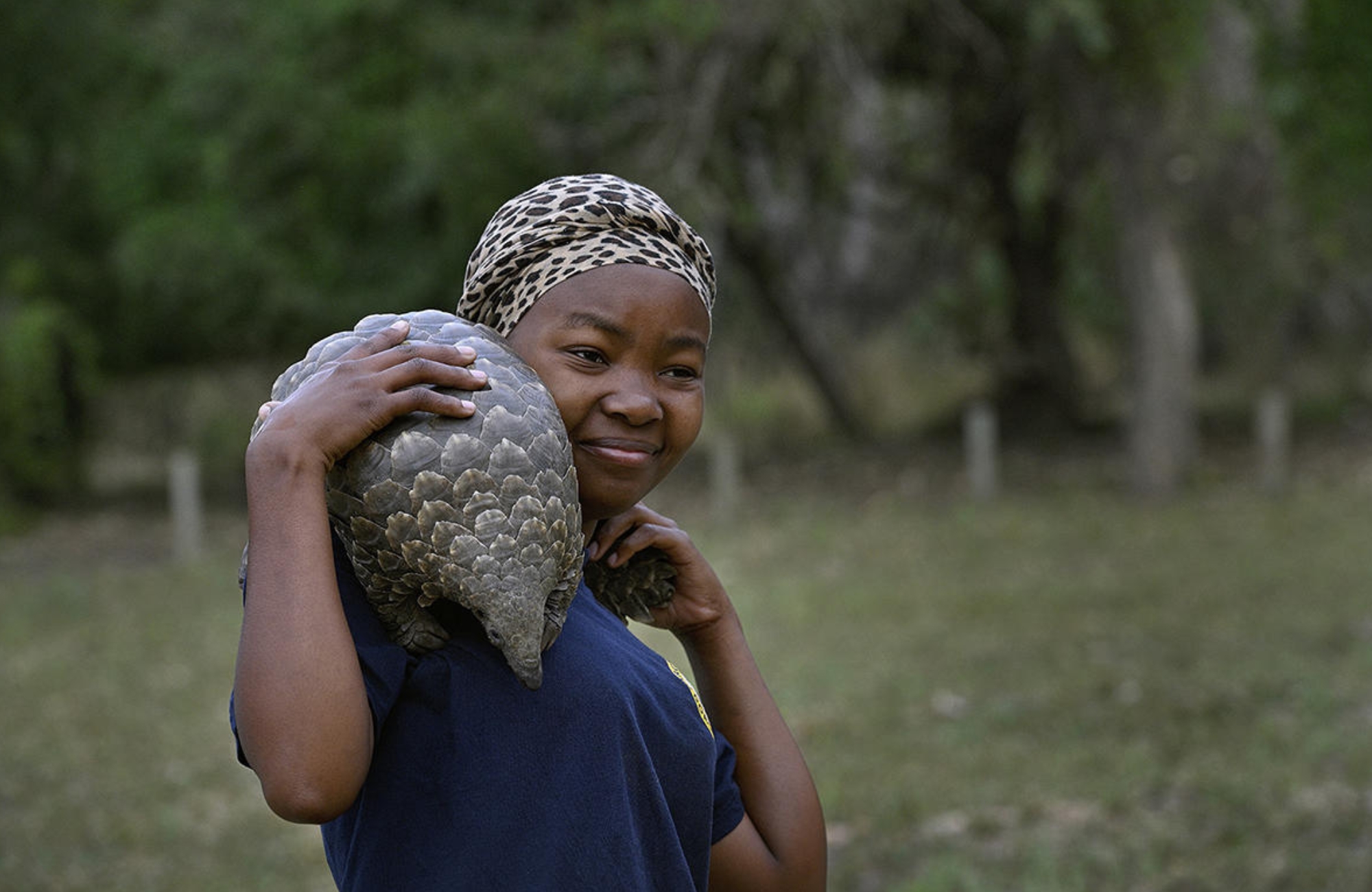
Learning to live together, one careful interaction at a time, Image Credit: Muzimu Lodge
Wildlife Recovery Didn’t Happen by Accident
None of this replaces the hard, technical work of conservation itself. Here's just a glimpse into some of those efforts.
1. Large-Carnivore Restoration
The impact on Gorongosa’s wildlife recovery has been guided by science, consistent monitoring, and careful reintroductions. Big cats and African wild dogs have been reintroduced deliberately, restoring predator–prey relationships that shape the entire ecosystem.
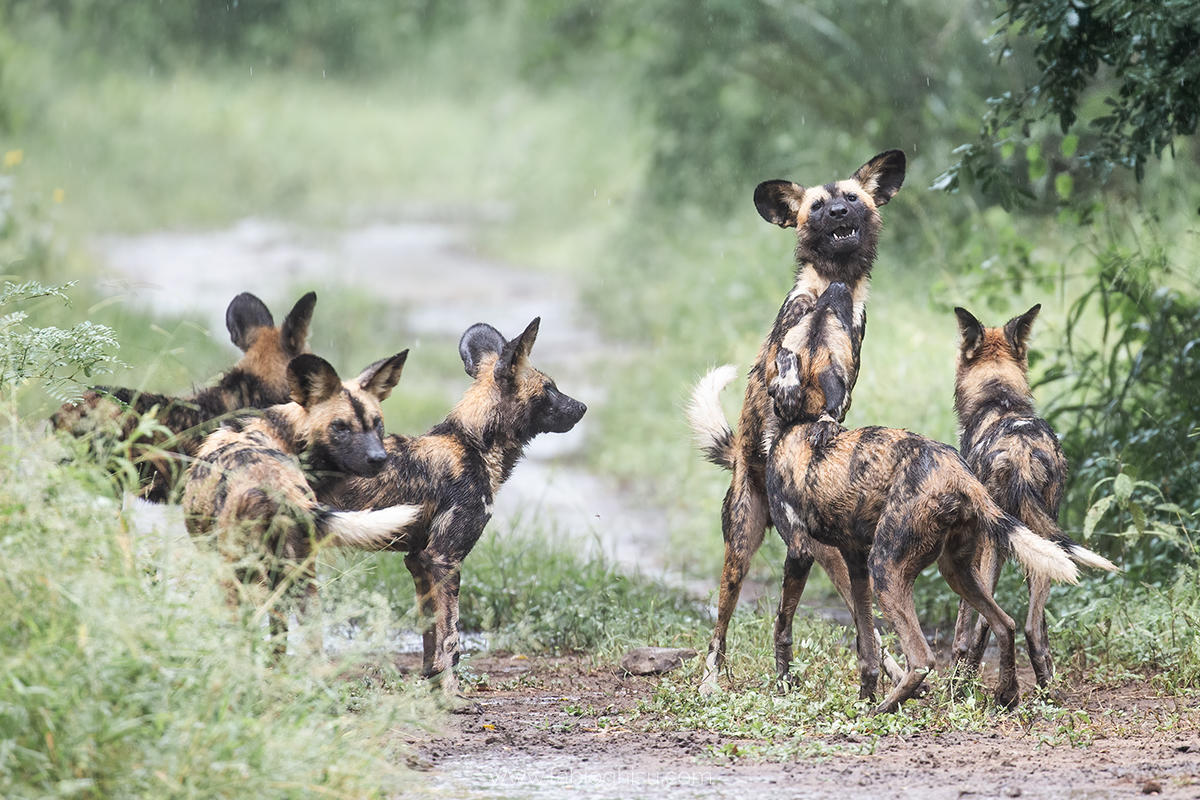
Thriving packs reveal the strength of restored ecosystems, Image Credit: Chicari Camp
2. Gorongosa’s Wildlife Rangers
Specialised wildlife rangers play a central role in this work, combining field expertise, local knowledge, and a long-term commitment to on-the-ground protection. Many come from the surrounding communities themselves, further closing the loop between conservation and livelihood.
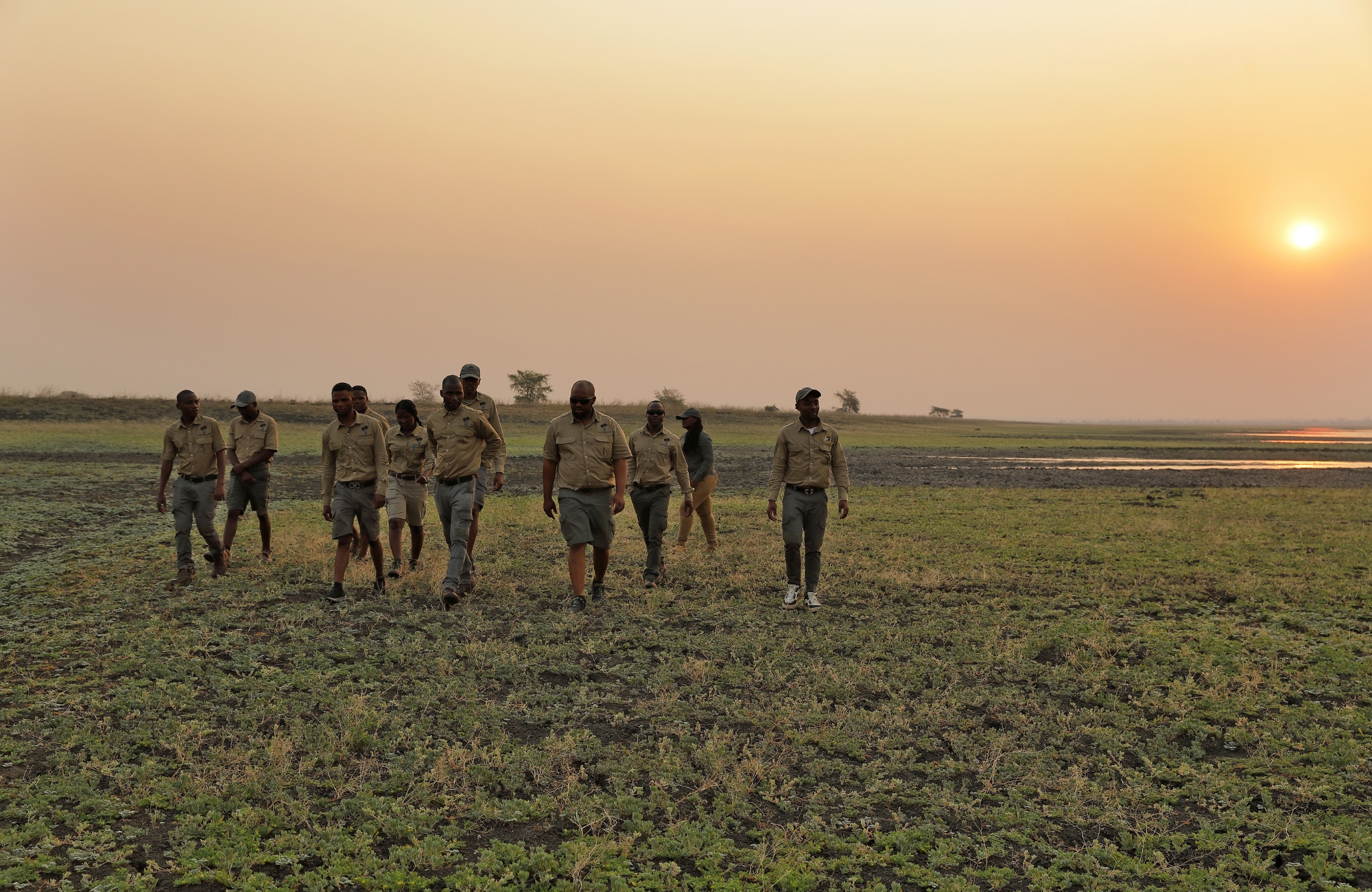
Those who walk daily between risk, duty, and renewal
3. Saving Pangolins
Some efforts focus on species so vulnerable they rarely make headlines. Pangolin protection initiatives tackle trafficking, rehabilitation, and release – work that’s meticulous, emotional, and essential.
The result isn’t just higher numbers on a census. It’s a symbiotic relationship between people, land, and wildlife – flourishing, layer by layer.
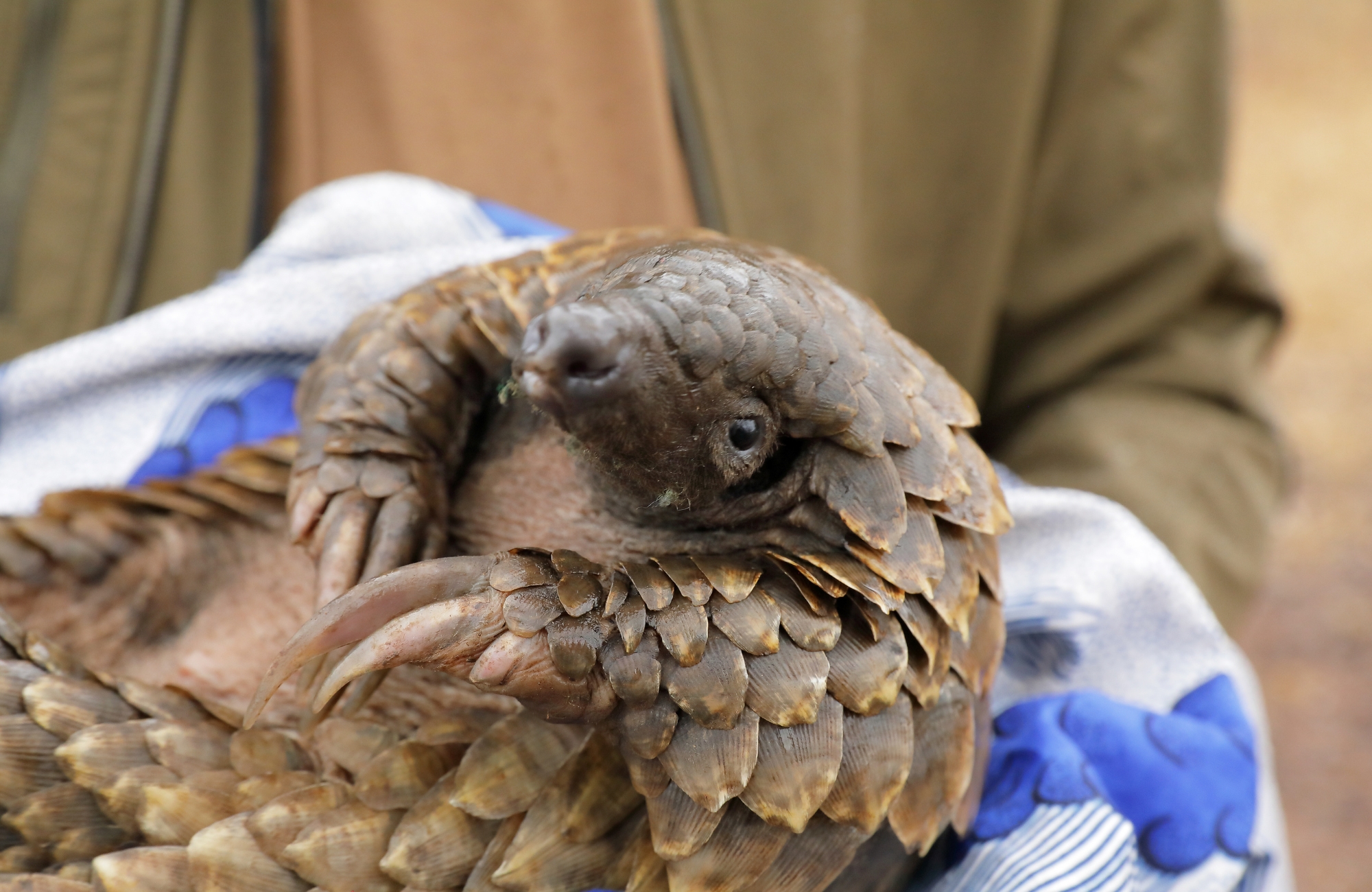
Safeguarding the overlooked, one scaled life at a time
Travel That Funds the Future
This is where we, at Rhino Africa, pay close attention, because you can feel when tourism is doing its job. This is evident in the detail, both big and small: a road that’s been maintained, a ranger who’s properly equipped, a community project that isn’t limping along on hope alone.
In 2024 alone, Gorongosa’s tourism revenue increased by more than 40%, allowing record reinvestment into conservation and community programmes.
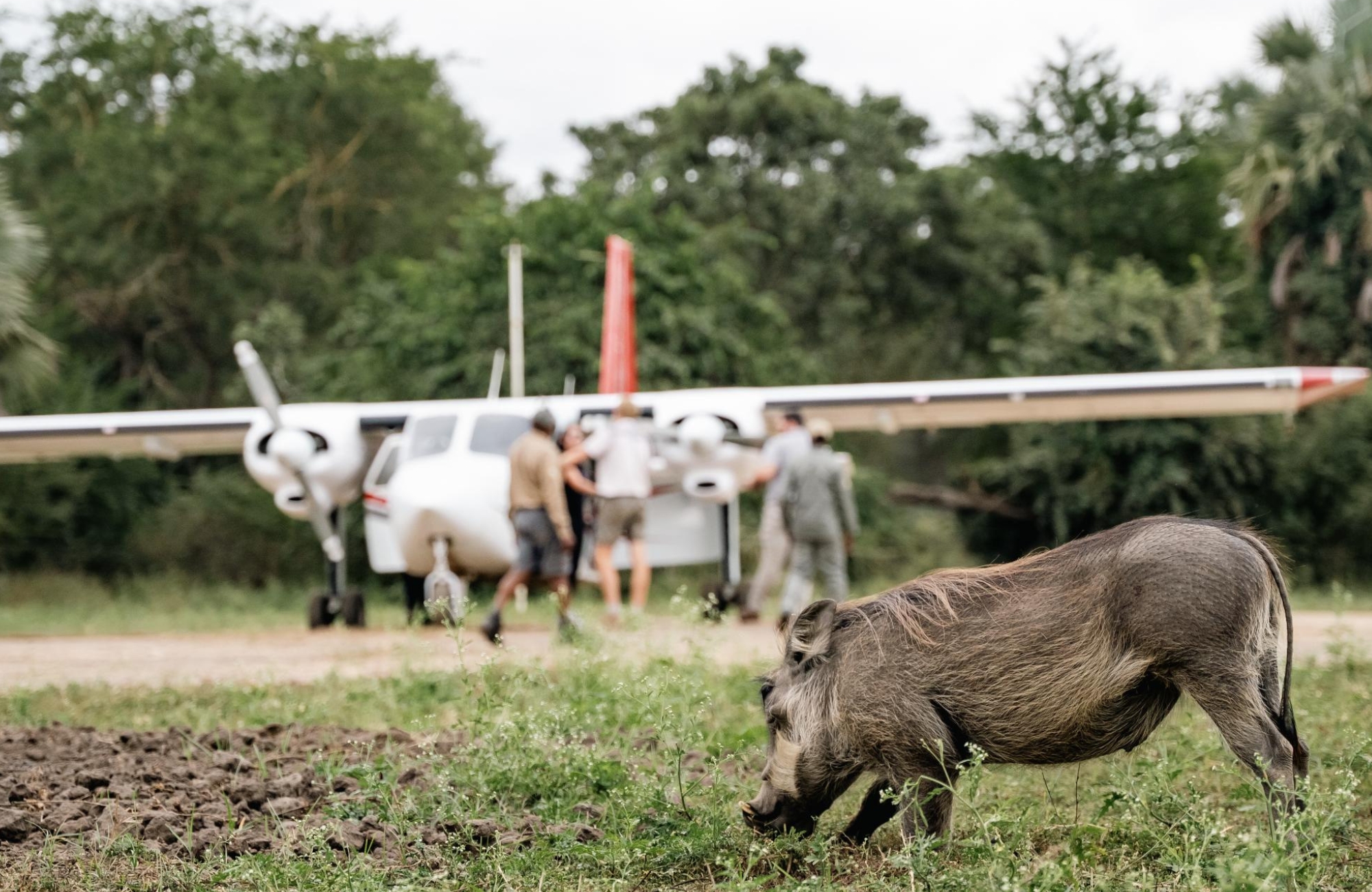
When tourism supports protection, nature moves freely nearby, Image Credit: Muzimu Lodge
That’s what high-value, low-volume travel looks like in action – funding protection, livelihoods, and long-term stability without putting pressure on the very landscapes people come to experience.
The safari stays here reflect that same intent. Gorongosa’s lodges, Chicari and Muzimu, are small, low-impact, and designed to sit lightly within the environment.
“It’s a place that feels genuinely wild and full of possibility – and it stays with you.” – David Ryan, Founder and CEO of Rhino Africa.
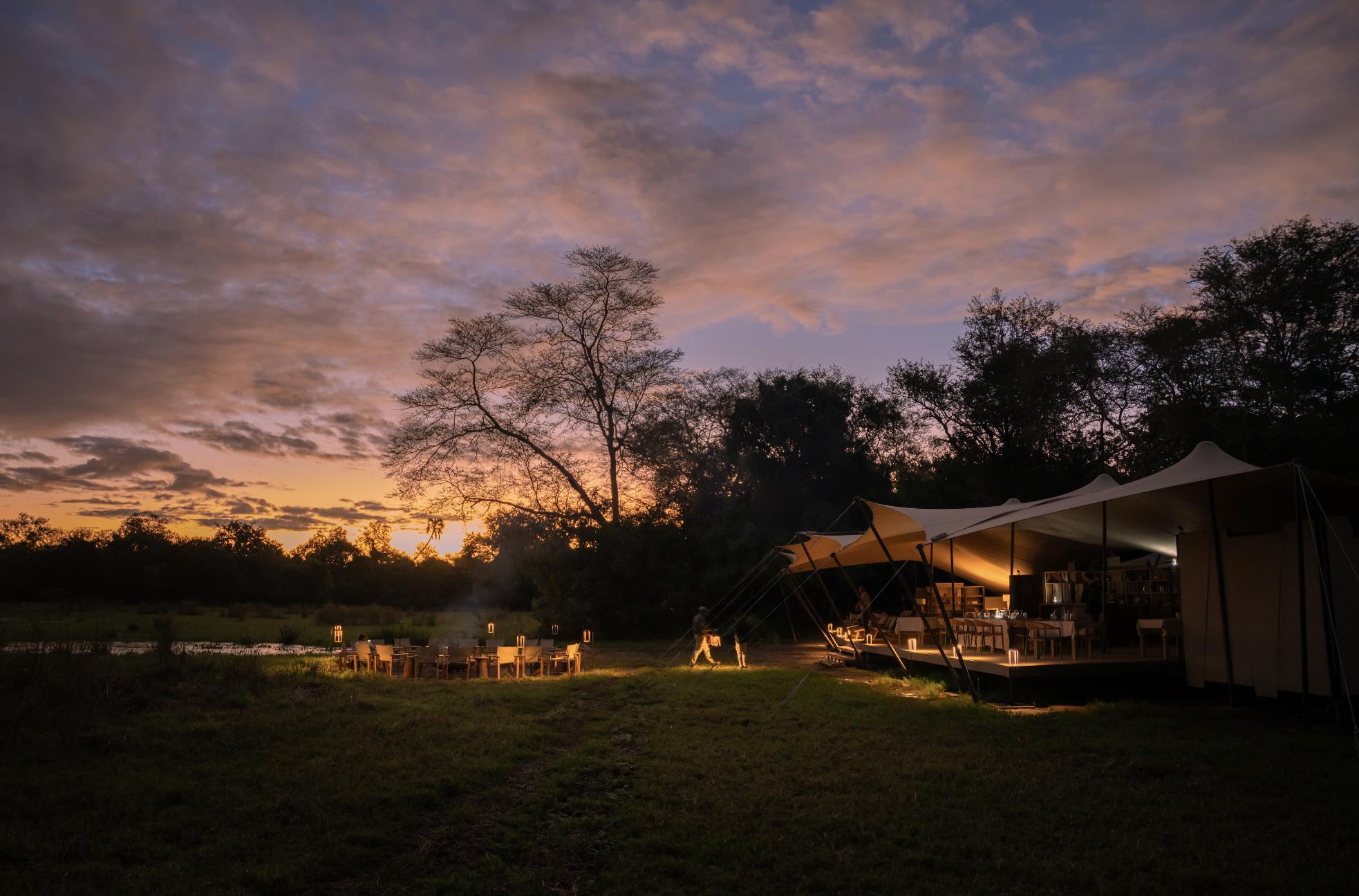
Low-impact luxury woven into a thriving wilderness, Image Credit: Chicari Camp
Why This Approach Works
What the impact in Gorongosa proves is that conservation doesn’t sit outside human systems. It lives inside them.
When people have reliable ways to earn, learn, and stay well, the land stops carrying the cost of survival. Farming supports food security. Education opens paths beyond extraction. Employment through the park opens eyes and broadens horizons.
In return, a healthy ecosystem sustains tourism, jobs, and long-term opportunity. The exchange runs both ways. Nothing here works in isolation, and that’s exactly why it works at all.
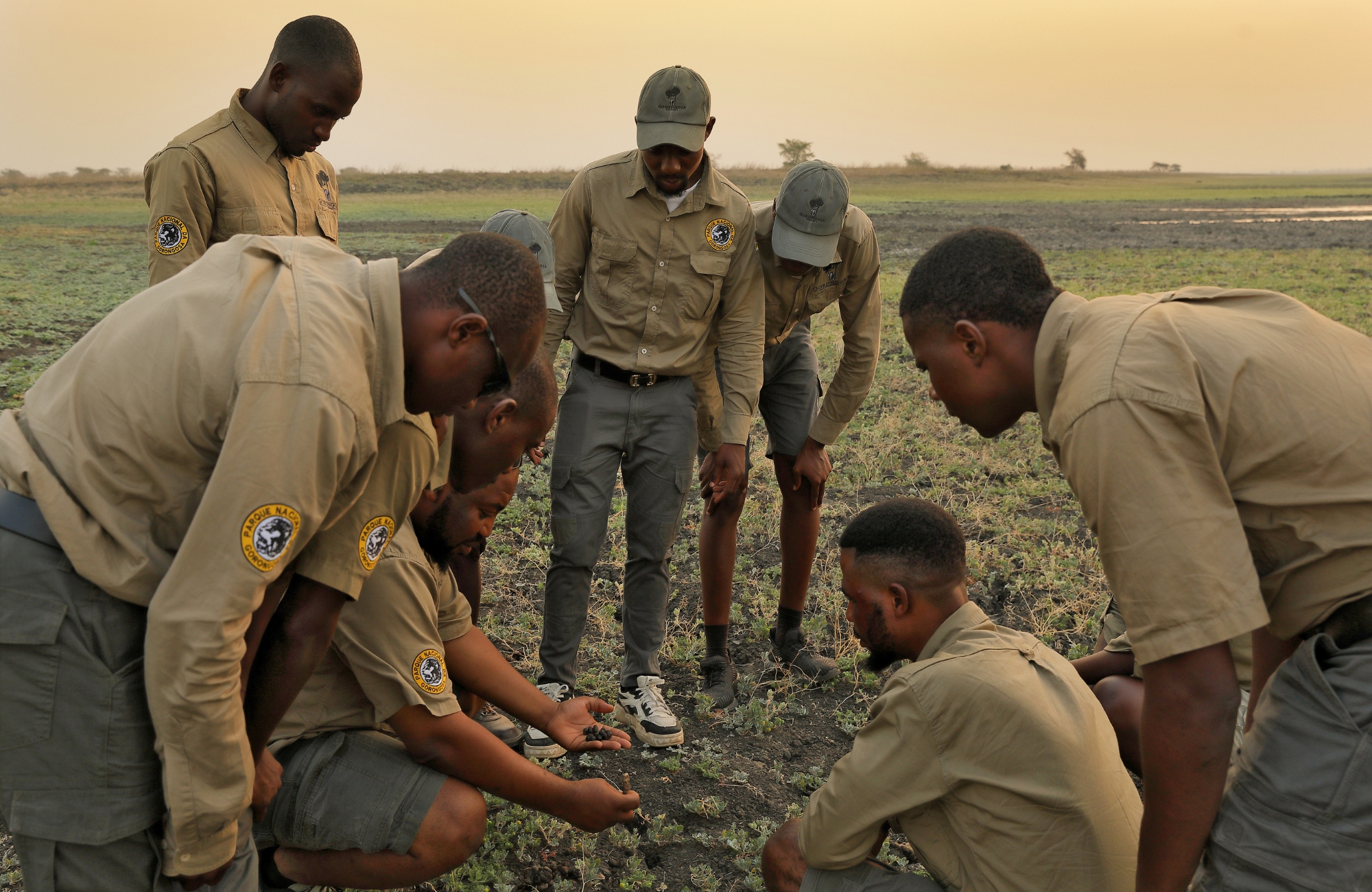
Understanding the land becomes a shared responsibility
Beyond Recovery, Toward Continuity
Back on the radio, the updates keep coming. Another sighting. Another set of coordinates. Another confirmation that something is moving where once there was an absence.
This is what impact in Gorongosa looks like now. Not a single turning point, but a steady accumulation. Logged carefully. Built deliberately. Answered by a landscape that, given the chance, remembered how to live again.
If you want to feel it for yourself, let’s plan your journey and put the story beneath your feet.


