

The game drive vehicle crawls along a sand-dusted road, slowing to a halt when the tracker leans forward. The guide’s hand lifts. Spots thread through the trees, green eyes cutting through the canopy. A leopard appears on one of the branches, calm and completely in charge. Yes, Londolozi Game Reserve is famous for its wildlife. But the reason moments like these feel so unforced isn’t luck. It’s standards – how tracking is done, how vehicles behave, how the landscape stays open, and what gets protected properly. Those safari “defaults” had to be built, tested, and repeated until they became normal. Londolozi is one of the places that did that work – and kept raising the bar. This is why it still matters.
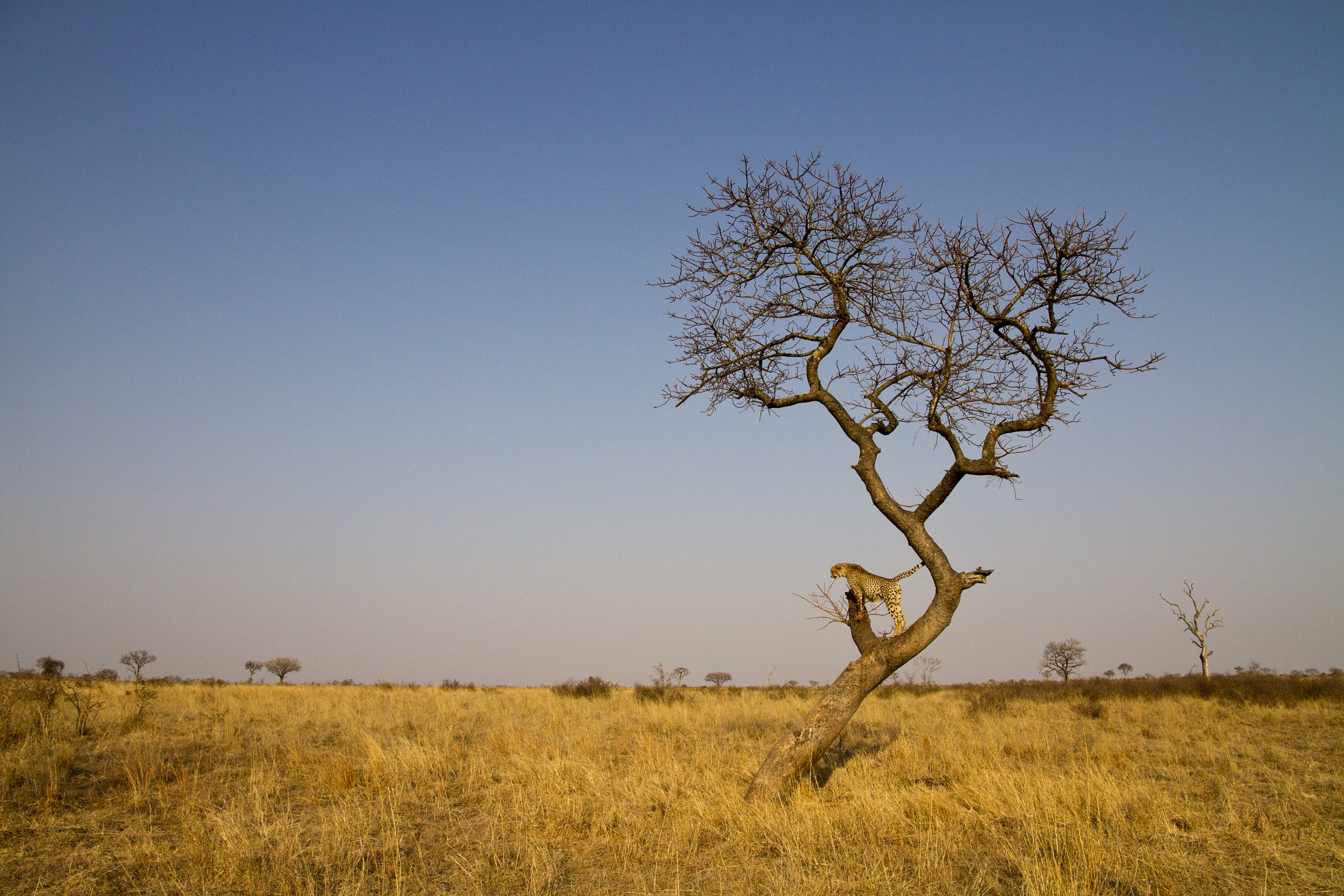
Letting the wild take the lead, always, Image Credit: Londolozi Game Reserve
Ideas That Travelled
The question underneath this whole story is simple: what did Londolozi normalise that the industry now treats as obvious?
- Photographic safari → patience and positioning as craft, not chaos
- Wildlife movement and connectivity → open-system thinking that lets the landscape function as one
- Conservation and coexistence → behavioural codes that put animal choice first
- Sustainability as practice → energy, water, waste, and plastic systems designed to work every day
- Community impact at scale → education, skills, and health pathways built into the model
- Luxury with integrity → comfort that doesn’t come from pressuring the bush into compliance
- Wellness in the wilderness → an experience shaped by stillness, space, and the natural world
Each one sounds like a given now, and that’s the point. Here's how Londolozi helped shape the safari experience we recognise today.
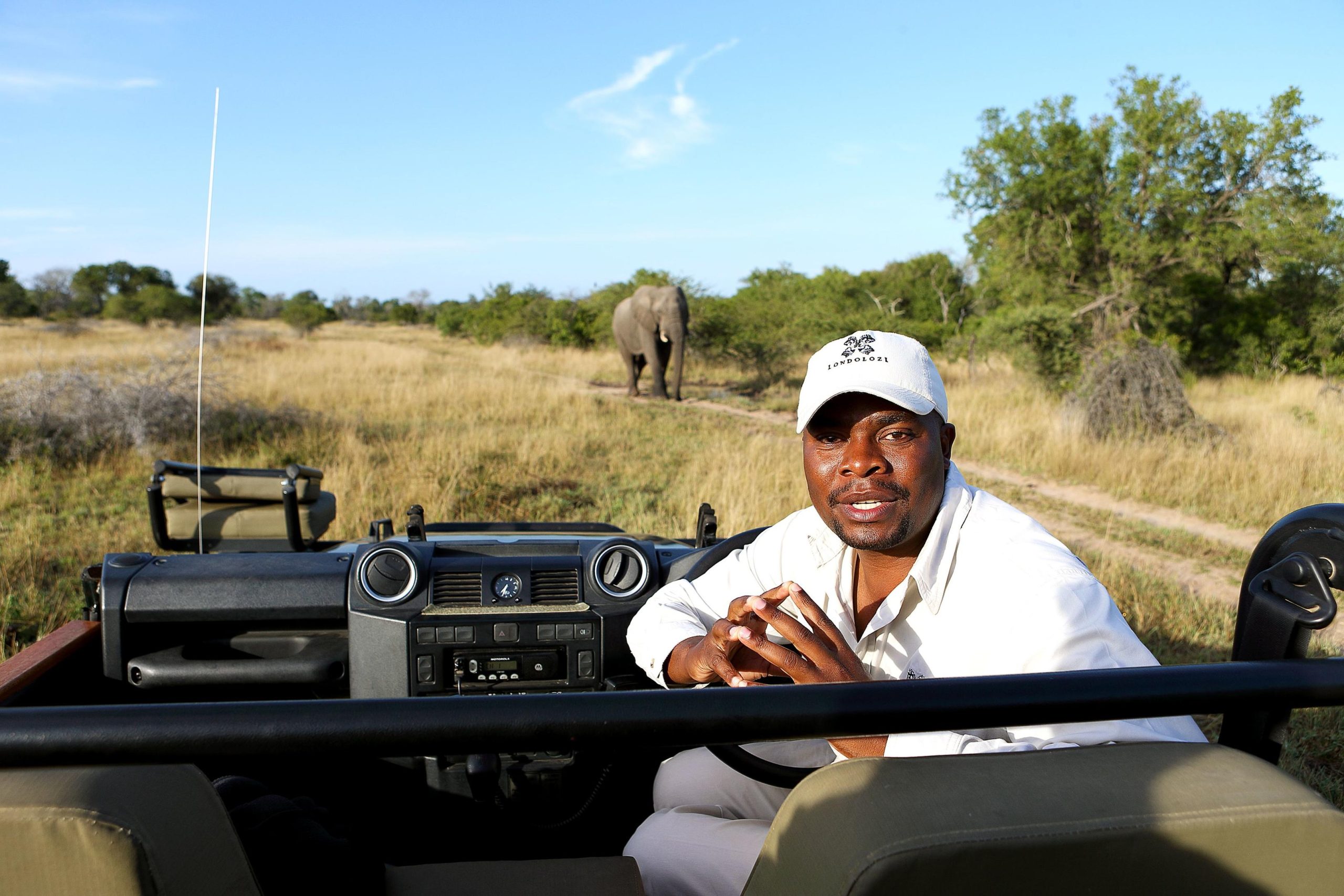
Good guiding is about knowing when to give back to the bush, Image Credit: Londolozi Game Reserve
Crafting Humans and Wildlife Coexistence
What Londolozi helped teach the safari world is that predators don’t need to be “managed” around vehicles – people do.
Habituation, done well, is deliberate and patient: steady, non-threatening presence without pressure, so animals carry on with normal behaviour instead of reacting to us. Long-term observation turns “a leopard” into "this leopard", recognised, understood, given room to move through their world without being steered like a character in someone else’s story.
That long-view relationship changes the code in the vehicle. Distance stops being a polite idea and becomes the point. No boxing in. No blocking the line of travel. No turning a sighting into a pursuit because someone wants a closer photo. The best guiding looks like discipline: wait, watch, read the stress cues, and back off early.
That shift had a big ripple effect: restraint became the flex, and the standard travelled.
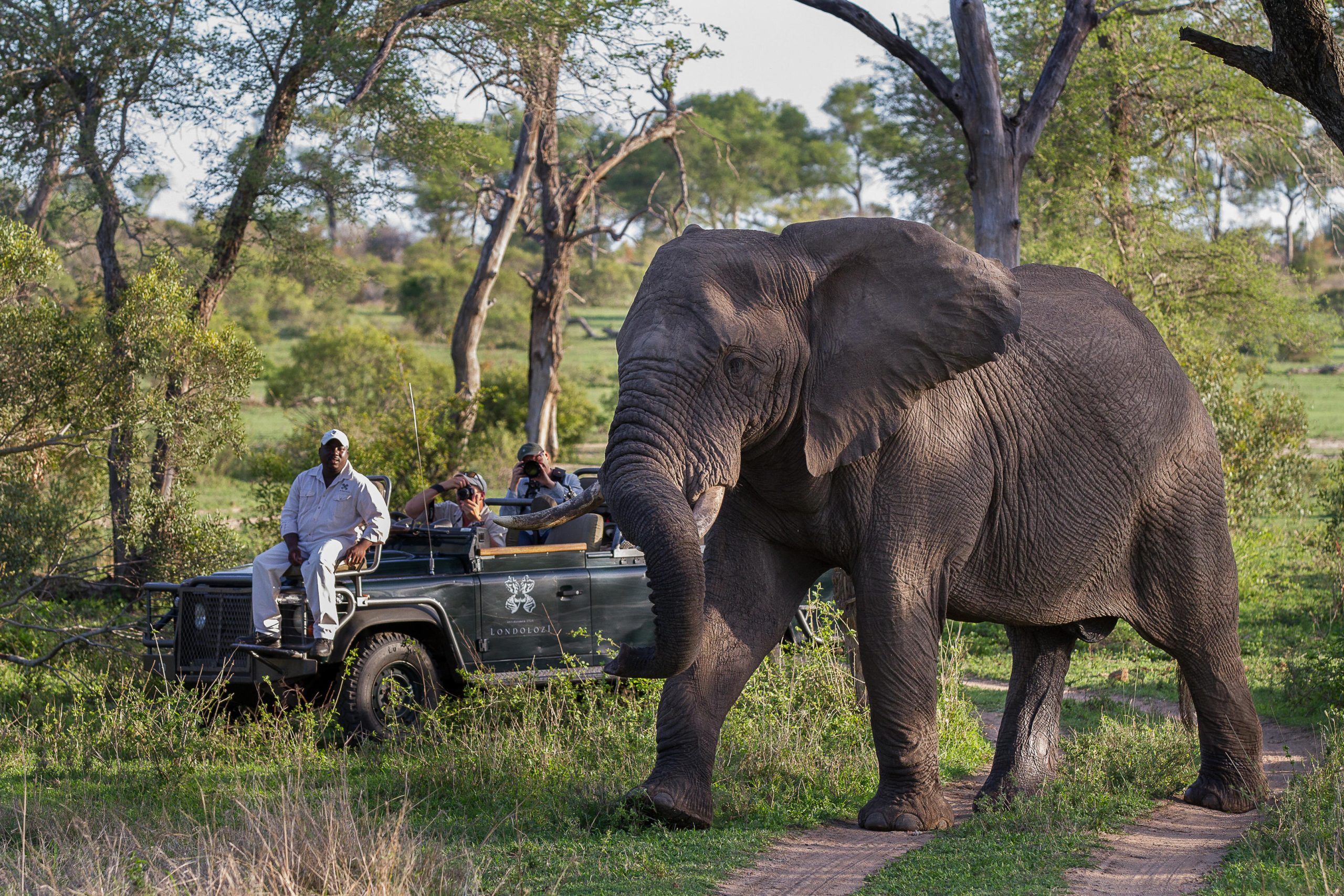
Close doesn’t have to mean crowded when the animal chooses the distance, Image Credit: Londolozi Game Reserve
Conservation
Conservation at Londolozi is the framework that holds everything together, from where animals can move to how people interact in wild spaces.
Open Boundaries, Open Systems
One of Londolozi’s most consequential conservation choices was basically a design decision: stop treating wilderness like a set of fenced “properties” and start treating it like what it's meant to be – a working system. The most tangible way they did that was by campaigning for the removal of the western fence line with the Kruger National Park, a barrier that had restricted wildlife movement since 1960.
Once that boundary opened, the knock-on effects were immediate and lasting. Now, animals could disperse, territories could shift without bottlenecks, and the Greater Kruger started behaving like a connected landscape again. That open-system approach is now the baseline expectation across this region and has influenced the actioning of many other Transfrontier Conservation Areas.
Anti-poaching and Ranger Training That Holds
Wildlife protection isn’t a speech or spreadsheet. It’s skilled people on the ground reading spoor, anticipating movement, and responding before a threat becomes an incident. Londolozi’s partnership work around tracker and ranger capability helped reinforce a practical truth the industry now accepts: security is only as strong as the people behind it. Less reaction, more readiness.
Protecting Species and Rebuilding Populations
Londolozi has been involved in the hard, unromantic work of translocations and population strengthening – part of a broader Greater Kruger approach to keeping systems resilient. What that means today is an industry that takes active stewardship seriously: monitoring, intervention when needed, and decisions guided by ecology rather than ego.
Habitat Protection and Restoration
None of the above holds if the habitat is tired. Londolozi’s restoration focus is on keeping the land functional: protecting biodiversity, supporting ecological processes, and managing in ways that maintain habitat diversity over time. It’s slow work with long results, like healthier systems that recover better from drought cycles, fire seasons, and climate strain. Habitat-first thinking has become a modern standard because, without it, everything else is theatre.
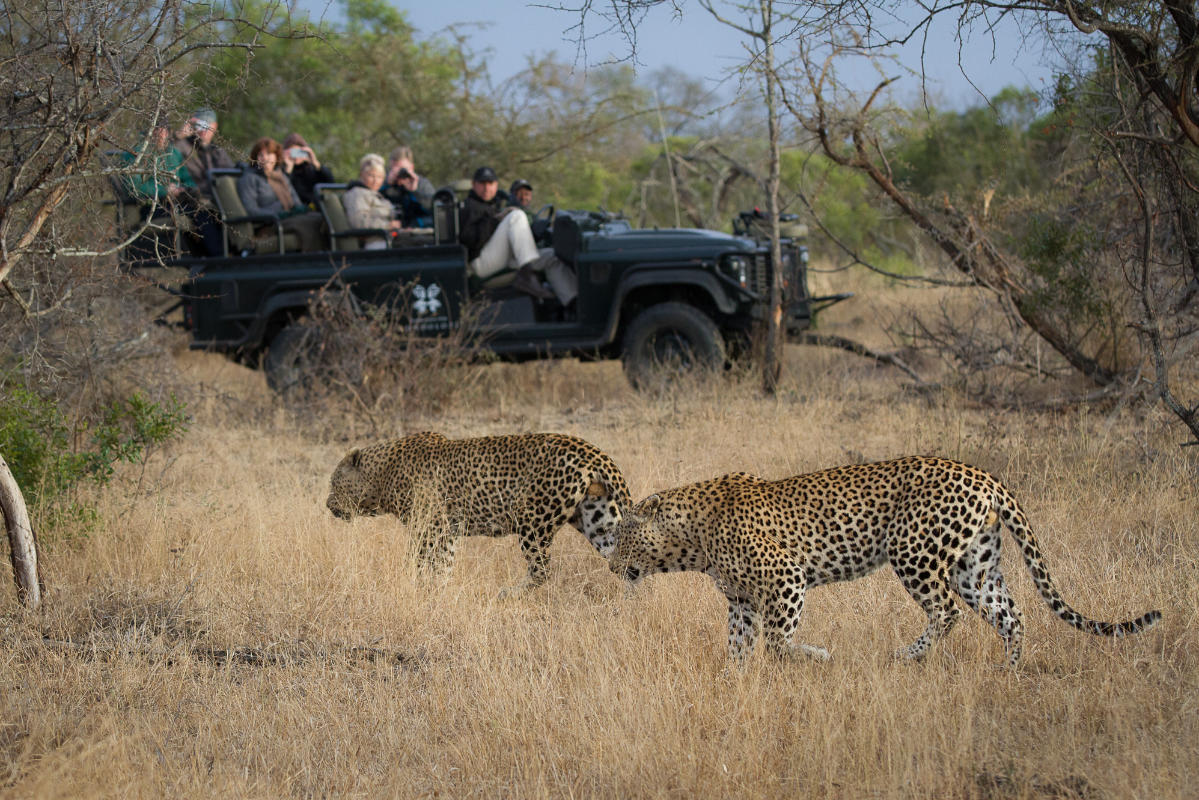
The best sightings aren’t chased, Image Credit: Londolozi Game Reserve
Sustainability as a Daily Discipline
Londolozi didn’t arrive at sustainability because it became fashionable. They built it because running a lodge in wild Africa demands systems that can carry weight for decades. This is the steadfast approach.
Power and Pollution
Their approach favours the unglamorous wins that actually shift the dial: efficiency first, then scale. LEDs, smarter cooling and water-heating systems, and solar infrastructure that reduces reliance on fossil-heavy power. For guests, this shows up as a camp that feels calmer with fewer interruptions, less background machinery, and comfort that doesn’t come at the bush’s expense.
Water and Waste
This is where the seriousness shows. The guest experiences a seamless stay (showers work, gardens thrive, the place feels clean) because the behind-the-scenes systems are designed to protect supply and reduce strain. Rainwater harvesting, water re-use for non-potable needs, and a disciplined approach to what enters the system in the first place. Quiet competence, which is the nicest kind.
Plastic and Procurement
On-site bottling in glass cuts down the endless churn of plastic and trucking. Bulk buying, refilling, refusing unnecessary packaging, replacing clingwrap with reusable wax wraps – then closing the loop through composting, worm farms, and partnerships that keep waste out of landfill. Add indigenous nurseries and vegetable gardens, and sustainability stops being a concept. It becomes dinner, soil health, and less rubbish, week after week.
Heartware: The Futuristic African Village
Here, sustainability is something lived. The Futuristic African Village concept treats staff households, camp operations, learning, food growing, and waste systems as one loop. The point isn’t perfection but momentum: reduce dependence, reduce waste, and design a way of living that respects the land’s limits without making humans the enemy of the story.
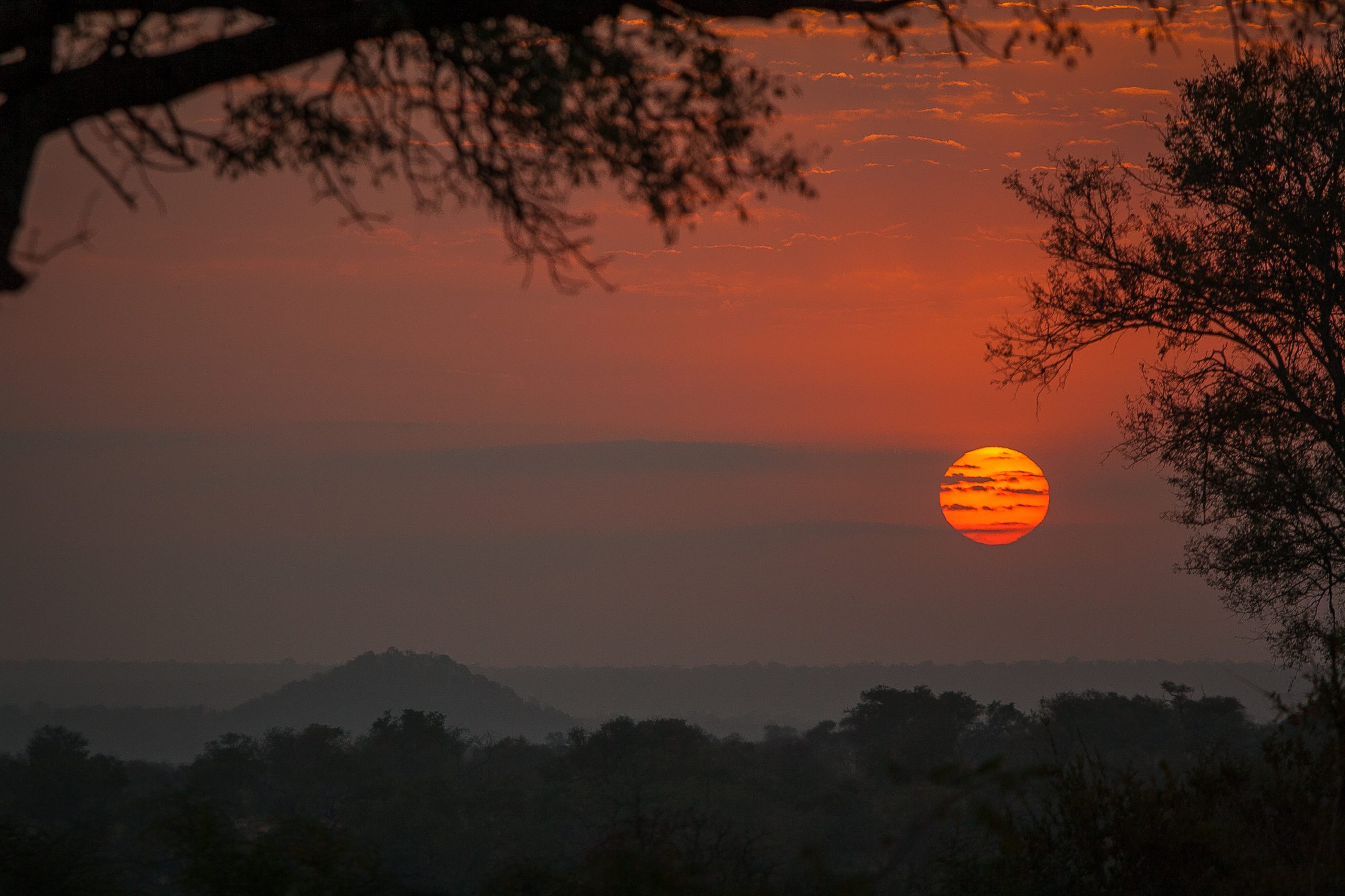
Londolozi at sundown, Image Credit: Londolozi Game Reserve
Impact Beyond the Reserve
Conservation without community is just scenery with security. Londolozi helped set a tougher standard: bake education, skills, and wellbeing into the safari model so the benefits don’t end where the tar road does.
The Good Work Foundation
The Good Work Foundation (GWF) is a rural education organisation rooted in this landscape – constructed to give children and young adults future-facing skills through digital learning, practical programmes, and clear routes into work. Londolozi’s connection is woven in locally, with learning anchored in the communities around the reserve. And crucially, learners are collected from their schools, transported to GWF campuses for sessions, then safely returned.
Tracker Training
Then there’s tracking. Training programmes linked to Londolozi’s orbit help formalise elite fieldcraft into employable capability: reading spoor, understanding animal movement, working calmly under pressure, and building a conservation career from the ground up. The ripple effect is obvious in the industry: stronger guiding culture and more local professionals moving into roles that used to feel out of reach.
Community Infrastructure
Walk through the staff village, and the sense of community is all around you, in plain sight. A working crèche with kids learning and playing, a Learning Centre that doubles as a live lab for education programmes, and the practical backbone that keeps a place like this running: workshops, gardens, even the local grocery and goods shop. Londolozi also has a longstanding clinic service for staff and their families, built in and accessible.
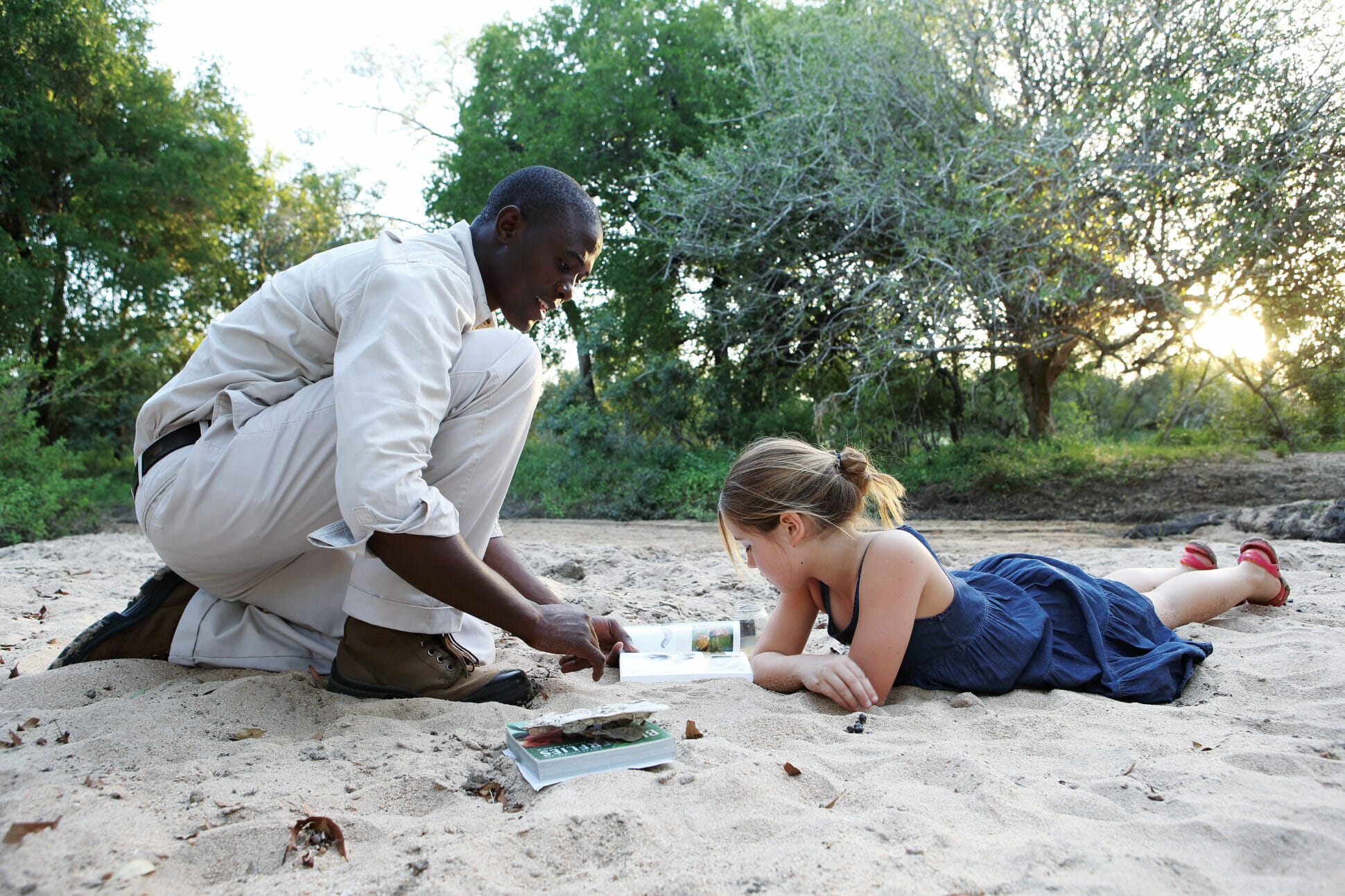
Impact is essential for the system to work as a whole, Image Credit: Londolozi Game Reserve
Wellness in the Wilderness
Wellness here has a pulse. It's a quiet, spacious room overlooking the canopies that surround it, inviting nature in. It's the hands that find the tension you’ve been carrying since the airport. It's the slow stretch on a deck while the bush wakes up – breath counted, spine lengthened, mind finally loosening its grip.
Yes, the wilderness naturally works magic on your nervous system. But Londolozi backs that up with a serious offering: the Healing House, bodywork, yoga, meditation, breathwork, curated treatments, and retreats designed for more than “an hour of escape”. And the results are real. Sleep returns. The noise in your head drops. You step into the day softer, steadier, more present.
It’s still a safari, and the bush still runs the show. But restoration is one of the prime takeaways.
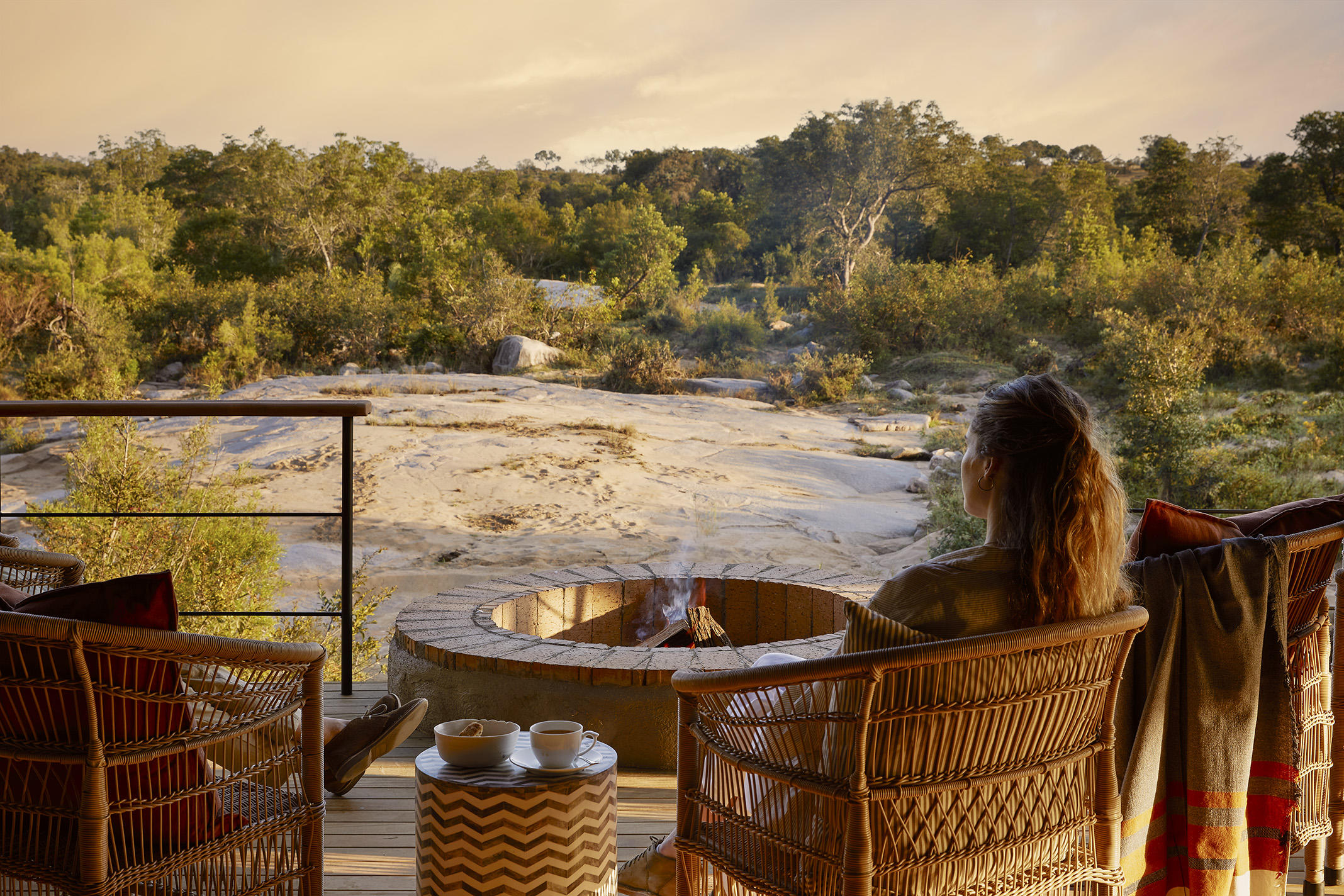
Restoration is at the forefront of each stay, Image Credit: Londolozi Game Reserve
A Standard Worth Keeping
It always comes back to that tiny moment in the game drive vehicle. It feels like instinct now. But it isn’t. It’s a standard that was taught, practised, and made normal by places like Londolozi.
On the next safari, carry this: ask better questions, notice pressure, choose places that put wilderness first. And when the bush changes tone, do the simplest thing possible: Listen.
If Londolozi is calling your name, reach out to us, and we'll match you with the right camp and season for a safari that leaves the place better – and leaves you changed for all the right reasons.
Feature Image Credit: Londolozi Game Reserve


