
A Tanzania safari can look deceptively simple on an itinerary: a handful of places connected by a few lines on a page. But some of the decisions that shape your experience only become clear once you’ve travelled those roads yourself. How different does Tarangire feel from Ngorongoro? Is it worth driving when you could fly? As a Rhino Africa Travel Expert, Danielle Venter knows that these are the details only firsthand knowledge can help with.

The Itinerary Is Only the Beginning
An itinerary gives you the outline, but it can’t convey the rhythm of your journey. Two national parks sitting close together can offer completely different wildlife experiences. A long road transfer may become one of the most revealing parts of your trip. And a camp can invite you to slow down rather than simply being the place where you sleep.
Danielle has spent decades helping her guests decide where to go, how to travel, and what to prioritise across Africa. But her recent journey through northern Tanzania offers a fresh look at how this classic circuit functions on the ground today, and how to build a route that flows.
Here are the key takeaways from her trip.
1. The Road Is Part of the Experience
On the itinerary: Kilimanjaro → Tarangire → Ngorongoro → Serengeti.
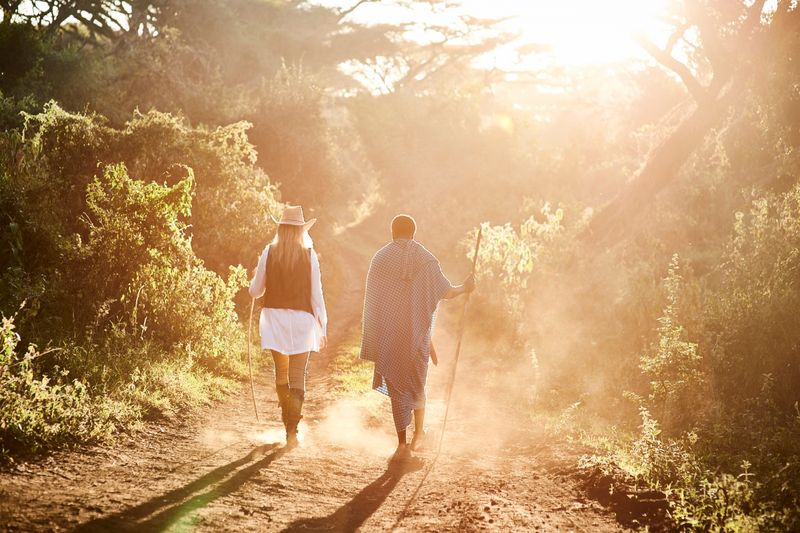
It seems wonderfully straightforward with a few place names, a handful of transfers, and arrival at the safari camps. But there’s a lot more to the journey than that neat sequence suggests.For Danielle, some of the most interesting moments of her trip actually happened between those destinations.
Moshi was one of Danielle’s first stops before heading into the bush. This town sits in the shadow of Mount Kilimanjaro and is surrounded by undulating hills peppered with coffee plantations.
It could easily have been treated as a place to pass through, but spending time in the town gave her a glimpse of life beyond the safari circuit: motorbikes weaving through the streets, people going about their daily lives, and a town moving at its own pace.
“One of my highlights was simply watching people go about their daily lives and getting a glimpse into the different cultures around me.”
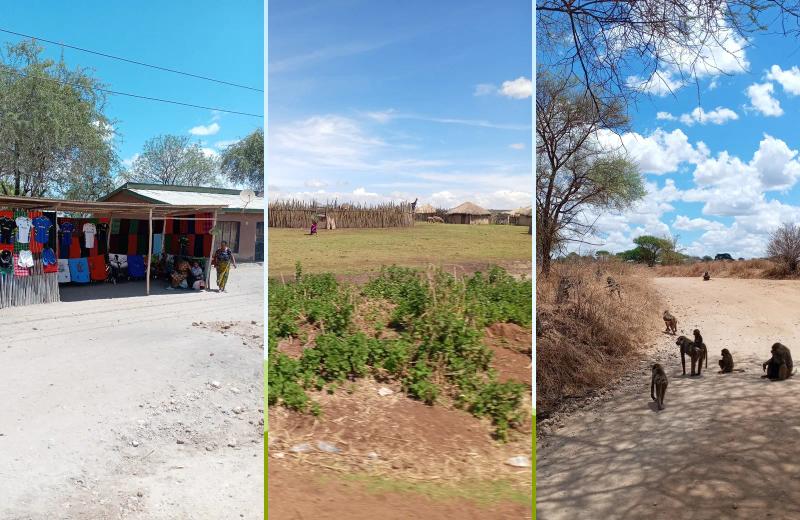
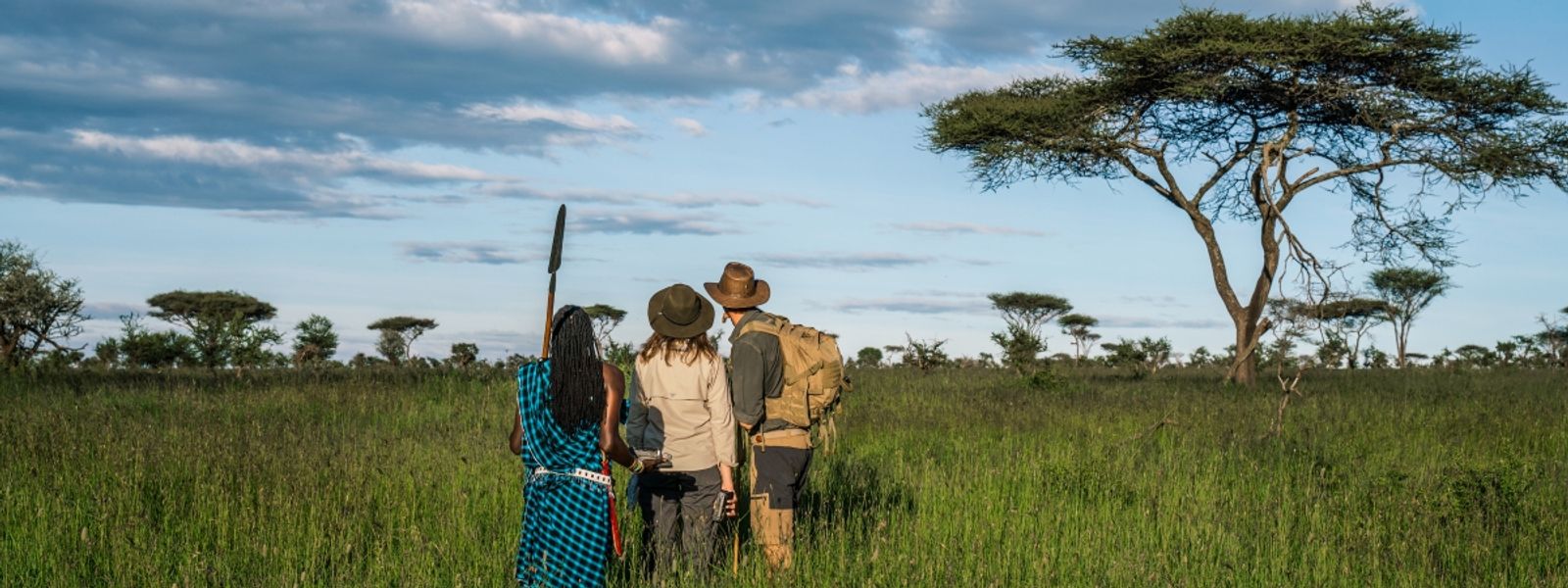
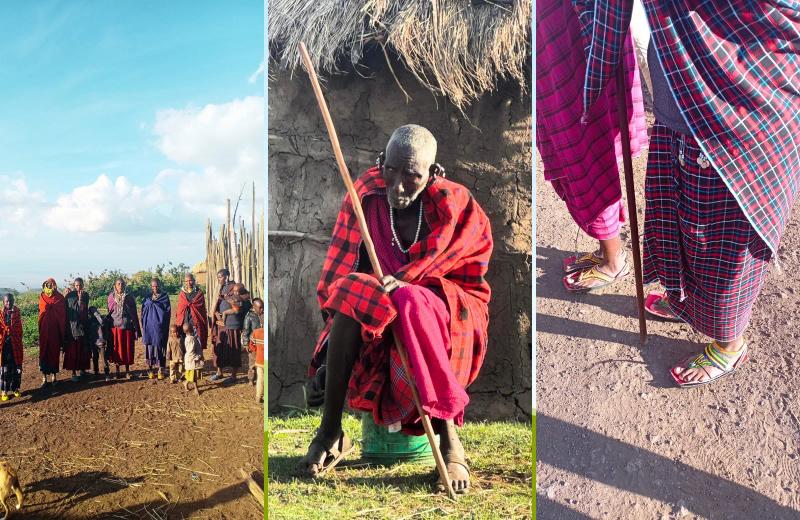
Beyond Moshi, the road opens into the countryside. Here, towns and villages give way to farmlands and vast landscapes, with Maasai communities among those who have long called this part of northern Tanzania home.
For Danielle, travelling by road added a dimension that flying between safari areas simply couldn’t. It gave her a better sense of how the destinations connect – both geographically and culturally. It was an authentic taste of Tanzania that further deepened her understanding of the country.
2. Two Parks Can Mean Two Completely Different Safaris
On the itinerary: First stop: Tarangire. Next up: Ngorongoro. Then: The Serengeti.
Three names. Three game-drive destinations. One safari, right?
It would be easy to assume that another national park simply means another version of the same safari. But Tanzania’s safari regions each feel unique, even when the basic premise is the same: climb into a safari vehicle and venture out in search of wildlife.
“Each park is very different. It never feels like you're repeating the experience.”
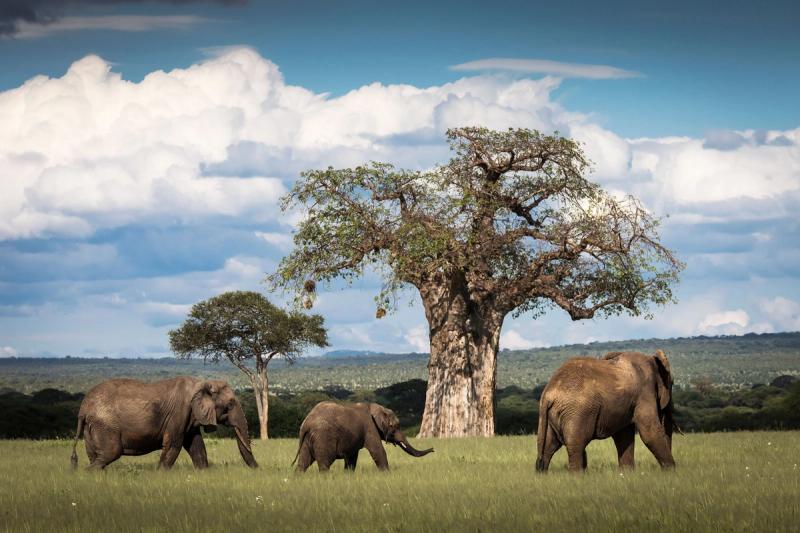
Tarangire National Park makes that clear almost immediately. This isn’t your classic picture of an East African safari. The horizon and landscape are dotted with enormous baobabs with elongated branches that seemingly pierce the sky.
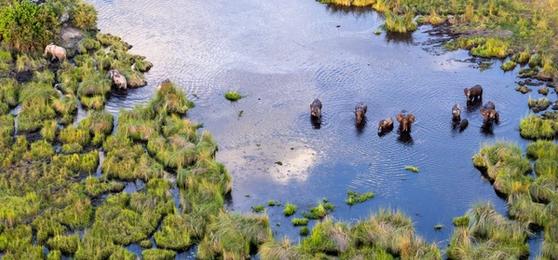
During her stay, Danielle witnessed a lion bring down a waterbuck along the swamp’s edge. It was a stark, dramatic moment tied entirely to Tarangire’s seasonal water sources. And it firmly established Tarangire as one of the highlights of her career as a safari Travel Expert.
“It was some of the best game viewing I've ever had in my life.”
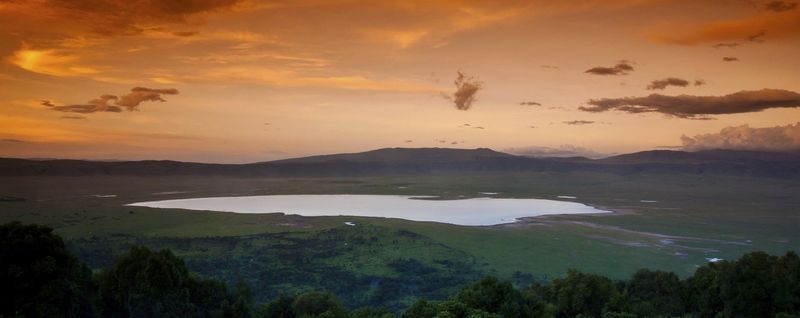
The Ngorongoro Conservation Area, on the other hand, is unlike anywhere else on the circuit. The world’s largest intact volcanic caldera forms a vast natural basin, with its steep walls enclosing a remarkably rich concentration of wildlife.
The crater floor is open and green, with grazing plains stretching towards the lake and animals moving across the landscape in full view. A lion resting in the open is easy to spot. Further out, plains game gather around the water. It’s this extraordinary combination of scale, enclosed landscape and wildlife that makes a Ngorongoro safari so distinctive.
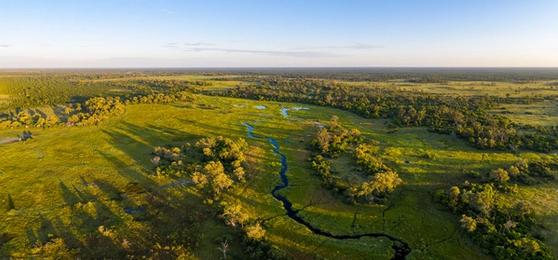
In the Serengeti National Park, the scale shifts once more. The horizons open up dramatically, with little to break the view besides the occasional herd moving across the plains. After the wooded character of Tarangire National Park and the enclosed walls of Ngorongoro, the sheer expanse of the Serengeti feels entirely distinct.
When planning a safari, the core question isn't "Where can we see wildlife?" It’s "What does this specific landscape offer that the last one didn't?"
3. The Serengeti Grows
On the itinerary: Eastern Serengeti → Central Serengeti → Northern Serengeti.
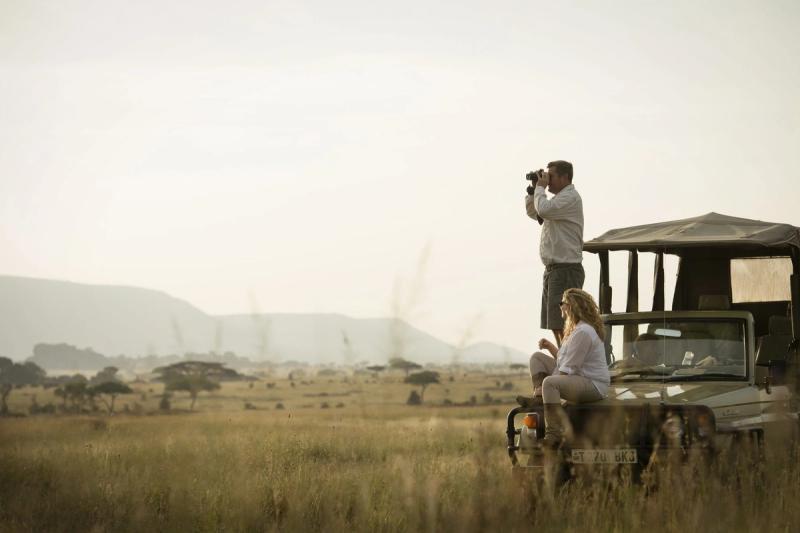
Even the Serengeti is not a uniform expanse; its distinct regions vary greatly in terrain and feel.
Staying at Dunia Camp in the central region brought wildlife directly into daily life. One morning, several animals were feeding among the trees outside the tents, close enough that guests couldn't walk to breakfast. Instead, game-drive vehicles collected them from their rooms and drove them safely across camp – an exhilarating way to start the day!
Further north along the Mara River, Danielle caught the tail end of the Great Wildebeest Migration. Herds of wildebeest and zebra were still rushing through the northern corridors where dramatic river crossings usually occur. Yet, beyond the wildlife, the defining impression of the northern Serengeti was its profound sense of space and seclusion.
“You're miles away from anyone else and everyday life. It’s incredibly peaceful.”
4. Where You Stay Really Does Matter
On the itinerary: Oliver’s Camp → The Highlands → Dunia.
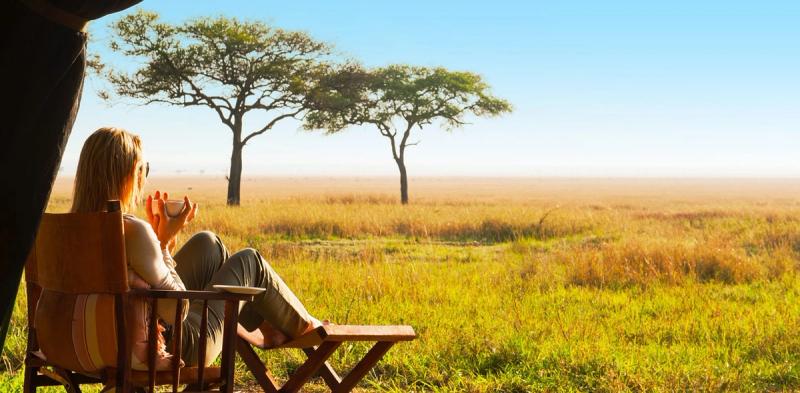
A luxury lodge can look like a practical detail on safari: somewhere to sleep between game drives. A website can tell you what a property looks like, but it can’t tell you what it feels like to stay there. And that’s exactly what Danielle wanted to know.
At Oliver’s Camp, subtle details keep you connected to nature. Small clay water basins placed outside each tent attract a steady stream of birdlife and small mammals throughout the day, so Danielle could witness wildlife from the comfort of her tent.
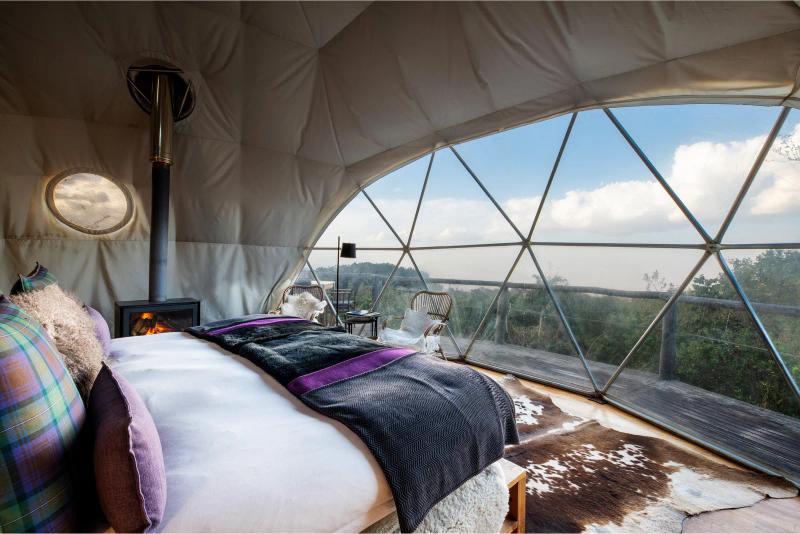
At The Highlands, it was the setting that made the stay distinctive. Set in the high-altitude forest of the Ngorongoro Conservation Area, its striking domed suites offer a complete contrast in climate and view from the warm plains below.
At Dunia, it was the people who left the strongest impression. The all-female team was warm and consistently attentive throughout her stay. The food was another highlight, so much so that Danielle and the group asked for recipes, which the team were happy to share.
The camp shapes your experience of the place, and it’s a Travel Expert’s job to find the one that suits you best.
Expert Judgement, Expertly Crafted
A Tanzania safari doesn’t have to follow a formula. The roads between each destination, the communities along the way, and the camps themselves all shape how the journey feels.
Having travelled the route herself, Danielle knows where the journey benefits from time on the road, where a stay is worth lingering over, and where two destinations that look similar on paper offer very different days in the bush.
Go Beyond the Itinerary. Discover Tanzania.
Let our Travel Experts help you shape a Tanzania safari around the places and experiences that matter most to you. With firsthand knowledge of the region, we’ll help you make confident choices and leave space for the moments you can’t plan for.
Ready to experience Tanzania for yourself? Let’s start planning.