

If you're planning a journey to Africa in 2026, you may well be wondering whether recent airspace disruptions and rising fuel costs will complicate the trip. The short answer is: a little, yes – but not in any way that should put you off. While some routings are longer and fares are a little higher, Africa remains very much open, and the right planning still makes for a smooth journey. And once you land, the experience on the ground remains as seamless as ever. Here's what you need to know now.

Flying to Africa in 2026 is a breeze when you book with Rhino Africa
Africa Remains on the Map
The biggest shift this year is not Africa itself, but some of the airspace around it. Conflict and instability across parts of the Middle East have made a few previously efficient corridors harder or less desirable to use. And airlines have responded in the only sensible way: by rerouting where necessary and prioritising safety.
For travellers, that usually means a slightly longer flight time, a less obvious connection point, or an itinerary that looks a little less tidy on paper than it might have been a year ago. None of that is especially glamorous, but none of it means Africa has become difficult to reach. It simply means the aviation map is being drawn with more caution, and rightly so.
The reassuring part is that Africa’s own aviation backbone remains strong. Key gateways across the continent continue to operate well, and airlines with serious African networks are still investing where demand remains strong.

Nothing compares to a sunset over the African plains
Why Flights Take Longer
If your journey to Africa in 2026 takes a little longer than expected, it’s usually not because something has gone wrong. More often, it’s because something is being handled carefully, and the alternative routes are generally longer by design.
In practical terms, this means it’s wise to think a little less about the shortest theoretical journey and a little more about the most dependable one. A routing that looks slightly longer may, in fact, be the better option if it leans on stronger hubs and more stable operating patterns.
The important thing to remember is that the added complexity lives mostly in the journey, not the destination. Once you land, the atmosphere changes almost immediately. The headlines fall away, the noise drops, and the pace of life begins to make sense again. This is part of Africa’s enduring power: it doesn’t just offer beautiful places to visit, it offers perspective, peace, and a welcome reset for the nervous system.
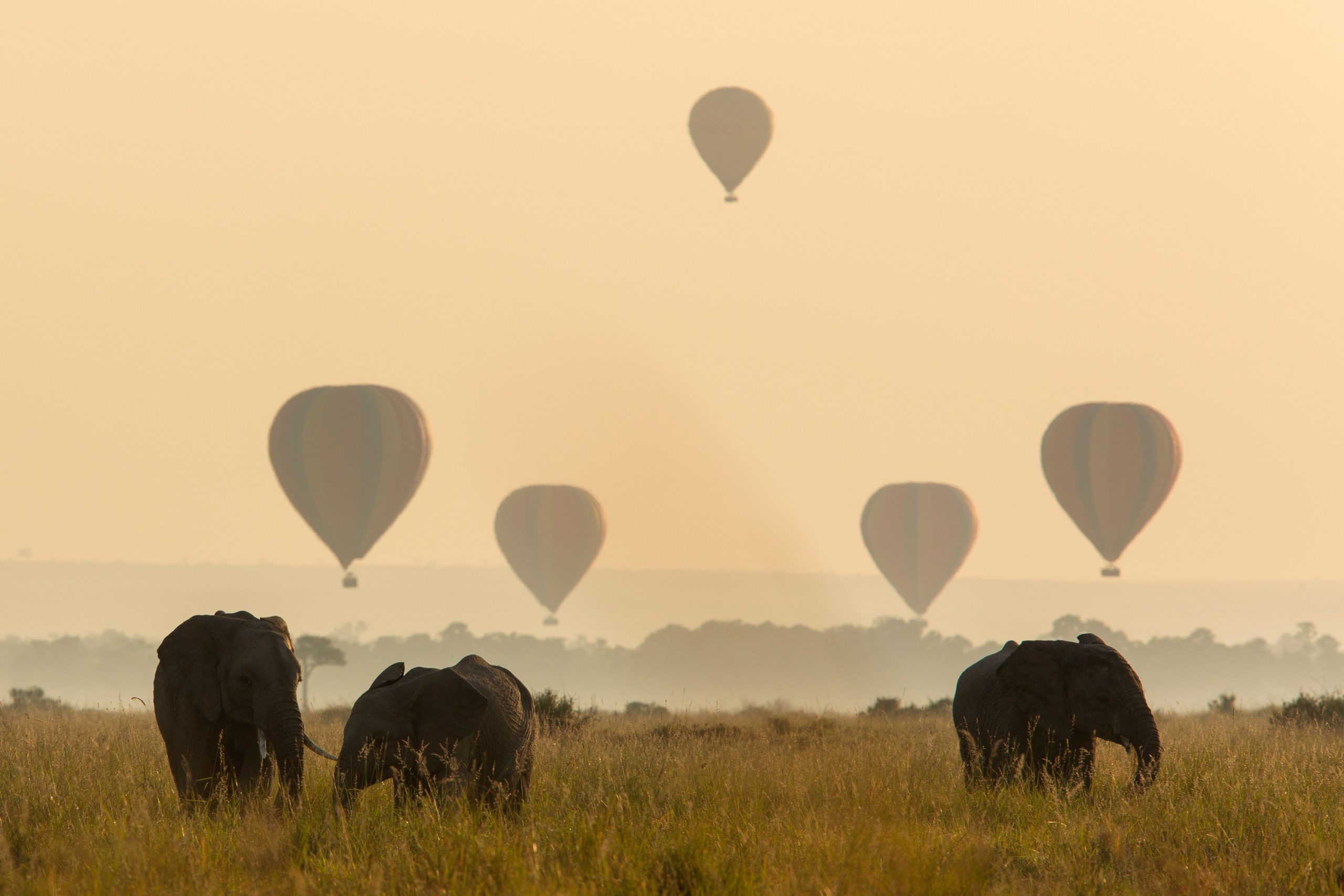
Landscapes and wildlife always look mesmerising from above, Image Credit: andBeyond
The Fuel Factor
If flights feel a little more expensive this year, you're not imagining it. Fuel remains one of the biggest costs in aviation, and when prices rise, airlines feel it quickly. That pressure is showing up across the board in 2026, from ticket prices to surcharges and general long-haul costs. This is not an Africa-specific problem; it's a global one.
But higher fares do not mean Africa is suddenly harder or riskier to reach. They simply reflect the reality of flying in a world where fuel is pricier, and routes are, in some cases, longer than they used to be.
The industry is adjusting, and Africa remains very much within reach for travellers willing to plan a little more carefully.

Support teams track every step, even mid-air
African Flight Routes
When the skies become more complicated, what matters most is not chasing the most obvious routing, but choosing the one that’s safest, smoothest, and most sensible for your particular trip. The good news is that getting to Africa is absolutely possible, and for most travellers, the shift is less about whether they can get here and more about how best to do it.
For southern Africa in particular, Johannesburg and Cape Town remain fully operational and dependable entry points, with the infrastructure and connectivity to keep journeys moving smoothly.
When it comes to airlines, we’re focusing on the carriers and routings we know, trust, and use regularly for our travellers, including KLM and Air France, both of which continue to offer strong South African connectivity.
Most importantly, this is where we come in. We don’t expect you to decode the global aviation map yourself. Our flight specialists keep a close eye on what’s changing and which options make the most sense for your route, dates, and preferences.

Endless, stress-free adventures lie ahead
How To Book Smartly in 2026
A little foresight goes a long way this year. Our Rhino Africa flight experts have their finger firmly on the pulse and are always happy to talk through any questions or concerns along the way.
Here are our top tips when flying to Africa in 2026:
- Book earlier than usual if your dates are fixed
- Choose flexible fares where possible
- Favour dependable routings over the cheapest or most complicated option
- Build in breathing room if your itinerary includes connections
- Ask an expert to review your route, not just the fare
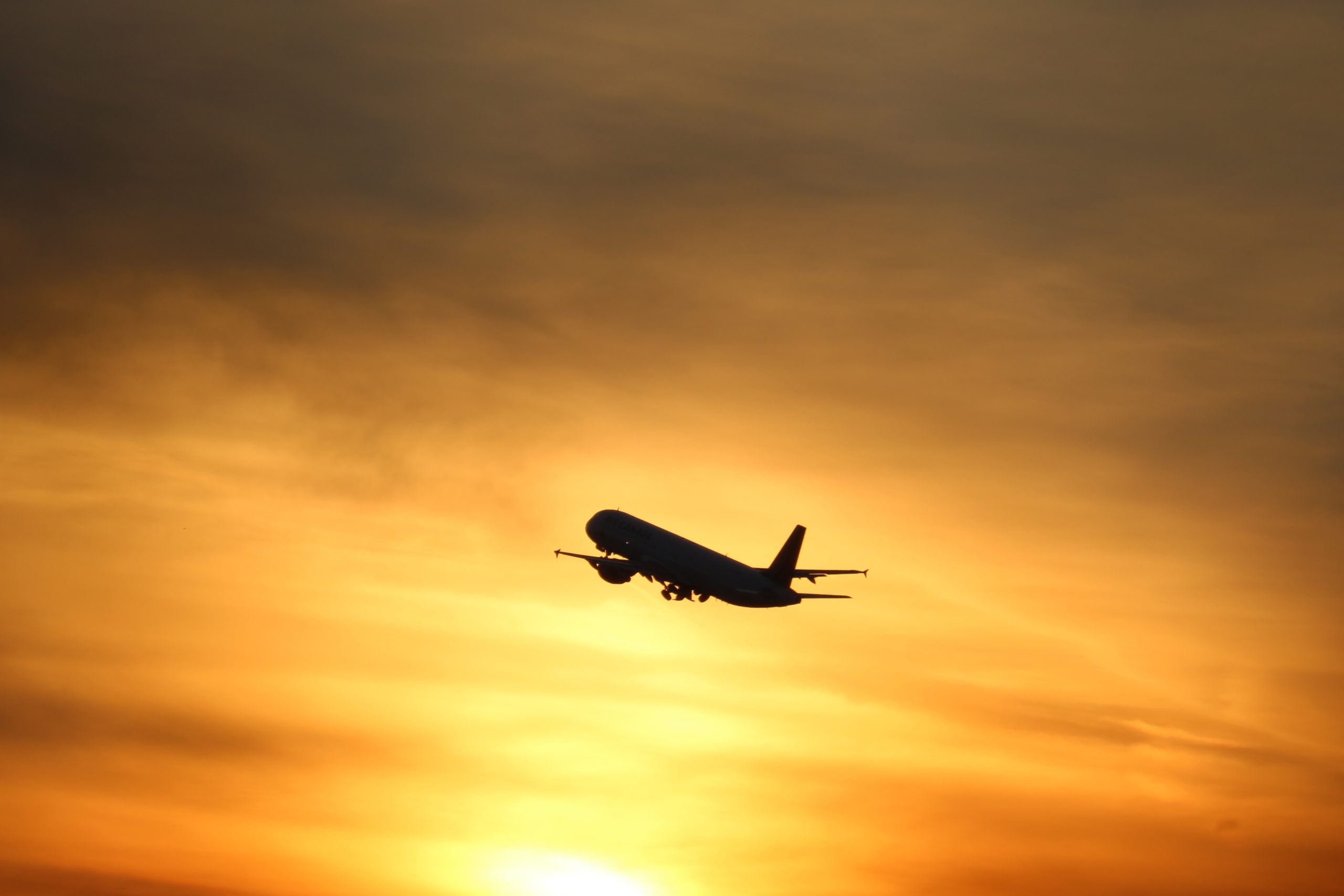
Africa is still firmly on the map
Why Africa Is Worth It Anyway
This is perhaps the most important point of all. Africa is not simply a destination you visit. At its best, it’s a destination that recalibrates you.
There’s something deeply beneficial about stepping into a landscape that feels older, quieter and less demanding than the world most of us live in every day. The absence of constant noise, the rhythm of game drives, stillness between sightings, long views, earlier nights, and slower mornings – all of it has a way of settling the system.
You breathe differently. You sleep differently. You remember, rather quickly, that not everything important arrives by notification. That does not mean Africa is an escape from reality. If anything, it can feel like a return to it. A reminder that what’s true and important is often very simple: time, presence, beauty, connection, rest, and wonder.

Let the worries of the world wash away as you witness the wonders of Africa
FAQs
Our flight experts and travel consultants have answered your most burning questions.
Is It Still Safe to Fly to Africa in 2026?
Yes. Airlines are actively rerouting around sensitive airspace, and safety remains the absolute priority.
Why Are Some African Flights Longer This Year?
Some carriers are avoiding or limiting the use of parts of Middle Eastern airspace, which can require longer routings.
Are Fuel Surcharges Affecting Flights to Africa?
Yes, but this is a global aviation issue, not one unique to Africa.
Should I Book Flexible Flights to Africa in 2026?
If your budget allows, yes. In a year with more operational variability, flexibility is a very sensible insurance policy.
Is Luxury Travel to Africa More Expensive in 2026?
It can be, but mostly because of global fuel costs and longer routings. For luxury travellers, paying a little more for ease, flexibility, and peace of mind is often worth it.
Will Rhino Africa Help With Route Planning?
Yes, our flight experts keep a close eye on changing airline patterns and can help shape the smoothest, most sensible route for your trip.

On the ground, every safari happens as if by magic
Africa Is Waiting
The skies may be a little more complicated in 2026, but Africa remains exactly what it has always been: vast, restorative, and more than worth the effort. With Rhino Africa, you'll secure the right flight routes, at the right times, for the safari experience that suits you best.
Ready to go? Speak to our Travel Experts and enquire now for a beautifully smooth, fully supported journey to Africa – where the planning is effortless, the logistics are handled, and the adventure itself is pure perfection.


