
Wind-scoured dunes and rock-hewn plains are what most people picture when they think of Namibia. It's a country that looks severe at first glance, shaped by exposure and long stretches of apparent emptiness. And yet life persists in ways that feel improbable – until someone shows you how to see them. That was the shift for Rhino Africa Travel Experts Justine Ryan and Samantha Myburgh, who came away realising that Namibia only begins to make sense once it's interpreted by the people who know it best.
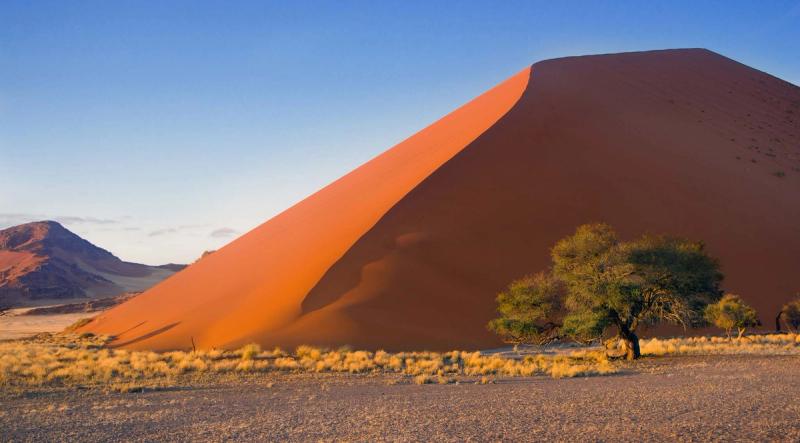
Oxidised iron gives these iconic dunes their unique colouring
When the Landscape Began to Make Sense
Justine and Samantha ventured to Namibia on an educational trip to gain a deeper understanding of the place they're recommending to their guests. Both arrived with a partial understanding of Namibia. Both were left utterly surprised and in awe.
The first shift happened in Sossusvlei, where this country of contrasts introduces itself in grand gestures: towering red dunes and white clay pans punctuated by fossilised trees. The dunes, at first glance, can seem almost too easy to summarise: dramatic piles of swept sand that stand undulating on an otherwise arid and harsh terrain.
That was certainly Justine’s first impression, until a guide began explaining what she was actually looking at.
Part of the UNESCO-listed Namib Sand Sea within Namib-Naukluft Park, Sossusvlei sits in the world’s only coastal desert with vast dune fields shaped by wind and fog. Formed over millions of years, the dunes owe their rich orange-red colour to iron oxidising in the sand over time.
And with that explained, these massive mounds transformed into wind-sculpted wonders that tell the tales of time. That was the first real lesson Namibia offered: its beauty is immediate, but its depth has to be unlocked.
"I expected just sand and mountains. I didn’t expect the beauty. The guides taught me a lot about why it is the way it is, and it actually all makes sense now. It’s exceptional." – Justine.
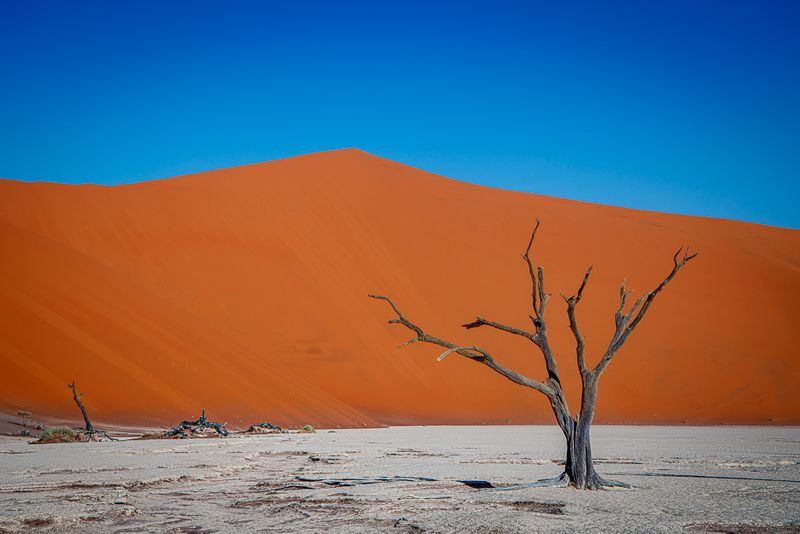
The legendary camelthorn trees of Deadvlei, Image Credit: Katja und Walter Birrer
Where Survival Becomes Visible
If Sossusvlei taught Justine and Samantha how to read the land, Damaraland showed them why that reading mattered.
This is a sterner part of Namibia: dry riverbeds, broken rock, rust-red mountains, and ground that looks too unforgiving to hold much at all. That tension sits in every sighting. Nothing here feels casual.
For Justine and Samantha, this was where the phrase desert-adapted wildlife stopped sounding like brochure language and became something far more convincing.
They watched elephants picking their way up rocky slopes, feet steady on broken ground, and bodies moving with a kind of deliberateness that made the terrain itself feel even harsher.
To see wildlife that large navigate such severe country with such ease was extraordinary. And the question was no longer "what is there to see?" but "how does any of it survive here at all?"
"For wildlife, life here is no easy thing, and yet they endure." – Justine.
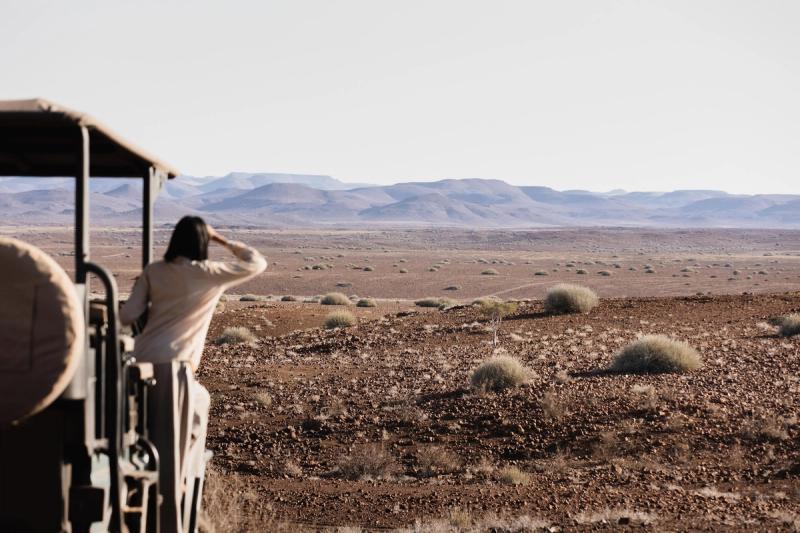
Silence and stillness characterise much of the Namibian landscape, Image Credit: Damaraland Camp
Life, Reworked by the Desert
Part of the answer lies in adaptation. Namibia’s desert-adapted elephants are not a separate species. But these African bush elephants have learned to survive in arid terrain by travelling vast distances between food and water, digging for underground water, and moving in smaller herds to reduce pressure on limited resources.
In the north-west, one of the last free-roaming populations of black rhino on the planet tells a similar story: browsers built for semi-desert conditions, feeding on hardy shrubs and enduring where softer landscapes would fail them.
They're not alone. Hartmann’s mountain zebra, gemsbok, springbok, giraffe, lion, and leopard all persist here, too. In Damaraland, wildlife does not astonish because it's plentiful. Instead, it astonishes because the land looks so determined to resist it.
And that same truth comes into even sharper focus when you begin to understand what it takes to protect animals like these.
“It’s not about the volume of wildlife. It’s more about appreciating their adaptation.” – Justine.
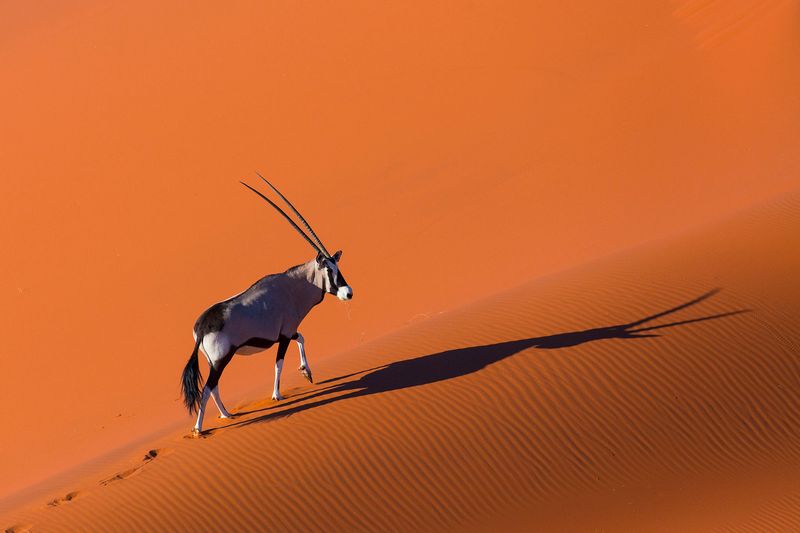
A typical postcard picture of Namibia, Image Credit: Juan Carlos Munoz
The Work Behind the Sightings
Wilderness’ ranger initiative in Namibia extends well beyond a single species. In the country’s north-west, conservation efforts are tied to the protection, monitoring, and long-term survival of an entire desert-adapted ecosystem.
That work is carried out through a network of specialist conservation partnerships, including:
- Save the Rhino Trust
- Desert Lion Conservation Trust
- Skeleton Coast Brown Hyena Project
- Lion Rangers of Namibia
Together, they help protect one of the last free-roaming populations of black rhino on the planet, monitor lion movement across north-west Namibia, study hyena populations along the Skeleton Coast, and deepen understanding of how desert-adapted elephants move across vast, arid ranges in search of food and water.
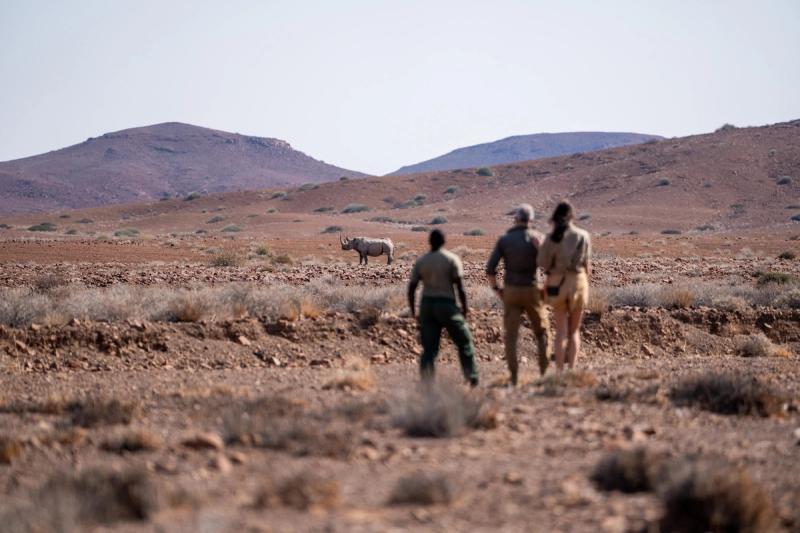
Desert-adapted animals are the stars of the safari show in Namibia, Image Credit: Desert Rhino Camp
The People Who Teach You How to See Namibia
Justine and Samantha realised that Namibia is not a place that simply gives itself up. It was true in the desert, and just as true in the quieter moments, when the people around them gave the journey its human shape.
A Damaraland Welcome
One of those moments came during a boma dinner in Damaraland Camp. The evening began not with a generic welcome but with members of the camp team speaking directly to the guests.
One introduced the conservation and community upliftment work being done in the area, gave a brief background to Damaraland Camp and its place in the region, and framed the evening beyond the obvious pleasures of food and firelight. Then the menu and wine list were presented first in the local click language, and only afterwards translated into English.
"It was something we have NEVER seen done before, which is very uncommon when you've been on so many trips and safaris." – Samantha.
What stayed with Justine and Samantha was not only the fluency but the pride behind it. The people hosting the dinner were not standing outside the experience. They were part of what made the place intelligible.
“It wasn’t just a job. They were just passionate people about their culture, about their tribes.” – Justine.
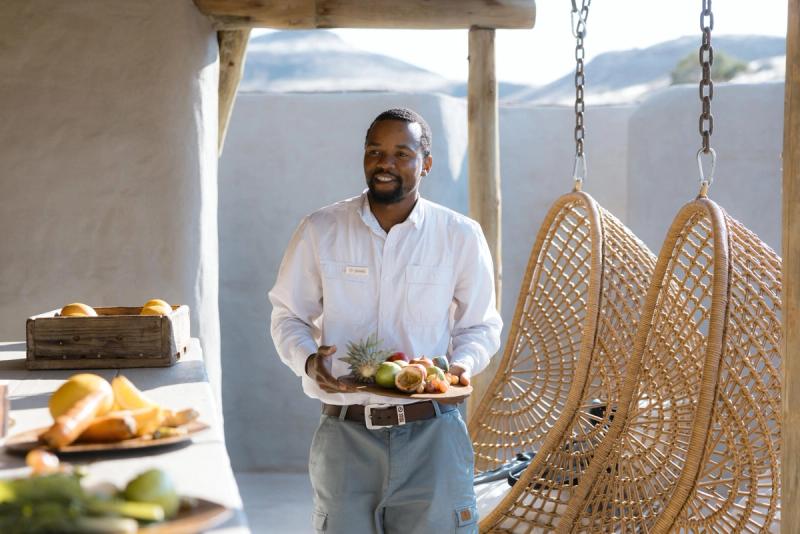
It's the people behind the experience that give it its depth, Image Credit: Damaraland Camp
A Map Drawn in Sand
That same feeling returned later at Serra Cafema in a more intimate form. During a dune walk, a local guide explained how different tribal groups came to occupy different parts of the region. As he spoke, he drew maps in the sand with a stick, sketching the surrounding terrain and tracing the movement of people across it.
And suddenly, what might otherwise have been but a beautiful meander became something much more precise: a lesson in geography, history, and belonging, drawn into the ground itself.
"The walk became so much more meaningful and informative. I absolutely loved it." – Samantha.
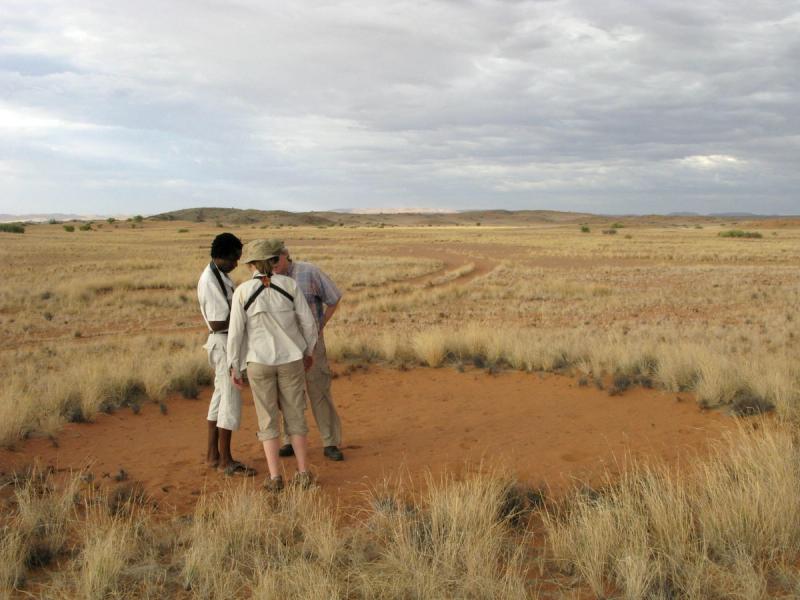
The guiding in Namibia provides incredible insight, Image Credit: Doro Nawas
What It Means to Live Here
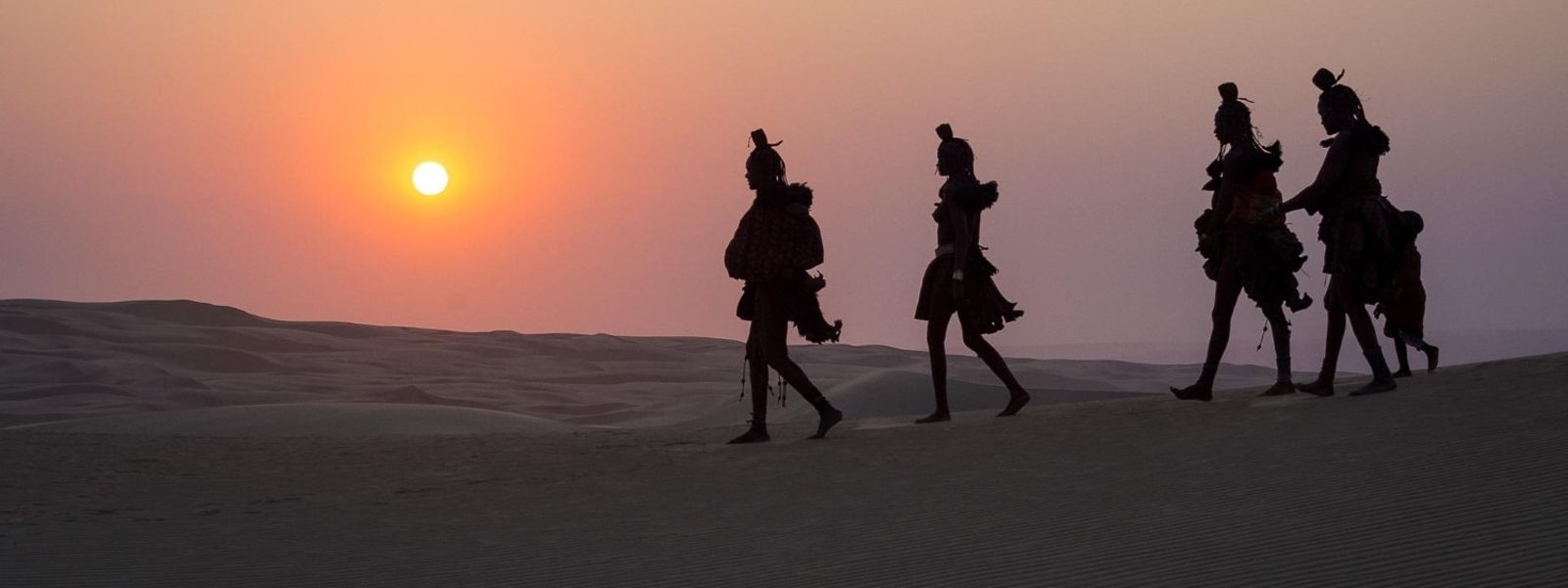
By this point, adaptation had stopped being only a wildlife story. Justine and Samantha had already been shown how tightly people and landscape are bound together in this part of Namibia. So, when they later spent time with members of the Himba community, the encounter did not feel separate from the desert around it. It felt rooted in place.
In Kunene, the semi-nomadic Himba have lived for centuries, moving through one of southern Africa’s most remote and demanding environments. Their existence is shaped by pastoralism, close family structures, and a deep relationship to the land, and that becomes far more powerful when seen in context rather than explained from afar.
Justine and Samantha’s visit was genuine. Women sat together and talked. Children played around them. Daily life carried on. It was respectful and authentic, not a spectacle arranged purely for visitors. And here, the reality of the environment moved from an observation to something lived in.
“What blew my mind was that the six and five-year-olds had never seen rain. It’s fascinating how they just adapt.” – Justine.
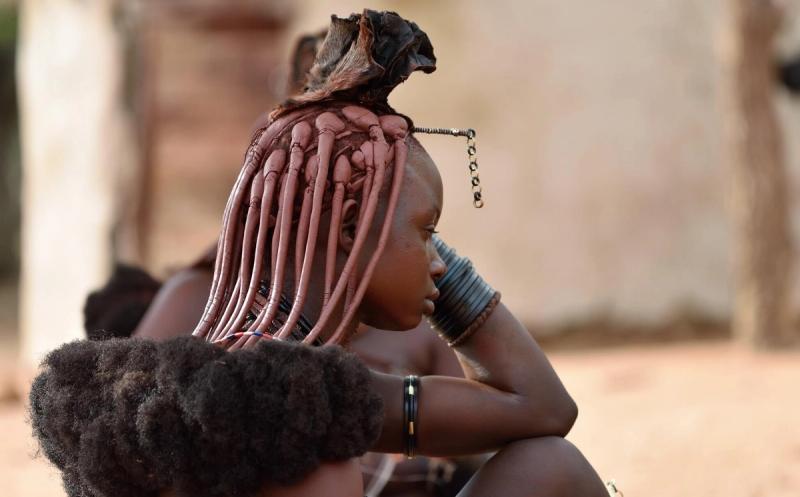
A woman of the Himba Tribe in Namibia
How Tourism Can Help Sustain It
At Serra Cafema Camp, Wilderness and its nonprofit partners have supported community-led projects to strengthen daily life in these harsh conditions. This includes a vegetable garden in the Marienfluss Conservancy to provide supplementary nutrition for semi-nomadic Himba families, as well as training in sustainable farming suited to desert conditions.
More recently, Wilderness also announced a solar-pumped water project developed with local partners in Kunene, part of its longer-term effort to support Himba communities through its Empower, Educate, and Protect framework. In other words, this is not simply a place where guests come to witness an unusual way of life. It's one where tourism safeguards the conditions that allow that way of life to continue.
When you stay at a luxury lodge in Namibia, your journey does more than place you in extraordinary surroundings. It also helps support the conservation and community initiatives that protect the land, sustain its wildlife, and strengthen the lives of the people who call it home.
“The people were the highlight of the whole trip. Their dedication, and the love and passion for wildlife and their country, was deeply moving.” – Justine.
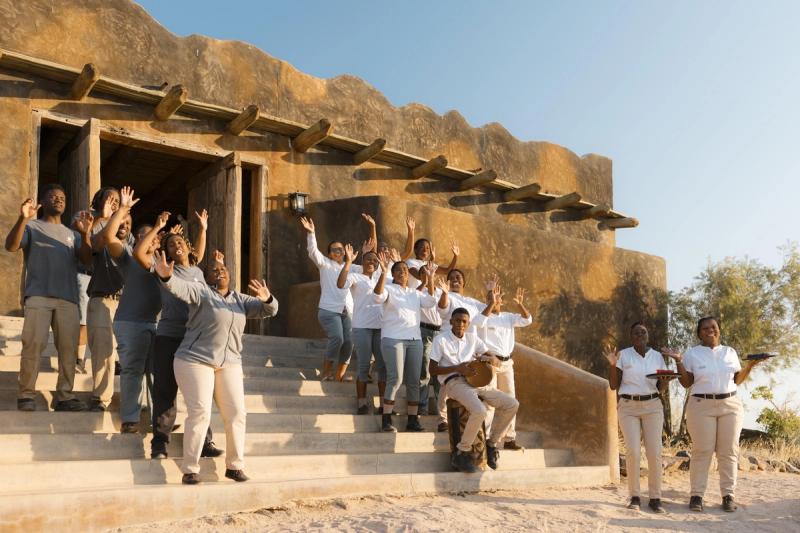
When tourism is approached with intention, it gives back to the people and place, Image Credit: Doro Nawas
The Land, Finally Understood
Nothing here felt decorative. The beauty, hardship, knowledge, and protection all belonged to the same story. And that story was only fully understood once interpreted. As a result, the country did not simply feel impressive. It felt deeply, unmistakably real.
If Namibia has stirred something in you, this is the perfect place to explore further. Browse our itineraries, learn more about what makes this destination so extraordinary, or speak to one of our Travel Experts about planning your own journey.
Feature Image Credit: Serra Camp